Today is the first day of autumn, and for my writing practice in the next few weeks I’ll begin a series of autumn or fall poems. This is my favorite season, my soul season. I’ve done a few different types of haiku ranging from traditional 17 syllables to a poem in a single line. Do you have a favorite?
1.
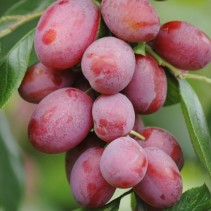
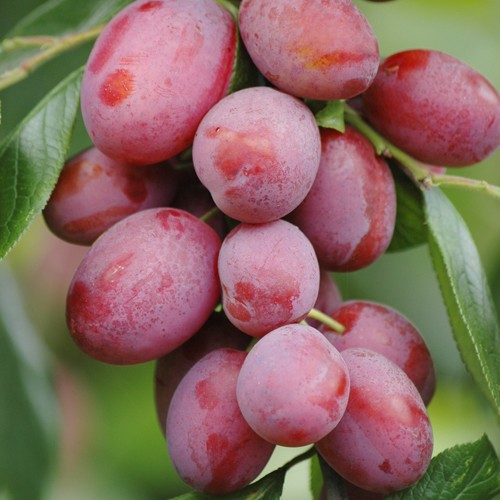
biting into a Victoria plum, such guilty pleasure
2.
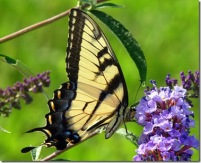
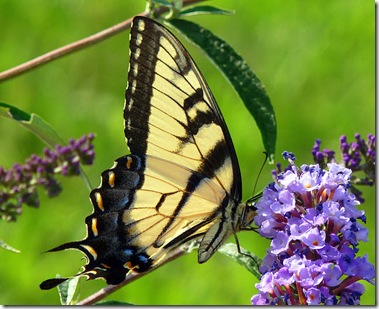
spent blossoms–
the last swallowtail
sips alone
3.

the season’s first soup
almost ritually cooked
stirs our senses
4.
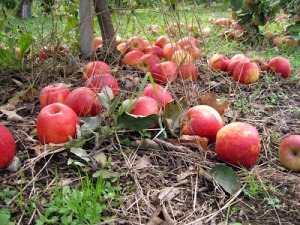
sweet windfall apples…
bruised memories
autumn of long ago
Modern English language haiku are not always seventeen syllables. A haiku can be many things, but always it is a brief poem with a strong image that evokes a season and a moment of time captured simply in lyrical language. Scroll to the bottom of today’s blog to find a list of essential qualities of haiku.
The following list from the wonderful journal, Heron’s Nest, lists important qualities that make a haiku.
Here are some qualities we find essential to haiku:
- Present moment magnified (immediacy of emotion)
- Interpenetrating the source of inspiration (no space between observer and observed)
- Simple, uncomplicated images
- Common language
- Finding the extraordinary in “ordinary” things
- Implication through objective presentation, not explanation: appeal to intuition, not intellect
- Human presence is fine if presented as an archetypical, harmonious part of nature (human nature should blend in with the rest of nature rather than dominate the forefront)
- Humor is fine, if in keeping with “karumi” (lightness) – nothing overly clever, cynical, comic, or raucous
- Musical sensitivity to language (effective use of rhythm and lyricism)
- Feeling of a particular place within the cycle of seasons




 A Poet in Time