And then again, the past comes back

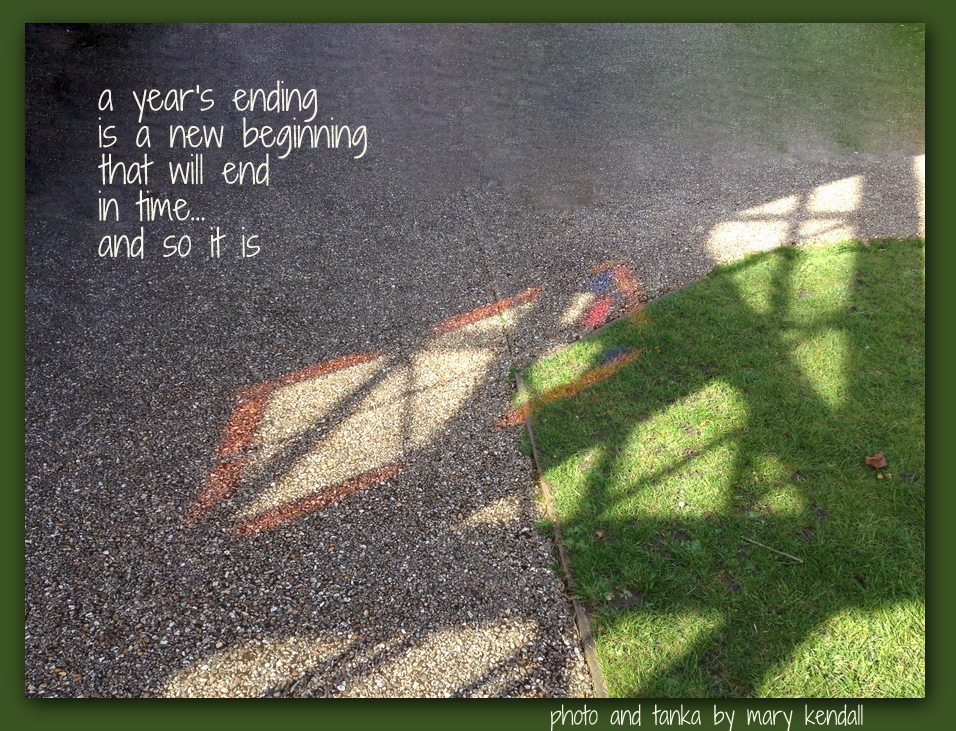
This is a reblog from eleven years ago. It wandered all that way into my thoughts on a quiet Saturday afternoon in mid-August of 2026.

So much has happened in eleven years. We are a changed country, a transformed world. The seas have risen, glaciers melted and weather controls life in a new way. The world seems to be at war with everyone, and our beautiful American democracy is at a dangerous level of risk that increases each and every day. There is quite often a feeling of heaviness and despair when listening to or reading the news. So many of these changes are not for the good of mankind, but that is a topic for many discussions and more poems. And so we wait for that rush of wild wind of change to surprise us and clear the air and world of darkness, unkindness and injustice.

Photo: the solar eclipse, August 2026 (from the internet, no specific photographer given). Thank you, whoever you are.

I’ve chosen this particular blog post from 2015 because it deals with memory and its peculiar traits. I hope some of you will enjoy reading the whole posting and how it came to be.

(Feel free to leave a comment about your own thoughts about memory and time.)

Here you go:

The Mutability of Memory

Posted on  by Mary Kendall

All of us have memories. Good memories. Bad memories. Memories we love to revisit over and over. Memories we push far back, hoping they will disappear. Some memories are vivid, while others are dreamy and vague. A few are very, very real as if they just happened, but others feel as if they stories that happened to someone else rather than us.

Memories can be haunting. Memories can be triggered by all sorts of things—from a taste that evokes brilliant memories from early childhood to a scent of burning leaves that reminds us of an autumn long gone.

It began with a prompt in March 2014 in Poets Online {my thanks to Ken Ronkowitz for this idea) to use a first line from an Emily Dickinson poem as our own poem title and then to write a new poem. This was one of my favorite prompts because it asked me to do something I had never considered. I do read Emily Dickinson’s poetry from time to time. I puzzle over her words and meanings. I spend a fair amount of time thinking about what she meant and how she did it. She never ceases to amaze me or probably any of her readers. To borrow a first line from her seemed a bit like stealing something sacred. And then the fun began–going through all of her first lines (which, of course, have also become the titles of her otherwise untitled poems)–and selecting one to work with. The prompt suggested we not read (or reread if we had read the poem a while back) Emily Dickinson’s version until our own version was complete. Fair enough.

After going through the list of first lines of Dickinson, I had to eliminate all those I knew. That meant excluding some wonderful poems I knew and loved. It also meant I had to find a poem that was unknown to me. Oddly enough the one I ended up with is a well-known poem of hers, but I couldn’t remember reading it (failure of memory on my part perhaps?), so I chose it. I love this line. “The Past is Such a Curious Creature.” Don’t you love the very idea of it, calling the past a curious creature, personification with such crisp alliteration?

Following the instructions, I did some thinking of what the line meant to me, what it brought forward. That’s how poets work. It can be rather vague to those who don’t write, but all poets know that a simple line can bring to life so many things. A poem comes from someplace deep inside, a place we’d love to explore but we only get glimpses of it. It took me a while to write the poem and to rewrite it. I wasn’t sure I wanted to submit it for quite some time. I even tested out a few other lines as prompts, but I returned to this irresistible line that Dickinson wrote. Here is the poem I finished and submitted. When the final poems were published, it was fun to read all of them. The other writers did a wonderful job. Some wrote in a style resembling hers. A few wrote in rhyme. I did none of that. Mine was in free verse, dictated only by the ideas and images that spilled out.

My poem:

THE PAST IS SUCH A CURIOUS CREATURE  (Line taken from Dickinson’s Poem CXXVII)

The past is such a curious creature
capable of creating such marvelous lies
that we begin to believe as we hear them
said again and again, forgetting that
there are those who love to distort
the truth and let it spill out and break
into brittle bits & pieces that are left
on the street to be kicked and crushed
until the shards are too small to see.

The past writes a story of its own choosing.
Its pen might be inked in faulty memory;
its paper might be marked in things that
did happen as well as those that did not.

This story is examined with the lens
of exaggeration and embellishment
until the tale that remains
is now so embedded in our minds
that we can no longer know
what was real and what was not.

And now for the inspiration piece, the poem written by Miss Dickinson:

THE PAST IS SUCH A CURIOUS CREATURE  (Poem CXXVII)
by Emily Dickinson (Complete Poems, 1924).

Part One: Life CXXVIII

The Past is such a curious creature
To look her in the face,
A transport may receipt us
Or a Disgrace.

.
Unarmed if any meet her,
I charge him fly!
Her faded ammunition
Might yet reply!

Although the prompt suggested reading the original poem after our own was nearly complete and then comparing where we were going, I opted to read Emily Dickinson’s only after my poem was more or less complete.

In Emily Dickinson’s poem, her personification of the past as a feminine being is a surprise. Then she tells us that as we remember the past, it might reveal a hidden delight or a remembrance of something disgraceful or shameful. That said, she moves to the second stanza and urges the reader to be aware that if the past memories are ignored, there might be consequences that would take us with surprising force. How true. Memories that are suppressed can and just might tumble out to reveal an unfathomable nightmare. Or more.

My own poem chose a different path. It opted for examining the past by questioning the mutability of memory. Is the past always the past? Is it constant? Or is its story one that changes in the retelling and perspective of the storyteller? My point of view came arose from the self-examination of a few haunting memories from my own early childhood. These particular memories were negative, but they were mine as I perceived them.

In asking one of my sisters about her perception of these same events, her memory was quite different from my own. So, which was true? Either one? Both? True for her, and true for me, even with different observations and conclusions? I spent a long time trying to figure it out but was unable to do so. My past. Her past. Our past. Memory can change and distort with time, age, experiences, contemplation, It does present some good leads for poems, but it does not answer the question as to what that unhappy childhood memory really was all about.

Poetry allows us to raise questions and to examine possibilities. It is not psychotherapy, nor is it scientific. What it does do is give the poet a way to explore personal stories and experiences and to turn them into something that goes far beyond the individual self. It offers each reader a chance to follow along and even to join in, adding their own experiences and memories into the mix.

What do YOU think about the mutability of memory? Can we ever answer all of the questions we have about the past?
.

On Rewriting a Poem


{Sometimes old poems ask to be reworked. This is a small example of just that.}


On Growing Old Together, A Love Poem


Will you scatter me over water
or throw me to the winds,
letting me float away?


Will your ashes mingle                                                                                       
with mine one day
when you too are gone . . .

              Ashes to ashes . . .


Will you take my hand again
and hold me close against the wind?
Will your eyes always smile with mine?

              Dust to dust . . .


Will our hearts travel as one
no matter where that might be?
Will our love be forever?

              Two stars together.


November 2025


This is a love poem written for my husband. We met in 1974, fifty-one years ago. This poem originally appeared on this blog in 2015, but I was never really happy with the ending. It never felt “right” to me. Those of you who are writers will know the feeling. You will know that some poems are meant to pop up again for you to rework it until it really is complete, and this is what I have done.


Growing older together has been a gift to both of us. We have shared so much and grown so much. Love is the one constant in the equation we call life. This poem is dedicated to my beloved husband and to all who have loved and been loved.


I’ve recorded myself reading the poem should you care to listen. Just click on the button below and give it a half a minute to begin. 


Ritchie and Mary, 1976

A tiny fawn, dead… (Ukraine tanka)

Published in Kokaku, Summer/Fall 2022

~

a tiny fawn dead
by the side of the road –
I close my eyes & imagine
all those children lost
in Ukraine strikes

~

candlelight-gc591e5c78_1280

Image by meineresterampe from Pixabay

Winter birds


Presence #72, Spring 2022

.

winter birds crack seeds
& feast on blocks of suet –
my long morning is spent
polishing old pieces
of silver we rarely use

.

.

Screen Shot 2022-10-04 at 3.07.18 PM

Photo by Stauffers of Kissel Hill

Passing cloud … (tanka)

Passing cloud … (tanka)

Tanka Café @ Ribbons
Winter 2021: Volume 17, Number 1

it isn’t a matter
of distance for me –
I learned by age five
how to slip deep inside
that passing cloud

.

Tanka poets are always proud to have something published in Ribbons, the journal of the Tanka Society America. It is one of the finest journals out there and it’s devoted to tanka and tanka-related work. Besides the main part of Ribbons, each issue has the Tanka Café, edited by Michael McLintock. Michael is an outstanding poet and was the editor of Ribbons for a long time. For many years he has focused on the Tanka Café, a favorite place for many of us. He puts out a prompt for each issue and poets write to that prompt. He gives us great leeway in how we interpret the prompt. This issue had the theme: Escapes. A great prompt indeed! The poems selected were wonderfully varied and always great to read.  I interpreted the theme in my own way of course. It has to do with imagination and how early we can learn to escape to it when we need to get away from things in our real life. My thanks to Michael McLintock for selecting this tanka. 

Wild apple (some senryu)

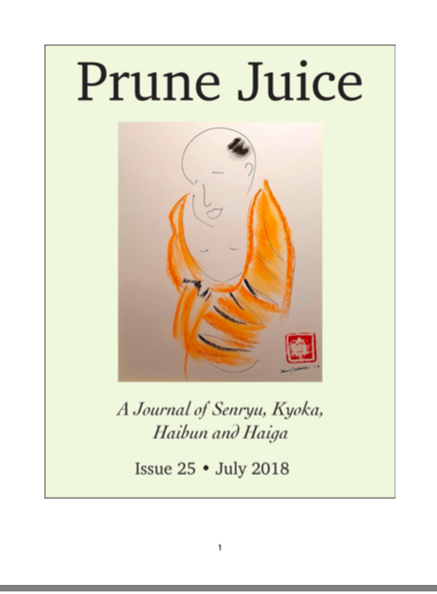
Three senryu and one haiga appeared in Prune Juice, Journal of Senryu, Kyoka, Haibun & Haiga, Issue 25, July 2018.


wild apple–
one bite is all
it took


inertia–
a thin coat of dust
on his burial urn


cloud cover–
darkness brewing
in daddy’s words


the sudden diagnosis haiga


My thanks to editor, Steve Hodge.


Screen Shot 2018-09-28 at 12.32.04 PM

Cover Art: Happy Monk by Jerry Dreesen


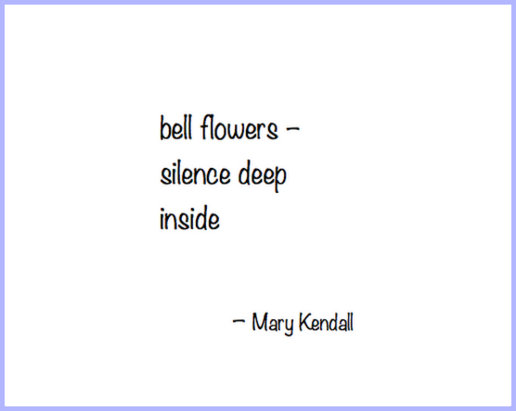
Bell flowers ~


1-campanula painting

   Campanula sp, Blue Bellflower. – Watercolour by Greta Mulligan (Australia)

I was very fortunate to have one of my haiku included in the May 2016 issue of brass bell: a haiku journal, curated by Zee Zahava. This month’s theme was Small Things.  To read all the other excellent haiku, please visit:         http://brassbellhaiku.blogspot.com


1-Screen Shot 2016-05-03 at 9.53.33 PM


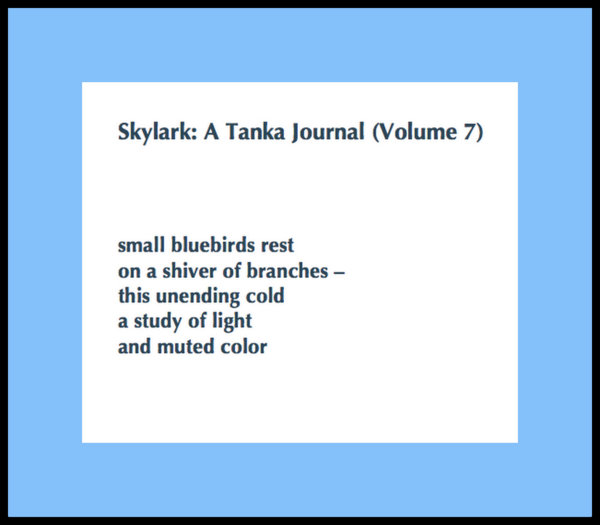
Bluebirds…

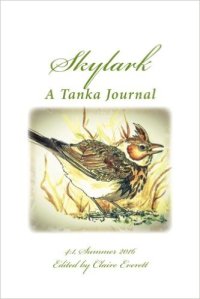
I recently had one tanka published in Skylark: A Tanka Journal. I’m thrilled to have a poem selected for publication by Claire Everett, the editor. She is one of the world’s foremost tanka poets and one whose work I love and admire.


1-Screen Shot 2016-05-01 at 7.56.47 PM

skylark

Sunday Morning

The Ekphrastic Review: writing and art on art and writing, has published my poem, “Sunday Morning.”

Let me give you a brief “back story” on this poem. Many years ago, I stopped writing completely for around twenty-five years. Total silence in my life. I don’t know why it happened, but it did. After what can only be be termed a spiritual experience on a trip to the Fijordland in New Zealand, poetry somehow magically entered my life again. I can’t explain this. It just happened, and I know it happened for a reason. This poem was the first complete poem I wrote when my poetic “voice” returned, and it’s only been read by one other person until today. It’s taken me about fifteen years to gather courage to submit it anywhere. My deepest thanks to editor, Lorette C. Luzajic, for publishing this piece.

Here is the link to the journal: http://www.ekphrastic.net/ekphrastic/april-21st-2016


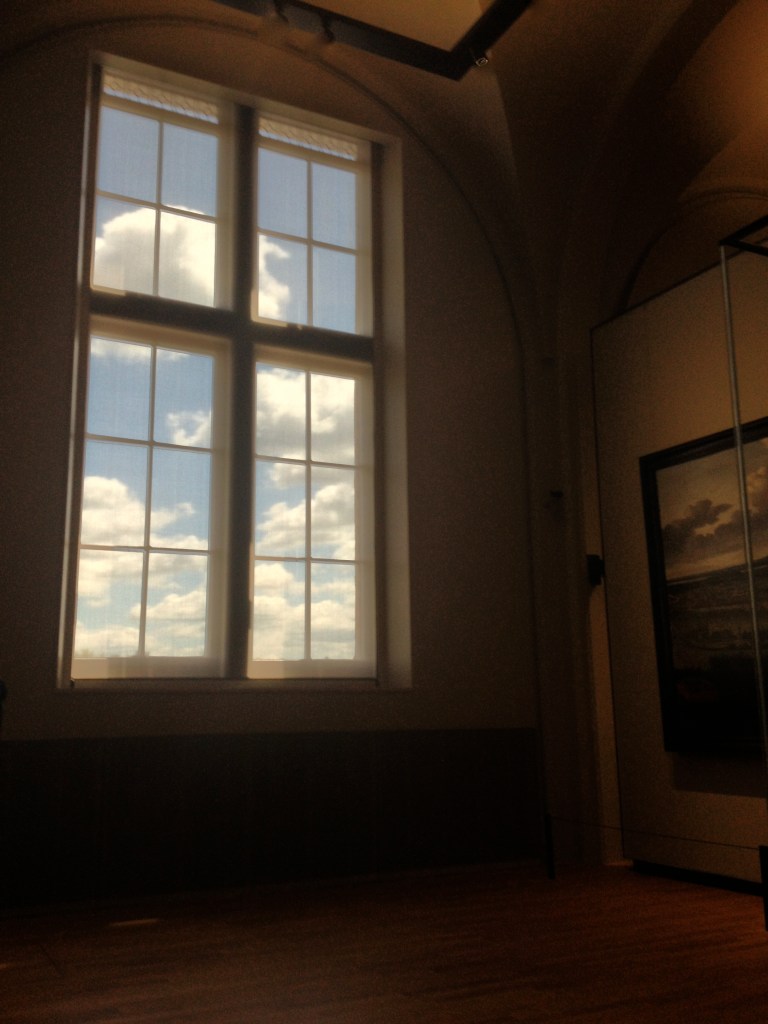
Rijksmuseum out the window

Rijksmuseum, Out the Window (c) 2013 Mary Kendall


Sunday Morning


Hymns unsung, prayers unsaid,
I sat by the window and prayed
for forgiveness one more time;
one more time I begged.


Holding the cup of coffee in my hand,
I hoped the warmth would fill me
where your words had left me cold,
but I knew nothing could do that—
fire can burn for hours and be unfelt.


Hymns unsung, prayers unsaid,
I lay down on the empty bed, pulling
the blanket across my cheek, turning
from the window, from the sky
and the sun, praying for some rest.


Note: The window in the photo is not, of course, the window of the poem. I love taking pictures of windows when I travel, especially indside looking out. This photo was taken in June 2013 when my husband and I were in Amsterdam, visiting the beautiful Rijksmuseum.


Beauty in Broken Pieces

spiral-clock

New Note as of March 11, 2016: This poem has just been published on a favorite online journal called Ekphrastic: Writing and Art on Art and Writing. A link to the journal:  http://www.ekphrastic.net/ekphrastic/beauty-in-broken-pieces-by-mary-kendall

~ ~ ~

Readers of this blog don’t always notice its subtitle: One Poet’s Practice. I like to practice. I like to experiment. All poets do. Without stretching the mind, you fall into the pattern of repetition. Each poem starts sounding like the last or the next.

I have been writing a lot in short form poetry–haiku, haiga, tanka, and other small poems. Today, in an effort to go in a completely different direction, I offer you a very long, rambling poem–quite unlike me, I know. It is called “Beauty in Broken Pieces,” inspired by a lovely photograph taken in Dublin, Ireland by India Leigh Lassiter, herself a talented writer as well as photographer. Thank you, India, for allowing me to use your picture as a starting point for this poem.


To hear me read this poem, please click on the link below (give it a minute to load):


India blue spiral

Blue Spiral, Dublin, Ireland (c) 2015 photograph by India Leigh Lassiter


Beauty in Broken Pieces…


Perhaps it was once a deep blue vase,
holding seven pale pink peonies
freshly cut one May morning…

the silence shattered
suddenly when
she lost her balance,

grabbed
the oval table

and together
crashed down,

one in splintered pieces,
the other dazed
watching the water
slowly spread
under the petals.

Or perhaps…

it was packed away in a doctor’s study,
an old cabinet filled with bottles…
cobalt blue bottles with faded labels,
the dark blue hinting of hidden secrets,
dangers that lay in long-dried residue
of those bottles that were shattered
and thrown upon a fire
that raged for hours,
flaring up in vivid hues
of acid green
and mustard yellow,
tipped with amber,
azure and moon,
the air once heavy
with poison
and dreams.

Or…maybe

there was no story.

Do you believe the whole really is bigger
than the sum of its parts?
And please, don’t let’s forget
there is always
perspective.

Large things are large,
but small things
are also large
if seen
close
up.


It is lovely, this small mosaic
made of glass in shades of blue,

blue so dark,
it might still hold the sound
of the ocean from the sand
that washed up and back
over and over

dancing on the ocean floor

before it became
the glass
we see…

for what is glass
but sand
and fire,

beach
and
star?

even
a simple
spiral
mosaic
in shades
of blue, pearl and silver
might hold the deep bass song
of the darkling ocean,
the glimmering
whispers
of clouds
above,

patterns spiraling through nature
like our thoughts about beauty,
reality or memory’s truth

Fibonacci gave it his name,
the Greeks gave it meaning
with their golden ratio…
it exists everywhere
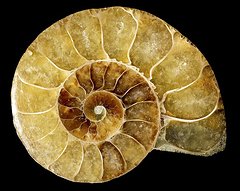
… a simple nautilus shell,
the sunflower’s seed head
that turns to the sun,
and following its cue, the pinecone,
the hurricane, even the galaxy, the cosmos

and here with this Irish glass spiral
we come full circle of woman
with camera, snapping
a photo, capturing
the balance of
silvery bits
and pearl
to blue
done
just
so
.


goniatite-fossil-pasieka

goniatite-fossil


My Mother’s Voice…a poem of loss

Today, my favorite haiga was published in a favorite journal, Gnarled Oak. It is a lovely home for this haiga. Here it is along with the link to Gnarled Oak (check out all the great poetry in this journal). The editor, James Brush, releases one poem a day, a custom I love. It’s always a joy to see what each day holds. My thanks goes to James for accepting this piece.

My Mother’s Voice


My Mother's Voice haiga


.

beautiful border for blog


This haiga was originally posted on this blog on June 14, 2015.

Irisation: A Lesson

Photography © 2015 by Farnaz Mojab Soheili

Photography © 2015 by Farnaz Mojab Soheili

A Lesson

For just one moment
the sky stopped time,
and we gazed upward
to where an angel
lit the clouds
like a row of pure white candles,
and the flames flickered
in many hues
and spoke to us in sweet silence,
reminding us that life is brief,
a momentary blur.

A lesson we forgot.

hands of time

Note: My thanks go to my friend, Farnaz Mojab Soheili, for allowing me to use her wonderful photograph of this magnificent cloud rainbow that appeared for just a moment. As a teacher who was with a group of fourth grade students on the playground, the cloud phenomenon was pointed out to her by a student. She looked up in time to see it shift into this beautiful formation. A rainbow in the clouds is called iridescence or irisation:  “When parts of clouds are thin and have similar size droplets, diffraction can make them shine with colours like a corona. In fact, the colours are essentially corona fragments. The effect is called cloud iridescence or irisation, terms derived from Iris the Greek personification of the rainbow…. Iridescence is seen mostly when part of a cloud is forming because then all the droplets have a similar history and consequently have a similar size.”

[http://www.atoptics.co.uk/droplets/irid1.htm]

Irises

Acceptance

Acceptance, photograph by Iosatel (c) 2015

“Acceptance”  Photograph by Iosatel (c) 2015

Should you wish to listen to the poem, click on the link below. It will take a few seconds to begin.


Acceptance 

There—on the far side of memory’s window—
You stand there on the outside looking in.

Distanced, safe from the rawness of our lives,
You are given a choice whether to judge us

Now or see if we try to make amends, to heal
The hearts that have been torn at the edges,

Frayed by the refusal to forgive, and let others
Move on, a final repentance, a simple lesson

Of learning to forgive our own mistakes, our
Choices or the decisions we came to regret.

Life is not all black and white, but endless shivers
Of grey, silver, and ebony; hues of cream, ivory

And moonlight, and beautiful colors begin to bleed
Into our fabric when we accept others as they are.

Paths get worn by walking, grass just wears away.
Road crosses road, briefly intersecting, and then

Leading to new and unexplored places where
There might be answers if we put aside our slanted

Views and look well beyond our differences.
Beneath this fragile shell of life we are the same.

Why is this simple lesson so hard to learn?

 dove and monkey

Note:  The main photograph (at the top of this page) used with this poem is a beautiful piece by the photographer, Iosatel. It appears on his photography blog, The Obvious and the Hidden, http://theobviousandhidden.com.

His black/white pictures are both beautiful and mysterious. Along with the intriguing pictures are his titles, which never fail to interest his many followers. This photo was entitled, “Acceptance.” It was this that began this poem. My warmest thanks to Iosatel for allowing me to use this photograph with my poem, ‘Acceptance.’

Forget Me Not…

Forget-Me-Not by SarahharaS1 (c)2013

                                       Forget-Me-Not by SarahharaS1 (c) 2013

~

Don’t Forget Me When I’m Gone

~~

Don’t forget me when I’m gone.
I’ll be there thinking about you.

Don’t forget me in my silence.
I’ll bring you back a poem. 

Don’t forget me when you’re sad.
I’ll be ready to understand your tears.

Don’t forget me when life is good.
I’ll be happy to laugh along with you. 

Don’t forget me if the glass breaks.
I’ll be there to sweep up the shards. 

Don’t forget me when you doubt.
I’ll listen to your words spill out.

Don’t forget me in the dark.
I’ll bring you a small violet star.

Don’t forget me when I leave.
I’ll return. I always will

Forget-Me-Not, photograph by Flowers HD.com

Forget-Me-Not, photograph by Flowers HD.com

Once

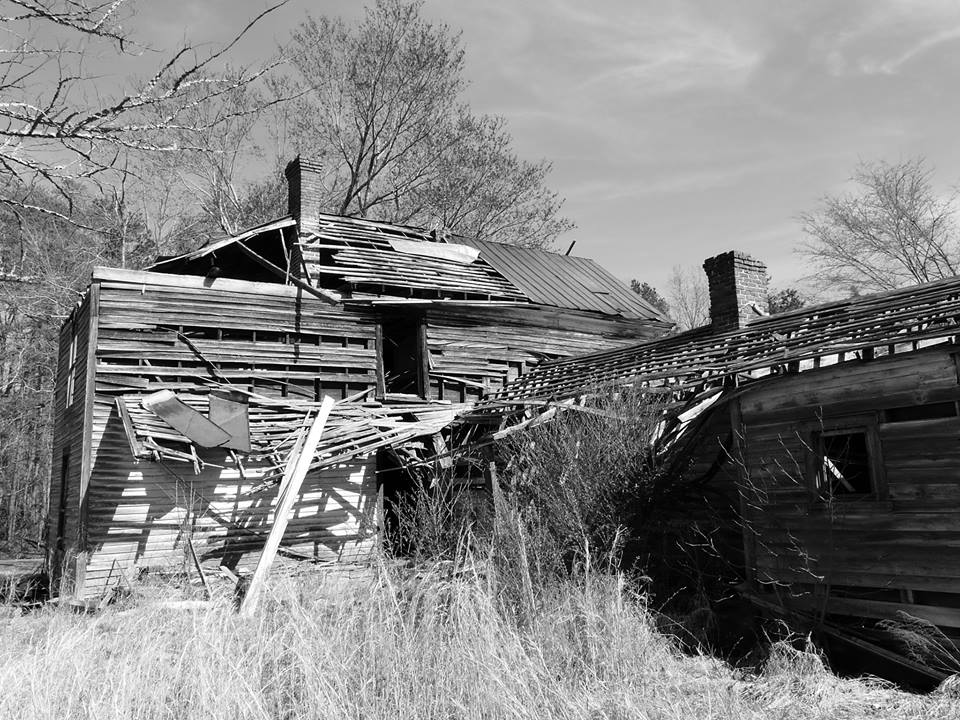
Old home in Eland, North Carolina, photograph by Gary Brichford (c) 2015

Old home in Efland, North Carolina, photograph by Gary Brichford (c) 2015

Once

The door is ajar, waiting for someone to come in,
But no one comes now except for you, you who
Climbed through overgrown grasses circling the house.

Wanderers like you come sometimes, looking for things
They once knew, remembering those they have lost, and
Places that they once loved, places they called home

Once this was home. Families lived here, died here.
Brides moved in and babies came, some were lost,
But most grew into fine young folk. Wars came, and

With them a generation of men might disappear. Yes,
Sickness came but so did love. Life was full then. Every
Home is made of lumber and nails, people and dreams.

Once the fire would have been lit on short winter days,
Keeping us warm, the heat drying wet wool mittens and
Mended socks. Flames burning so hot that our cheeks

Grew red while ice-cold winds knocked on the walls.
Flames burned down to chalky ashes during the night,
While we slept two to a bed and sometimes three.

Father was up early to stir the embers, add hickory logs,
Small broken branches and sticks the children gathered.
From this, he coaxed new flames to burn again all day.

You stand here now today, a cold Saturday in March,
Camera in hand, waiting to capture something, but
What that is you don’t know. Not much is left to share.

Once there were so many stories about the families—
Brothers, sisters, cousins, uncles and aunts. Their
Stories are gone for good but once they were here.

Without warning, memories of your own childhood
Rush into these walls, so real you can almost feel them,
They come so fast—an unasked for surprise.

If you listen hard enough, you hear children laughing
At the three young pups who are worrying the chickens,
And momma running out to chase them with her broom.

But it’s the inside of the house that pulls you back.
Looking up at broken rafters, you study the timbers:
Was it was fire or ice that brought down the roof?

Look hard and you might see momma sitting there near
The fire, the flames giving her light to do her mending.
Here she would sit and work. Sometimes she sang,

Her voice a clear soprano, ours a mix of everything else.
Daddy might take down pawpaw’s fiddle, and begin
Tuning it slowly string-by-string, note-by-note.

If you were the lucky one that day, he might ask you
To rosin the bow for him. Those were the good days
When they’d play our favorite songs or hymns.

But the best part was always the last, when they played
Old timey tunes, foot tapping music we loved.
We’d start dancing together, our shoes pounding hard

Like wild thunder on the old wooden floorboards.
It would echo so loud, we’d dance even faster
And then, exhausted, we finally had to stop.

A small redbird perches up on the open eaves,
Straw in its beak. It is nesting here in the house.
Can you hear its mate singing an ode to early spring?

If you listen to the silence, you might hear the whispers.
Or maybe it’s nothing, lost memories, old stories and
Wind blowing through the open roof, the broken floor.

~ ~ ~

Old Home in Efland, North Carolina, photograph by Gary Brichford (c) 2015

Old Home in Efland, North Carolina, photograph by Gary Brichford (c) 2015

Photographs by Gary Brichford © 2015

Note of Thanks to Gary Brichford, I am honored that you’ve allowed me to use your beautiful photographs of this old house that still stands in Efland, North Carolina. Your pictures make the past so real. Many thanks, my friend.

Old Home in Efland, North Carolina, photograph by Gary Brichford (c) 2015

Old Home in Efland, North Carolina, photograph by Gary Brichford (c) 2015


cardinal nesting

One Snow Haiku

Snowfall by Debbie Suggs

Snowfall by Debbie Nemer Suggs


Swiftly falling snow

Our footprints disappear ~

Were we ever there?


snow symbol

I would like to thank my dear friend, Debbie Suggs, for the use of her beautiful snowfall photograph (c) 2015.  Debbie and I wrote and published a book, A Giving Garden, in 2009. Her beautiful photographs have always inspired me.

Remembering Winter Wash Days

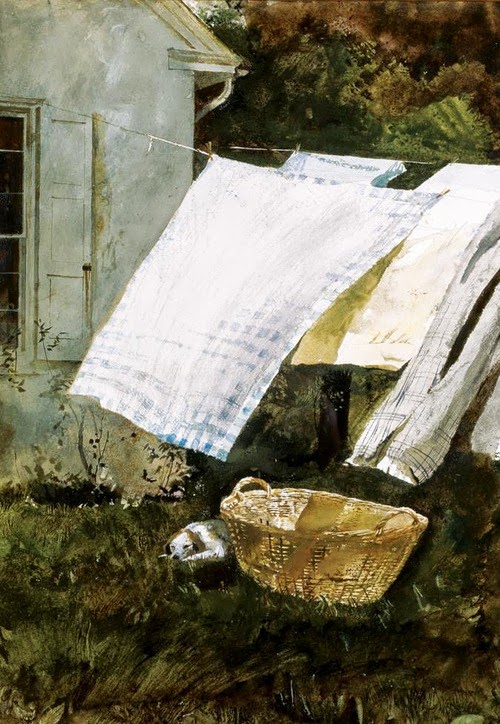
Laundry Day  by Andrew Wyeth

Laundry Day
by Andrew Wyeth

How many of you readers remember the scent of clothes and sheets dried outside in summer? That fragrance is something you never forget. All the fabric softeners in the world can’t duplicate it. In our busy world clothes dryers are something we all use. I can’t imagine hanging clothes out to dry at my stage of life. However, while we are living in London, our flat has a nice washer/dryer combination unit. British machines are very difference from American ones. This one is smaller and takes much, much longer to run a cycle. The dryer often leaves clothes slightly damp. Luckily the flat is well equipped and we have two small folding laundry hangers where I can hang things out to finish drying. I don’t mind doing this at all. It reminds me of my childhood when we always hung laundry outside out of necessity. Even in cold, cold weather.

The following poem was written a few years back for a prompt on PoetsOnline (see http://www.poetsonline.org) about laundry. While several poets chose the metaphorical allusions of hanging one’s laundry out or dirty laundry, the prompt evoked in me a sharp image of having to scramble to pull half-frozen clothing off the line before the snow came.

laundry in winter

ON WINTER WASH DAYS

On winter wash days, those on the cusp
of warmth, we hung out the clothes
with numb fingers, feeling the curtain
of clouds closing in.

Those were the days when the sun
often hid, and the cold never left at all.

Fabric froze hard, and dresses
and shirts grew solid and stiff.
Rows of sheets, towels and clothes
waved wildly, like pages of a book
flapping in the wind.

In late afternoon, we took it all down,
clothespins snapping shut as each piece
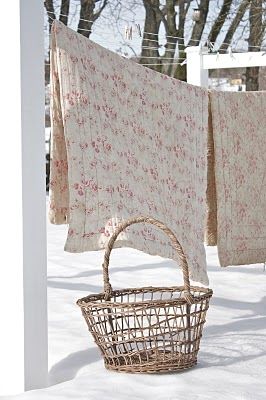
was pulled, placed in the wicker
basket and taken inside.

The darkness closed in early
those mid-winter days, the
evening star sometimes rising
before the icy moon.

(c) 2009, Mary Kendall

wicker laundry basket

Frosted Rosebud

(Photograph © 2014 by Harald Illsinger)

(Photograph © 2014 by Harald Illsinger)

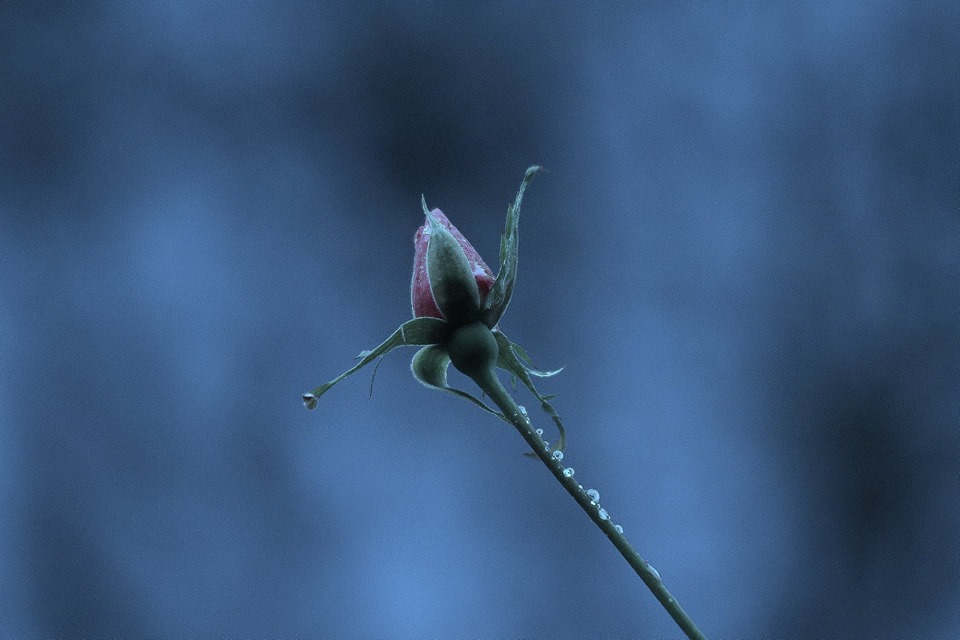
Frosted rosebud
caught in the night,

Awakening to the fog
of a December dawn.

This sweet pale rosebud
delicately iced over,

Thin slick of frost
lightly brushed on

As if an angel chose
to paint, capturing

The morning’s canvas
where season changes        

To season, autumn
turning into winter,

Short days giving in
to long nights of silence

As your fragile calyx
gives you up to the day.


old_pocket_watch_buried_1774093Many thanks to photographer Harald Illsinger for allowing me to use his beautiful photograph, ‘Frosty Morning,’ (c) 2014)

The End of Autumn

Red Leaves

                                                                                     “In my End is my Beginning”

The End of Autumn

How could we pass through autumn
without thinking about life.

Life and death.

Life and birth.

Birth and death.

The book ends of our existence
with pauses of space in between
waiting for us to write the chapters
that will fill the empty volume
that eventually defines a life.

Golden Leaves

These photos were taken by me at the Duke Hospice at The Meadowlands in Hillsborough, North Carolina. This hospice is set on an old farmstead in rural Orange county. The hospice and grounds are a wonderful gift to all who pass through.

Quotation embroidered by Mary, Queen of Scots

Quotation embroidered and worn by Mary, Queen of Scots

Dining with the Woodpeckers

pileated suet

While visiting my brother and his wife this summer in East Aurora, New York, we experienced a truly wonderful and unexpected visit from three pileated woodpeckers at the suet feeder Jim had filled. His wife, Paulett, said the woodpeckers were frequent visitors to their lovely back garden. This was a first for me. Although I’ve been an on again, off again birdwatcher for most of my adult life, I’ve only seen one pileated woodpecker in person before. Seeing three at the same time was simply brilliant. Watching their acrobatics as they fed on the suet, flew back and forth to peck at a tree, and generally manoeuvered their rather large bodies in amazinglying agile ways was pure delight. After a feeding frenzy, they flew away and it felt amazingly still and empty where they had been. Much like a visit with beloved family and friends, the ‘after’ part comes all too soon and leaves a void in our hearts. This poem is dedicated to Jim and Paulett, two of the kindest and most caring people I know. Thank you for sharing your home, your family and your amazing woodpeckers with us.

pileated 5

Dining with the Woodpeckers

In the late August garden
The quiet afternoon now

Comes to a languorous close.
Out of nowhere, a flash of red,

Bright scarlet crests crowning
Zebra-patterned feathers.

Three Pileated woodpeckers
Begin to feast at the suet feeder,

Fluttering, flying tree to tree,
Tree to feeder, alternately

Pecking at thick maple bark,
Then shifting to soft silky suet.

The youngest, now the size of its parents,
Joins in to grab his share, and father

And mother dutifully give way.
For a few Cirque des Oiseaux moments

All three woodpeckers hang right side up
And upside down, their brilliant red heads

Flash like stop lights in the early evening sun.
We sit around the table eating an early supper

And sipping local wine. Conversation drifts
As we watch in these avian acrobatics.

Just as quickly as they arrived, so soon are
They are gone. More wine is poured,

Seconds of hot buttered corn and fresh
Heirloom garden tomatoes are passed

From one to the other. Like the birds,
We share this meal together, enjoying

The richness of what the day has given.
A light wind blows the leaves outside,

A beautiful evening for us to be together
Knowing that summer will end all too soon.

Picture by Beth Brandkamp

Picture by Beth Brandkamp

Water Song

water_texture2379

Water Song

Water, the color of night,
so very still
not even a wave
breaks the glass surface.

Fear is sometimes
like this, submerged
so far it is hidden
from the conscious self,
safely buried
and unable to rise
to the top again.

Dark thoughts swim
against the current
of common sense, but
they meet no resistance
that far down.

When a Heart Breaks

I’m not sure where this poem came from. It just happened. I was thinking about the sad loss of butterflies this summer and what that might mean to our environment, our gardens, our enjoyment of nature. Somehow, from that line of thought to the poem…well, how does one explain where things are born? I hope you enjoy this poem.

An audio of me reading this poem is available at the link below. Give it a few seconds to begin.


unraveled heart

When a Heart Breaks


Did you ever consider a heart is like a chrysalis?
Perfectly wrapped round and round, silken strands
layered one upon the other, locked together
in a solid embrace of fragile fibers.

This is what the heart is.

When a heart breaks, no one picks through
the fibers trying to separate the strands.
Yet it can be undone so easily.

Words can unravel it so quickly that it spins
like a frenzied top, leaving behind a trail
of weakened strings, no longer useful to anyone.

Icarus II (Poetry and Myth)

feather-lake-russia_71645_990x742

Swan Feather, Moscow by Veronika K. Ko (c) 2013

If you care to listen to me read the poem, just click on the link below and wait a few seconds for it to begin:


Icarus II

The hardest part was letting you go,
knowing  that once you sailed so high
it would be impossible not to try again.

With each pass you made, you soared
higher, more effortlessly; sweet-scented
beeswax noticeable as the air grew warmer.

Arms outstretched as if embracing the sun,
you changed course and flew even closer
before you shifted abruptly, a quick turning

of wings, now fighting the unexpected wind
with young muscles tensed and determined
to hold the course.

The descent was swift.
A feather fell
and then another.

Icarus I, poem by Mary Kendall (Mythic Poetry Series)


Click on the link below if you’d like to hear me reading this poem. Give it a few seconds to begin.

silverbirchpress's avatarSilver Birch Press

640px-Herbert_Draper_-_The_Lament_for_Icarus_-_Google_Art_Project
ICARUS I
by Mary Kendall

September was ready to slip into October
and autumn skies were filled with color

Clusters of clouds
suddenly dissolved
and let the sun peer through

I imagined you as Icarus taking a risk
and trying to fly high above your depression,

gliding for a while like a broad-winged hawk,
the cool air making you unaware

of just how close
to the sun
you flew

NOTE FROM THE AUTHOR: The story of Icarus has always fascinated me. I think as long as people have lived, some have always wished they could fly like the birds. There are so many beautiful paintings and drawings of this classic myth, but in my mind’s eye I see only the simple picture of water with a feather floating on it—a reminder of how easily a dream and a life can come to an end. My Icarus poems were written when…

View original post 187 more words

Daybreak (2)


Yes, this is the second time you’ve seen this picture in my blog. It was posted with a poem, Daybreak, in late August and now it reappears to accompany a second poem it also inspired, Daybreak II. A single picture on paper, on the screen or in the memory has a powerful, persuasive control of our imagination. This beautiful photo by my friend and photographer, Yolanda Litton, has done just that.


Early Morning at Bagnegrole (Photograph by Yolanda Litton)

Early Morning at Bagnegrole (Photograph by Yolanda Litton)

I’ve included an audio clip of me reading the poem. Click on the link below and wait a few seconds.


Daybreak  (2)


Waking up in at daybreak in the south of France
Is as if I were stepping into someone else’s life.

So far from my own home, this wistful morning fog
Rises slowly to reveal a house of soft honeyed stone.

The slope of a sharply pitched roof holds a tall chimney
Where the swifts are now resting after a long evening hunt.

Somewhere a rooster crows with the energy that only
The young can bring to a new day. Out of nowhere,

A soft gray cat tip-toes by, looks up at me and blinks
Its eyes in that inscrutable feline way and disappears.

I stand here leaning on the windowsill, wondering
What my life would be like had I been born here.

The smell of freshly brewed coffee wafts up from
The kitchen below. One lone church bell rings

Calling its faithful to prayer. But nature’s beauty
Is my religion, my serenity, my salvation, my Eden.


An Autumn Long Gone ~ a Reverie

An Autumn Long Gone ~ a Reverie  (prose poem)


An audio of me reading this prose poem can be heard by clicking the link below. It will take a few seconds for the sound to begin.


It was the year we lived in London, some 25 years ago, when autumn began like any other autumn. The fall, the changing, the color shifting, the soft breezes, the sporadic thick fog and the leaves dancing, even floating upward at times. What I hadn’t anticipated, being so far north for the first time, was how short the days grew. How dark it became earlier and earlier all during that autumn. The days were ‘closing in.’ That’s what they called it, and I loved that phrase. It brought a certain comfort of pulling heavy curtains closed and shutting out the darkness. It was a time for wearing coats and warm sweaters, and I dressed my son in practical English clothing and soft grey mittens while he ran ahead enjoying what was left of the day. He was only three, but he knew the delight in using what was left of the day’s sunlight. I learned to enjoy the simple pleasures around me that came with this quiet season. Victoria plums were my new delight. They appeared at the Greengrocer’s shop just as autumn set in, later replaced by apples—Bramley and Cox’s Orange Pippins, names that twirled on the tongue and tasted as good. Burning leaves were an unexpected, half-loved sensory pleasure. The smoke was pungent, but it brought back memories of childhood. I loved even the rasp of raking, bamboo or metal combs gathering leaves in sacred piles waiting their turn to be sacrificed in an autumnal pyre. In the English light, I found the colors were softer, quieter than the brilliance of New England woodlands. Each morning I left my son at school and then walked through Hampstead Heath. I found my own favorite route through woods and meadows up to the large ponds. Purchasing a single cup of tea that warmed my hands, I made my way to that empty bench that faced the pond. I thought about all the people it had held before. And every day without fail a lone Scottish piper played his bagpipes as if on cue. Each day I sat and listened. A world so far from my own. From where he stood near the peak of Parliament Hill, the mournful songs became a wordless chanting, charging the air with a lamentation to this closing season, every day briefer, softer than the day before.

Lost in Reverie (c) 2014 by Isotel, The Obvious and Hidden blog on WordPress (with her permission)

Lost in Reverie (c) 2014 by Iosatel, The Obvious and Hidden blog on WordPress (with his permission)

Four Autumn Haiku


Today is the first day of autumn, and for my writing practice in the next few weeks I’ll begin a series of autumn or fall poems. This is my favorite season, my soul season. I’ve done a few different types of haiku ranging from traditional 17 syllables to a poem in a single line. Do you have a favorite?

1.

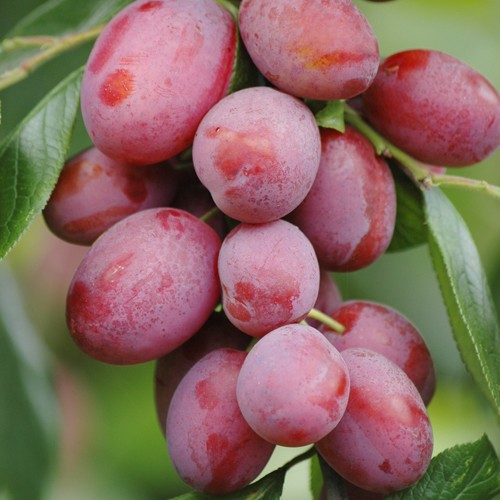
biting into a Victoria plum, such guilty pleasure

253871

2.

spent blossoms–
the last swallowtail
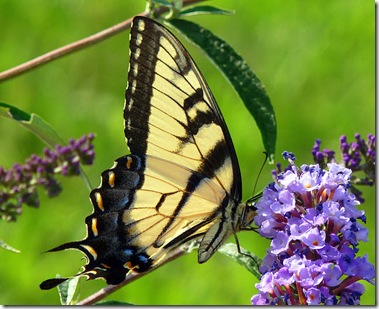
sips alone

best swallowtail pic

3.

soup 1

the season’s first soup
almost ritually cooked
stirs our senses

4.

sweet windfall apples…
bruised memories
autumn of long ago

fallen apples

Modern English language haiku are not always seventeen syllables. A haiku can be many things, but always it is a brief poem with a strong image that evokes a season and a moment of time captured simply in lyrical language. Scroll to the bottom of today’s blog to find a list of essential qualities of haiku.

The following list from the wonderful journal, Heron’s Nest, lists important qualities that make a haiku.

 Here are some qualities we find essential to haiku:

  • Present moment magnified (immediacy of emotion)
  • Interpenetrating the source of inspiration (no space between observer and observed)
  • Simple, uncomplicated images
  • Common language
  • Finding the extraordinary in “ordinary” things
  • Implication through objective presentation, not explanation: appeal to intuition, not intellect
  • Human presence is fine if presented as an archetypical, harmonious part of nature (human nature should blend in with the rest of nature rather than dominate the forefront)
  • Humor is fine, if in keeping with “karumi” (lightness) – nothing overly clever, cynical, comic, or raucous
  • Musical sensitivity to language (effective use of rhythm and lyricism)
  • Feeling of a particular place within the cycle of seasons

The First Coyote

The First Coyote

Shadowed by trees, it was alert,
Watching those on the porch.
Tall, thin, a knife sharp gaze,
This coyote knew its way around.

The startled man cradled the cat
And called the nervous dogs back
Inside the house, far away from
This lurker in the evening woods.

Was it waiting for a squirrel or
Rabbit? You couldn’t tell this far
Away, yet clearly it was patient
And after tonight’s dinner.

How else could it survive
If not for foraging here and
There, waiting for a quick
Capture, meat for a day or two.

This was the first coyote seen
In the neighborhood, and now
I open the window late at night
To listen to it sing to the moon.


Daybreak (1)

I have included an audio clip of me reading the poem, Daybreak. To hear it, simply click on the link below and wait a few seconds for it to begin.


Early Morning at Bagnegrole (Photograph by Yolanda Litton)

Early Morning at Bagnegrole (Photograph by Yolanda Litton)

Daybreak

The garden at daybreak.
Before the sun dares
to unveil the dawn.

Clouds and birds.
Dew glimmering
on grass.

Stillness.

Blurred trail of bats
filing into the attic
for rest.

Clouds bloom.
Birds now singing.
Morning shadows lead the way.


cropped-img_44401.jpg


My thanks to friend and photographer, Yolanda Litton, for her beautiful photograph from the south of France. Seeing it inspired this poem after bringing back memories of my own travel to Provence.

Willow Branches

Boston Public Garden

Boston Public Garden

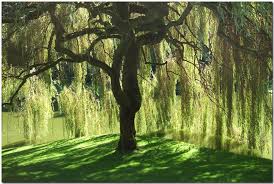
The weeping willow is perhaps one of the loveliest trees of all. It certainly plays an important part of many myths and legends in different cultures, and it has stories linking it with full moons, protection and inspiration. I have always loved willows. One of my fondest memories is of living in Cambridge and walking through the Boston Public Gardens when the willows were out in full. On a hot day, you could sit under one and feel ten degrees cooler. The were also among the earliest trees to leaf in spring.

Old Tombstone with Weeping Willow

Old Tombstone with Weeping Willow

In the old, old cemetaries of Boston and Cambridge, willows adorned gravestones and iron work going back to Colonial times.

Lovely Iron Gate with Willow

Lovely Iron Gate with Willow


In the beautiful North Carolina community in which I live there was once a beautiful lotus pond with a magnificent willow overlooking it. One night the tree came crashing down. Later the pond dried up and the lotuses were no more. This poem began quite some time ago, but it, too, lay dormant until I pulled out a forgotten draft of the first three stanzas. Strange how that can be–sometimes returning to a poem that was left unfinished so long ago is suddenly the very thing you need.

~ ~

Click on the link below if you’d like to listen to me reading this poem. It will take a few seconds before the clip begins so please be patient.


Weeping Willow Tree

Weeping Willow Tree


Willow Branches


They said it was the drought that did it.
Too many summers the pond dried up,
Even the lotus pods soon went dormant.

Rainstorms came that June: day after
Day the rain flooded the nearby creek
And filled the small pond you graced.

It was just too much and all too fast.
In the night you fell, your shallow roots
Rudely ripped out of the raw wet earth.

The old gardener pulls up in his truck,
Walks over with chain saw in hand,
Ready to dismember branches and trunk.

I ask if I might take a few willow wands.
He waits patiently and watches as I
Cut three long sticks of fallen green.

I thank him and walk away. He nods,
and smiles wryly after me, at the whimsy
Of a stranger who was passing by.

The chain saw shrieks as it starts
On its ruthless task as I continue
By on my walk, recalling a story I love.

Carrying sticks of willow for protection,
Orpheus, singer of sweet songs and poems,
Wandered in dark and silent Hades.

We know the ending, how Eurydice
Was soon lost forever. But the willow gifted
Orpheus with music, songs so beautiful

Even the wild and rowdy winds stopped
Blowing to listen to his broken heart. With
Orpheus’ death, the lyre lay silenced.

Over the chain saw’s tuneless humming,
I picture the willow’s nocturnal passing,
And I weep for all who are lost too soon.


Meadow Song


IMG_6383


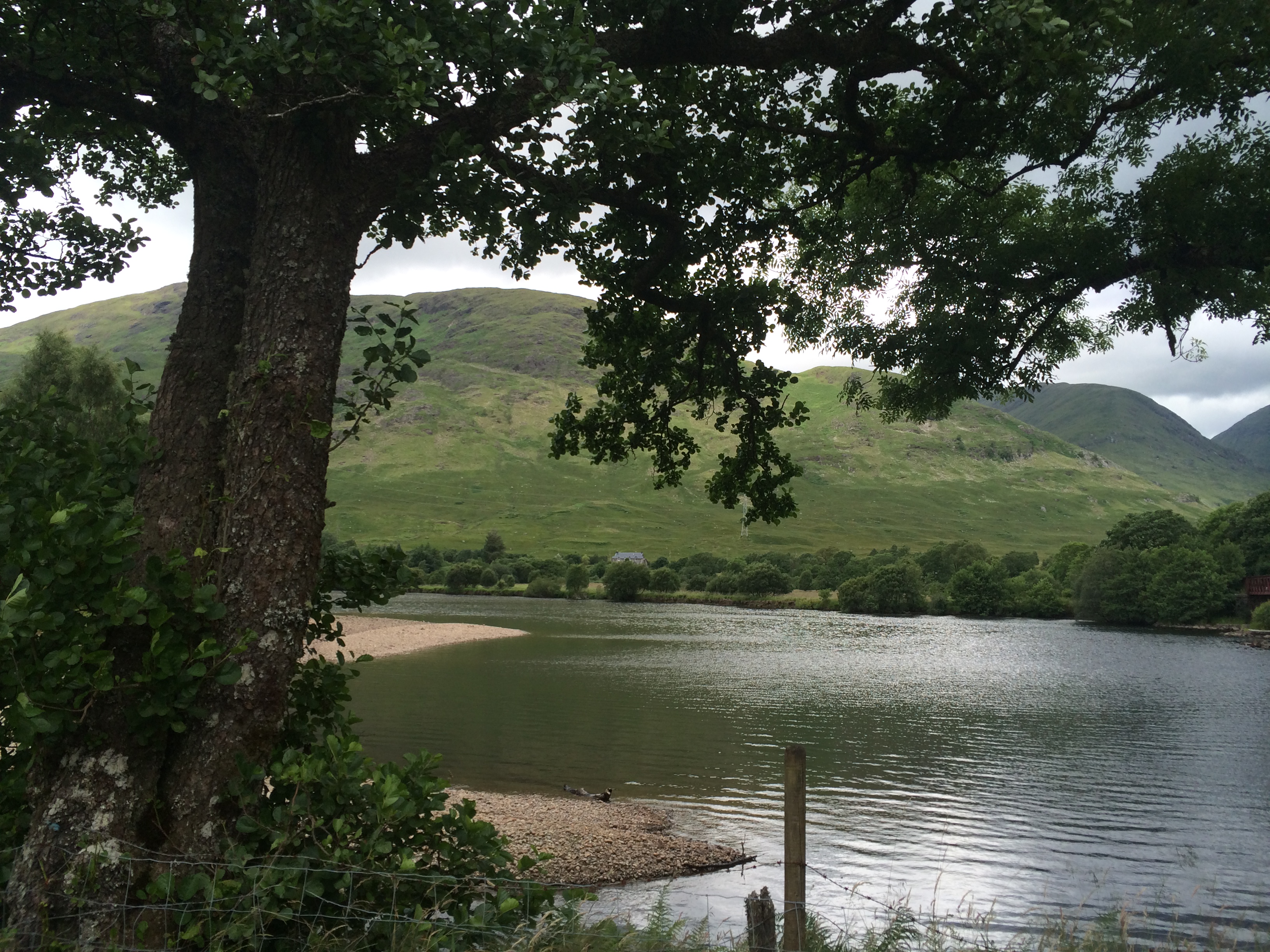
This poem began in a meadow up in the Scottish Highlands while my husband and I were visiting the ruins of a castle. He went inside to explore further, but I chose to stay behind and linger in the beautiful summer fields. As you have probably experienced yourself, this frequently leads the imagination to so many new places. It also presents an opportunity for a simple sensory awareness meditation. Just standing there looking and listening is a spiritual act in itself.

The challenge for me in this poem was to use a repeating word (“listen”) to create both mood and cadence in the lines. The decision to complete the poem with a repeating line (or couplet) was a very different way to close my own lyrical love song to nature.

[Note: the following two paragraphs were added here several months later when the poem was published by Dagda Publishing Company.]

On 3 March 2015, Dagda Publishing Company, a publisher of poetry and literature based in Nottingham, UK, featured this poem in their blog. It was a real honor to have had my poem chosen by this excellent publisher. This is what they had to say about the poem:

Today’s featured poem, and the first one in March, is this one from Mary Kendall. Inspired by a trip to Scotland, this piece has a naturalistic theme to it, and we feel is just perfect for this time of year, as we start to escape the cold and dark of winter and crawl toward summer and longer days. Musing upon the sounds of nature and imagining a song being sung by the choir of trees, flowers and the meadow itself, this piece has a touch of magical realism to it, of there being something fantastical just behind the ordinary and everyday. A poem full of the wonder of nature and the sense of being away from the familiarity of one’s normal life, we hope you enjoy this poem by Mary Kendall.

IMG_6385

An audio clip of me reading this poem is included below. Click on the link below to hear it. It will take a few seconds to begin.

Meadow Song

Have you ever been a few thousand miles from somewhere,
standing in meadow of sweet grass or barley and thistles,
bright pink bells of foxglove swaying in the wind,
and then you stop, just standing still and listening;
listening to the wind song of the leaves and grasses.

I asked them to tell me the words they sang to those
who stopped to listen. They heard me and replied,
but I could not understand what it was they said.

I waited and waited until the wind resumed its blowing,
the grasses their gentle whispering;
the leaves sang loudest of all, and I listened.
I listened the while.

I listened until the song ended,
and then I went on my way.
So far from home.
So far from home.

IMG_6392

Heartwood

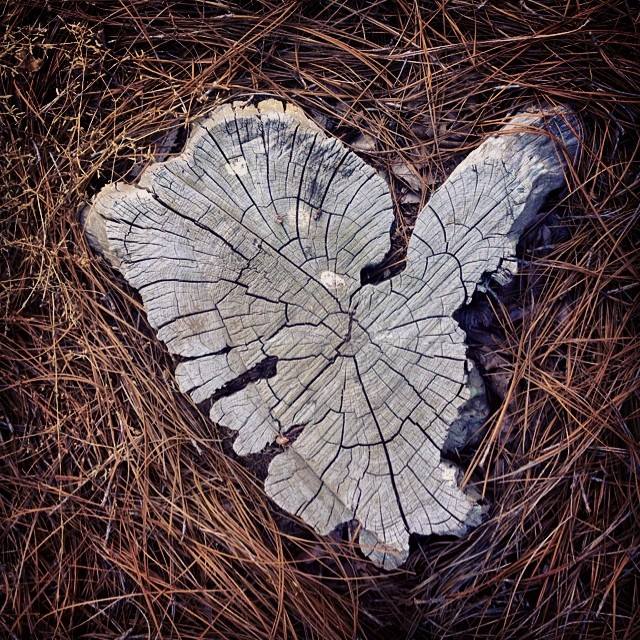
A friend and former teaching colleague of mine, Patti Hardee Donnelly, is a superb photographer whose work I’ve long admired. A small offshoot of her photography has been her finding small HEARTS in many forms in nature and in life. I am often surprised, frequently amused, and always delighted by what Patti comes across in her daily life. This summer she posted this beautiful picture of an old tree stump she came across very early one morning on her daily run. I was mesmerized by the beauty of it, the color and texture and most of all by the image I saw within the heart. I know that if I had been walking that path that morning, I would have totally missed this beautiful creation of nature.

Thank you, Patti, for your amazing photo and talent. It immediately inspired me to write this poem, which is dedicated to you.

I’ve recorded an audio of me reading this poem. To hear it, simply click on the link below. It will take a few seconds before it begins.


Heartwood (photo by Patti Hardee Donnelly © 2014)


Heartwood
                        ~for Patti Hardee Donnelly


This heartwood is no more
Than a bit of grey crackling,
More a silvered wood fungus

Than what was once the lifeline
Of a tree, an umbilical hotline
From the sun to the leaves

Down to roots fastened in earth.
Now this aging heart of wood
Reveals elegant scalloped wings,

An angel dancing, a floor
Made of rough pine straw
Softening her delicate steps.

In the silence of morning,
I glimpsed an angel,
But you found her heart.


Back to Edinburgh

Back to Edinburgh
 Here is my reading of the poem, Back to Edinburgh:


 Back to Edinburgh

We walk through the hidden streets of this city,
The second day of spring and the wind gusts hard.
People stop and wince, cupping their ears for warmth.
The news said blustery winds up to 25 mph,
And
it feels as if we might tumble down the street.

Looking for simple woolen hats to pull down
Over our frigid heads, we stop at a Royal Mile shop. 

I select gray, and you opt for black. I am grateful
That your good felt hat is safe back at the hotel.

The street is so rich in history that it feels as if
It could reach out and grab us by the arms,
Pulling us down a small wynd or narrow close
That has
 a story to share,

And in the late afternoon gloaming,
We might be wind swept and turned around
Into some other time.

It could happen you know.