Some Thoughts on Turning to Myth: Looking back at “The First Lamentation of Demeter ~ (Poetry and Myth)”

A Note to My Readers:

Here it is January 2026. My blog has been quiet this year for a number of reasons too long to list.  But the most obvious reason is that of a block or mental ‘resistance’ to writing. Last year in 2024,  I turned to sharing a few older poems of mine that I love. It was a good reminder to me of why I loved writing.

Today, WordPress showed me my latest stats. I rarely look at these anymore, but one thing I notice each time I see an update is that some of the poems I wrote relating to classical myths seem to be accessed the most. I wonder if, in this sad and tumultuous world and country (mine being the USA), we turn to mythology to find answers to timeless questions that appear and reappear over a lifetime. Who are we and why are we here? What is it we are looking for? What really matters? I am now 79.  Those questions and many more have come up time and time again, and the answers have been quite varied over eight decades. What do you, dear reader, think? Why do we cling to myths and tales from long ago and from cultures we know only though history books, literature or art? I’d love to know what you think.

To honor some of these poems, I’m going to post my two Lamentations of Demeter, one at a time. To save some work, I’ll post the whole original poet from my blog. I hope you find some meaning in each of them or perhaps a way to think of something beyond our wild world of today.


 British Museum GR 1885.3-16.1 (Terracotta C 529), AN34724001

British Museum GR 1885.3-16.1 (Terracotta C 529), AN34724001


Here is the original 2014 posting:

.

I’ve been looking over my writing notebooks written a while back but unread by anyone other than myself or my husband. The myths of Demeter and her daughter, Persephone, fascinate many including me. For a number of reasons these myths seem to appeal especially to women. Many of the great living women poets have written brilliant poems about Persephone (e.g., Louise Glück and Eavan Boland). The story is timeless.

.

In today’s poem I’ve written a Lamentation of Demeter. Demeter, the goddess of the harvest and grains, is often referred to as the mother-goddess since she represents fertility on earth. Her importance is indisputable. When she mourns for her missing daughter, Persephone (who has been abducted by Hades and taken down into the underworld by force) the seasons stop. Things stop growing and the earth begins to die before Persephone’s father, Zeus, intervenes.  You know the story, but it is worth re-reading if you haven’t read any mythology for a while.
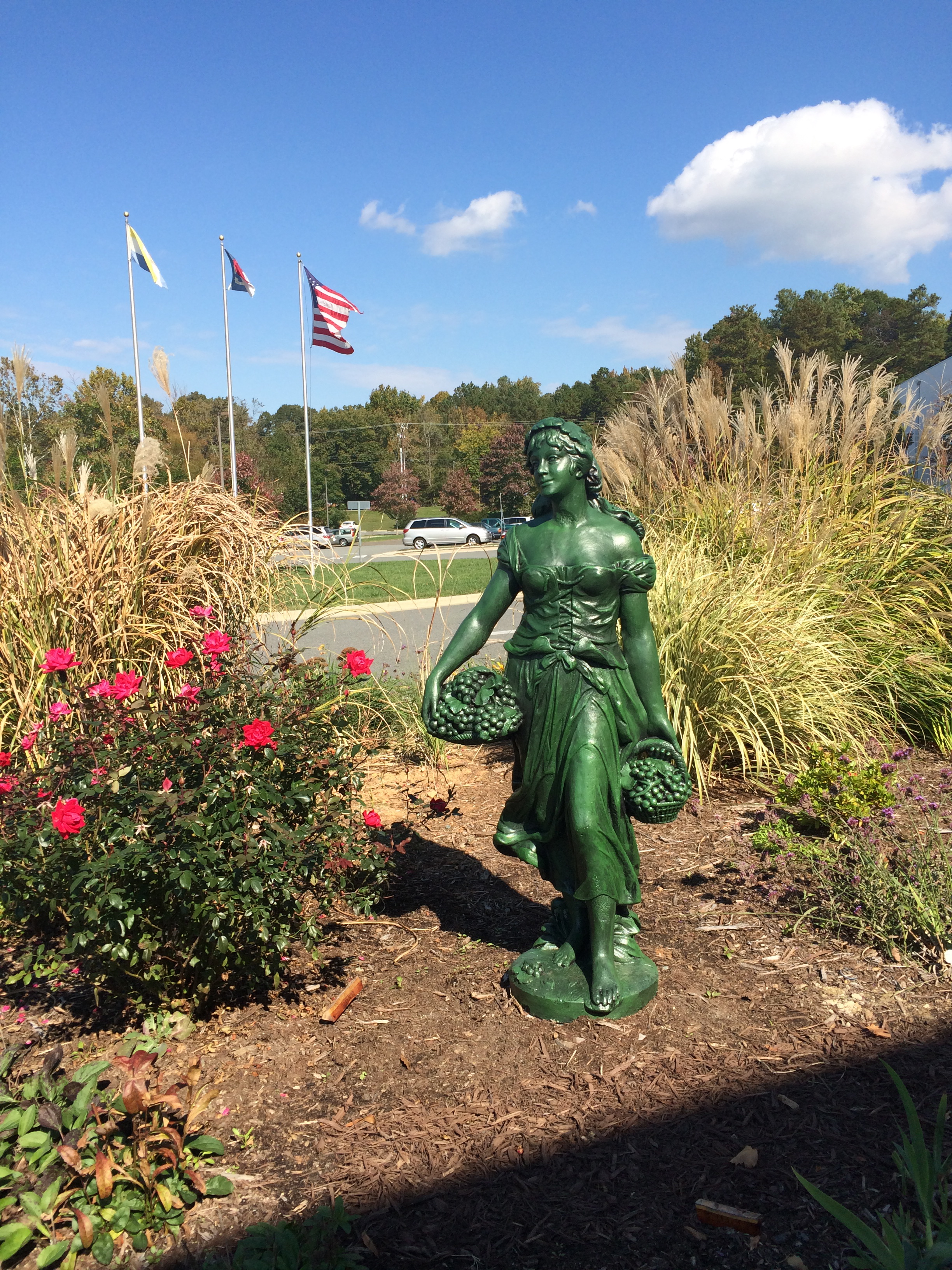
Demeter statue in front of my gym in Hillsborough, North Carolina

Demeter statue in front of my gym in Hillsborough, North Carolina

.

So what is a lamentation? The Oxford English Dictionary defines it simply: “The passionate expression of grief or sorrow; weeping.” Anyone who has grieved knows instinctively what it is to lament the loss of someone who is dearly loved. The feeling is painful and deep, and I think this resonates within us all. Demeter mourned her daughter’s abduction to a point where the earth nearly perished. This poem begins with her not yet knowing all that has happened. I picture her as a mother desperate to know what has happened to her child.

.

This is one of two lamentations of Demeter I’ve written. The second will follow at some point.

Demeter

Demeter

.

To listen to an audio recording of me reading this poem, click on the link below and wait a few seconds for it to begin:

.

.

The First Lamentation of Demeter

.

How is it that I don’t know where she has gone?

        I warned her.

I told her time and time again not to trust them,
that there were those who so longed for her
they would stop at nothing.

        And who was right?

Like all girls her age, she could be headstrong,
believing her own mother too old
to understand those yearnings.

         I warned her.

Last night I watched the dog star rise up.
Its magnificent beams were like beacons
that might lead me to my lost child.

        Why is it the stars are silent?

O, Sirius, your brilliant rays reach down
to us and yet your silence is puzzling.
Surely you saw where she went, my only child.

        Will no one tell me where my Persephone has gone?

.

.

Grief-Statue

A tiny fawn, dead… (Ukraine tanka)

Published in Kokaku, Summer/Fall 2022

~

a tiny fawn dead
by the side of the road –
I close my eyes & imagine
all those children lost
in Ukraine strikes

~

candlelight-gc591e5c78_1280

Image by meineresterampe from Pixabay

So many bodies in Bucha…


This is the first of two tanka published in:


Gusts No. 36 Contemporary Tanka  
fall/winter 2022


so many bodies in Bucha,
even more mass graves
are dug and quickly filled
. . . no mourners, no prayers
at the gravesite today


ukraine-gc49e105c4_640

We turn away…(tanka)


This tanka was published in Hedgerow, a journal of small poems ~ #130, Winter 2020


we turn away

from all we just can’t face—

the glistening red

of a vulture’s head

emerges from a carcass


Poet’s note:

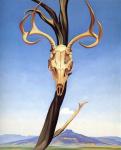
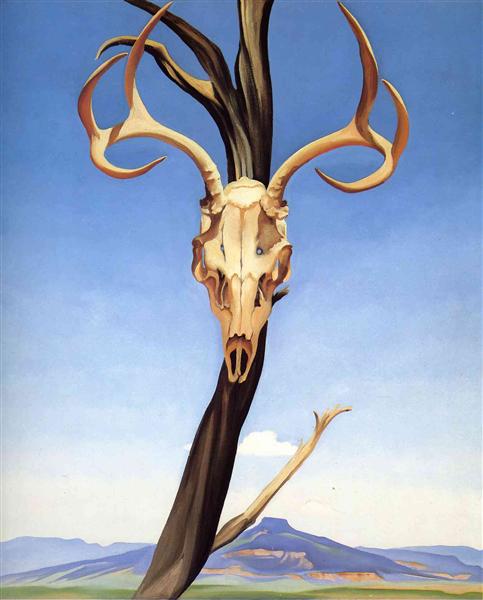
Out of decay comes art and beauty. Look what artist Georgia O’Keefe created from a skull found where she lived in New Mexico. All is part of nature and is nature.


Deer’s Skull with Pedernal by Georgia O’Keefe (c) 1936


Where I live in central North Carolina, we have plenty of black vultures and turkey vultures. They circle and gather in the sky when there is carrion to be had. I chose this topic for the tanka because it’s a scene I’ve seen more than once. Yes, it’s not a pretty sight. Vultures, especially when eating a dead animal or gathering in a group in a tree or abandoned house do give you shivers. Something in us seems to respond with at least a momentary revulsion. However, I’m a bird lover and I try to see how a specific species fits into the scheme of things. Vultures and crows do eat carrion, the flesh of dead animals, often of roadkill along our roads and streets. They perform a good service by eating their meal and cleaning the mess up. Imagine all those dead animals left to rot. So these birds help us as they go about their business (albeit unpleasant business to us). They are birds we should appreciate for their useful role in nature. They also offer us a wonderful metaphor.

My thanks to editor, Caroline Skanne for being the one editor who chose to publish this poem. 

Snow melt (haiku)


The Heron’s Nest
Volume XXII, Number 1: March 2020


snow melt

a trickle of caribou

comes to an end


Widowhood


Published in FROGPOND, Volume 43:1, Winter 2020:


widowhood

day blurs into evening

into night . . .


This poem is dedicated to my dear sister-in-law, Paulett Brylinski, who lost her beloved husband, Jimmy, in December 2017. Watching her learn to cope and live with grief has taught me so much about courage and love.


Woods Hole, MA – 3/30/14


War memorial (a haiku)

As Memorial Day approaches, thoughts of all who have sacrificed for our country come to mind. There have been so many wars, so many skirmishes, so many of our service people posted to regions far away from their homeland. The work they do in times of war or in conflict is something that requires a level of courage I don’t have. Yet we can all pay them our deepest respects and honor those who have died as well as those who came home. They have made this country what it is.


This haiku was published in Frogpond 42.1, Winter 2019 (Haiku Society of North America)


war memorial

blue dragonflies

loop in tandem


Loneliness . . . (three tanka)

Blithe Spirit, Journal of the British Haiku Society,
Volume 28 Number 4, November 2018


Three tanka were published in Blithe Spirit this past November:


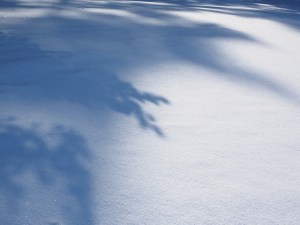
 Snow Landscape by Hans Braxmeier


winter woodland

bereft of birdsong 

           with your passing 

even clear days

are shadowed


Photo by Frantisek Krejci


together so long

we seem to finish

one another’s  sentences,

fluent in the pauses

of each other’s mind


Universe by Gerd Altmann


loneliness

comes and goes,

dancing around

my mind

with two left feet


Frayed feathers . . . (a haiku)


Acorn: A Journal of Contemporary Haiku (issue 41), October 2018:


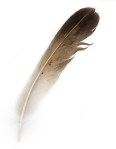
frayed feathers
beneath the dogwood tree


silence

bird-feather-13486506267nW


A wash of deep blue . . . (haiku)

This poem was selected as an Editor’s Choice (EC) – Haiku in cattails by Geethanjali Rajan, haiku editor of this journal, whose comments are given here:


Screen Shot 2017-10-14 at 4.02.35 PM

Published: cattails: The Official Journal of the United Haiku and Tanka Society October 2017 Issue


The pale twilight


pale twilight 2.png


Tanka by Mary Kendall (c) 2017

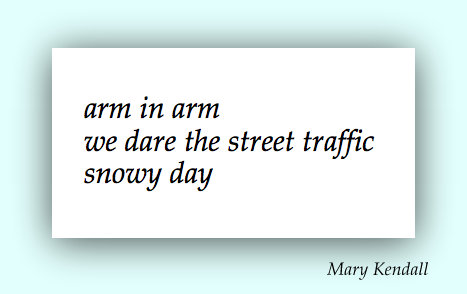
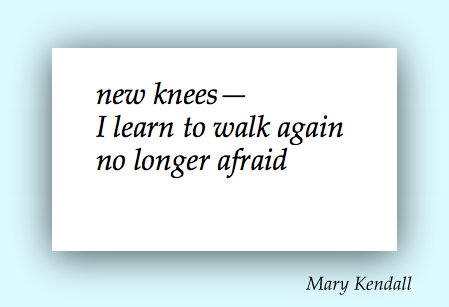
Arm in arm . . . (3 senryu/haiku)

These senryu/haiku were published in the October (2017) issue of Brass Bell, a haiku journal. The theme: Body haiku


arm in armin hospicenew knees


Link to Brass Bell, the journal:  http://brassbellhaiku.blogspot.com

hospice…

The Heron’s Nest, Volume XVIII, Number 2: June 2016


1-hospice haiku


Poem: On Viewing a Skull Painting by Georgia O’Keefe

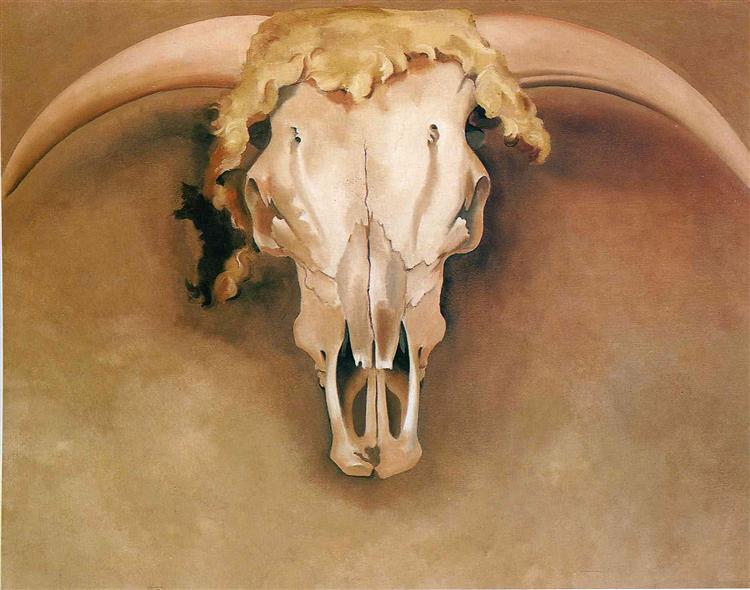
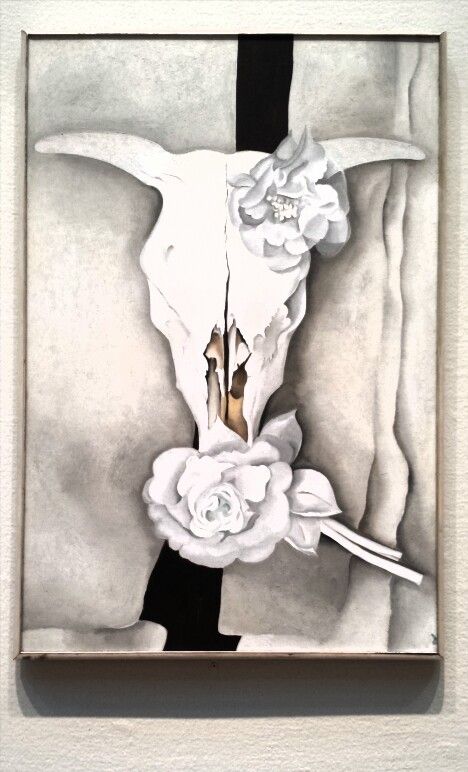
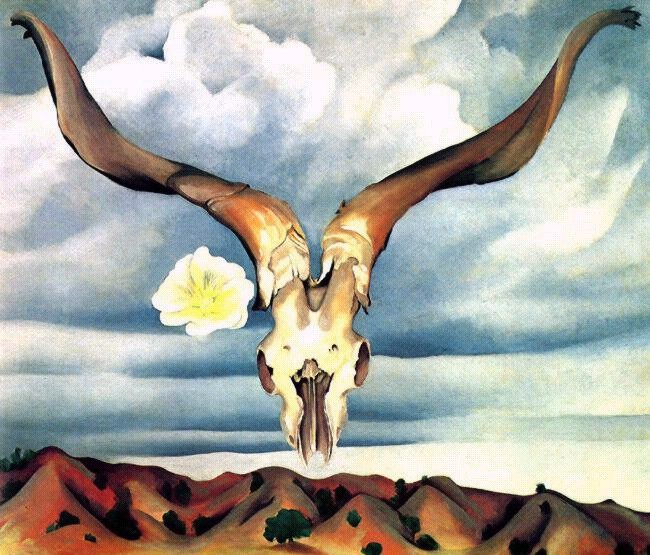
I love Georgia O’Keefe’s quirky paintings and perspective.  She did a lot of work using skulls, which seems quite natural. New Mexico must yield all sorts of bones in the mountains and deserts. Just as she studied and painted flowers, so she did the same with animal bones and skulls. She was very prolific in her work, painting a skull or pelvis in many views, often accompanied by a flower or other desert item. Many didn’t like her bone paintings, but that didn’t deter her in the slightest. Even her husband, photographer Alfred Stieglitz, was initially critical of them. He later relented, as did most critics. To find beauty in death and decomposition and to create art that is somehow mesmerizing and thoughtful is quite an accomplishment.

This poem is from my chapbook (Erasing the Doubt (c) 2015, Finishing Line Press). It is hidden amongst just a few of these wonderful paintings.

okeefe and skull

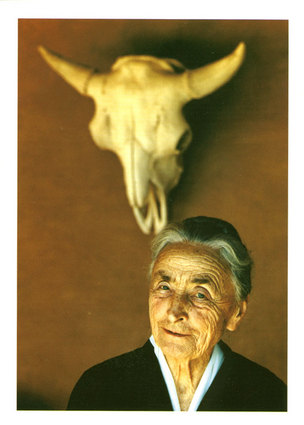
Georgia O’Keefe and cow skull


bob-steer-head.jpg!Large

Bob’s Steer Head by Georgia O’Keefe (c) 1936

Cow's Skull with Roses

Cow’s Skull with Calico Roses by Georgia O’Keefe (c) 1931


On Viewing a Skull Painting by Georgia O’Keeffe


  1. The Artist’s View of the Skull as Form


The sinuous curve
hollowed circle
smooth chalky bone
worn smooth, it goes
beyond the form
behind the slow dip
of the arching eye
twisting and curving
back on itself


2. The Skull’s Perspective


At first it all felt wrong,
reversed, bent forward
in a geometric embrace
of mass and space,
the brush stroke
through the hollow eye
that will never see,
beyond to the delicate shell
of the brain
that will never again think,
moving slowly
into that shadow of light
the sky insinuates itself in color
and it is there
that you alone can wander,
deep inside the form that is me


Georgia O'Keeffe, Ram's Skull with Hollyhock, in 1935

Georgia O’Keeffe, Ram’s Skull with Hollyhock, (c) 1935

deers-skull-with-pedernal.jpg!Large

Deer’s Skull with Pedernal by Georgia O’Keefe (c) 1936


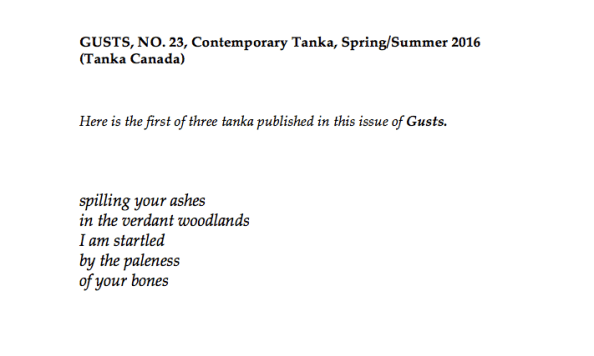
Gusts ~ Tanka #1

Gusts Summer 2016


I’ve had the good fortune to have three of my tanka published in the latest issue of GUSTS,
NO. 23, Contemporary Tanka, Spring/Summer 2016 (Tanka Canada). This is the first time my work has appeared in this beautiful poetry journal, and I’m most grateful to the editor, Kozue Uzawa.

I’ve decided to post each tanka separately here on my blog.

Screen Shot 2016-04-15 at 12.01.34 PM


Brushing Your Hair

1-IMG_1141


Brushing Your Hair

In the last month you ask me a favor.
Will I brush your hair when you have passed?
You seem to want to greet whatever comes
looking your best. I give my promise.

Each day when I come home, I offer
to brush your hair, but you say no,
maintaining the independence
you have always shown.

Later, in hospice, I no longer ask.
I hold your hands, rubbing lotion in,
skin so fragile, like a butterfly wing.
It is time now to make the last ablutions.

I clean your face and brush your hair,
your sleeping eyes flicker
under paper-thin lids, pale blue veins
tracing their course across them.

I imagine your mother tenderly holding you,
stroking your cheek, watching you dream
in her arms—her newborn daughter
with milky breath.

Ninety-one years separate us, your two watchers.
One joyously bringing you into the world;
the other sitting silently in the dim-lit room,
keeping watch over you through the night.          


1-IMG_1133


The poem, “Brushing Your Hair” is from my chapbook, Erasing the Doubt (c) 2015, Finishing Line Press.


fallen petals… (haiga)

My Mother's Voice haiga

Blood Moon (Tanka)

Blood Moon Tanka

A plea for ending hatred:

This week the news was filled with the grand and rare beauty of the appearance of a Blood Moon eclipse and the absolute horror and non-sensical murder of Christian students in Kenya by Islamic fanatics. When, oh, when will the world stop hating?

“Early Thursday five shooters from the Somali-based al-Shabaab terrorist organization swept through a university in the Kenyan town of Garissa, shooting Christian students. They knew who to kill because they ordered students to recite an Islamic prayer. Those who could were spared. Those who could not were shot dead, about 147 so far. Police killed four of the terrorists and captured the fifth.”    (from the Wall Street Journal)

Note: This beautiful photograph of the Blood Moon is not mine. I found it through a google search, but it’s exact origin is unknown. I thank the photographer whoever he or she is for creating such a beautiful capture of this event.

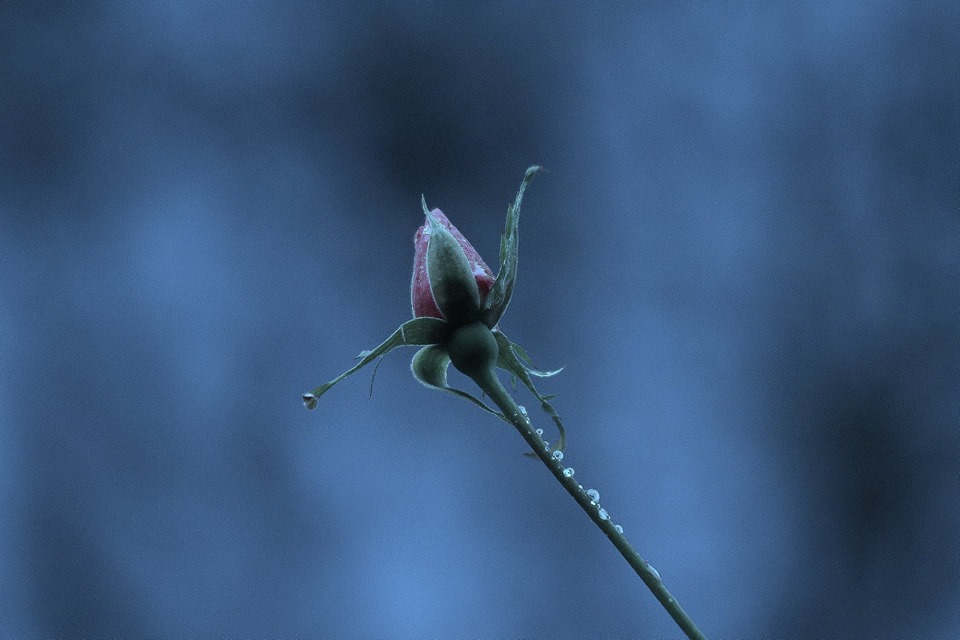
Frosted Rosebud

(Photograph © 2014 by Harald Illsinger)

(Photograph © 2014 by Harald Illsinger)

Frosted rosebud
caught in the night,

Awakening to the fog
of a December dawn.

This sweet pale rosebud
delicately iced over,

Thin slick of frost
lightly brushed on

As if an angel chose
to paint, capturing

The morning’s canvas
where season changes        

To season, autumn
turning into winter,

Short days giving in
to long nights of silence

As your fragile calyx
gives you up to the day.


old_pocket_watch_buried_1774093Many thanks to photographer Harald Illsinger for allowing me to use his beautiful photograph, ‘Frosty Morning,’ (c) 2014)

The End of Autumn

Red Leaves

                                                                                     “In my End is my Beginning”

The End of Autumn

How could we pass through autumn
without thinking about life.

Life and death.

Life and birth.

Birth and death.

The book ends of our existence
with pauses of space in between
waiting for us to write the chapters
that will fill the empty volume
that eventually defines a life.

Golden Leaves

These photos were taken by me at the Duke Hospice at The Meadowlands in Hillsborough, North Carolina. This hospice is set on an old farmstead in rural Orange county. The hospice and grounds are a wonderful gift to all who pass through.

Quotation embroidered by Mary, Queen of Scots

Quotation embroidered and worn by Mary, Queen of Scots

The First Lamentation of Demeter ~ (Poetry and Myth)

 British Museum GR 1885.3-16.1 (Terracotta C 529), AN34724001

British Museum GR 1885.3-16.1 (Terracotta C 529), AN34724001

I’ve been looking over my writing notebooks written a while back but unread by anyone other than myself or my husband. The myths of Demeter and her daughter, Persephone, fascinate many including me. For a number of reasons these myths seem to appeal especially to women. Many of the great living women poets have written brilliant poems about Persephone (e.g., Louise Glück and Eavan Boland). The story is timeless.

In today’s poem I’ve written a Lamentation of Demeter. Demeter, the goddess of the harvest and grains, is often referred to as the mother-goddess since she represents fertility on earth. Her importance is indisputable. When she mourns for her missing daughter, Persephone (who has been abducted by Hades and taken down into the underworld by force) the seasons stop. Things stop growing and the earth begins to die before Persephone’s father, Zeus, intervenes.  You know the story, but it is worth re-reading if you haven’t read any mythology for a while.

Demeter statue in front of my gym in Hillsborough, North Carolina

Demeter statue in front of my gym in Hillsborough, North Carolina

So what is a lamentation? The Oxford English Dictionary defines it simply: “The passionate expression of grief or sorrow; weeping.” Anyone who has grieved knows instinctively what it is to lament the loss of someone who is dearly loved. The feeling is painful and deep, and I think this resonates within us all. Demeter mourned her daughter’s abduction to a point where the earth nearly perished. This poem begins with her not yet knowing all that has happened. I picture her as a mother desperate to know what has happened to her child.

This is one of two lamentations of Demeter I’ve written. The second will follow at some point.

Demeter

Demeter

To listen to an audio recording of me reading this poem, click on the link below and wait a few seconds for it to begin:


The First Lamentation of Demeter

How is it that I don’t know where she has gone?

        I warned her.

I told her time and time again not to trust them,
that there were those who so longed for her
they would stop at nothing.

        And who was right?

Like all girls her age, she could be headstrong,
believing her own mother too old
to understand those yearnings.

         I warned her.

Last night I watched the dog star rise up.
Its magnificent beams were like beacons
that might lead me to my lost child.

        Why is it the stars are silent?

O, Sirius, your brilliant rays reach down
to us and yet your silence is puzzling.
Surely you saw where she went, my only child.

        Will no one tell me where my Persephone has gone?

Grief-Statue

Icarus I, poem by Mary Kendall (Mythic Poetry Series)


Click on the link below if you’d like to hear me reading this poem. Give it a few seconds to begin.

silverbirchpress's avatarSilver Birch Press

640px-Herbert_Draper_-_The_Lament_for_Icarus_-_Google_Art_Project
ICARUS I
by Mary Kendall

September was ready to slip into October
and autumn skies were filled with color

Clusters of clouds
suddenly dissolved
and let the sun peer through

I imagined you as Icarus taking a risk
and trying to fly high above your depression,

gliding for a while like a broad-winged hawk,
the cool air making you unaware

of just how close
to the sun
you flew

NOTE FROM THE AUTHOR: The story of Icarus has always fascinated me. I think as long as people have lived, some have always wished they could fly like the birds. There are so many beautiful paintings and drawings of this classic myth, but in my mind’s eye I see only the simple picture of water with a feather floating on it—a reminder of how easily a dream and a life can come to an end. My Icarus poems were written when…

View original post 187 more words