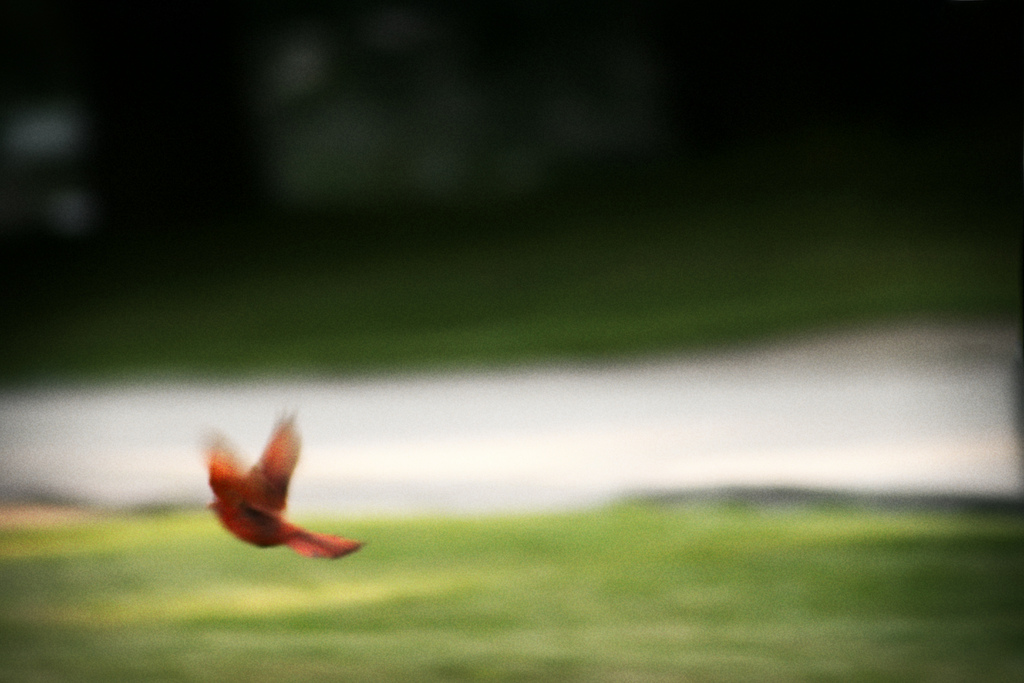
spring surprise—
     flooding the porch
with endless sweet songs
a spunky wren peeks
out of a hanging fern
This tanka was published in Ribbons, Spring/Summer 2026: Volume 22, Number 1 in “Tanka Hangout”
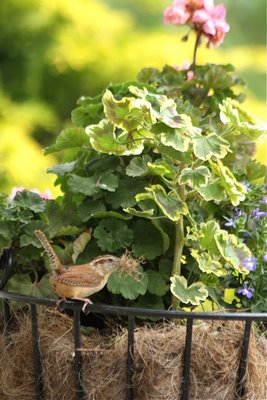
Photo by Julie Zickefoose on Blogspot

spring surprise—
flooding the porch
with endless sweet songs
a spunky wren peeks
out of a hanging fern
This tanka was published in Ribbons, Spring/Summer 2026: Volume 22, Number 1 in “Tanka Hangout”
Photo by Julie Zickefoose on Blogspot
This is an old poem that was originally posted in the early days of this blog, back in 2015. My writing lately has come to a standstill, but rereading things written a while ago is often a way to trigger a creative response. (Let’s hope it works.)
The poem was written when we were living in London for a spring term with university students who were studying abroad. Wonderful memories of that group who are now fully grown and probably leading interesting lives.
We live in Chapel Hill, North Carolina in a beautiful rural development that is filled with gardens and trees. Our single acre plot is divided into flowers, vegetables, invading weeds and cultivated trees. The back half of our acre is woodland and beyond that runs a small railroad track that is used for a daily single train that carries coal to the university nearby. Sounds are important. In winter we can hear a distant passenger train at night. In summer it’s blocked by all the greenery. Chapel Hill is truly verdant as is the nearby town of Hillsborough. Our trees are a mixture of hardwoods (oak, hickory, beech and evergreens (mostly loblolly pines but a few small cedars and hollies). Our beautiful Camellias bring winter color and our small (hand-dug) pond delights us with frogs serenading one another. Southern summers are never quiet. Katydids and Cicadas sing during the hottest part of the year, and all sorts of songbirds visit as we work in the garden or sit on the screened porch.
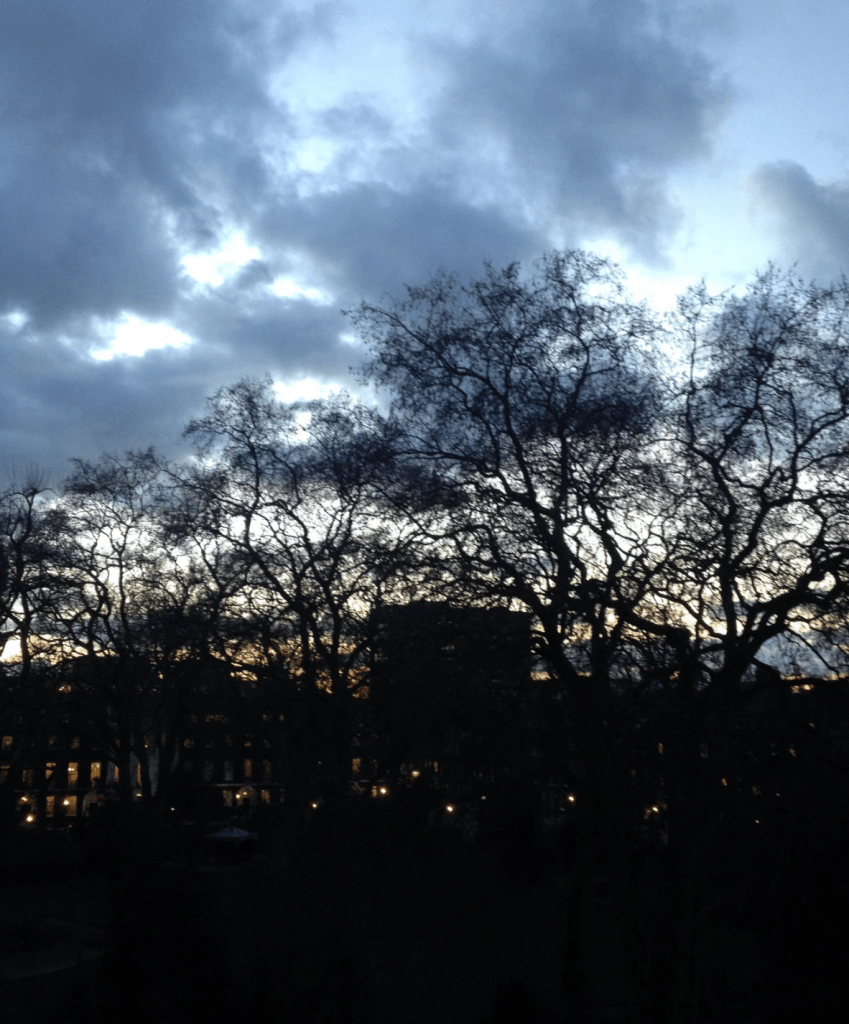
One of my favorite parts of living here is listening to the trees blow. Whether a storm is coming or not, the very tall trees have a life of their own as they blow and move. It is quite often a very sacred sound.
The trees today brought to mind this ten year old poem for me to reread (and now, to repost).
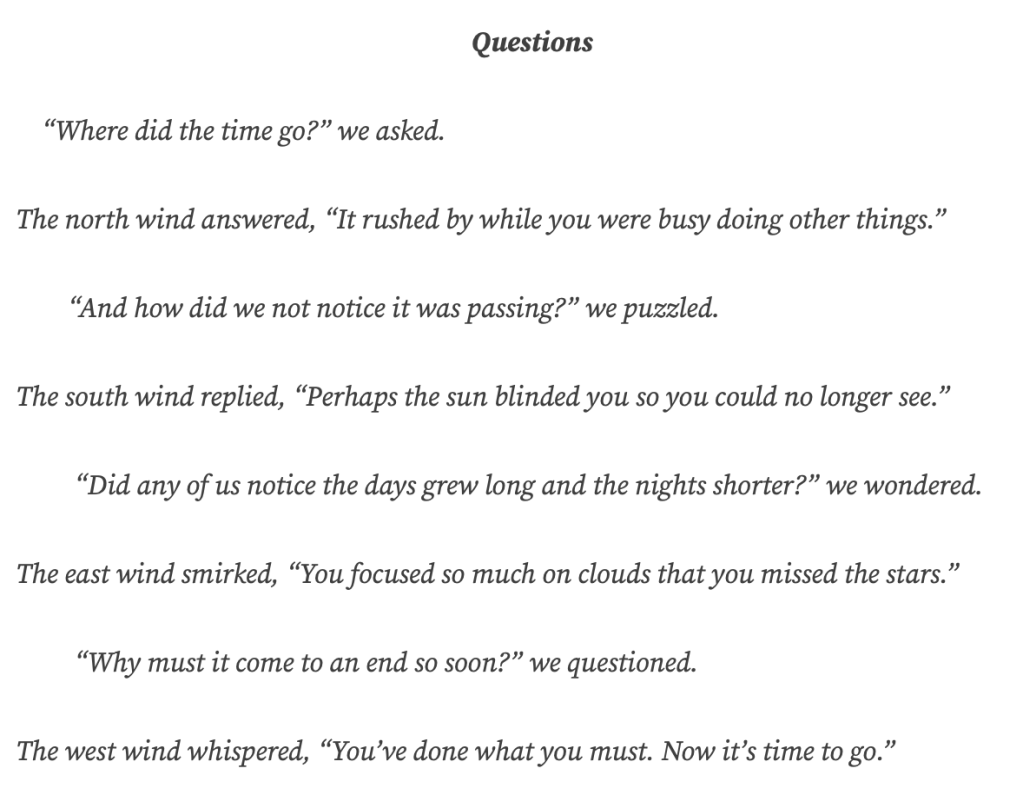

Questions was originally published on this blog on June 19, 2015.
Ten years ago and still the same questions arise.
I hope you enjoyed reading this “oldie” today.
Three tanka published last February in the lovely journal, GUSTS:
Gusts No. 38 Contemporary Tanka, Canada,
Fall/Winter 2024
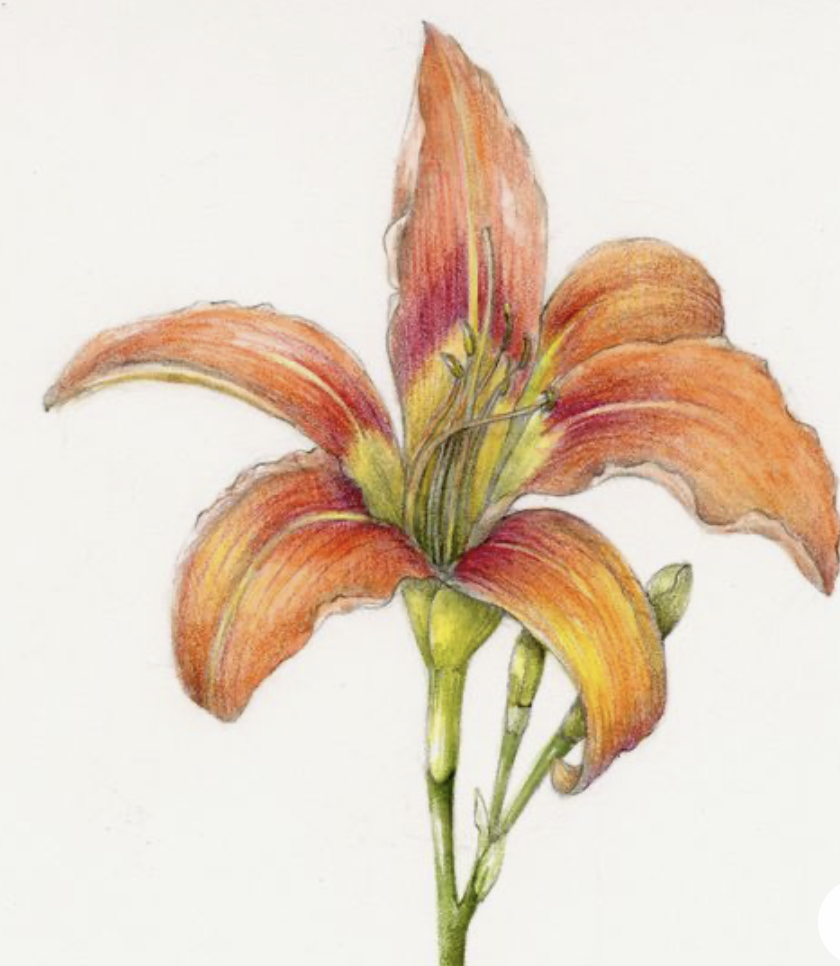
Compliments of “Draw Botanical”
a day lily blooms
for a single day
this brevity
a wonder to some,
unsettling to others

poor brown moth
trapped in a web
the more you flutter
the tighter those
fine strands pull
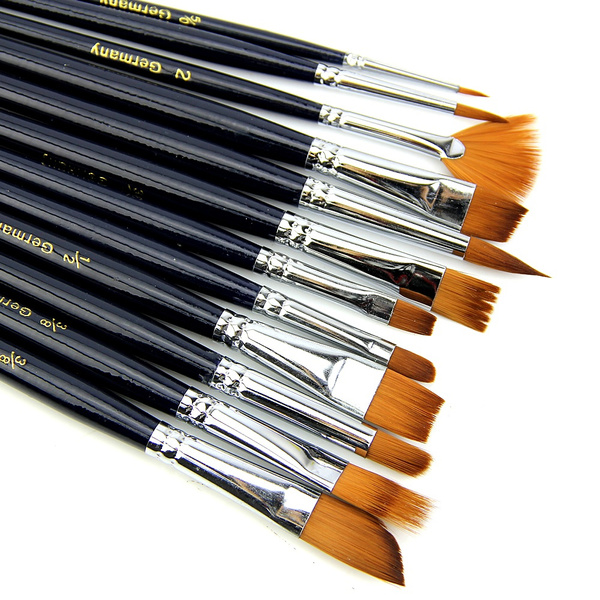
the art aisle holds
such soft sable brushes
wedge, round, pointed, flat
patiently waiting
to adorn my words
The lovely New Zealand journal, Kokaku, published two haiku and two tanka in their fall issue: Kokaku #37, 2022.
Kokaku #37, 2022
evening web –
the last plum blossom
caught fast
***
corner flower shop –
if only our lives were
arranged so well
***
quick twists and turns
of rutting deer ~
another season passes
adrift in colours
of passion and promise
***
This tanka appeared on my blog last month but was from this issue (37):
a tiny fawn dead
by the side of the road –
I close my eyes & imagine
all those children lost
in Ukraine strikes
***
~
once I welcomed
the darkening of winter
now I crave
the sweetness of honey,
the buzzing of bees
~

Photo: Medical News Today, August 29, 2018
Brass Bell June 2022
Theme: One line haiku
~ ~
~ ~


~ ~
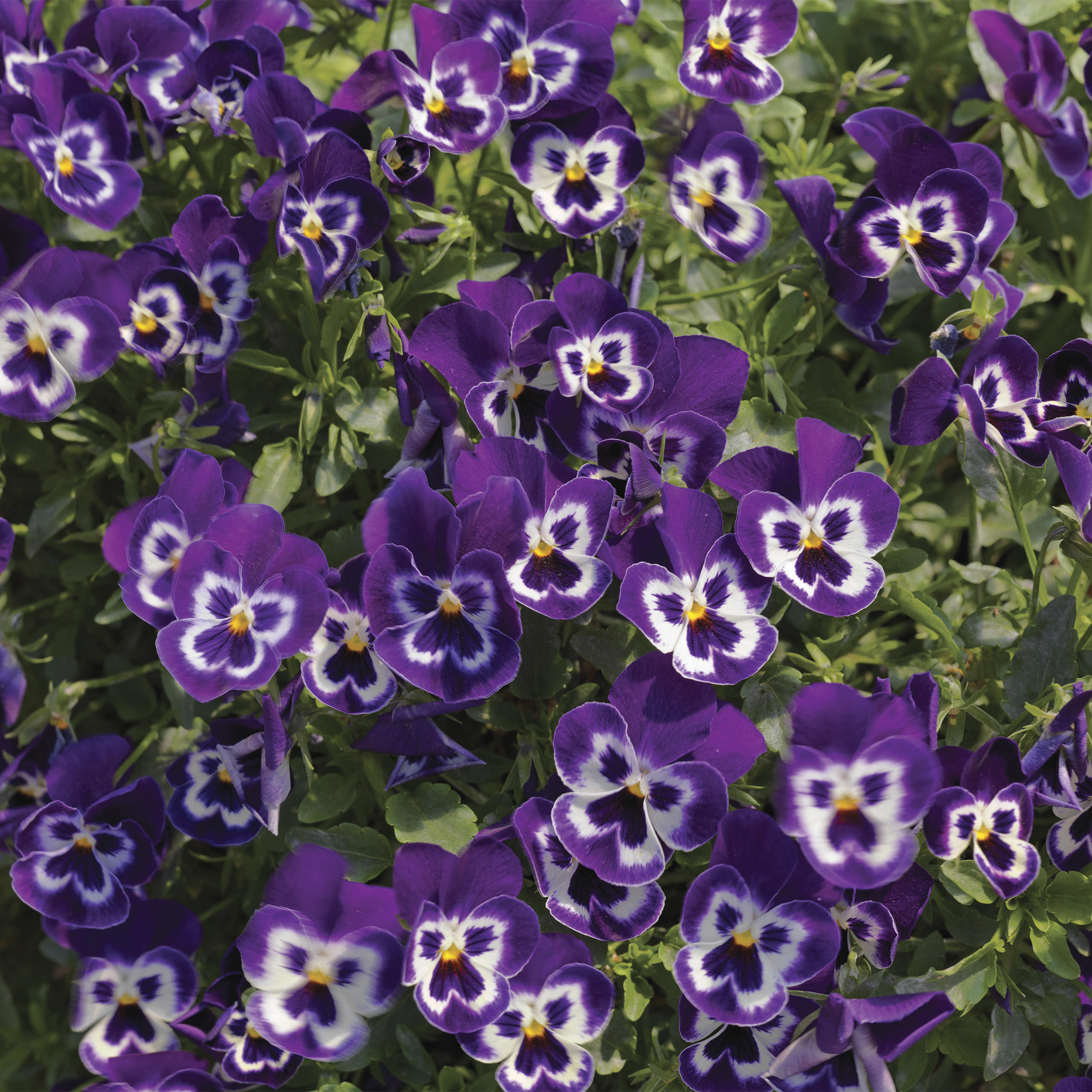
Note: All pansy pictures are taken from Pinterest. No specific photographers were listed.

Three poems (two haiku and one tanka) were published in the winter issue of Kokako, 2021. I have a real fondness for this journal because I love all things Kiwi. New Zealand is a beautiful country with such great people. They have a very active poetry community, and Kokako is a beautiful journal to be part of.
1.
snow drifts ~
the wild wind’s
last brief fling
2.
woodland colours
now grow pale
winter light
3.
arranging zinnias
in an old milk jug,
this pandemic silence
urges me to notice
the simplest things
Note: Photo of Zinnias (c) 2021 by Park Seeds
Redlights, Volume 17, No. 1, January 2021

Photography by Autumn Mott Rodeheaver
whirlwinds of scarlet
and ochre leaves
flit across the square –
days of self-isolation spent
learning to slow down
Presence Issue 68, November 2020
winter nights—
dreaming of blackbirds
on snow
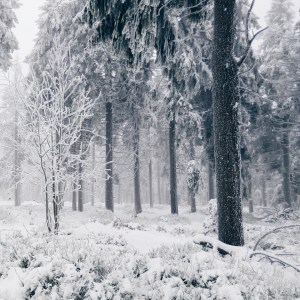
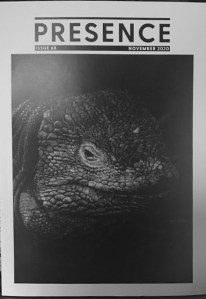
My thanks to the editors at Presence for publishing this haiku.
Here is the third of my three tanka published in the latest issue of Gusts no. 32, Fall/Winter 2020:
even the crows
are quiet now . . .
the sudden silence
that morning snow
brings
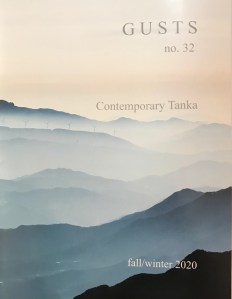
Here’s the second tanka published in
Gusts no. 32, Fall/Winter 2020
pale pink petals
scattered on the desk
one by one the days
of isolation pass,
each fading to nothing
Three tanka published in the winter edition of Gusts, Contemporary Tanka, the journal of Tanka Canada. It’s always a huge thrill to be included in this special journal of tanka. I’ll offer them one at a time.
Gusts no. 32, Fall/Winter 2020
lapis lazuli, delft blue
and French ultramarine . . .
the blueness of blue
in these tired veins
just won’t let go
The second of two tanka appearing Eucalypt: A Tanka Journal,
Issue 28, 2020
sea glass in cerulean,
aqua and seafoam green
wash up in the morning tide,
mysteries I gently place
in this pail of dreams

sleepless—
I turn and watch
the moon watch me
Acorn: A Journal of Contemporary Haiku, #44, Spring 2020 issue
This tanka was published in Hedgerow, a journal of small poems ~ #130, Winter 2020
we turn away
from all we just can’t face—
the glistening red
of a vulture’s head
emerges from a carcass
Poet’s note:
Out of decay comes art and beauty. Look what artist Georgia O’Keefe created from a skull found where she lived in New Mexico. All is part of nature and is nature.
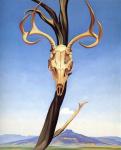
Deer’s Skull with Pedernal by Georgia O’Keefe (c) 1936
Where I live in central North Carolina, we have plenty of black vultures and turkey vultures. They circle and gather in the sky when there is carrion to be had. I chose this topic for the tanka because it’s a scene I’ve seen more than once. Yes, it’s not a pretty sight. Vultures, especially when eating a dead animal or gathering in a group in a tree or abandoned house do give you shivers. Something in us seems to respond with at least a momentary revulsion. However, I’m a bird lover and I try to see how a specific species fits into the scheme of things. Vultures and crows do eat carrion, the flesh of dead animals, often of roadkill along our roads and streets. They perform a good service by eating their meal and cleaning the mess up. Imagine all those dead animals left to rot. So these birds help us as they go about their business (albeit unpleasant business to us). They are birds we should appreciate for their useful role in nature. They also offer us a wonderful metaphor.
My thanks to editor, Caroline Skanne for being the one editor who chose to publish this poem.
Synesthesia in haiku ~
This haiku was recently published in Hedgerow, a journal of small poems ~ #130, Winter 2020
spring…
hearing green
and only green

Haru = Spring
The Heron’s Nest
Volume XXII, Number 1: March 2020
snow melt
a trickle of caribou
comes to an end
One haiku and one tanka were published in Presence, Issue #65, 2019
cat’s tongue
the shallow rasp
of a scar
* * *
tree bark
kissed by wind—
out of the blue
a memory of you
appears
Three tanka were published in the last issue of
Gusts, Contemporary Tanka No. 30, Fall/Winter 2019
as Geminids flit by
in the inky darkness
I pull your jacket tight
around myself
. . . all I have left
∼ ∼ ∼
ripeness
bears its own burden . . .
fragrant peaches
dangle low
bruises a breath away
∼ ∼ ∼
in old growth grass
a newborn fawn
wobbles on spindly legs –
a sure reminder
how brief a season is
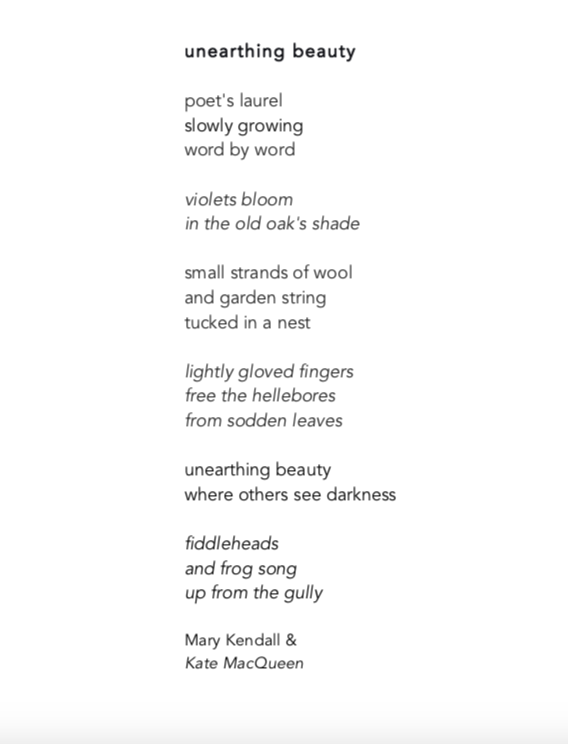
My deepest thanks to Kate MacQueen for writing this rengay with me. It was a wonderful and illuminating experience to write with Kate. Kate’s verses are #2, 4, 6 (italicized) and mine are #1, 3, 5.
This rengay was published in Vines #3, part of the publication hedgerow edited by Caroline Skanne.

Note: for readers not acquainted with rengay, here is a definition from “Graceguts” by Michael Dylan Welch:
“Garry Gay invented a renga alternative in the summer of 1992: the “rengay.”
“The rengay is a collaborative six-verse linked thematic poem written by two or three poets using alternating three-line and two-line haiku or haiku-like stanzas in a regular pattern. The pattern for two people is A-3, B-2, A-3, B-3, A-2, B-3, with the letters representing the poets, and the numbers indicating the number of lines in each given verse.”
Presence Issue #62, 2018
scraping ice ferns
off the windows
of our old jalopy –
such fragile beauty
soon pushed aside

Photo by eddy on ‘Unsplash’
1.
how many times
can a stone skip
before sinking . . .
deep in my breast
a small lump appears

Unsplash by Linus Nylund
2.
no second guessing a kingfisher’s straight dive
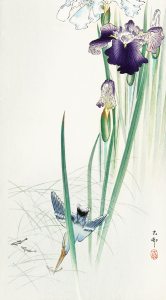
Kingfisher and Irises by-Ohara Koson, The Rijksmuseum, Amsterdam, Holland.
3.
leaves turning –
an old friendship
ends
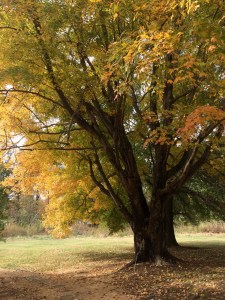
Golden Tree by Mary Kendall
ephemerae,
an international of haikai, tanka & beyond
Volume 1, C: November 2018
My thanks to Shrikaanth Krishnamurthy for publishing two of my haiku and one tanka in the November issue of ephemerae.
Acorn: A Journal of Contemporary Haiku (issue 41), October 2018:
frayed feathers
beneath the dogwood tree
silence
cattails, October 2018 Issue
The Official Journal of the United Haiku and Tanka Society
black swan
the beauty
in difference
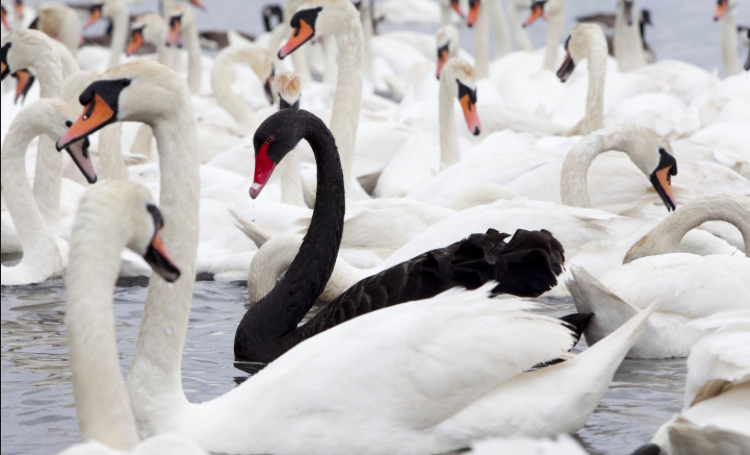
Credit:Bournemouth News / Rex Features
I urge all of you to read the full issue of cattails, which you can download as a pdf here: http://cattailsjournal.com/currentissue.html
failed haiku: A Journal of English Senryu, Volume 3, Issue 32
one haiku:
chopping carrots –
with each decisive cut
I think of you
and two pieces of tankart:
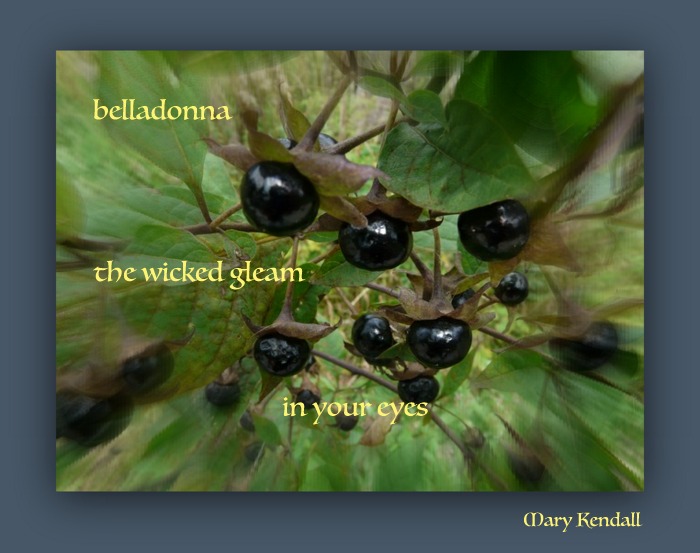
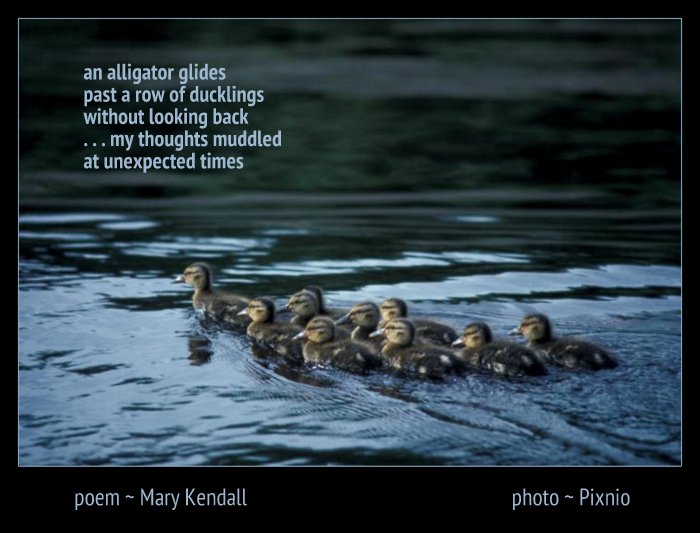
Haiku and Tankart are by Mary Kendall, (c) 2018

Redlights, June 2018:
a newborn fawn
hidden in tall grasses,
with breath so soft
not even a dandelion
stirs
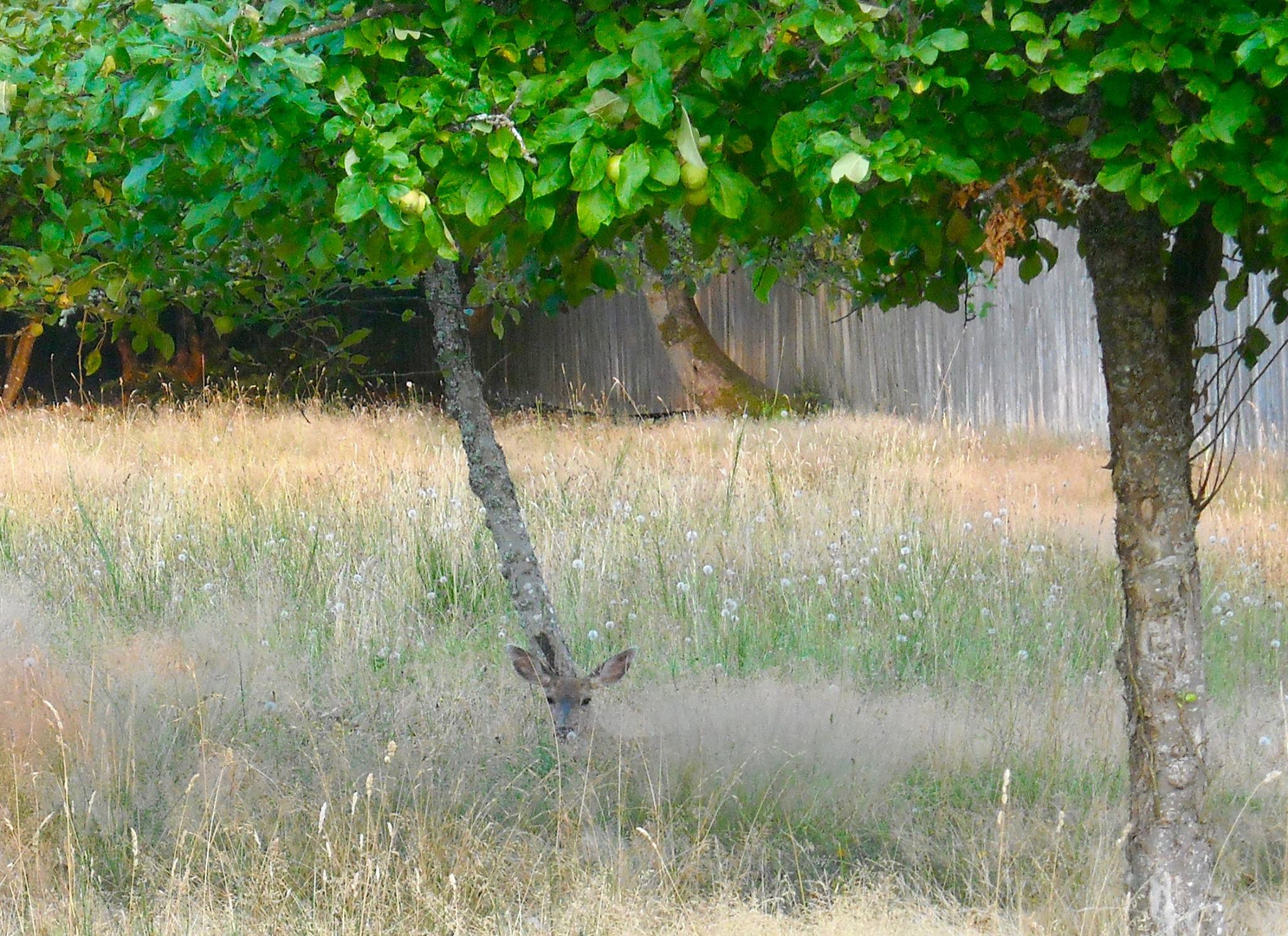
Photograph by Carmen Sterba Russell (used with her permission) (c) 2018
Prune Juice, Journal of Senryu, Kyoka, Haibun & Haiga, Issue, 24, Spring 2018:
two senryu and one kyoka published
pulling a single
strand of silken thread …
her undoing
…
sipping skinny lattés
they march against
world hunger
…
a slight limp
on cold and rainy days
how easy it is
to fall out of step
with myself
Orb Weaver Web / Photo by Robert Potts/Getty Images
Published in Prune Juice, Journal of Senryu, Kyoka, Haibun & Haiga, Issue, 24, Spring 2018
Gusts, no. 27, Contemporary Tanka (Canada)
spring/summer 2018
heart fluttering
and eyes closed tight –
it was as if you knew
the swallows had flown
away again
shipwreck spoils
wash back and forth
upon the tide –
notes from other lives
left in sea glass shards
Both tanka (c) 2018, Mary Kendall
The poem, “Flying Against the Wind” is the final poem in my chapbook, Erasing the Doubt, (c) 2015, Finishing Line Press. (The book is available for purchase from Finishing Line Press.)
Flying Against the Wind
Your thoughts drifted out to sea—riding on the wind
like wisps of breath lost on a freezing day.
.
With only the lighthouse for company and water all around,your steady feet were planted firmly on the point.
You looked as if you were an island isolated from the world,
but you were not.
The chill March air made even you feel cold.
You pulled the flapping wings of your jacket closed,
zipped it, and slid your hands deep inside the pockets.
Except for this, you never moved.
You stood there looking at the sea that went on forever,
searching the horizon for clues where it might end.
The wind stung your eyes as waves conjured up whitecaps,
then swept them away like mermaids lost and turned to foam
while currents pulled together and then apart.
A fierce gust blew through your bones, trying to topple you,
but you stood fast. Even sea birds hid behind steep cliffs,
not daring to fly against the wind.
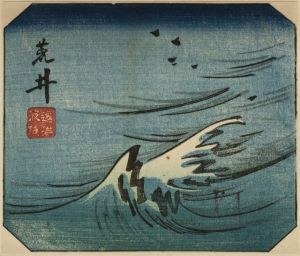
“Arai: Whitecaps on the Ocean (Arai—Enkai hato),” c. 1848-1849, by Utagawa Hiroshige I

Note: This beautiful owl drawing appears on Pinterest, but I was unable to trace it to a specific artist. I am grateful to the unknown artist for putting this lovely piece ‘out there’ for others to view and use.
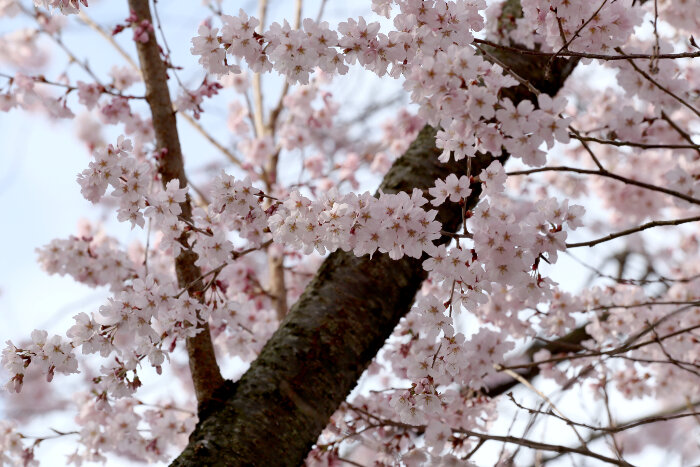
Vancouver Cherry Blossom Festival
2017 Haiku Invitational Winners
USA
Honourable Mentions
spent blossoms—
the remission, too,
was unexpected
.
Mary Kendall
Chapel Hill, North Carolina
To view all the winners and honorable mentions, please click on this link to go to the official website:
http://www.vcbf.ca/haiku-invitational/winning-haiku/2017-winning-haiku
Note: The beautiful picture of cherry blossoms (above) is taken from the website, Flower Meaning (http://www.flowermeaning.com). Also, from this website:
What is the Sakura Flower?
While the Japanese called this flower the sakura, you likely know it as the cherry blossom instead. The blossom of the Japanese Cherry, also known as the Prunus serrulata, is technically the sakura flower. However, other varieties of blooming cherries are also grown in Japan and referred to with the same name. The cherry blossom became so popular in the Heian era of Japan’s history that the word for flower became synonymous with sakura. People have been picnicking under the blooming trees since 700 A.D., a tradition that continues today.

The beautiful and very short lived cherry blossoms symbolize the brevity of life. The kanji (above) is for Sakura or cherry blossom. I think the kanji is just as beautiful by itself as is a single cherry blossom.
The September issue of Brass Bell, curated by Zee Zehava, had a prompt/theme of “water.” I was fortunate to have three haiku selected for publication (two one liners and one traditional three line haiku). I hope you will visit the site for Brass Bell and enjoy all the excellent haiku written to this theme. The link is given below.
her waters broken the beginning of the beginning
what was hidden now emerges water lillies
near the cattails —
two white egrets
lost in reflection

Photograph by Max Pixel http://maxpixel.freegreatpicture.com
Note: These haiku were published in the September (2017) issue of Brass Bell, a haiku journal. The poet is Mary Kendall (c) 2017.
Link to the journal: http://brassbellhaiku.blogspot.com
Luna moth
this brief life
soon eclipsed
~Mary Kendall~
Published in Presence Issue 58, July 2017
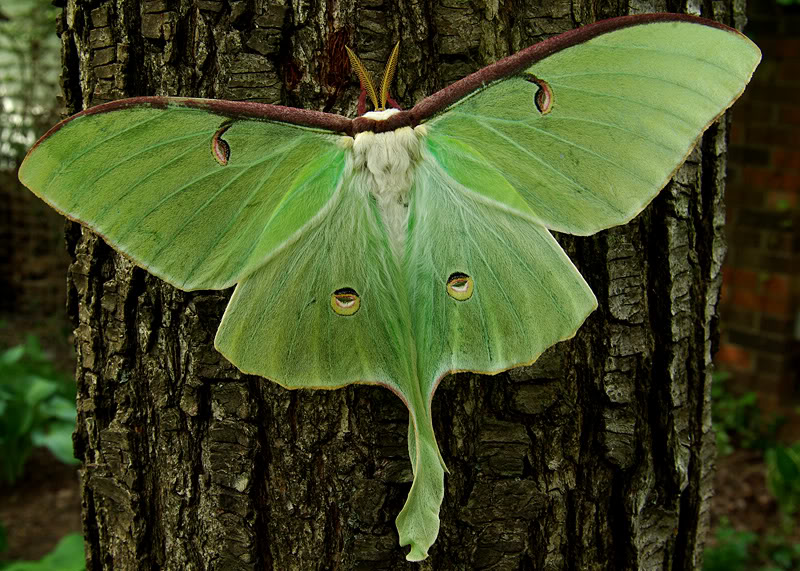
Luna Moth, photographer unknown
staring skyward
at the meteor shower
I brush away two fireflies–
a sudden glint
of new found love
~ Mary Kendall
Presence, Issue 58, July 2017
My thanks to the editors of Presence for publishing this tanka.
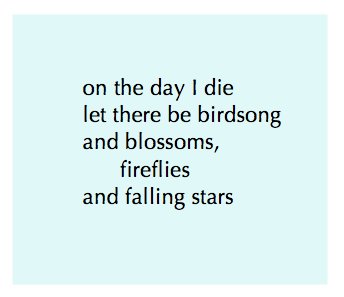
This tanka was published in the Tanka Café in Ribbons Spring/Summer 2017: Volume 13, Number 2. The Tanka Café theme was nature.
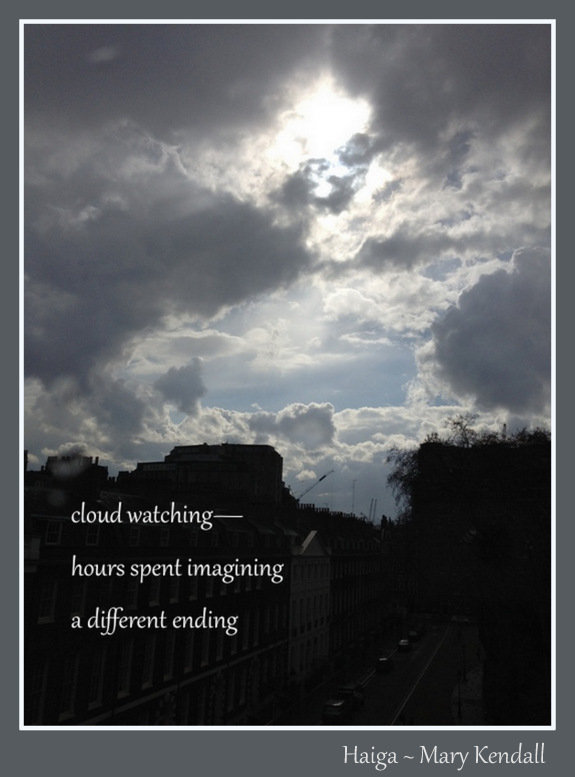
Published in Prune Juice, A Journal of Senryu, Kyoka,
Haibun and Haiga, Issue 22, July 2017
A new tanka just published in Skylark, Summer 2017, Volume 5, Issue 1
whistling wings
of Tundra swans
over the marshes
. . . what is this power
you hold over me
(c) 2017 Mary Kendall
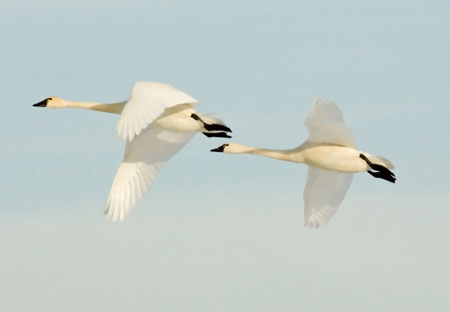
Tundra Swans by Gerald Plowman
~
A new haiku published in Wild Plum, a haiku journal, 2:2 Fall & Winter 2016:

My thanks to Michael McClintock, editor of the Tanka Café in Ribbons, the Journal of the Tanka Society of America. The prompt was poems of spring and summer. Here is mine:
One more tanka appearing in Frameless Sky 4 (Summer 2016), edited by Christine L. Villa.
To hear me read the poem, just click on the link below:
I love Georgia O’Keefe’s quirky paintings and perspective. She did a lot of work using skulls, which seems quite natural. New Mexico must yield all sorts of bones in the mountains and deserts. Just as she studied and painted flowers, so she did the same with animal bones and skulls. She was very prolific in her work, painting a skull or pelvis in many views, often accompanied by a flower or other desert item. Many didn’t like her bone paintings, but that didn’t deter her in the slightest. Even her husband, photographer Alfred Stieglitz, was initially critical of them. He later relented, as did most critics. To find beauty in death and decomposition and to create art that is somehow mesmerizing and thoughtful is quite an accomplishment.
This poem is from my chapbook (Erasing the Doubt (c) 2015, Finishing Line Press). It is hidden amongst just a few of these wonderful paintings.

Georgia O’Keefe and cow skull
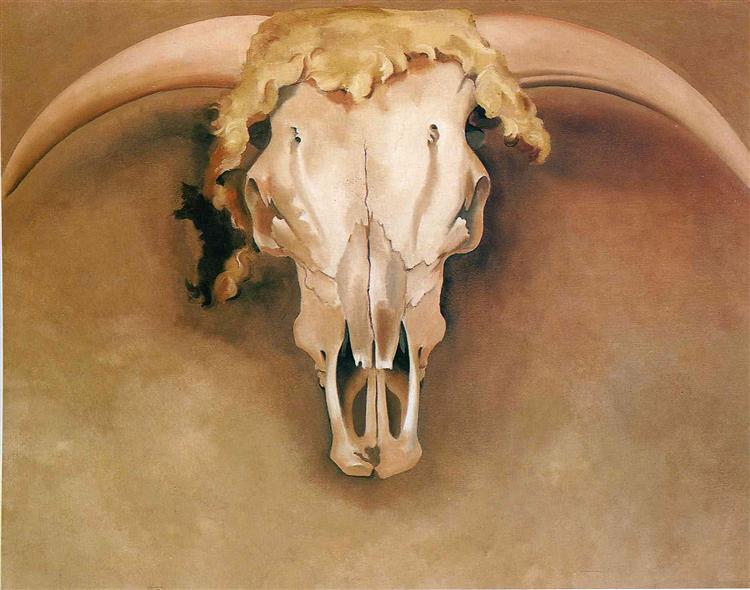
Bob’s Steer Head by Georgia O’Keefe (c) 1936
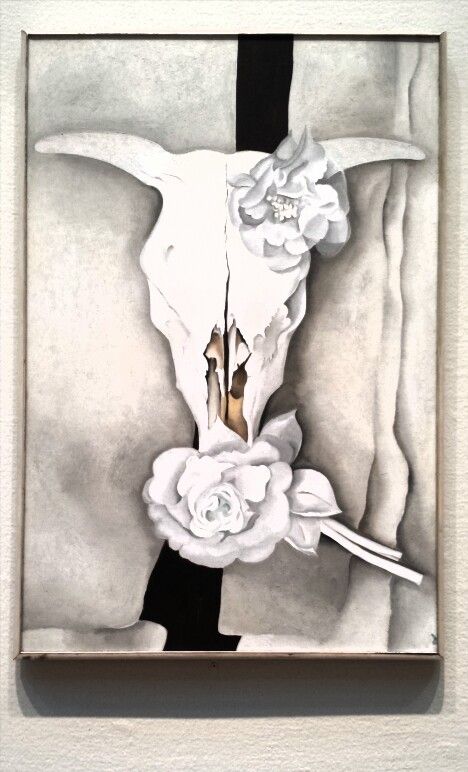
Cow’s Skull with Calico Roses by Georgia O’Keefe (c) 1931
On Viewing a Skull Painting by Georgia O’Keeffe
- The Artist’s View of the Skull as Form
The sinuous curve
hollowed circle
smooth chalky bone
worn smooth, it goes
beyond the form
behind the slow dip
of the arching eye
twisting and curving
back on itself
2. The Skull’s Perspective
At first it all felt wrong,
reversed, bent forward
in a geometric embrace
of mass and space,
the brush stroke
through the hollow eye
that will never see,
beyond to the delicate shell
of the brain
that will never again think,
moving slowly
into that shadow of light
the sky insinuates itself in color
and it is there
that you alone can wander,
deep inside the form that is me
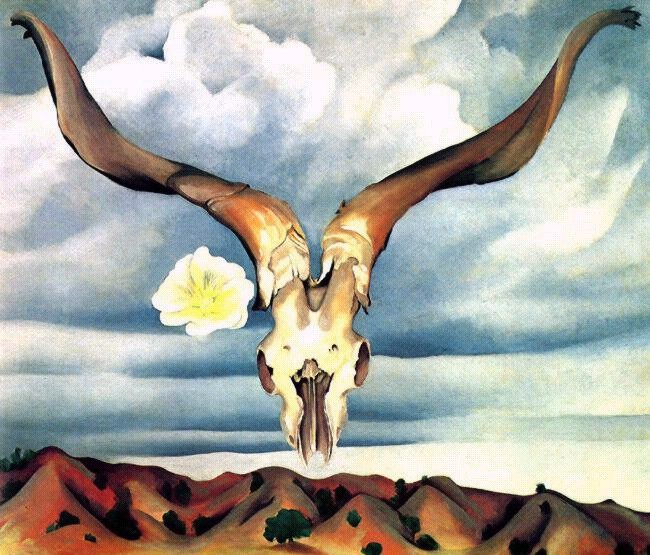
Georgia O’Keeffe, Ram’s Skull with Hollyhock, (c) 1935
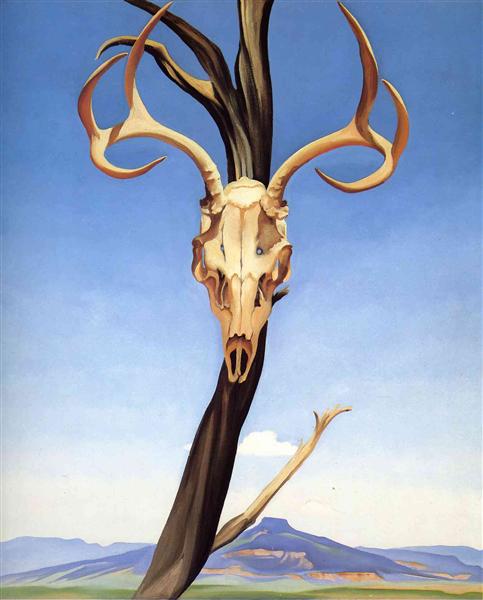
Deer’s Skull with Pedernal by Georgia O’Keefe (c) 1936
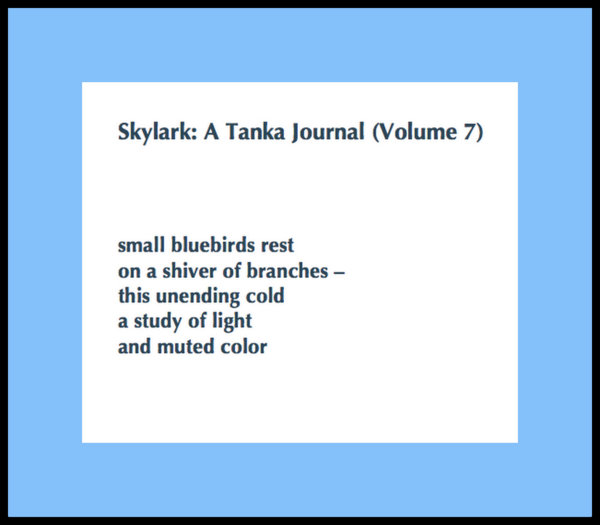
This haiku has just appeared in The Heron’s Nest, a distinguished journal of haiku. For me, as a first time poet in this journal, it is a truly great honor for which I’m thankful.
My poem is on page 11 of The Heron’s Nest: http://www.theheronsnest.com/March2016/haiku-p11.html
winter night—
the curl of woodsmoke
takes flight
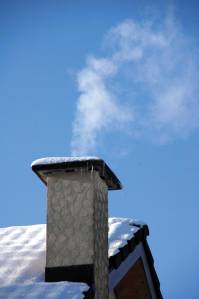
I hope some of you will click the link to The Heron’s Nest to read the full issue of wonderful haiku from around the world.

Note: photo is in the public domain (found linked with many sources online)
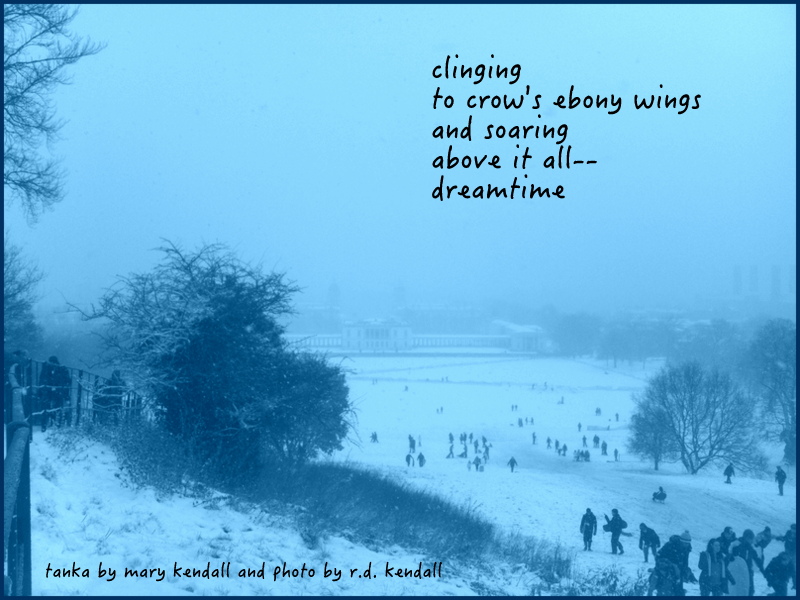
This tanka art piece is the second in my Dream Time series of poems. To read the first poem in the series (on this blog), follow this link:
As you’ll notice the two poems are quite different in style and content, but I’ve grouped them together in Dream Time since both were written while poised on that slender edge of dreaming into another time and place.
A Special Word of Thanks:
A big thank you to my dear husband, Ritchie D. Kendall, who took this photograph on a hill in Greenwich in 2013 when we were living in London.
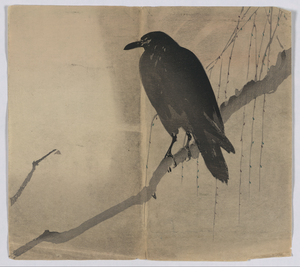
Crow on a Willow Branch, Japanese woodprint, Library of Congress woodprint
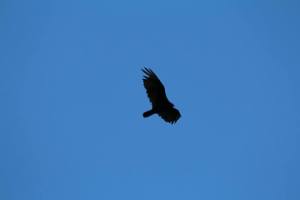
In my last posting here, I put up a new haiga that was just published in cattails, January 2016, the journal of the United Haiku and Tanka Society, but I was really very fortunate this time round in having three other poems published in the same issue: a haiku, a senryu, and a tanka.
cattails, January 2016, haiku, p. 8:
winter—
each day closing in
on itself
cattails, January 2016, tanka, p. 4:
chased away
by a gang of crows
the red-tailed hawk—
being different
is never easy
cattails, January 2016, senryu, p. 9:
black Friday—
the vultures circle
round and round
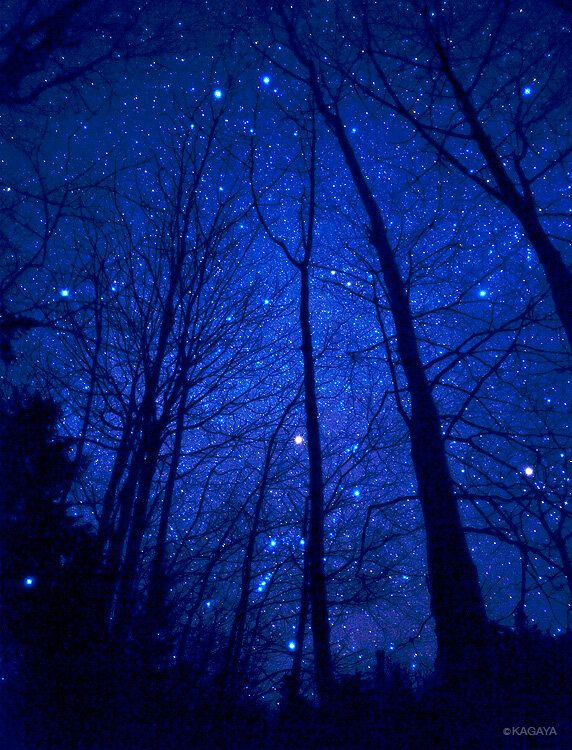
Starry Sky (c) Kayaga
how could the moon
show its face
without light
…how could the stars
sing us songs?


New Note as of March 11, 2016: This poem has just been published on a favorite online journal called Ekphrastic: Writing and Art on Art and Writing. A link to the journal: http://www.ekphrastic.net/ekphrastic/beauty-in-broken-pieces-by-mary-kendall
~ ~ ~
Readers of this blog don’t always notice its subtitle: One Poet’s Practice. I like to practice. I like to experiment. All poets do. Without stretching the mind, you fall into the pattern of repetition. Each poem starts sounding like the last or the next.
I have been writing a lot in short form poetry–haiku, haiga, tanka, and other small poems. Today, in an effort to go in a completely different direction, I offer you a very long, rambling poem–quite unlike me, I know. It is called “Beauty in Broken Pieces,” inspired by a lovely photograph taken in Dublin, Ireland by India Leigh Lassiter, herself a talented writer as well as photographer. Thank you, India, for allowing me to use your picture as a starting point for this poem.
To hear me read this poem, please click on the link below (give it a minute to load):

Blue Spiral, Dublin, Ireland (c) 2015 photograph by India Leigh Lassiter
Beauty in Broken Pieces…
Perhaps it was once a deep blue vase,
holding seven pale pink peonies
freshly cut one May morning…
the silence shattered
suddenly when
she lost her balance,
grabbed
the oval table
and together
crashed down,
one in splintered pieces,
the other dazed
watching the water
slowly spread
under the petals.
Or perhaps…
it was packed away in a doctor’s study,
an old cabinet filled with bottles…
cobalt blue bottles with faded labels,
the dark blue hinting of hidden secrets,
dangers that lay in long-dried residue
of those bottles that were shattered
and thrown upon a fire
that raged for hours,
flaring up in vivid hues
of acid green
and mustard yellow,
tipped with amber,
azure and moon,
the air once heavy
with poison
and dreams.
Or…maybe
there was no story.
Do you believe the whole really is bigger
than the sum of its parts?
And please, don’t let’s forget
there is always
perspective.
Large things are large,
but small things
are also large
if seen
close
up.
It is lovely, this small mosaic
made of glass in shades of blue,
blue so dark,
it might still hold the sound
of the ocean from the sand
that washed up and back
over and over
dancing on the ocean floor
before it became
the glass
we see…
for what is glass
but sand
and fire,
beach
and
star?
even
a simple
spiral
mosaic
in shades
of blue, pearl and silver
might hold the deep bass song
of the darkling ocean,
the glimmering
whispers
of clouds
above,
patterns spiraling through nature
like our thoughts about beauty,
reality or memory’s truth
Fibonacci gave it his name,
the Greeks gave it meaning
with their golden ratio…
it exists everywhere
… a simple nautilus shell,
the sunflower’s seed head
that turns to the sun,
and following its cue, the pinecone,
the hurricane, even the galaxy, the cosmos
and here with this Irish glass spiral
we come full circle of woman
with camera, snapping
a photo, capturing
the balance of
silvery bits
and pearl
to blue
done
just
so
.
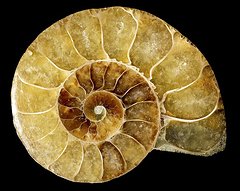
goniatite-fossil
Full Moon of the Winter Solstice (c) 2010 Martin Liebermann
As I post this, it is the morning of the winter solstice of 2015. Where I live in Chapel Hill, North Carolina, the winter solstice officially happens tonight at 11:49 pm, EST. Wherever YOU are, it will happen at a different hour or perhaps the same. Readers of this blog come from all over the world–one of the joys in blogging is seeing the list of countries of readers–and I love imagining the moon going through its magical phases for each of you. Tonight, the solstice. Later this week, a full moon. What more could we want?
These are some of my earliest haiku:
WINTER MOON HAIKU
First published on Poets Online (c) Mary Kendall
Later used as lyrics in “Winter Moon” by Paul Carey, a piece for women’s chorus in (c) 2011.
night snow
boughs dreaming
of first blossoms
Fog filled woods~
even the winter moon
has lost its way
a winter walk
footprints
tell no tales
the blue moon
silently closes the door
upon the year
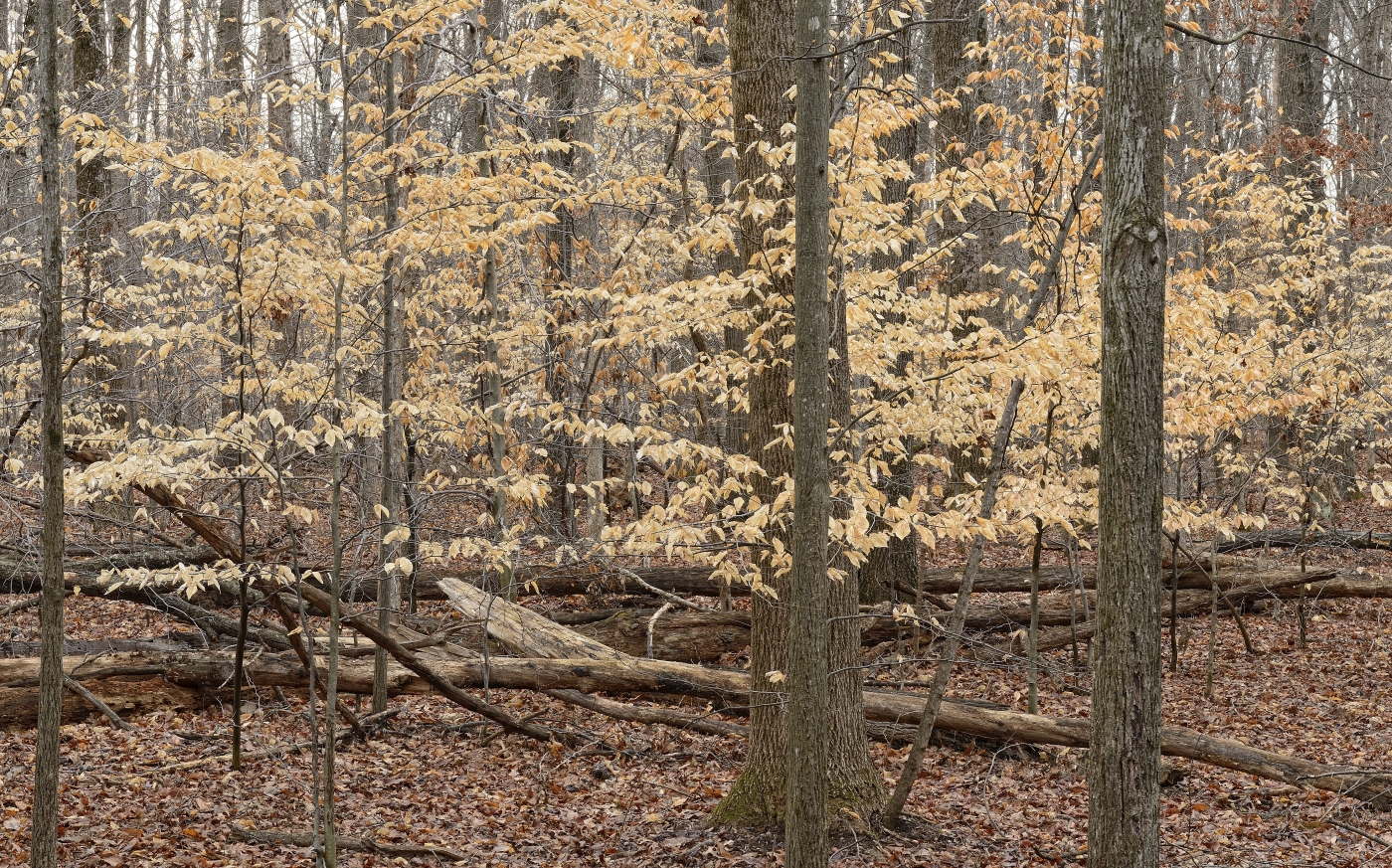
American Beech Trees, (c) Photograph by Jim Clark
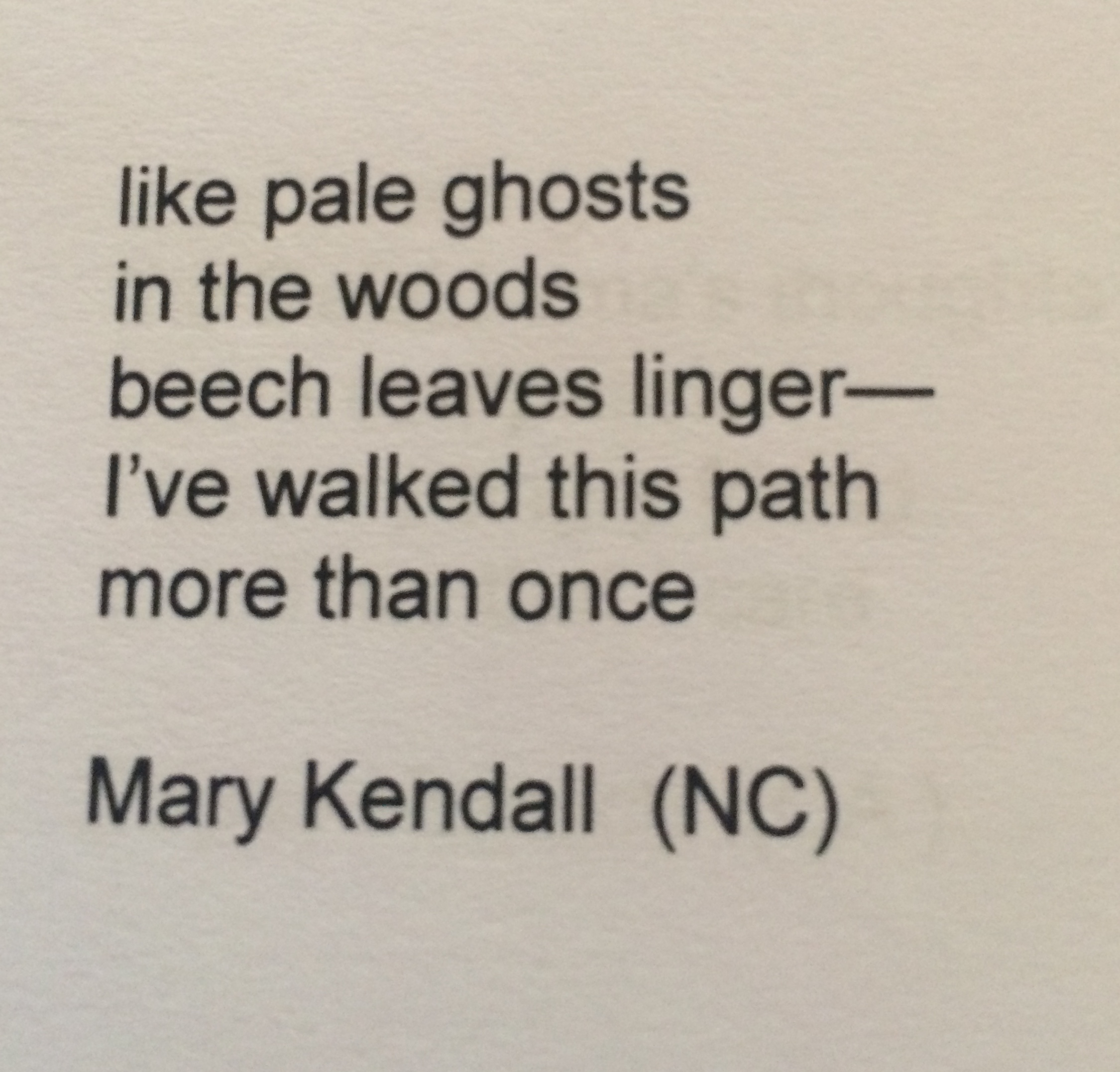
It was a very exciting moment last week for me to open up the latest issue of Moonbathing, a journal of women’s tanka, and see one of my own tanka included. To be in the company of so many very talented tanka poets is a highlight of my year.
Published by poet and editor, Pamela A. Babusci, Moonbathing is a journal that showcases the many sides of tanka. The poems cover a wide variety of experiences, emotions and subjects…and all written by talented women poets.
Here is my tanka:
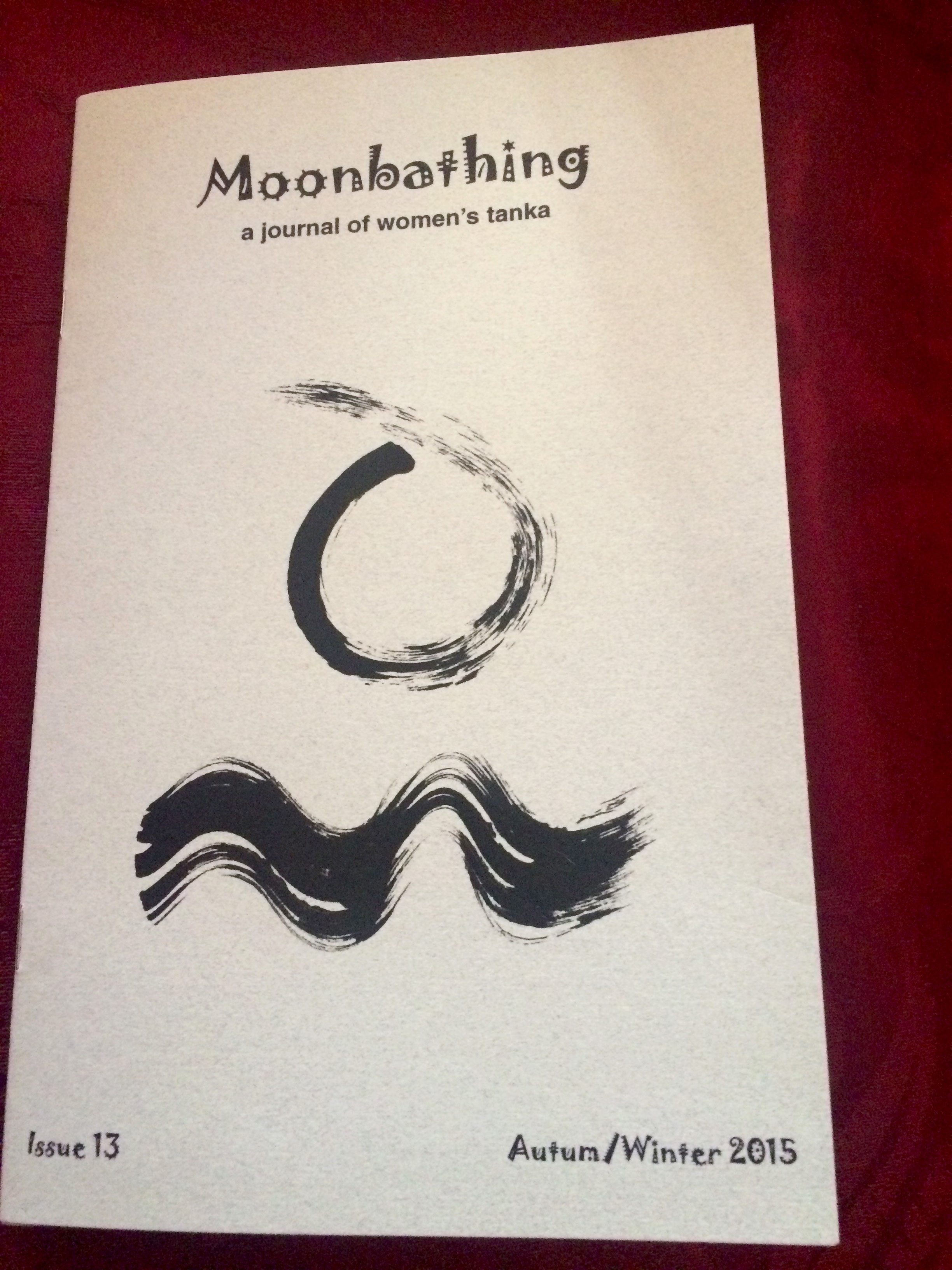
Moonbathing is edited and published by Pamela A. Babusci
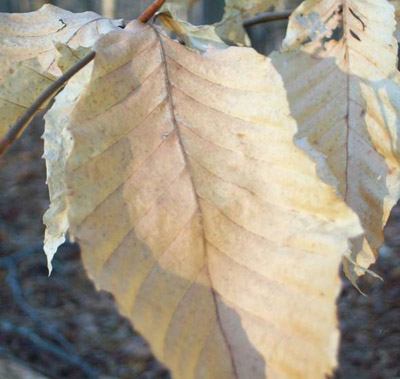
American Beech Leaves, (c) Photo by Walter Reeves
Today, on Ekphrastic: writing and art on art and writing, as part of their 20 poem challenge, I have three haiku to go with a gorgeous picture of swallows.
To read the poems and see the art in the original publication, please click on this link:
http://www.ekphrastic.net/ekphrastic/swallows-by-mary-kendall
The artwork is “Swallows” by Benjamin Chee Chee
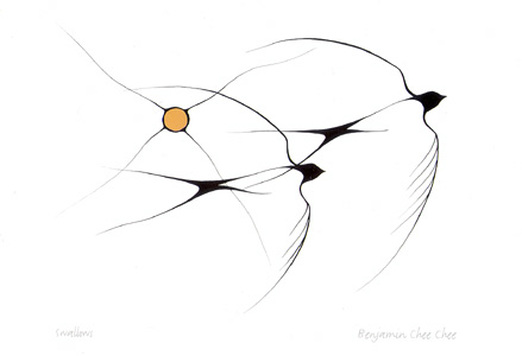
(1)
frail beauty—
scissoring the sky
on indigo wings
(2)
hope . . . soaring on wingless winds
(3)
taking leave—
gathering courage
as you fly
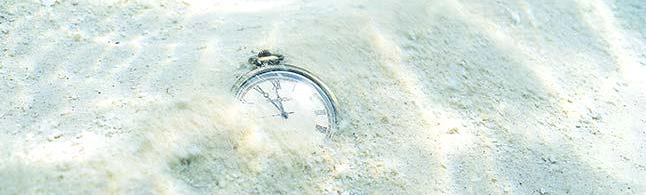
My thanks to editor, Lorette C. Luzajic, for including these haiku.

This morning I woke up knowing a change was in the air. With intermitent gusts of wind, my garden feels different. From my porch where I sit writing this, I hear cardinals talking to one another in soft chirpy sounds, not full song. A nuthatch scampers up and down the tree trunks hoping to find a tasty insect for its mid-morning snack. What is clearer though is the background sound–the small insects that hum and buzz in notes I can’t clearly discern. All I hear is a constant high pitched sound–but it is a soft sound, not the commanding songs the cicadas sing. A chickadee now scolds someone, probably my dog who is suddenly interested in wandering in our back woods.
The breeze comes and goes. Wind chimes sing their beautiful songs. Leaves shudder and flow in the wind, then settle down to stillness. A large robin sits in the birdbath drinking in the water, probably for the last time before it makes its long migration down to southern Florida. Now a flock of crows jeers at something, most likely the red-tailed hawk that lives nearby. And since I’ve sat here long enough, a single butterfly sips from the last flowers of the purple buddleiah bush. It is a yellow swallowtail and probably the very last one I will see this year. There have been no others all week. A female cardinal visits the other bird bath. Luckily these beautiful red birds don’t migrate from here. They will stay all winter long, and I will put birdseed out for them each day.
Autumn has always been my favorite season since I was a little girl. I grew up in the northern climate of Buffalo, New York where the lake winds brought the strong Canadian coolness and fall was often upon us in early September. Not so here down south. Here, North Carolina weather can change in an hour. We can have this first taste of fall and tomorrow might bring back the heat of summer.
Life in the United States changes with this season since children return to school, vacations are pretty much over, and everyone settles in. I find myself cooking soups once again. Last night I made Italian Wedding Soup, a perfectly delicious way to welcome the change in seasons.
Fall or autumn? I grew up calling it ‘fall’ and with the obvious falling of leaves, that word makes good sense, but the poetic side of me loves the word ‘autumn.’ I love saying the word, hearing it, feeling it on the tongue. Autumn is delicious! And ‘autumnal’ is divine. Who can resist the beauty of this season? Not me.
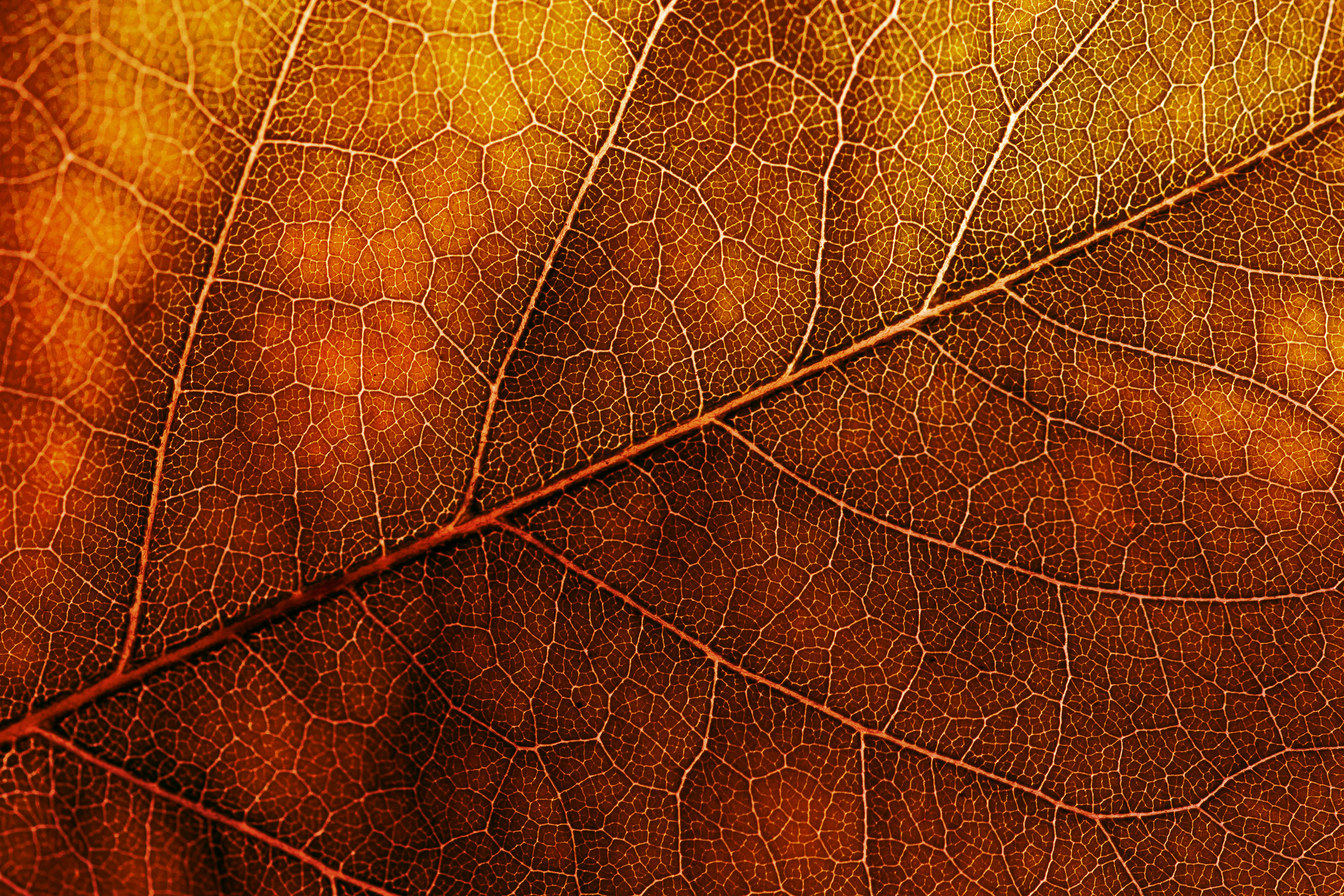
Here are three other poems–two tanka and one haiku– to welcome this special season and day of the autumnal equinox.

daylight
and nighttime
in a slow dance—
tomorrow one
will lead
~

~
autumnal equinox…
the moment when day
matches night
~
~
autumn’s equinox
when time is equal—
if only one day
people
could be like this
~

This haiga was just published in a new haiku anthology, “Behind the Tree Line”, the first anthology of Wild Plum journal. To be included is an honor. My thanks to the editor, Gabriel Sawicki, who has published this anthology and who also publishes Wild Plum Journal. This was my first attempt at using art software to alter a photo into something new. (Yes, I need a lot of practice!!)
.

Photo by Gary Brichford, (c) 2015
Today’s poem is a slight detour down the road that leads to summer’s end. I’ve chosen to present an acrostic poem, a form I always enjoyed using when writing with children during my years of teaching. Acrostic poems are delightful and often funny, but as shown here, they can be serious and even tender.
You can hear me read the poem if you click on the link below and patiently wait a few seconds for the recording to begin.
.
Summer’s End
.
Sunflowers bloom tirelessly all summer long
Unwavering in their deep devotion to the sun
Multiplying day by day, the fields grow yellow
Making everyone stop to look
Elegant with their tall, swaying stalks
Regretting nothing, they give themselves to this season
Surrendering ripe seeds to the redbirds and finches that gather round
.

Photo by Betty Rizotti, (c) 2015
.
Even summer must come to a close
No one is ever spared the final moment
Depleted of seed, sunflowers begin to bow their heads in sleep

Photo by Jan Monson, (c) 2015

Photo by Gary Birchford, (c) 2015
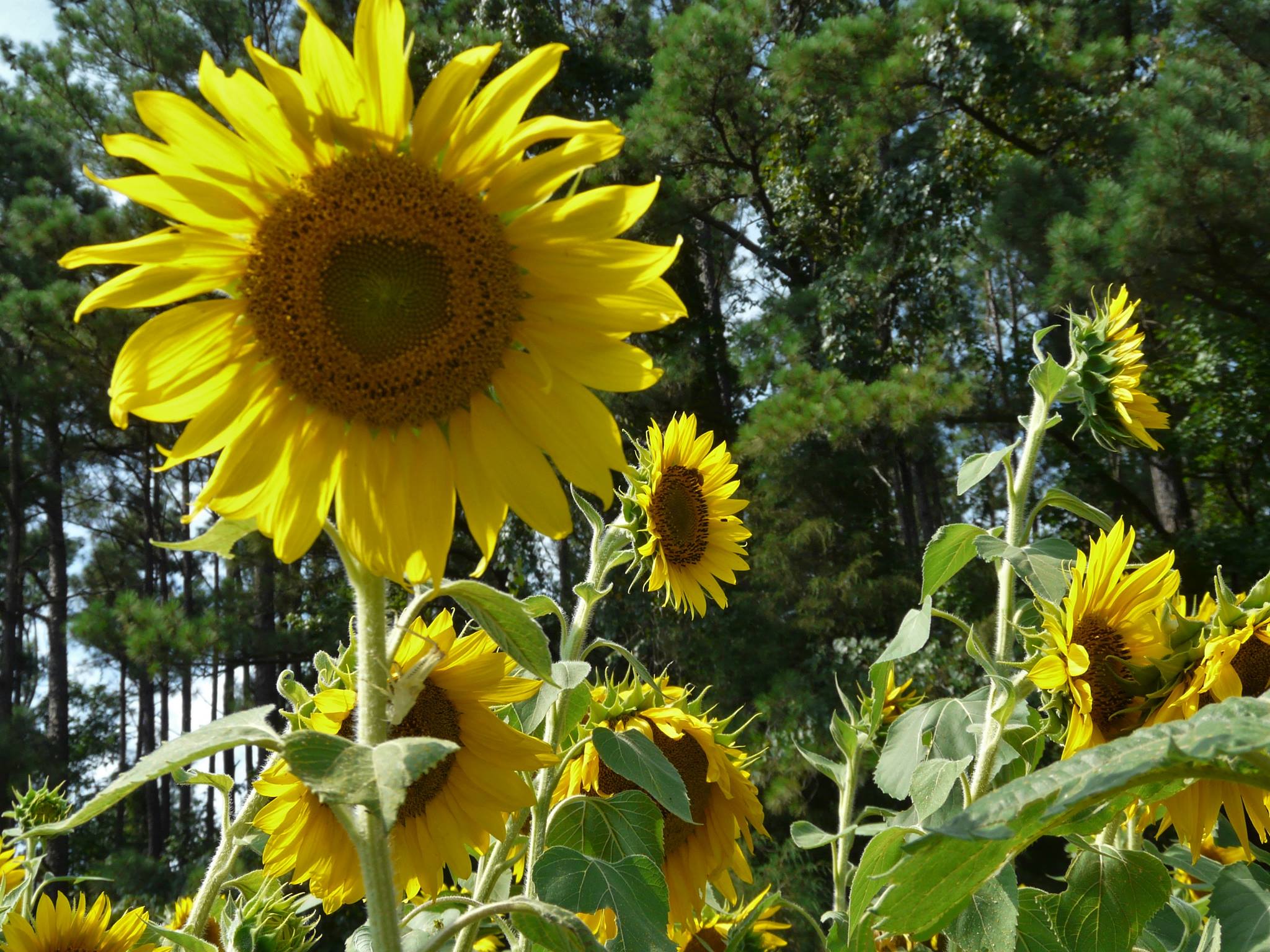
Photo by Gary Brichford, (c) 2015
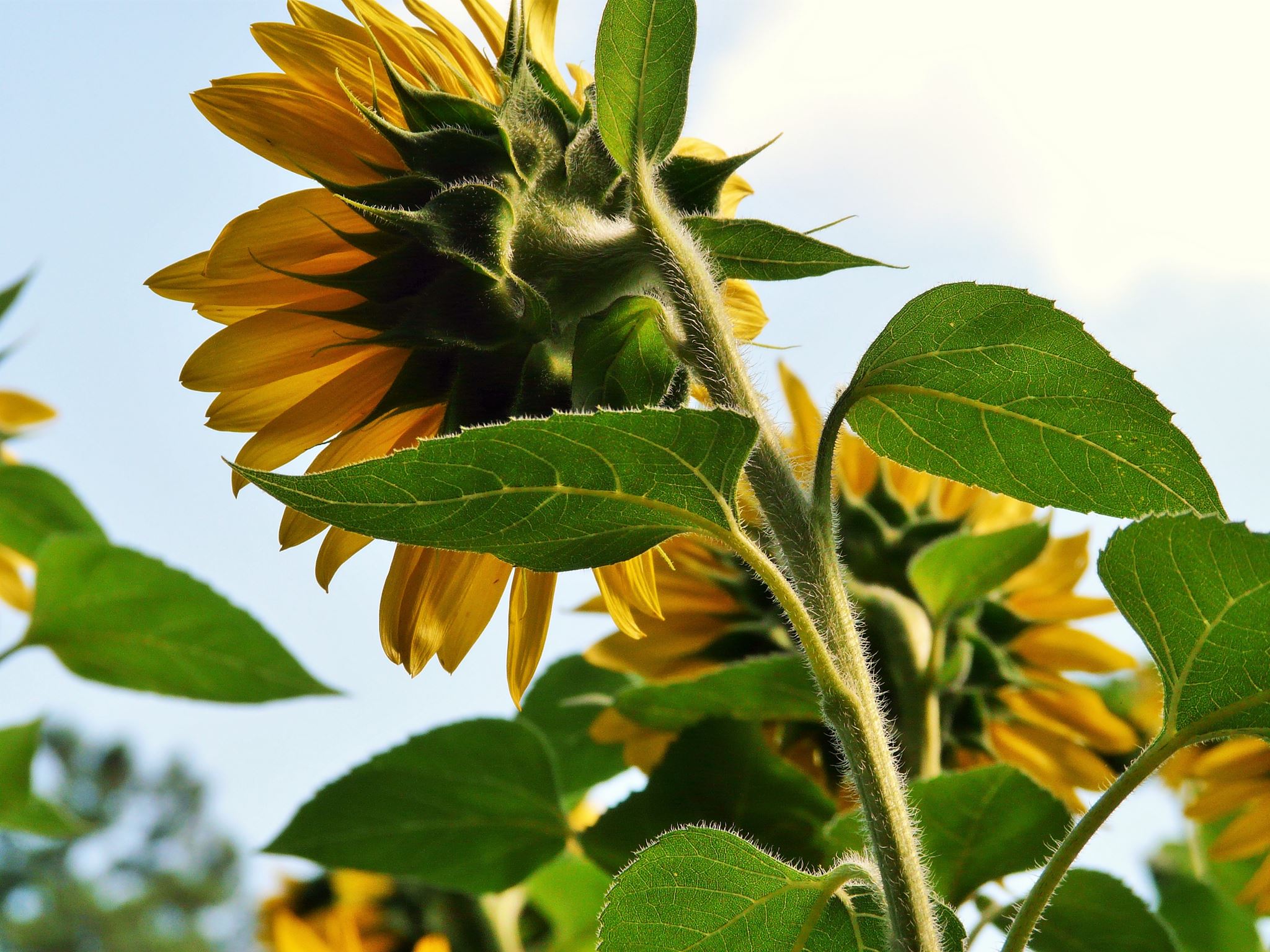
Photo by Gary Brichford, (c) 2015
Several photographers are responsible for the beautiful sunflower photographs in this blog. The two with the goldfinches are shared by Betty Rizzoti (middle right photo) and Jan Monson (middle left photo). Many thanks to each of them for these great captures. All the rest of the photographs are by Gary Birchford whose photographs, when posted on FaceBook last month, inspired this poem as a goodbye to summer. Thank you Gary for your ever generous heart in allowing me to use these pictures.
.

Photo by Gary Brichford, (c) 2015
One final note: Gary Brichford took this set of sunflower pictures from an interesting source. They were on the side of a major highway in central North Carolina as part of a government project. Please see the picture below for details. Isn’t it great to know that our Department of Transportation is involved in Pollinator Habitats. What better place could they find. Imagine how many people drive past and smile at the ever beautiful sunflowers.
.
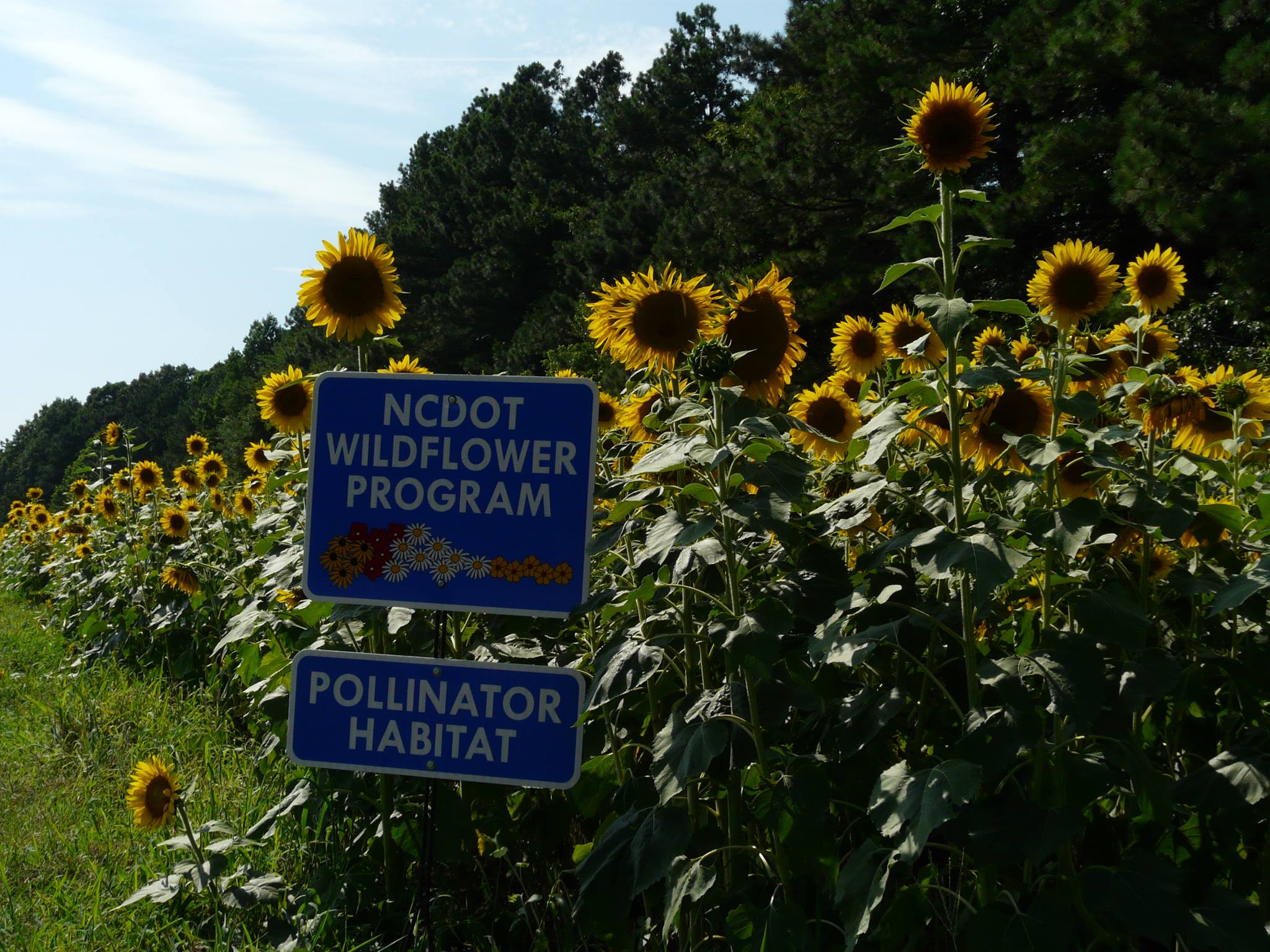
Photo by Gary Brichford, (c) 2015
.

Fence ~ Photograph by Randy Baker (c) 2015
Randy Baker is a friend who loves the southern countryside and captures it beautifully in his photographs. Like many, he considers his pictures to be “just photos” and not art. He is modest about his talents for capturing beauty in a split-second shot. To me, this is art at its best.
I’ve held on to this picture all summer. It’s such a simple picture, and yet it is a perfect picture. Its subject is straight-forward–it’s a photo of a fence in the countryside. Yes, there are lots of fences. But look closely at this picture. The most noticeable feature is the upright stake, but it’s not just a pre-milled wooden stake. It’s a section of a tree still covered in bark. It also has a section that once was part of a limb and now appears to be almost a mouth sharing its thoughts with us on this cloudy summer day. The texture, the color of the bark, and then the color and texture around it in the grass and the wild flowers to the right and the cut and fallen grasses in front–all of these make it a photo you want to study for a long. I have certainly done just that.
This picture also made me want to re-read Robert Frost’s wonderful poem, The Mending Wall. I spent a whole morning reading and rereading that magificent poem and then reading some critical interpretations of it. I left refreshed and in still very much in awe of Frost’s brilliance. No wonder everyone remembers that poem or at least the famous lines it has given us. So this picture also gave me this–a little detour into rereading one of the great American poems that I hadn’t picked up in decades.
But Randy’s picture is not of a wall in need of repair or mending. It is a wall made of air, wire and wood. An entirely different type of barrier from a stone wall. The purpose is the same–it demarcates land ownership, and it keeps something out–or in. That is what got this poetic mind going.
What does a fence really do?
Here are my responses to the question of what a fence is or might be. I’ve looked at this picture so many times, and this single picture has inspired quite a few poems. These are very brief poems–sketches in verse, plus there is one poem about fences as a metaphor for our own need to be guarded at times.
.
the only real fence is in my head
.
.
on the fence—
am I in
or am I out?
.
.
Clichés abound
when it comes
to fences.
.
And here is a poem for all of us who guard our hearts so closely:
.
My Fence
What do they —or you—
know about my fence,
and how carefully
I chose to build it?
Can you guess
how long
it took to build it?
A lifetime of habit,
carefully constructed
and often hidden habits,
a life spent half in fear
of being judged
unkindly, unfairly,
with malice
in another heart.

Note: I would like to thank Randy Baker for allowing me to use this beautiful photograph that he took in the beautiful mountains of Virginia. It is a picture I would like to have framed and hanging near my writing desk. Randy, your pictures are always inspiring and bring a clarity to both the mind and heart. Thank you so much.
.
.

My thanks to my dear friend and photographer, Yolanda Litton for allowing me to use her beautiful picture of the Provençal countryside.
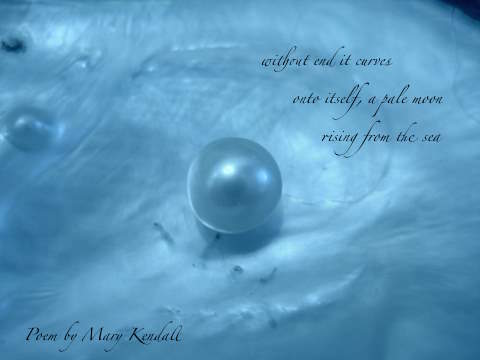
One of my earliest postings on this blog was of a haiku on a pearl. Having begun creating haiga, a combination of a haiku and a piece of art or a photograph. I reworked this poem, and this is the result. It is now finally finished. I only wish I could give full attribution to the original photographer, but I could find none after searching for quite a long time. I did alter the color to suit this poem. My thanks to all fine arts photographers who always inspire.
.
.
Here in the southern part of the USA, thunder and lightning are not uncommon in summer. Days can be very hot and humid, and late afternoon lightning storms often break up the quiet of the day. Rain, when it comes, often fails to bring relief but instead adds to the high humidity. Still, there are times when just listening to the thunder and seeing the clouds grow thick and dark overhead becomes a magical experience. My friend, Jeanna Clever List, took this photograph while her family was on vacation on the coast of North Carolina. Its drama and beauty is truly exceptional.
My thanks, Jeanna, for allowing me to use your beautiful photograph to complete my haiga.


in the rushes—
standing so silent
a lone blue heron

The photograph of this Great Blue Heron is anonymous, sadly. I could not trace this internet picture to a specific site or photographer. Whoever you may be, I thank you for creating a beautiful picture of this gorgeous creature.

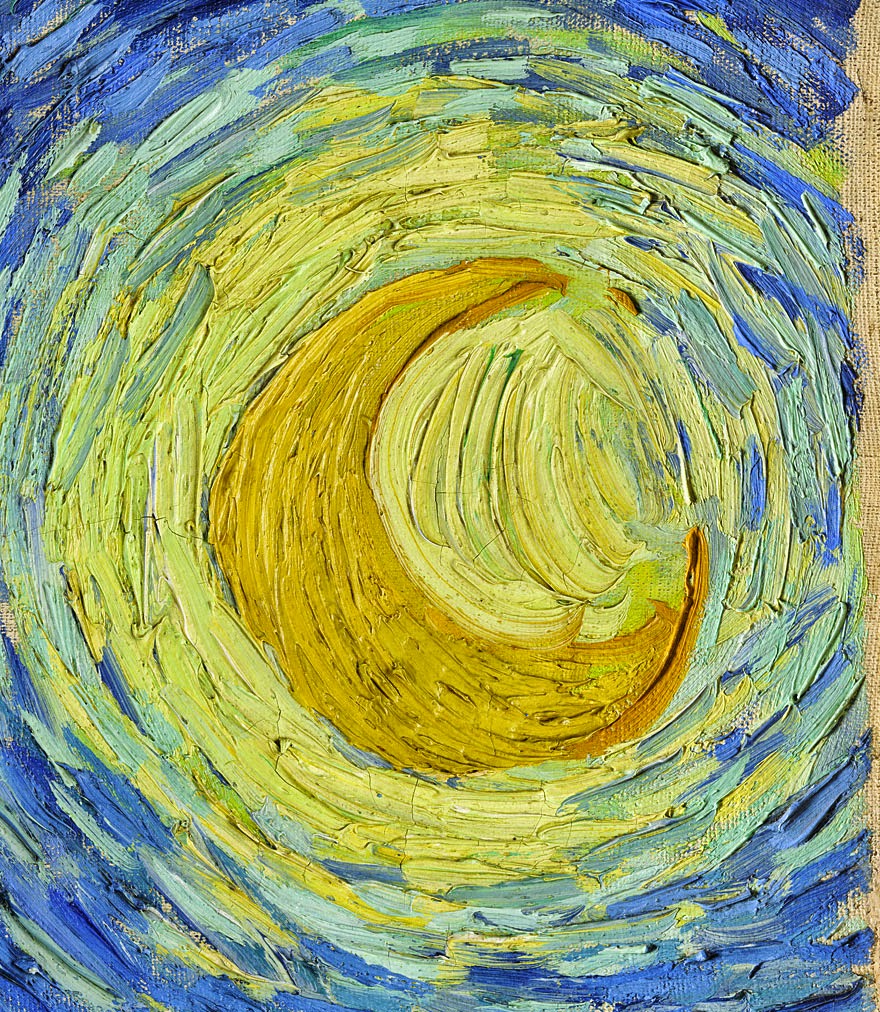
The Starry Night by Vincent Van Gogh, 1889, Museum of Modern Art, NYC
The Starry Night
It is silent tonight.
In the ever flowing
river of the night,
a boat of darkness
sails by
as wave upon wave
of stars flow,
then crest,
then
fall,
and silently subside,
consumed by another wave
until nothing is left,
just flickering light
of celestial glowworms
that hang
in the cave of night—
languid star strands
from the heavens.
The moon
could tell stories
if it chose.
It is silent tonight.
In the past five months I have been studying my much beloved tanka, haiku and small poems in order to become a better writer. Writers–and poets–need to keep growing as they go. As part of my interest in these lovely small poem forms, I have joined a number of exception online groups of poets who post their own writing. On several of the sites, “prompts” are given and sometimes a picture is given. People respond as they wish or not. Often comments are given. I can’t tell you what a thrill it is to get a “like” or even a comment by one of these poets who are so gifted and accomplished tanka and/or haiku poets, but even without the ‘likes,’ it feels wonderful to be a little more confident about sharing poems publicly. This morning, I’m posting several tanka I wrote this week to specific prompts.
~
1 [prompt: celebration of color]
Photograph (c) Kristin Sanderson
scribbles
of scarlet red
in the shrubs—
two cardinals
take flight
~
Photography (c) by Cab Treadway
cloud masquerade
tonight—
the moon is hidden
from your
wanton gaze
~
3 [prompt: how you share your journey]
old cobblestones
so hard to cross—
without speaking
I take your arm
and we walk on
~
4 [prompt: flutes..music…]
sweet song
hidden in the plum tree–
a nightengale
gives itself
away

~

I’m so excited to have a poem of mine included in the “Where I Live Poetry and Photography Series’ by Silver Birch Press. They have published two other poems of mine in other series, and It is always an honor to be included among their marvelous poetry selections. Thank you, Silver Birch Press!
.
Wherever you live, no matter where you might be, nighttime in summer reveals a very different world of sound. During the day we hear birds, breezes, people, mowers, airplanes, cars or sometimes just bees and hummingbird wings. At night, however, we must totally rely on our hearing to grasp all the different sounds that play out in the night chorus. Here in the south, in North Carolina where I live, summer nights are especially noisy. From frogs and owls to whipoorwills and katydids, there are times when it is absolutely deafening. I wish I had the expertise to identify all the different frogs our small garden pond must be home to. There is one frog that sounds much like what I imagine an alien creature would be like—high-pitched, very shrill and almost dizzying in its persistent song. It’s irritating enough to go inside..
Then there are the “call and response” night singers. I love those most of all. I can sit a long while listening to them. Occasionally I hear an owl, but lately it seems there are fewer around. I remember when we regularly had barred owls nesting in our woodland garden. Catching sight of one was always impressive, but hearing one in the middle of the night was truly haunting. I love to sit outside in our screened-in porch when it is dark. The dog often comes and sits with me listening and keeping me company. She makes no sound herself, knowing that we are the polite and attentive audience to this vast chorus of night..
Here is an audio recording of me reading this poem. Just click on the link below, wait a few seconds, and it will begin.
.
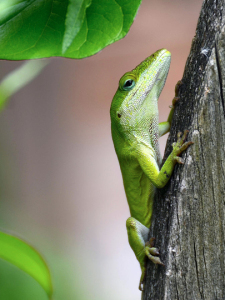
Sounds of Summer Evenings
by Mary Kendall
Sometimes at night I sit outside
In the screened-in porch out back.
In the darkness, the rustling leaves
Of the tall beech trees are blowing.
The katydids call to one another,
An evening of antiphonal refrain.
On nights when a heavy rain falls,
All you can hear are the tireless frogs
Chorusing in the garden pond.
The deep lone bass, the shrill soprano,
This diverse and discordant choir
Seems to be one of rhapsodical joy.
And then there are times when an owl
Soundlessly lands in a nearby tree
And startles me with its resonant call,
Letting me know it’s now on watch.
Two times more it calls, low and deep.
I rise and go, time now for me to sleep.
NOTE FROM THE AUTHOR: Northern by birth, I have lived for more than 35 years in North Carolina. Our summer nights are…
View original post 141 more words

~ ~
I’m still very new as a haiku poet, so it is with caution that I’ve ventured out to try an actual haiga. A haiga combines art and a haiku. Since I lack all painterly skills, I’m combining my haiku with a photo that I love. I’ve done this in a slightly similar way on my blog with tanka and some autumn haiku. However, I consider this to be my very first true haiga.
~~
“Haiga is a Japanese concept for simple pictures combined with poetry, usually meaning haiku. In Basho’s time, haiga meant a brushed ink drawing combined with one of his single poems handwritten as part of the picture. In our day and age, haiga can be watercolor paintings, photographs or collages with a poem of any genre that is integrated into the composition. Sometimes the poem is handwritten or it can be computer generated, depending on the artist’s taste.” (This definition of haiga is by the poet, Jane Reichhold on her website, Ah Ha! Poetry.)
~~
Note on Photograph:
This beautiful photograph is by an Icelandic photographer known to me only as KariK on Flickr. It was posted and thus copyrighted in (c) 2011. It has been posted thousands of times online and almost never with an attribution to him. By doing a ‘backward’ image search I was able to find him on flickr. His photographs, most of nature, are magnificent. This is what he wrote for this particular picture (translated from Icelandic):
Reykjanestá: This location is unique for the fact that there can see the ocean ridge walk on 1 and, Mid-Atlantic Ridge, which separates the prefabricated North America and Europe.
KariK, (c) 2011
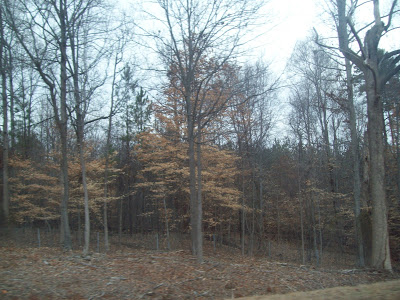
THIS SACRED PLACE
There is a place near here I like to sit,
a place where the slanted rays of winter sun
warm the bare trees; where water drips
into the pond trickling notes of a wordless song.
Sitting with silence, the mind begins to quiet and
breathing settles. Thoughts come, then disappear,
and equanimity envelops me with a healing spirit,
the soul of this bare winter woodland.