Some Thoughts on Turning to Myth: Looking back at “The First Lamentation of Demeter ~ (Poetry and Myth)”

A Note to My Readers:

Here it is January 2026. My blog has been quiet this year for a number of reasons too long to list.  But the most obvious reason is that of a block or mental ‘resistance’ to writing. Last year in 2024,  I turned to sharing a few older poems of mine that I love. It was a good reminder to me of why I loved writing.

Today, WordPress showed me my latest stats. I rarely look at these anymore, but one thing I notice each time I see an update is that some of the poems I wrote relating to classical myths seem to be accessed the most. I wonder if, in this sad and tumultuous world and country (mine being the USA), we turn to mythology to find answers to timeless questions that appear and reappear over a lifetime. Who are we and why are we here? What is it we are looking for? What really matters? I am now 79.  Those questions and many more have come up time and time again, and the answers have been quite varied over eight decades. What do you, dear reader, think? Why do we cling to myths and tales from long ago and from cultures we know only though history books, literature or art? I’d love to know what you think.

To honor some of these poems, I’m going to post my two Lamentations of Demeter, one at a time. To save some work, I’ll post the whole original poet from my blog. I hope you find some meaning in each of them or perhaps a way to think of something beyond our wild world of today.


 British Museum GR 1885.3-16.1 (Terracotta C 529), AN34724001

British Museum GR 1885.3-16.1 (Terracotta C 529), AN34724001


Here is the original 2014 posting:

.

I’ve been looking over my writing notebooks written a while back but unread by anyone other than myself or my husband. The myths of Demeter and her daughter, Persephone, fascinate many including me. For a number of reasons these myths seem to appeal especially to women. Many of the great living women poets have written brilliant poems about Persephone (e.g., Louise Glück and Eavan Boland). The story is timeless.

.

In today’s poem I’ve written a Lamentation of Demeter. Demeter, the goddess of the harvest and grains, is often referred to as the mother-goddess since she represents fertility on earth. Her importance is indisputable. When she mourns for her missing daughter, Persephone (who has been abducted by Hades and taken down into the underworld by force) the seasons stop. Things stop growing and the earth begins to die before Persephone’s father, Zeus, intervenes.  You know the story, but it is worth re-reading if you haven’t read any mythology for a while.
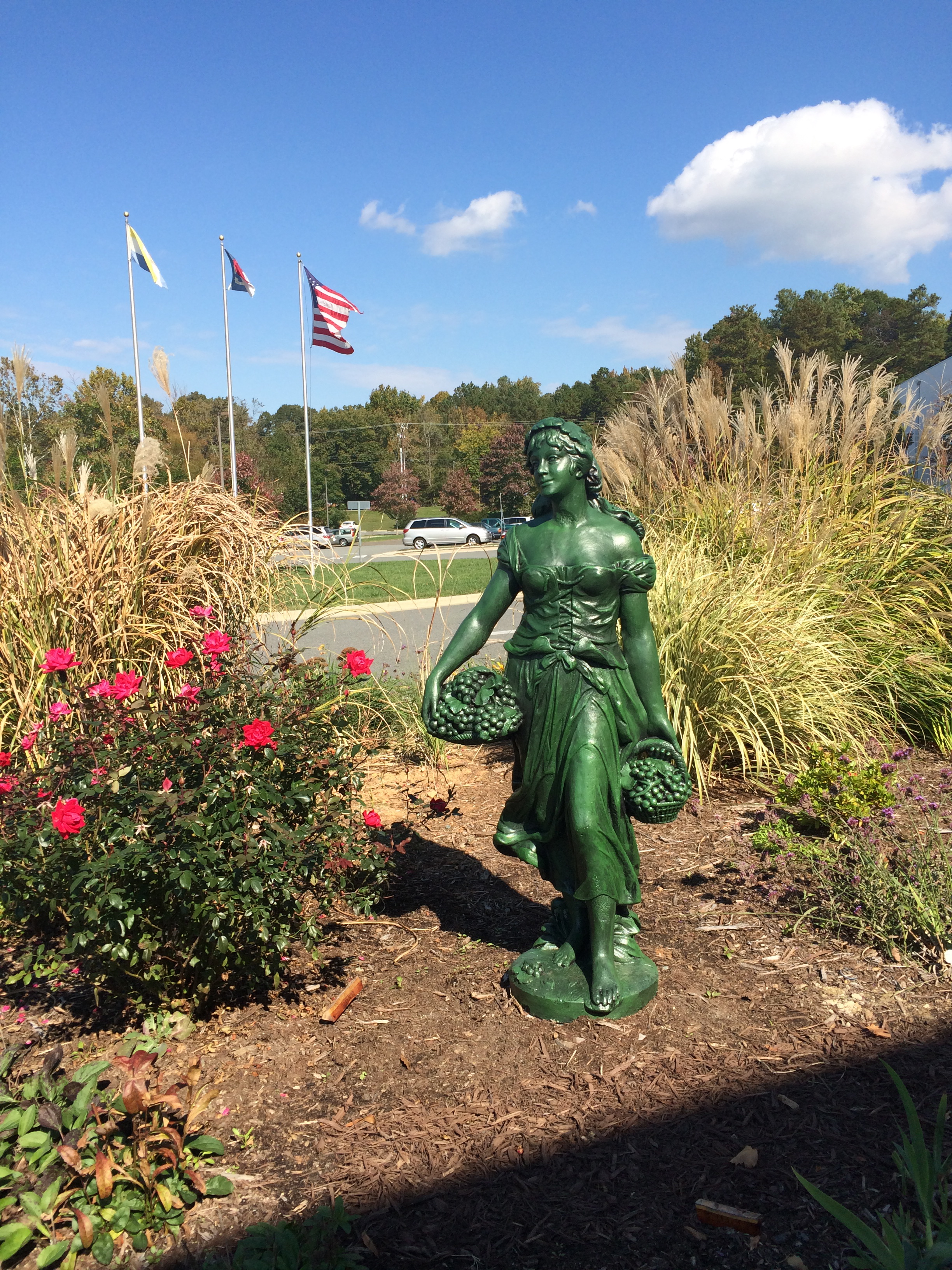
Demeter statue in front of my gym in Hillsborough, North Carolina

Demeter statue in front of my gym in Hillsborough, North Carolina

.

So what is a lamentation? The Oxford English Dictionary defines it simply: “The passionate expression of grief or sorrow; weeping.” Anyone who has grieved knows instinctively what it is to lament the loss of someone who is dearly loved. The feeling is painful and deep, and I think this resonates within us all. Demeter mourned her daughter’s abduction to a point where the earth nearly perished. This poem begins with her not yet knowing all that has happened. I picture her as a mother desperate to know what has happened to her child.

.

This is one of two lamentations of Demeter I’ve written. The second will follow at some point.

Demeter

Demeter

.

To listen to an audio recording of me reading this poem, click on the link below and wait a few seconds for it to begin:

.

.

The First Lamentation of Demeter

.

How is it that I don’t know where she has gone?

        I warned her.

I told her time and time again not to trust them,
that there were those who so longed for her
they would stop at nothing.

        And who was right?

Like all girls her age, she could be headstrong,
believing her own mother too old
to understand those yearnings.

         I warned her.

Last night I watched the dog star rise up.
Its magnificent beams were like beacons
that might lead me to my lost child.

        Why is it the stars are silent?

O, Sirius, your brilliant rays reach down
to us and yet your silence is puzzling.
Surely you saw where she went, my only child.

        Will no one tell me where my Persephone has gone?

.

.

Grief-Statue

The simplest thing

The simplest thing


Three poems (two haiku and one tanka) were published in the winter issue of Kokako, 2021. I have a real fondness for this journal because I love all things Kiwi. New Zealand is a beautiful country with such great people. They have a very active poetry community, and Kokako is a beautiful journal to be part of.


1.

snow drifts ~
the wild wind’s
last brief fling

2.

woodland colours
now grow pale
winter light

3.

arranging zinnias
in an old milk jug,
this pandemic silence
urges me to notice
the simplest things

Note: Photo of Zinnias (c) 2021 by Park Seeds

Whirlwinds (tanka)


Redlights, Volume 17, No. 1, January 2021


Photography by Autumn Mott Rodeheaver


whirlwinds of scarlet
and ochre leaves
flit across the square –
days of self-isolation spent
learning to slow down


snow day


The Heron’s Nest, XXII.4, December 2020 published one of my haiku:


snow day–
a crackle of fire
in our stories


Tanka No. 3: The sudden silence


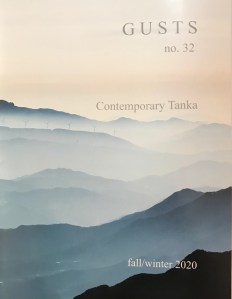
Here is the third of my three tanka published in the latest issue of Gusts no. 32, Fall/Winter 2020:


even the crows
are quiet now . . .
the sudden silence
that morning snow
brings


Tanka No. 2: pale pink petals

Here’s the second tanka published in
Gusts no. 32, Fall/Winter 2020


pale pink petals
scattered on the desk
one by one the days
of isolation pass,
each fading to nothing


Green . . . (Synesthesia in haiku)

Synesthesia in haiku ~


This haiku was recently published in Hedgerow, a journal of small poems ~ #130, Winter 2020


spring…
hearing green
and only green


 Haru = Spring

Three Tanka in Gusts

Three tanka were published in the last issue of
Gusts, Contemporary Tanka  No. 30, Fall/Winter 2019


as Geminids flit by
in the inky darkness
I pull your jacket tight
around myself
. . . all I have left


∼ ∼ ∼


ripeness
bears its own burden . . .
fragrant peaches
   dangle low
       bruises   a breath   away


∼ ∼ ∼


in old growth grass     
a newborn fawn
wobbles on spindly legs –
a sure reminder
how brief a season is


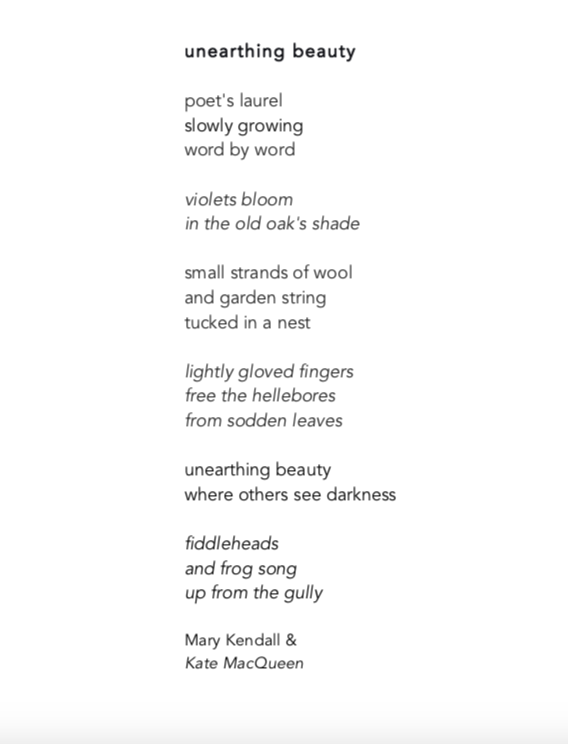
unearthing beauty (rengay)


My deepest thanks to Kate MacQueen for writing this rengay with me. It was a wonderful and illuminating experience to write with Kate. Kate’s verses are #2, 4, 6 (italicized) and mine are #1, 3, 5.


This rengay was published in Vines #3, part of the publication hedgerow edited by Caroline Skanne. 


Note: for readers not acquainted with rengay, here is a definition from “Graceguts” by Michael Dylan Welch:

“Garry Gay invented a renga alternative in the summer of 1992: the “rengay.”

“The rengay is a collaborative six-verse linked thematic poem written by two or three poets using alternating three-line and two-line haiku or haiku-like stanzas in a regular pattern. The pattern for two people is A-3, B-2, A-3, B-3, A-2, B-3, with the letters representing the poets, and the numbers indicating the number of lines in each given verse.” 

Winter light…(haiku)


a wooden cross

hangs askew

. . . winter light


Modern Haiku, Volume 49.2, Summer 2018


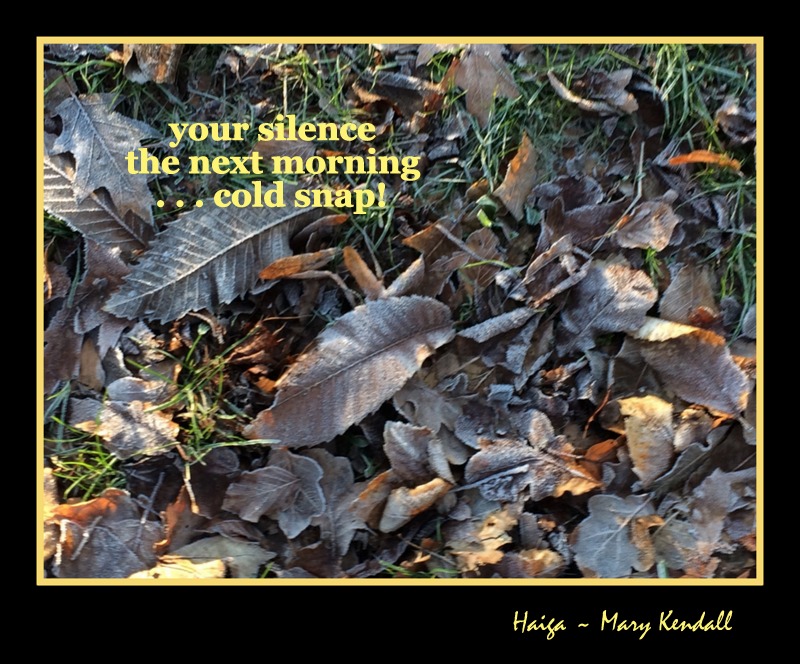
Cold snap! (haiga)


Cold snap!


This Haiga was published in Prune Juice, A Journal of Senryu, Kyoka, 
Haibun and Haiga, Issue 23, November 2017.

Note on the photo: I took this picture on a beautiful, sunny winter day in Greenwich Park, Greenwich, London. Greenwich Park is one of the beautiful Royal Parks that make city living a joy. The frost on the leaves and grass and the bright sunlight were just exquisite that morning.

A satchel full of winter longing . . . (two tanka)


two tanka cattails fall 2017


Published: cattails: The Official Journal of the United Haiku and Tanka Society October 2017 Issue

Spent blossoms . . . (honorable mention)

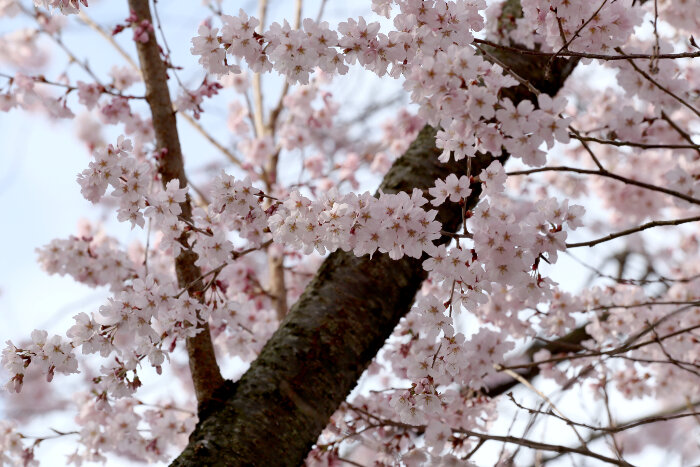
Sakura flower or cherry blossoms in Japan.


Vancouver Cherry Blossom Festival
2017 Haiku Invitational Winners

 USA
Honourable Mentions


spent blossoms—

the remission, too,

was unexpected

.
                          Mary Kendall
                         Chapel Hill, North Carolina


To view all the winners and honorable mentions, please click on this link to go to the official website:

http://www.vcbf.ca/haiku-invitational/winning-haiku/2017-winning-haiku

Note: The beautiful picture of cherry blossoms (above) is taken from the website, Flower Meaning (http://www.flowermeaning.com). Also, from this website:

What is the Sakura Flower?

While the Japanese called this flower the sakura, you likely know it as the cherry blossom instead. The blossom of the Japanese Cherry, also known as the Prunus serrulata, is technically the sakura flower. However, other varieties of blooming cherries are also grown in Japan and referred to with the same name. The cherry blossom became so popular in the Heian era of Japan’s history that the word for flower became synonymous with sakura. People have been picnicking under the blooming trees since 700 A.D., a tradition that continues today.


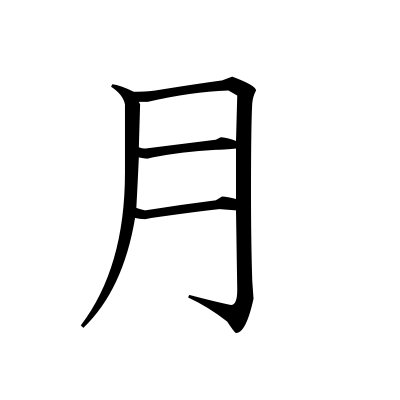
The beautiful and very short lived cherry blossoms symbolize the brevity of life. The kanji (above) is for Sakura or cherry blossom. I think the kanji is just as beautiful by itself as is a single cherry blossom.

Winter garden (a haiku)

This haiku is my first poem in the journal, Modern Haiku.


.


winter garden–
a lone crab apple
holds fast


Modern Haiku
Volume 48:1
Winter-Spring 2017


Screen Shot 2017-07-05 at 12.25.15 AM

Learning to forgive…

One more tanka appearing in Frameless Sky 4 (Summer 2016), edited by Christine L. Villa.

To hear me read the poem, just click on the link below:


050


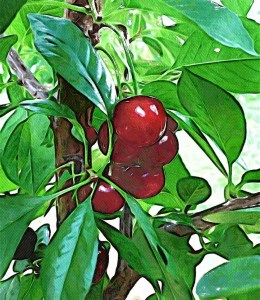
Morello Cherries

Artwork by Alexis Rotella (c) 2016

Artwork by Alexis Rotella (c) 2016


In the Tanka Café, RIBBONS: Journal of the American Tanka Society, Winter 2016: Volume 12, Number 1:


Screen Shot 2016-03-25 at 9.26.57 PM


pink-divider

Note: I would like to thank poet/artist Alexis Rotella for her beautiful rendition of these Morello cherries. I’m honored that she would create and share this lovely piece of art with me.

Marching on…


Two tanka and one haiku were published
in  A Hundred Gourds 5:2 March 2016

Screen Shot 2016-03-07 at 7.58.50 AM


~~~

A Hundred Gourds 5:2 March 2016
http://www.ahundredgourds.com

Woodsmoke…

This haiku has just appeared in The Heron’s Nest, a distinguished journal of haiku. For me, as a first time poet in this journal, it is a truly great honor for which I’m thankful.

My poem is on page 11 of The Heron’s Nest:  http://www.theheronsnest.com/March2016/haiku-p11.html


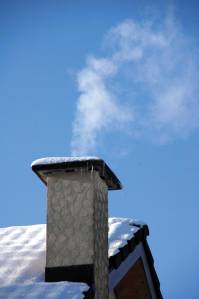
winter night—

the curl of woodsmoke

takes flight


woodsmoke


I hope some of you will click the link to The Heron’s Nest to read the full issue of wonderful haiku from around the world.


pen divider

Note: photo is in the public domain (found linked with many sources online)

Small Poems for a Cold Winter Day

10365995_10202268232493804_406270307332669213_n


In my last posting here,  I put up a new haiga that was just published in cattails, January 2016, the journal of the United Haiku and Tanka Society, but I was really very fortunate this time round in having three other poems published in the same issue: a haiku, a senryu, and a tanka.


cattails, January 2016, haiku, p. 8:


winter—
each day closing in
on itself


cattails, January 2016, tanka, p. 4: 


chased away
by a gang of crows
the red-tailed hawk—
being different
is never easy


cattails, January 2016, senryu, p. 9:


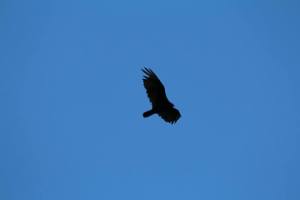
black Friday—
the vultures circle
round and round


Fly me to the moon…haiku for the season

moon2

Full Moon of the Winter Solstice (c) 2010 Martin Liebermann


As I post this, it is the morning of the winter solstice of 2015. Where I live in Chapel Hill, North Carolina, the winter solstice officially happens tonight at 11:49 pm, EST. Wherever YOU are, it will happen at a different hour or perhaps the same. Readers of this blog come from all over the world–one of the joys in blogging is seeing the list of countries of readers–and I love imagining the moon going through its magical phases for each of you. Tonight, the solstice. Later this week, a full moon. What more could we want?


These are some of my earliest haiku:


WINTER MOON HAIKU

First published on Poets Online (c) Mary Kendall

Later used as lyrics in “Winter Moon” by Paul Carey, a piece for women’s chorus in (c) 2011.


night snow
boughs dreaming
of first blossoms


Fog filled woods~
even the winter moon
has lost its way


a winter walk
footprints
tell no tales


the blue moon
silently closes the door
upon the year


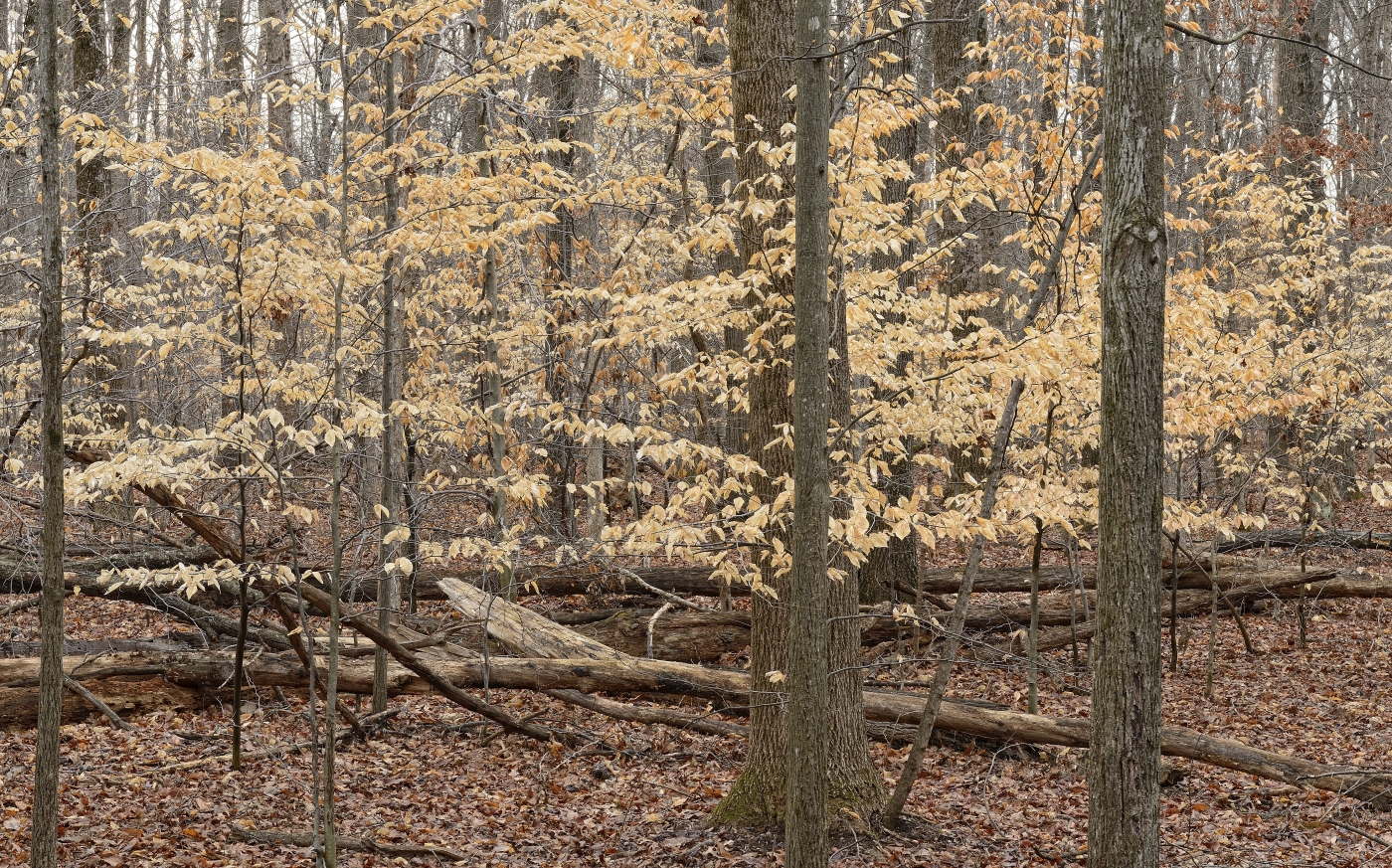
Pale Ghosts…

photo by jim clark, American Beech Trees

American Beech Trees, (c) Photograph by Jim Clark

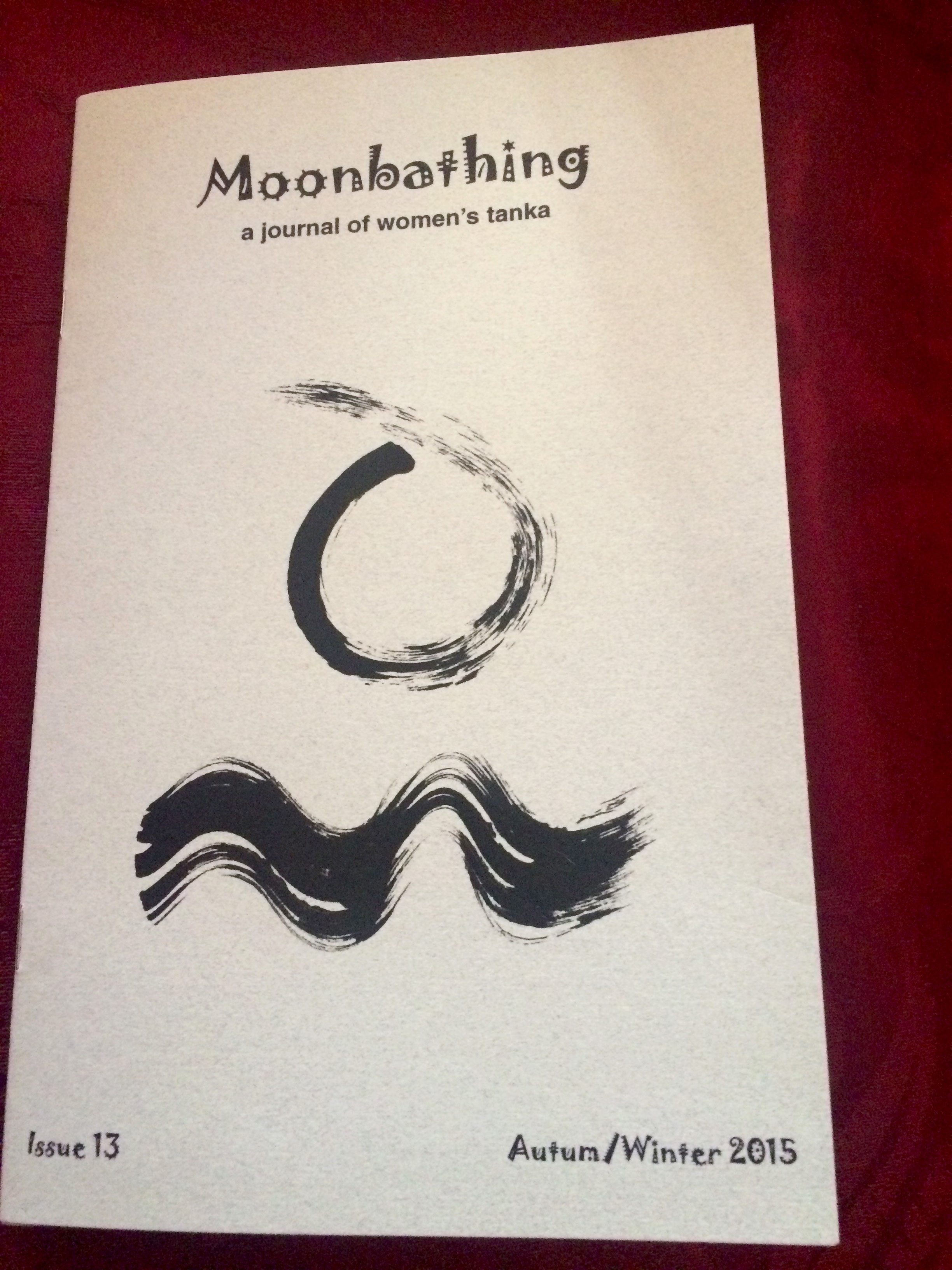
It was a very exciting moment last week for me to open up the latest issue of Moonbathing, a journal of women’s tanka, and see one of my own tanka included. To be in the company of so many very talented tanka poets is a highlight of my year.

Published by poet and editor, Pamela A. Babusci, Moonbathing is a journal that showcases the many sides of tanka. The poems cover a wide variety of experiences, emotions and subjects…and all written by talented women poets.

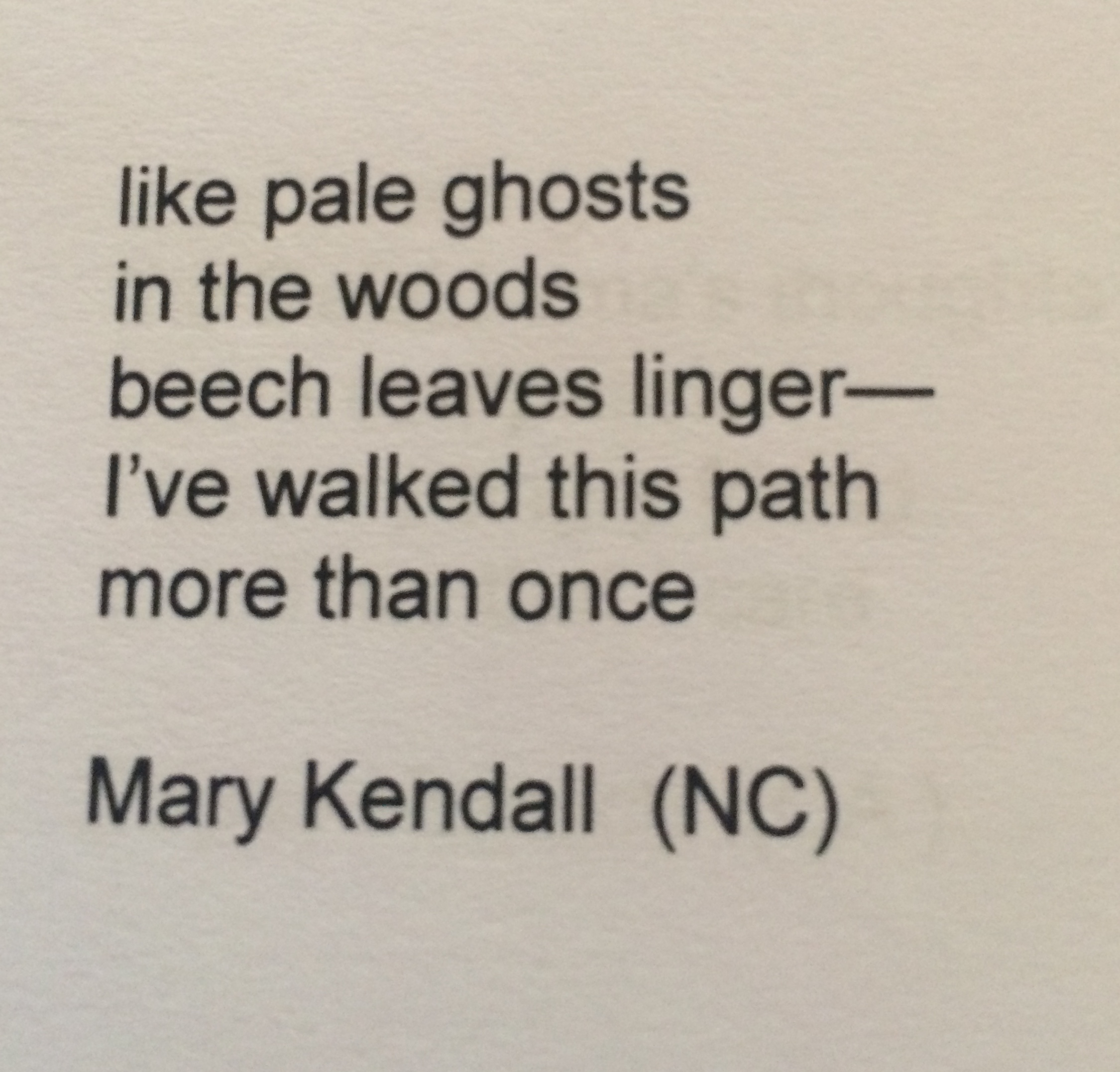
Here is my tanka:

IMG_0868


IMG_0867

Moonbathing is edited and published by Pamela A. Babusci


Beech Leaves by Walter Reeve

American Beech Leaves, (c) Photo by Walter Reeves

The Gleaners

The Gleaners

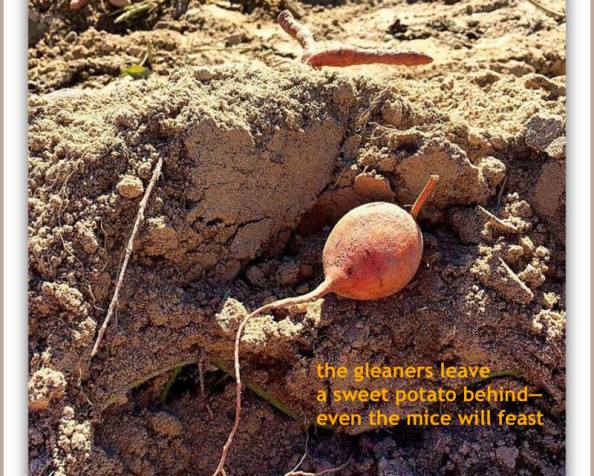
This beautiful photo was taken by a friend, Patti Hardee Donnelly. Patti is a Middle School Language Arts Teacher at the same school I retired from. Each grade level does regular community service, and the activities are varied. Last month, Patti took her Middle School Advisory to spend an afternoon of gleaning sweet potato fields. As they were working through the fields, Patti took this photograph. She very kindly let me ‘borrow’ it for this haiga.

The concept of gleaning is an ancient one. So long as people have planted fields of crops, others have followed in their wake to glean whatever food might be left behind. It doesn’t matter if the vegetables are picture perfect, so much as they provide food for those who are without. Taking a group of middle class students who are in no danger of starving is a very purposeful way of both doing community service and providing a life lesson to the students. The gleaned sweet potatoes do end up on dinner tables of people who are happy to have healthy, fresh produce. The students who do the gleaning, perhaps for the first and last time of their lives, surely learn a lot about the facts of poverty and hunger. They learn a lesson in simple compassion. How often do most of us come face to face with the pain of hunger? The answer for the majority of Americans is ‘rarely.’

Here in the United States, we have just celebrated Thanksgiving, a time in which we feast and share our meal with those we love. Soon our thoughts will move on to Christmas, Hannukah, Kwanza, winter solstice, New Year’s and a whole period of seasonal gift giving, sharing food and good spirit. Let’s stop for just a minute and think about all we are fortunate to have–we who go to bed in a comfortable place after having had adequate meals. For December, I’m going to spend some time thinking about the concept of gleaning, both the physical and metaphorical. Having borrowed Patti’s beautiful photo and ‘gleaned’ it for my haiga, I hope I can find other ways to give back to the world.

Thank you, Patti Hardee Donnelly, for allowing me to use this picture, but thank you also for teaching your students about the importance of compassion and service to others. I will always celebrate and salute teachers like you who make a real difference in so many lives.


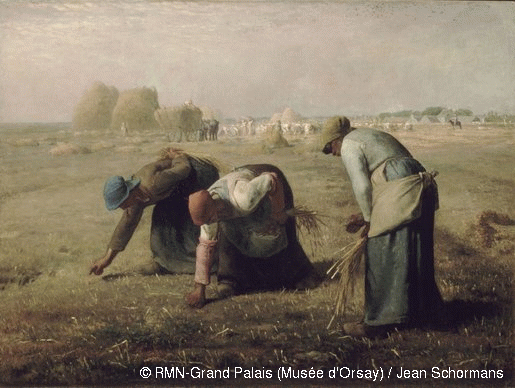
the gleaners

Jean-François Millet (1814-1875)
Gleaners, also called, The Gleaners
1857
Oil on canvas
H. 83.5; W. 110 cm
© RMN-Grand Palais (Musée d’Orsay) / Jean Schormans


Summer Poem 1~

Here in the southern part of the USA, thunder and lightning are not uncommon in summer. Days can be very hot and humid, and late afternoon lightning storms often break up the quiet of the day. Rain, when it comes, often fails to bring relief but instead adds to the high humidity. Still, there are times when just listening to the thunder and seeing the clouds grow thick and dark overhead becomes a magical experience. My friend, Jeanna Clever List, took this photograph while her family was on vacation on the coast of North Carolina. Its drama and beauty is truly exceptional.

My thanks, Jeanna, for allowing me to use your beautiful photograph to complete my haiga.


1-Sky Drums Haiga 2015 Jul 2, 2015, 2-56 PM 1244x960

faded beauty…

faded beauty haiga

Sounds of Summer Evenings by Mary Kendall (Where I Live Poetry & Photography Series)

I’m so excited to have a poem of mine included in the “Where I Live Poetry and Photography Series’ by Silver Birch Press. They have published two other poems of mine in other series, and It is always an honor to be included among their marvelous poetry selections. Thank you, Silver Birch Press!
.
Wherever you live, no matter where you might be, nighttime in summer reveals a very different world of sound. During the day we hear birds, breezes, people, mowers, airplanes, cars or sometimes just bees and hummingbird wings. At night, however, we must totally rely on our hearing to grasp all the different sounds that play out in the night chorus. Here in the south, in North Carolina where I live, summer nights are especially noisy. From frogs and owls to whipoorwills and katydids, there are times when it is absolutely deafening. I wish I had the expertise to identify all the different frogs our small garden pond must be home to. There is one frog that sounds much like what I imagine an alien creature would be like—high-pitched, very shrill and almost dizzying in its persistent song. It’s irritating enough to go inside.

.
Then there are the “call and response” night singers. I love those most of all. I can sit a long while listening to them. Occasionally I hear an owl, but lately it seems there are fewer around. I remember when we regularly had barred owls nesting in our woodland garden. Catching sight of one was always impressive, but hearing one in the middle of the night was truly haunting. I love to sit outside in our screened-in porch when it is dark. The dog often comes and sits with me listening and keeping me company. She makes no sound herself, knowing that we are the polite and attentive audience to this vast chorus of night.

.

Here is an audio recording of me reading this poem. Just click on the link below, wait a few seconds, and it will begin.

.


silverbirchpress's avatarSilver Birch Press

qing_yang
Sounds of Summer Evenings
by Mary Kendall

Sometimes at night I sit outside
In the screened-in porch out back.

In the darkness, the rustling leaves
Of the tall beech trees are blowing.

The katydids call to one another,
An evening of antiphonal refrain.

On nights when a heavy rain falls,
All you can hear are the tireless frogs

Chorusing in the garden pond.
The deep lone bass, the shrill soprano,

This diverse and discordant choir
Seems to be one of rhapsodical joy.

And then there are times when an owl
Soundlessly lands in a nearby tree

And startles me with its resonant call,
Letting me know it’s now on watch.

Two times more it calls, low and deep.
I rise and go, time now for me to sleep.

NOTE FROM THE AUTHOR: Northern by birth, I have lived for more than 35 years in North Carolina. Our summer nights are…

View original post 141 more words

Winter Moon Haiku

full moon clairmont courier

Winter Moon Haiku

These haiku were first published PoetsOnline in response to a prompt for winter haiku. In the summer of 2011, I was contacted by the American composer, Paul Carey, who asked permission to use the haiku for a commissioned composition. These were used as lyrics for “Winter Moon” by Paul Carey, a piece for women’s chorus in 2011. The work was premiered on December 8, 2011 by the Clark College Women’s Choir (directed by April Duvic).

Sadly, I’ve never gotten to hear the musical piece since I’m on the east coast and Clark College is in Vancouver, Washington. It would be my dream to get a download of that performance, but enough time has passed that I believe that won’t happen. Still, it was a true honor to be asked to use my haiku in a composition.

I’ve decided to post these haiku today because yesterday was the first full moon of the new year, 2015. Often called the Wolf Moon or Old Moon, the full moon is always a magnicent display for us to observe. I have always felt I could write more freely and easily during a full moon, though I have no proof of that. It’s just a gut feeling of a single poet.  Because these were published as part of a composition, the haiku won’t appear in any journals, so I’d like to share them with the readers of this blog. Otherwise they lie dormant in my poetry folder along with so many of their friends.

I offer good wishes to each of you for the new year. 

tsuki-moon


night snow

boughs dreaming

of first blossoms

Winter

Fog filled woods~

even the winter moon

has lost its way

WOLF_MOON_CANU-2015JAN05_022145_923.jpg

a winter walk

footprints

tell no tales

Full Moon


the blue moon

silently closes the door

upon the year

End