a gathering basket
filled with rosehips & hazels –
why is it so hard
to put back all the bits
and pieces you left behind?
Published in GUSTS: Contemporary Tanka 33 (Tanka Canada)


a gathering basket
filled with rosehips & hazels –
why is it so hard
to put back all the bits
and pieces you left behind?
Published in GUSTS: Contemporary Tanka 33 (Tanka Canada)
I am blessed with another haiku published in a favorite journal I love to read: hedgerow: a journal of small poems, issue # 132
September roses
the stone wall
hidden between us
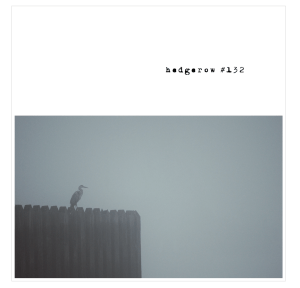
(c) 2020 Mary Kendall
Here is the third of my three tanka published in the latest issue of Gusts no. 32, Fall/Winter 2020:
even the crows
are quiet now . . .
the sudden silence
that morning snow
brings
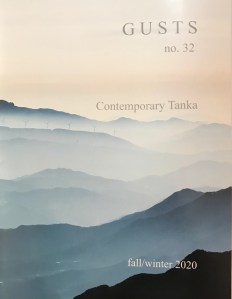
Here’s the second tanka published in
Gusts no. 32, Fall/Winter 2020
pale pink petals
scattered on the desk
one by one the days
of isolation pass,
each fading to nothing
Three tanka published in the winter edition of Gusts, Contemporary Tanka, the journal of Tanka Canada. It’s always a huge thrill to be included in this special journal of tanka. I’ll offer them one at a time.
Gusts no. 32, Fall/Winter 2020
lapis lazuli, delft blue
and French ultramarine . . .
the blueness of blue
in these tired veins
just won’t let go
Published in Gusts 31 (Spring/Summer 2020), Tanka Canada
Three tanka written and read by Mary Kendall (click on link):
how do I tell you
about the darkness
that embraces me,
uninvited
unwanted
~
a loose shutter
flaps in the storm ~
times when it’s so easy
to lose names, numbers
and where to go
~
the morning spent
ripping out
wild honeysuckle vines . . .
no matter how hard I try
you turn a deaf ear
I don’t enter many poetry contests, but I do love to see what entries win or place in contests/competitions I enjoy and admire. There is always so much to learn from other writers, of course, and it is always an inspiration to see what others produce.
One competition I really wanted to enter was the Fourth Annual Jane Reichhold Memorial Haiga Competition, which is co-hosted by Failed Haiku and Prune Juice, two of the very finest Senryu journals around. It is divided into two groups: the Traditional (i.e., with original drawn art) Category (judged by Ron C. Moss) and the Photographic/Mixed Media Category (judged by Steve Hodge). My two entries were in the second category using photographs I had taken. One was left untouched and the other was embellished by some art programs I enjoy using on my iPad.
Imagine my surprise when I found out one of my entries won First Place in the Photographic/Mixed Media Category and the other one got an Honorable Mention! Yes, I was over the moon. It’s a double honor indeed. All the other entries selected in both categories were wonderful. I really can’t imagine how an editor selects one over another, but they do. My thanks to editor, Steve Hodge for selecting both of my haiga in this competition. I am deeply honored. Thanks also to Mike Rehling and Brent Goodman who edit Failed Haiku and Prune Juice.
I’ve included the comments of the editor because it’s always great to hear someone else’s interpretation and response to a poem.


Modern Haiku, Issue 50:3, 2019
pruning roses
unable to forget her
scarred wrists
The Heron’s Nest, Volume XXI, Number 3: September 2019
dementia
the soft clay begins
to harden
The North Carolina Haiku Society hosts an all-day meeting on the last Saturday of each April. This year marked the 40th year of these days called “Haiku Holiday.” Each of the past 40 years has been hosted by one wonderful poet and woman, Jean Earnhardt

on Bolin Brook Farm, an old farmstead that has been in her family for 12 generations. Can you imagine opening up your home and garden annually to a large group of poets? Jean does so graciously and with a welcoming, inclusive attitude. Thank you, Jean!
“In honor of the 40th anniversary of Haiku Holiday, we read 40 haiku by current and past members of the North Carolina Haiku Society. Crystal Simone-Smith selected the poems and published them as a broadside.” (Dave Russo, the NCHS website Editor)
The Broadside is so beautiful, and it’s an honor to be part of this. My two haiku are listed below. My thanks to Crystal for selecting this to be included.
Haiku Holiday, NCHS, 2019
40 Years, 40 Haiku: A Broadside
Both haiku by Mary Kendall (c) 2019
1.
how many times
can a stone skip
before sinking . . .
deep in my breast
a small lump appears
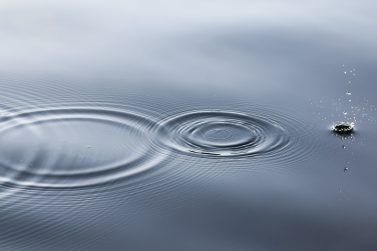
Unsplash by Linus Nylund
2.
no second guessing a kingfisher’s straight dive
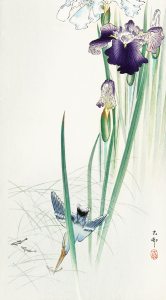
Kingfisher and Irises by-Ohara Koson, The Rijksmuseum, Amsterdam, Holland.
3.
leaves turning –
an old friendship
ends
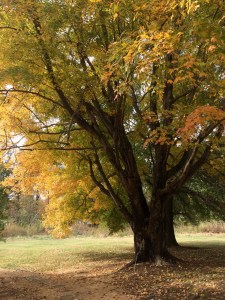
Golden Tree by Mary Kendall
ephemerae,
an international of haikai, tanka & beyond
Volume 1, C: November 2018
My thanks to Shrikaanth Krishnamurthy for publishing two of my haiku and one tanka in the November issue of ephemerae.
My first time in this journal.
Haiku Canada Review, October 2018
hospice window
cherry blossoms
fade and fall

Acorn: A Journal of Contemporary Haiku (issue 41), October 2018:
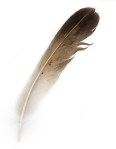
frayed feathers
beneath the dogwood tree
silence
One tanka published in:
cattails, October 2018 Issue
The Official Journal of the United Haiku and Tanka Society
told not to tell
or be a bother
a child soon finds
a world of her own
silence

In that silence, poems are born.
I urge all of you to read the full issue of cattails, which you can download as a pdf here: http://cattailsjournal.com/currentissue.html
Three tanka published in one my very favorite journals.
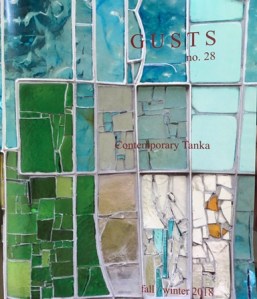
GUSTS No. 28, Contemporary Tanka
(fall/winter 2018)
pounding rains
& the peonies are lost –
how did I miss
your pallor, your reticence
that last day?
turning from pale gold
to dusky violet
our last embrace
so certain
so final
rain patter
on windows –
just when it seems
the darkness is over
it all begins again
Presence Issue 61 (2018) / three haiku and one tanka:
1.
a shadow blocks the light unwanted touch
2.
washed up –
this broken shell
once sang the sea
3.
far above
old cotton fields –
migrating swans
4.
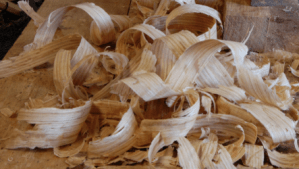
thin curls of wood
fly away
from the lathe –
his memory slips
away bit by bit
Published in Ribbons, Spring/Summer 2018: Volume 14, Number 2
the squeak
of the old swing . . .
only four when carefully taught
to keep that secret
to myself
This tanka was published in the Tanka Café of Ribbons
the little girl’s doll
marred by lipstick
scrawled on her face
. . . maybe this time
mother will notice

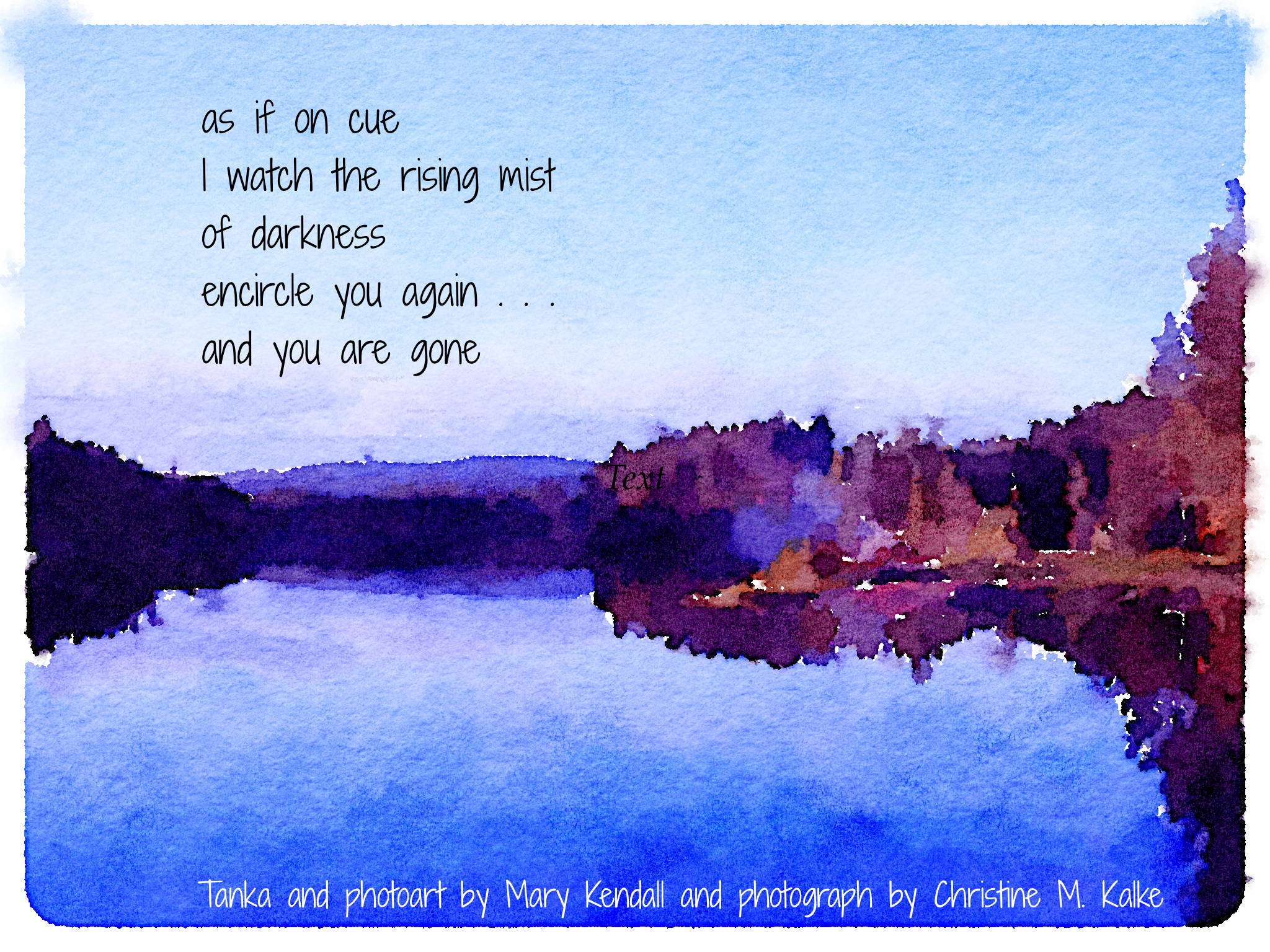
Published: Failed Haiku, a Journal of English Senryu, Volume 3, Issue 31,
July 2018
Guest editors: Lori A. Minor and Chase Gagnon
Primary editor: Michael Rehling
Note: I’d like to thank my dear friend, Christine M. Kalke for her permission to use her beautiful photograph that was taken in Scandinavia during one of her visits. The digital art work was done by me.

Also appearing in Skylark, a Tanka Journal, Volume 5, Issue 2, Winter 2017 is this piece of Tanka Art. The photograph was taken by me in the cemetery of Holy Trinity Church (where William Shakespeare is buried) in Stratford-Upon-Avon, UK in 2015.
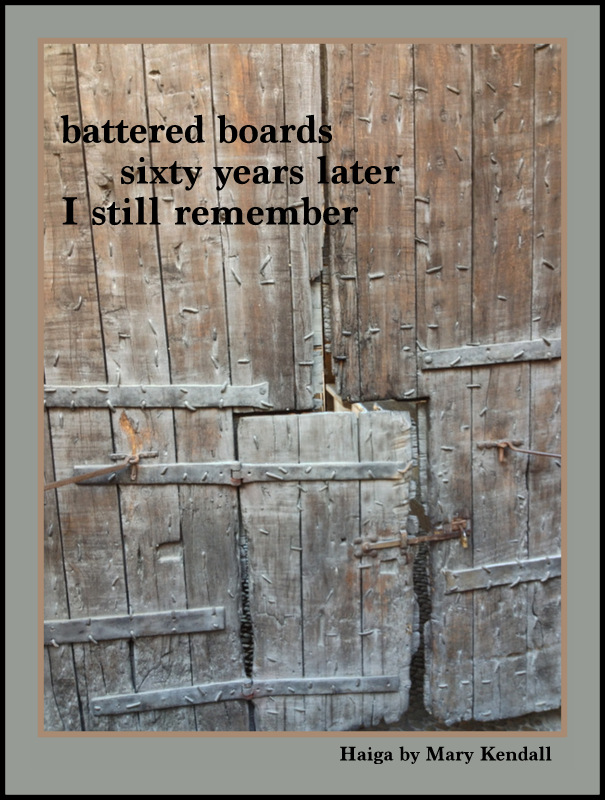
This Haiga was published in Prune Juice, A Journal of Senryu, Kyoka,
Haibun and Haiga, Issue 23, November 2017
Note on the photo: In 2013 I visited Avignon, France, which is where this picture was taken of the outside of the Palais des Papes. It dates back to the 14th century.
This Haiga was published in Failed Haiku: A Journal of English Senryu, October 2017.
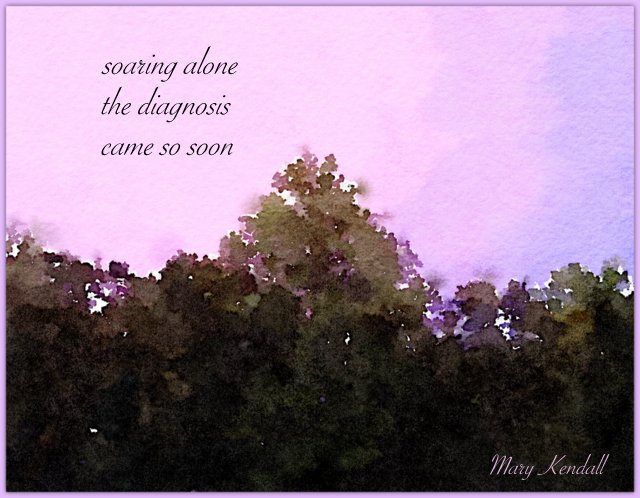
The artwork was done using Waterlogue.
This poem was selected as an Editor’s Choice (EC) – Haiku in cattails by Geethanjali Rajan, haiku editor of this journal, whose comments are given here:

Published: cattails: The Official Journal of the United Haiku and Tanka Society October 2017 Issue

Tanka by Mary Kendall (c) 2017

Both haiku were published in the final edition of Wild Plum. I’m honored to be included.
Luna moth
this brief life
soon eclipsed
~Mary Kendall~
Published in Presence Issue 58, July 2017
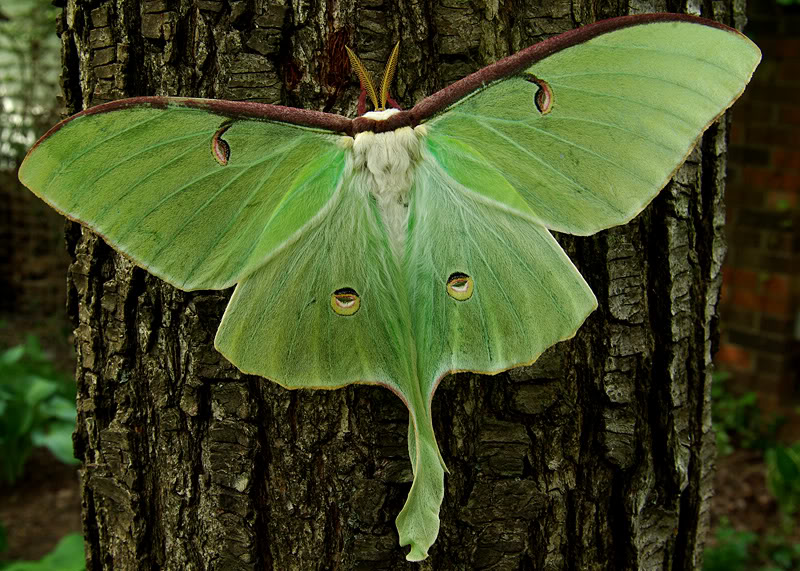
Luna Moth, photographer unknown
Ribbons Spring/Summer 2017: Volume 13, Number 2
a soft rain falls
as you work in the garden …
what I’d give to read
the chapters of your life
you never share
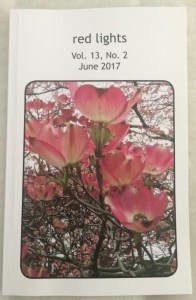
Red Lights, Volume 13, No. 2, June 2017
peeling an orange
in one long strand –
trying hard to hold on
to all I remember
of those now gone
a wooden pew
empty and waiting . . .
colored light
from stained glass
cupped in my hands
My thanks to editor and poet, Marilyn Hazelton, who published these tanka in the most excellent Red Lights.
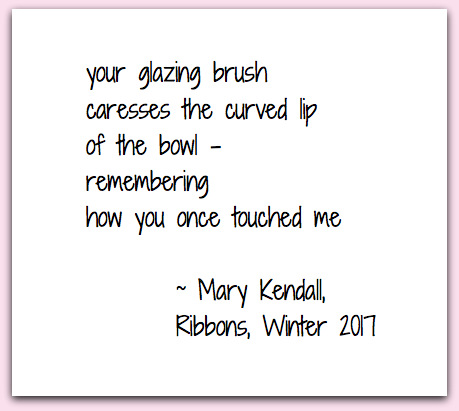
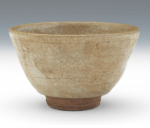
Ribbons, Winter 2017: Volume 13, Number 1
Journal of the Tanka Society of America
Edited by David Rice
I am always thrilled to have a haiku chosen for The Heron’s Nest. This is the first time a haiku of mine has been selected as an editors’ choice.
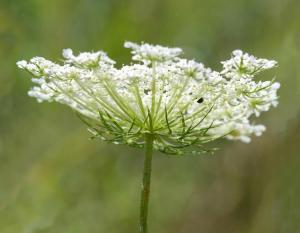
Queen Anne’s lace –
a childhood spent
in second-hand clothes
Haiku by Mary Kendall, published in The Heron’s Nest, Volume XIX, Number 1: March 2017
Here is a link so you can read the whole issue of The Heron’s Nest: http://www.theheronsnest.com/index.html
In the March issue of the haiku journal, Brass Bell, the theme was haiku by/about women. The offerings in the journal make for excellent reading. Please do go and enjoy the issue, edited by poet/editor, Zee Zahava, who always produces something worth enjoying.
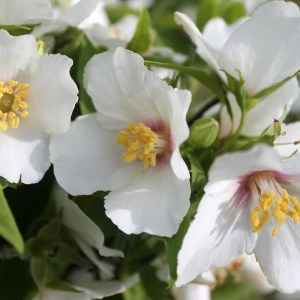
scent of mock orange—
all the years spent
doubting myself
haiku by Mary Kendall (c) 2017 in Brass Bell, March 2017 Poems by Women
To read the full issue of Brass Bell, please go to: http://brassbellhaiku.blogspot.com or
http://brassbellhaiku.blogspot.co.uk
I’ve had two haiku and one haiga included in the newest edition of Wild Plum, a haiku journal, 3:1 Spring & Summer 2017.
unforgettable—
the taste of zinfandel
on your lips
forgiveness
the new year’s moon
lights the way

March brings lots of wonderful poetry journals. Another favorite of mine is
Wild Plum, a haiku journal, 3:1 Spring & Summer 2017. The journal is edited by Gabriel Sawicki. This journal is based in Poland, and it has a very international group of readers and contributors. The haiga editor is Maria Tomczak. I hope you will go to their journal directly and read it in full. It’s a very beautiful journal (lovely cover art by Azi Kuder. I’ve added a link at the bottom of this posting.

Here’s a link to the complete version of this lovely haiku journal:
It is very exciting to be part of a collection of poems and art by so many women I admire. Thanks to editor (and poet), Caroline Skanne, I have a haiku and three tanka included. The title and theme of “wild voices” was given to us to interpret in any way we chose. I urge those of you who love poetry to purchase a copy of this anthology for yourself and/or for a gift.
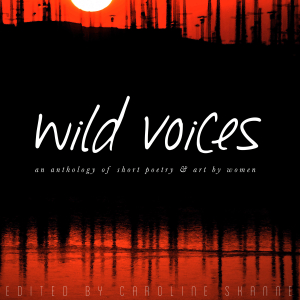
Wild Voices, An Anthology of Short Poetry & Art by Women
edited by Caroline Skanne, February 2017
***book available:https://wildflowerpoetrypress.wordpress.com/current-titles/
This title is also available on amazon.com or amazon.co.uk
Here are my poems that appear in this lovely anthology:
the softness
of a raspberry
on my tongue…
I remember our long
first kiss
wild honeysuckle
heady and sweet—
your hold
on me
just as strong
a softness of spring
flecked with apple blossoms ~
the morning you died
darkness swept in
lost and wild
foxglove—
danger hidden
in such beauty
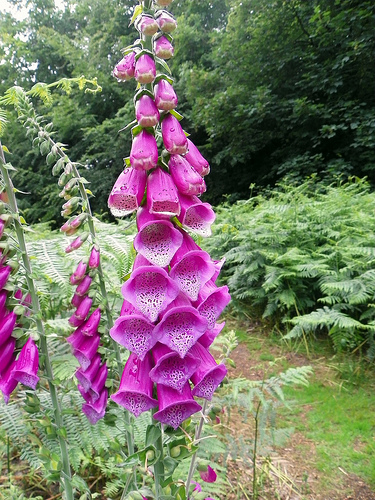
Foxglove, also known as Digitalis purpurea
If you choose to hear this tanka read aloud, simply click on this link:
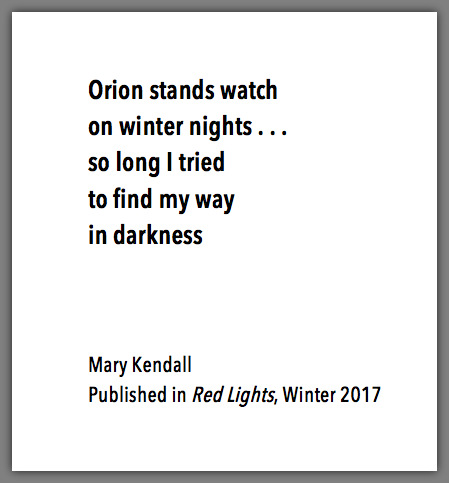
I am so pleased to be published for the first time in Red Lights. Edited by Marilyn Hazelton, Red Lights is one of the quality tanka journals.
Where do poems come from? Anyone who writes poetry asks that question and has that question asked of them by others who wonder how a poem comes to be. There are many articles and books on the subject, but still there is no single answer. Every poet writes differently and often in a lifetime writing patterns and habits might change, too.
To show you how oddly this can happen, I’ve decided to post a poem that appeared in my chapbook, Erasing the Doubt (published 2015 by Finishing Line Press). “Walking Away” is a poem that has its own style, its own cadence and its own meaning. If I were to read this somewhere, I think I’d say it feels very much like an old fashioned poem, as if it echoes a voice from long ago. How did that happen? There is an unusual story behind this poem and how it came to be. It came to me as a whole poem when I was up late writing and suddenly became very, very tired. It appeared almost dreamlike to me. I typed it up quickly, read it once and went to bed. When I read it the next day, it didn’t feel or sound like me, but obviously I had written it. Strange indeed. This experience happened only once in my life.Was another poet speaking through me? Or was this merely a side freed from regular consciousness because of fatigue?
I’d love to hear your comments on this poem and what it means to you when you read it. Feel free to leave a message
I’ve recorded this poem if you care to listen as well as read. Just click on this link:
When you go, where do you wander?
When you leave me, do you look back?
I sit here, book in hand, not reading.
The wind blows fiercely through now.
They asked how long you had been silent,
And I answered with a lie, which
Was not the truth but might have been.
The wind blows silently through now.
Did you hear me whispering to you?
Did you hear what I had to say? Or did
I turn away and only mouth the words?
The wind blows piercingly through now.
Where do you go when you wander?
Tell me what you see. When you look
At me, I feel you walking away.
Lamenting the darkness, the wind blows softly now.

“Walking Away” was published in Erasing the Doubt by Mary Kendall (c) 2015, Finishing Line Press.
If you would like to hear me read this poem, please click on the audio link below. It will take a few seconds to load.
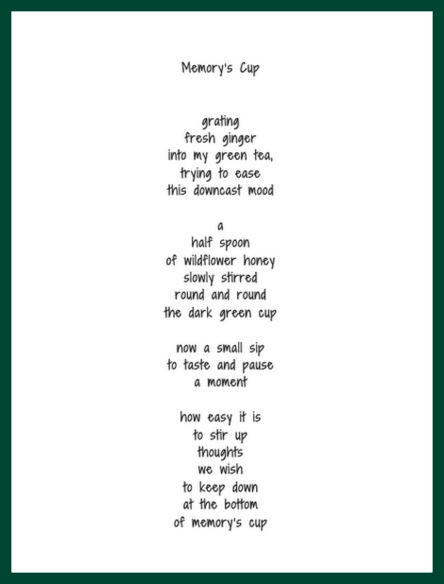
Depression is not very pretty. Nor is it very kind. It has many faces, and it comes and goes as it pleases. It can affect almost anyone. If you are someone who has struggled with depression, you know it never goes away completely but hides, waiting for the right moment to reappear. It isn’t something to be lightly dismissed in yourself or in others who suffer from it. Who hasn’t seen the devastating effect it can have on a vulnerable person? I’ve struggled with it, and I’ve certainly known many others who were also affected by it.
.
Watching someone you love battle depression is never easy. It isn’t easily “fixed,” even in this age of modern medicine. Therapy and medicines are there, and for some people they help so much, but for others, less so. Compassion, patience, unconditional love and presence are the lifelines we can offer…to someone else and to ourselves.
.
To listen to me read this poem, please click on the link below. It will take a minute to begin.
.
.
Compassion
Taking on your pain was something
I tried to do, like slipping on your
jacket, pushing an arm in and then
another, pulling it tight around myself,
hoping that by feeling what you do,
it would diminish your pain.
No matter how hard I tried, it wasn’t a fit.
Your depression fell around me in loose
folds, the sadness sagging around my heart.
Besides, it would leave you cold, open
to the fickle winds that blew your way.
Compassion was first published in Erasing the Doubt by Mary Kendall
(Finishing Line Press © 2015)
The Ekphrastic Review: writing and art on art and writing, has published my poem, “Sunday Morning.”
Let me give you a brief “back story” on this poem. Many years ago, I stopped writing completely for around twenty-five years. Total silence in my life. I don’t know why it happened, but it did. After what can only be be termed a spiritual experience on a trip to the Fijordland in New Zealand, poetry somehow magically entered my life again. I can’t explain this. It just happened, and I know it happened for a reason. This poem was the first complete poem I wrote when my poetic “voice” returned, and it’s only been read by one other person until today. It’s taken me about fifteen years to gather courage to submit it anywhere. My deepest thanks to editor, Lorette C. Luzajic, for publishing this piece.
Here is the link to the journal: http://www.ekphrastic.net/ekphrastic/april-21st-2016
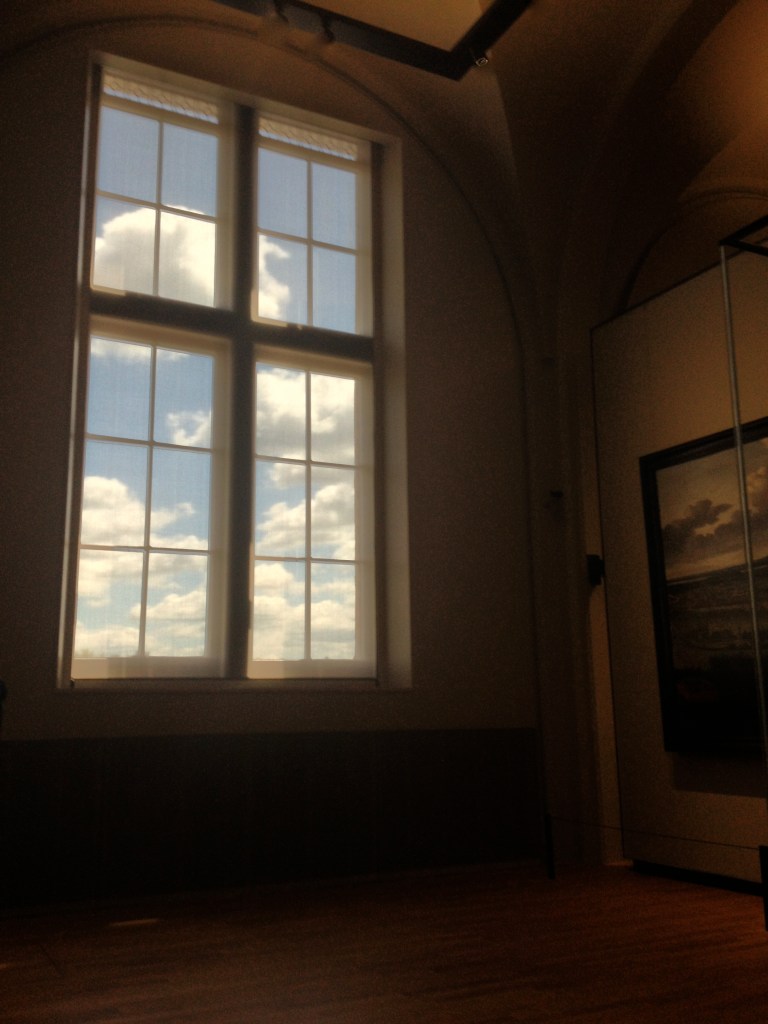
Rijksmuseum, Out the Window (c) 2013 Mary Kendall
Sunday Morning
Hymns unsung, prayers unsaid,
I sat by the window and prayed
for forgiveness one more time;
one more time I begged.
Holding the cup of coffee in my hand,
I hoped the warmth would fill me
where your words had left me cold,
but I knew nothing could do that—
fire can burn for hours and be unfelt.
Hymns unsung, prayers unsaid,
I lay down on the empty bed, pulling
the blanket across my cheek, turning
from the window, from the sky
and the sun, praying for some rest.
Note: The window in the photo is not, of course, the window of the poem. I love taking pictures of windows when I travel, especially indside looking out. This photo was taken in June 2013 when my husband and I were in Amsterdam, visiting the beautiful Rijksmuseum.

