.
Published in red lights, volume 18, no. 2, June 2022
.
.
with healing hands
placed over my heart,
I hear its whispering
voice between beats—
forgive, forgive, forgive
~~~


with healing hands
placed over my heart,
I hear its whispering
voice between beats—
forgive, forgive, forgive
~~~
The third (and last) tanka published in the latest issue of Gusts:
does inner life
start or end in the heart
I heard it for the first time
in a deep red canyon,
that distant river of me
GUSTS no. 35, Contemporary Tanka,
Spring/Summer 2022 Tanka Canada
a gathering basket
filled with rosehips & hazels –
why is it so hard
to put back all the bits
and pieces you left behind?
Published in GUSTS: Contemporary Tanka 33 (Tanka Canada)

Moonbathing, Issue 23, Fall/Winter 2020
hot roasted nuts
heaped into a paper cone –
all that burning anger
you hold onto
so tightly
Photograph by Monika Topolko
As an aside, I am realizing my age is showing. Do young people today even know about folks roasting chestnuts (or other nuts) and buying a brown paper cone full of piping hot nuts to eat on the street? I first came across this in Istanbul when I was young. The scent, heat, taste on a chilly autumn afternoon was one of those moments that has stayed with me all my life. Europeans had this custom, but does anyone still do this? The fragrance was so tempting.
Today I realized I’d forgotten to post a number of poems published this year (2020), so here they are. I hope you enjoy reading them.
Ribbons 16:2 (spring 2020)
.
icebergs drift and melt
and furious fires rage
will this earth dissolve
into rivulets
of decisions poorly made?
~
Frameless Sky, Issue 12, 2020
soft ripe plums
sitting on the sideboard ~
wouldn’t it lovely
to know you’re
so desiredPresence 66
.
tiny fledglings
with wings outstretched
take that first leap—
how old were we
when doubt began~
wind spilling
from copper rain bells
unbroken drought.
~
impossible
to count them
fireflies
I am delighted to have one tanka and two haiku in the latest issue of Presence:
Presence, Issue 67, July 2020
bitter wind
the maple’s heart
still frozen
~
once so innocent
we had to make up sins
. . . first confession
~
I tried to bury
those memories
for so long…
the raw scent
of freshly plowed earth

This tanka was published in Hedgerow, a journal of small poems ~ #130, Winter 2020
we turn away
from all we just can’t face—
the glistening red
of a vulture’s head
emerges from a carcass
Poet’s note:
Out of decay comes art and beauty. Look what artist Georgia O’Keefe created from a skull found where she lived in New Mexico. All is part of nature and is nature.
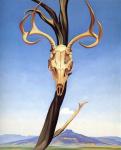
Deer’s Skull with Pedernal by Georgia O’Keefe (c) 1936
Where I live in central North Carolina, we have plenty of black vultures and turkey vultures. They circle and gather in the sky when there is carrion to be had. I chose this topic for the tanka because it’s a scene I’ve seen more than once. Yes, it’s not a pretty sight. Vultures, especially when eating a dead animal or gathering in a group in a tree or abandoned house do give you shivers. Something in us seems to respond with at least a momentary revulsion. However, I’m a bird lover and I try to see how a specific species fits into the scheme of things. Vultures and crows do eat carrion, the flesh of dead animals, often of roadkill along our roads and streets. They perform a good service by eating their meal and cleaning the mess up. Imagine all those dead animals left to rot. So these birds help us as they go about their business (albeit unpleasant business to us). They are birds we should appreciate for their useful role in nature. They also offer us a wonderful metaphor.
My thanks to editor, Caroline Skanne for being the one editor who chose to publish this poem.
Published in Gusts 31 (Spring/Summer 2020), Tanka Canada
Three tanka written and read by Mary Kendall (click on link):
how do I tell you
about the darkness
that embraces me,
uninvited
unwanted
~
a loose shutter
flaps in the storm ~
times when it’s so easy
to lose names, numbers
and where to go
~
the morning spent
ripping out
wild honeysuckle vines . . .
no matter how hard I try
you turn a deaf ear
Published in FROGPOND, Volume 43:1, Winter 2020:
widowhood
day blurs into evening
into night . . .
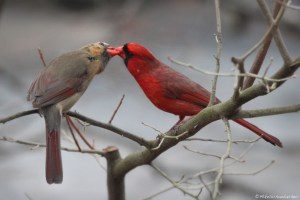
Woods Hole, MA – 3/30/14

I don’t enter many poetry contests, but I do love to see what entries win or place in contests/competitions I enjoy and admire. There is always so much to learn from other writers, of course, and it is always an inspiration to see what others produce.
One competition I really wanted to enter was the Fourth Annual Jane Reichhold Memorial Haiga Competition, which is co-hosted by Failed Haiku and Prune Juice, two of the very finest Senryu journals around. It is divided into two groups: the Traditional (i.e., with original drawn art) Category (judged by Ron C. Moss) and the Photographic/Mixed Media Category (judged by Steve Hodge). My two entries were in the second category using photographs I had taken. One was left untouched and the other was embellished by some art programs I enjoy using on my iPad.
Imagine my surprise when I found out one of my entries won First Place in the Photographic/Mixed Media Category and the other one got an Honorable Mention! Yes, I was over the moon. It’s a double honor indeed. All the other entries selected in both categories were wonderful. I really can’t imagine how an editor selects one over another, but they do. My thanks to editor, Steve Hodge for selecting both of my haiga in this competition. I am deeply honored. Thanks also to Mike Rehling and Brent Goodman who edit Failed Haiku and Prune Juice.
I’ve included the comments of the editor because it’s always great to hear someone else’s interpretation and response to a poem.


As Memorial Day approaches, thoughts of all who have sacrificed for our country come to mind. There have been so many wars, so many skirmishes, so many of our service people posted to regions far away from their homeland. The work they do in times of war or in conflict is something that requires a level of courage I don’t have. Yet we can all pay them our deepest respects and honor those who have died as well as those who came home. They have made this country what it is.
This haiku was published in Frogpond 42.1, Winter 2019 (Haiku Society of North America)

Part 2:
Prune Juice, A Journal of Senryu, Kyoka,
Haibun and Haiga,
Issue 26 – November 2018
Four Senryu:
reproach –
finding a way back
from heated words
~
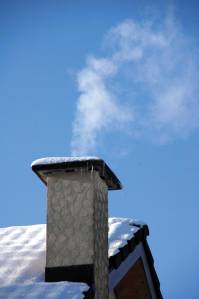
overanalyzing–
the smell of wood smoke
on the wind
~
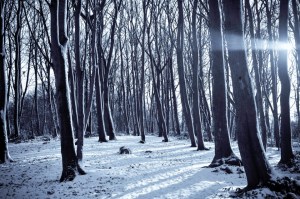
winter walk
learning to negotiate
what can’t be seen
~
the house
where I was born
weeds & more weeds

Photograph by Marina Shemesh
Ribbons, the Journal of the Tanka Society of America Fall 2018: Volume 14, Number 3
the long scar
down your chest
almost healed —
so hard to forget
you almost disappeared
Ribbons, the Journal of the Tanka Society of America
Fall 2018: Volume 14, Number 3

One tanka published in:
cattails, October 2018 Issue
The Official Journal of the United Haiku and Tanka Society
told not to tell
or be a bother
a child soon finds
a world of her own
silence

In that silence, poems are born.
I urge all of you to read the full issue of cattails, which you can download as a pdf here: http://cattailsjournal.com/currentissue.html
cattails, October 2018 Issue
The Official Journal of the United Haiku and Tanka Society
black swan
the beauty
in difference
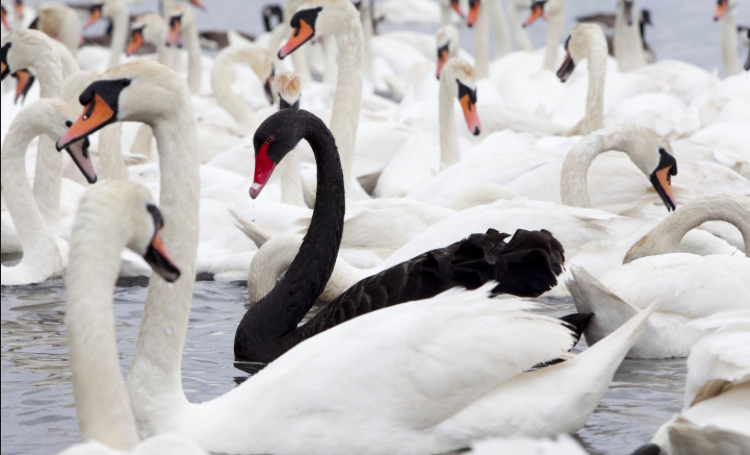
Credit:Bournemouth News / Rex Features
I urge all of you to read the full issue of cattails, which you can download as a pdf here: http://cattailsjournal.com/currentissue.html
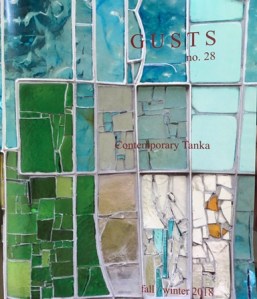
Three tanka published in one my very favorite journals.
GUSTS No. 28, Contemporary Tanka
(fall/winter 2018)
pounding rains
& the peonies are lost –
how did I miss
your pallor, your reticence
that last day?
turning from pale gold
to dusky violet
our last embrace
so certain
so final
rain patter
on windows –
just when it seems
the darkness is over
it all begins again
Two haiku and one tanka in Kokako 29, 2018, a journal of the New Zealand Poetry Society:
where the house
once stood
only cherry blossoms
billowing fog
the burden of keeping
your secret
rosé bottle
the forgiving vagueness
of frosted glass
the morning
after

no attribution for this lovely picture I found online
Photo: aperture art blur/Pixabay
My thanks to my friend and fellow poet, Iliyana Stoyanova
for writing this tanka sequence with me.
Blithe Spirit, the Journal of the British Haiku Society, August 2018
ONE FRAME AT A TIME
A Tanka Sequence
by Mary Kendall (USA) and Iliyana Stoyanova (UK)
camera in hand
you tame the world
click by click …
living your life
one frame at a time
(MK)
the old album
asleep in dust
for all these years
the last two pages
stuck together
(IS)
so alike
everyone said
we could be twins
but then one day
a letter arrived
(MK)
through the open windows
spring wind…
by the ballerina box
my old ribbons tangled
like childhood memories
(IS)
in my hands now
a forty-year-old picture
of an unknown aunt
a tiny birthmark
same as my own
(MK)

Photo from Freeimages.com
Presence Issue 61 (2018) / three haiku and one tanka:
1.
a shadow blocks the light unwanted touch
2.
washed up –
this broken shell
once sang the sea
3.
far above
old cotton fields –
migrating swans
4.
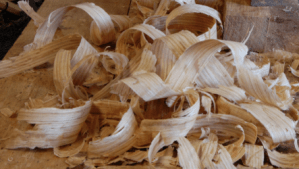
thin curls of wood
fly away
from the lathe –
his memory slips
away bit by bit
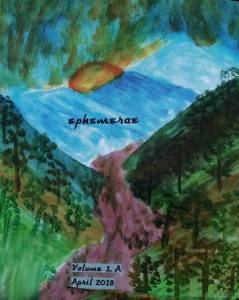
Ephemerae, a new journal of hakai, Volume 1A, April 2018 has just been published in the U.K. I am honored to have two tanka included in this first edition. Edited by Shrikaanth K. Murthy, there are over 160 fine poets included from around the world.
returning again
to the faded notes
scribbled in margins
I search for traces
of who you really were
…
reflected
in a bookshop window
sun glinting behind
your image imposed
over mine
Both tanka (c) 2018 Mary Kendall
Skylark Tanka Journal 6:1, Summer 2018:
Two tanka
old walking stick—
once it was
a branch
that stretched
to the sky
. . .
all those years spent
twisted in shame –
cultivating old world roses
but still ignoring
the thorns
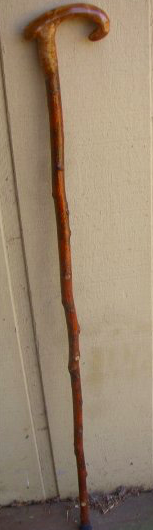
A beautiful walking stick made in the traditional manner.
Prune Juice, Journal of Senryu, Kyoka, Haibun & Haiga, Issue, 24, Spring 2018:
two senryu and one kyoka published
pulling a single
strand of silken thread …
her undoing
…
sipping skinny lattés
they march against
world hunger
…
a slight limp
on cold and rainy days
how easy it is
to fall out of step
with myself
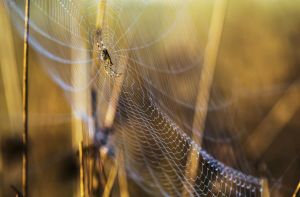
Orb Weaver Web / Photo by Robert Potts/Getty Images
This tanka was published in Skylark, a Tanka Journal, Volume 5, Issue 2, Winter 2017:
The following tanka is dedicated to the courageous people who participated in the “Moral Mondays” in my home state of North Carolina. They risked arrest for gathering at the State Legislature to protest unfair and discriminatory legislation being passed. These protests were non-violent and led by the Reverend William J. Barber.
Moral Monday –
arm and arm linked
you choose to step
into the darkness
to find the light


This Haiga was published in Failed Haiku: A Journal of English Senryu, October 2017.
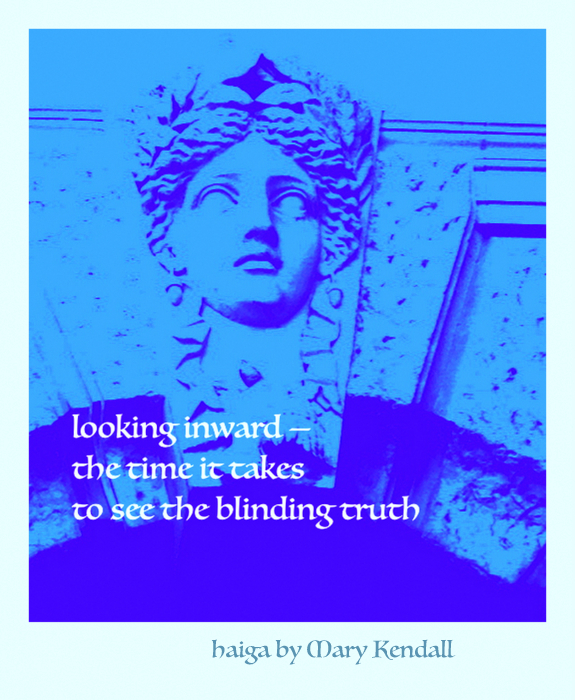
faded numbers
tattooed on your arm
I slip back in silence
.
~Mary Kendall~
Published in Presence 58 July 2017
.
.
Back story on this tanka. In 1972 I visited friends in Israel. As a tourist, I was eager to see the historical sites, one of which was Masada, site of a group suicide where a Jewish community was surrounded by Roman soldiers. The Jews chose suicide rather than be taken as captives. As I stood high up on the hilly site with other visitors, it was very, very quiet. It was after all a sacred place. An older man stood next to me, and I happened to glance at him also looking out at where the soldiers would have been waiting, hoping to starve out the isolated Jewish community. I noticed on his arm, faded numbers–numbers, of course, indicating he’d been captive in a Concentration Camp. The poignancy of him being there has stayed with me for over forty years. Never again, please Lord, shall we do such things to our fellow men.


Both pictures are from travel sites to and in Israel. Masada is located in the Judean desert, very close to the Dead Sea. Visiting these sites is like stepping back two thousand years. I am so grateful for having had this opportunity to visit.
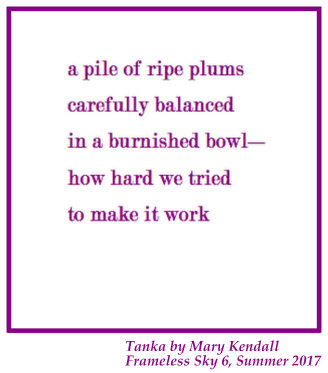

Photograph of plums by Renee Johnson
Ribbons Spring/Summer 2017: Volume 13, Number 2
a soft rain falls
as you work in the garden …
what I’d give to read
the chapters of your life
you never share
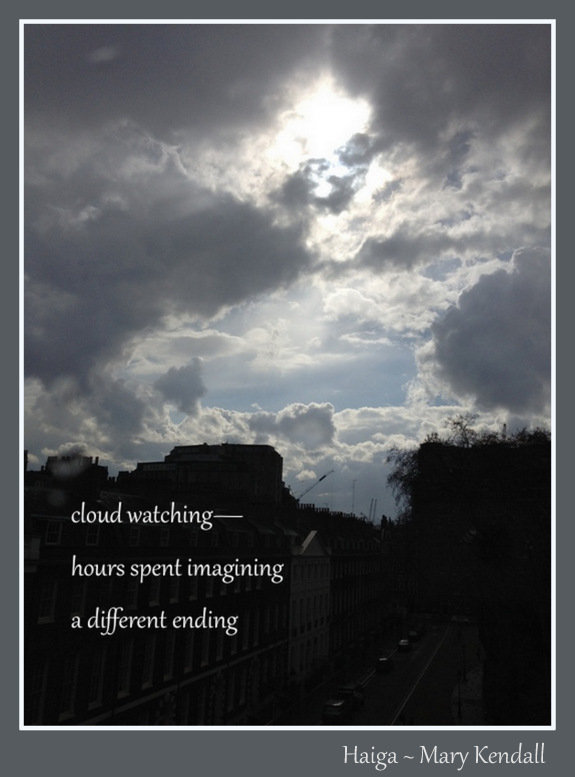
Published in Prune Juice, A Journal of Senryu, Kyoka,
Haibun and Haiga, Issue 22, July 2017
I am always thrilled to have a haiku chosen for The Heron’s Nest. This is the first time a haiku of mine has been selected as an editors’ choice.
Queen Anne’s lace –
a childhood spent
in second-hand clothes
Haiku by Mary Kendall, published in The Heron’s Nest, Volume XIX, Number 1: March 2017
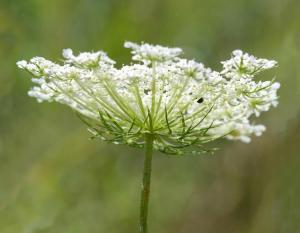
Here is a link so you can read the whole issue of The Heron’s Nest: http://www.theheronsnest.com/index.html
The Ekphrastic Review: writing and art on art and writing, has published my poem, “Sunday Morning.”
Let me give you a brief “back story” on this poem. Many years ago, I stopped writing completely for around twenty-five years. Total silence in my life. I don’t know why it happened, but it did. After what can only be be termed a spiritual experience on a trip to the Fijordland in New Zealand, poetry somehow magically entered my life again. I can’t explain this. It just happened, and I know it happened for a reason. This poem was the first complete poem I wrote when my poetic “voice” returned, and it’s only been read by one other person until today. It’s taken me about fifteen years to gather courage to submit it anywhere. My deepest thanks to editor, Lorette C. Luzajic, for publishing this piece.
Here is the link to the journal: http://www.ekphrastic.net/ekphrastic/april-21st-2016
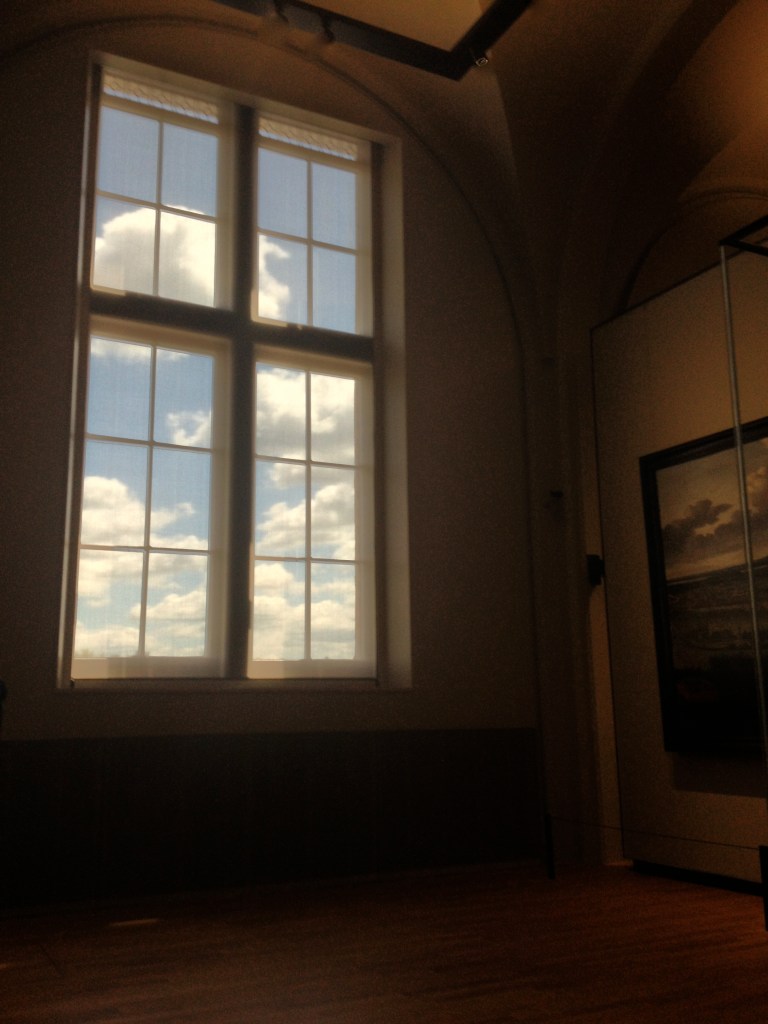
Rijksmuseum, Out the Window (c) 2013 Mary Kendall
Sunday Morning
Hymns unsung, prayers unsaid,
I sat by the window and prayed
for forgiveness one more time;
one more time I begged.
Holding the cup of coffee in my hand,
I hoped the warmth would fill me
where your words had left me cold,
but I knew nothing could do that—
fire can burn for hours and be unfelt.
Hymns unsung, prayers unsaid,
I lay down on the empty bed, pulling
the blanket across my cheek, turning
from the window, from the sky
and the sun, praying for some rest.
Note: The window in the photo is not, of course, the window of the poem. I love taking pictures of windows when I travel, especially indside looking out. This photo was taken in June 2013 when my husband and I were in Amsterdam, visiting the beautiful Rijksmuseum.
My very first tanka sequence was published in RIBBONS: Journal of the American Tanka Society, Winter 2016: Volume 12, Number 1. My thanks to editor, David Rice, for suggesting to me that these three tanka would work best in a sequence.


“Acceptance” Photograph by Iosatel (c) 2015
Should you wish to listen to the poem, click on the link below. It will take a few seconds to begin.
Acceptance
There—on the far side of memory’s window—
You stand there on the outside looking in.
Distanced, safe from the rawness of our lives,
You are given a choice whether to judge us
Now or see if we try to make amends, to heal
The hearts that have been torn at the edges,
Frayed by the refusal to forgive, and let others
Move on, a final repentance, a simple lesson
Of learning to forgive our own mistakes, our
Choices or the decisions we came to regret.
Life is not all black and white, but endless shivers
Of grey, silver, and ebony; hues of cream, ivory
And moonlight, and beautiful colors begin to bleed
Into our fabric when we accept others as they are.
Paths get worn by walking, grass just wears away.
Road crosses road, briefly intersecting, and then
Leading to new and unexplored places where
There might be answers if we put aside our slanted
Views and look well beyond our differences.
Beneath this fragile shell of life we are the same.
Why is this simple lesson so hard to learn?

Note: The main photograph (at the top of this page) used with this poem is a beautiful piece by the photographer, Iosatel. It appears on his photography blog, The Obvious and the Hidden, http://theobviousandhidden.com.
His black/white pictures are both beautiful and mysterious. Along with the intriguing pictures are his titles, which never fail to interest his many followers. This photo was entitled, “Acceptance.” It was this that began this poem. My warmest thanks to Iosatel for allowing me to use this photograph with my poem, ‘Acceptance.’


