
Category Archives: meditative poetry
And then again, the past comes back
This is a reblog from eleven years ago. It wandered all that way into my thoughts on a quiet Saturday afternoon in mid-August of 2026.
So much has happened in eleven years. We are a changed country, a transformed world. The seas have risen, glaciers melted and weather controls life in a new way. The world seems to be at war with everyone, and our beautiful American democracy is at a dangerous level of risk that increases each and every day. There is quite often a feeling of heaviness and despair when listening to or reading the news. So many of these changes are not for the good of mankind, but that is a topic for many discussions and more poems. And so we wait for that rush of wild wind of change to surprise us and clear the air and world of darkness, unkindness and injustice.
I’ve chosen this particular blog post from 2015 because it deals with memory and its peculiar traits. I hope some of you will enjoy reading the whole posting and how it came to be.
(Feel free to leave a comment about your own thoughts about memory and time.)
Here you go:
The Mutability of Memory
Posted on by Mary Kendall
All of us have memories. Good memories. Bad memories. Memories we love to revisit over and over. Memories we push far back, hoping they will disappear. Some memories are vivid, while others are dreamy and vague. A few are very, very real as if they just happened, but others feel as if they stories that happened to someone else rather than us.
Memories can be haunting. Memories can be triggered by all sorts of things—from a taste that evokes brilliant memories from early childhood to a scent of burning leaves that reminds us of an autumn long gone.
It began with a prompt in March 2014 in Poets Online {my thanks to Ken Ronkowitz for this idea) to use a first line from an Emily Dickinson poem as our own poem title and then to write a new poem. This was one of my favorite prompts because it asked me to do something I had never considered. I do read Emily Dickinson’s poetry from time to time. I puzzle over her words and meanings. I spend a fair amount of time thinking about what she meant and how she did it. She never ceases to amaze me or probably any of her readers. To borrow a first line from her seemed a bit like stealing something sacred. And then the fun began–going through all of her first lines (which, of course, have also become the titles of her otherwise untitled poems)–and selecting one to work with. The prompt suggested we not read (or reread if we had read the poem a while back) Emily Dickinson’s version until our own version was complete. Fair enough.
After going through the list of first lines of Dickinson, I had to eliminate all those I knew. That meant excluding some wonderful poems I knew and loved. It also meant I had to find a poem that was unknown to me. Oddly enough the one I ended up with is a well-known poem of hers, but I couldn’t remember reading it (failure of memory on my part perhaps?), so I chose it. I love this line. “The Past is Such a Curious Creature.” Don’t you love the very idea of it, calling the past a curious creature, personification with such crisp alliteration?
Following the instructions, I did some thinking of what the line meant to me, what it brought forward. That’s how poets work. It can be rather vague to those who don’t write, but all poets know that a simple line can bring to life so many things. A poem comes from someplace deep inside, a place we’d love to explore but we only get glimpses of it. It took me a while to write the poem and to rewrite it. I wasn’t sure I wanted to submit it for quite some time. I even tested out a few other lines as prompts, but I returned to this irresistible line that Dickinson wrote. Here is the poem I finished and submitted. When the final poems were published, it was fun to read all of them. The other writers did a wonderful job. Some wrote in a style resembling hers. A few wrote in rhyme. I did none of that. Mine was in free verse, dictated only by the ideas and images that spilled out.
My poem:
THE PAST IS SUCH A CURIOUS CREATURE (Line taken from Dickinson’s Poem CXXVII)
The past is such a curious creature
capable of creating such marvelous lies
that we begin to believe as we hear them
said again and again, forgetting that
there are those who love to distort
the truth and let it spill out and break
into brittle bits & pieces that are left
on the street to be kicked and crushed
until the shards are too small to see.
The past writes a story of its own choosing.
Its pen might be inked in faulty memory;
its paper might be marked in things that
did happen as well as those that did not.
This story is examined with the lens
of exaggeration and embellishment
until the tale that remains
is now so embedded in our minds
that we can no longer know
what was real and what was not.
And now for the inspiration piece, the poem written by Miss Dickinson:
THE PAST IS SUCH A CURIOUS CREATURE (Poem CXXVII)
by Emily Dickinson (Complete Poems, 1924).
Part One: Life CXXVIII
The Past is such a curious creature
To look her in the face,
A transport may receipt us
Or a Disgrace.
.
Unarmed if any meet her,
I charge him fly!
Her faded ammunition
Might yet reply!
Although the prompt suggested reading the original poem after our own was nearly complete and then comparing where we were going, I opted to read Emily Dickinson’s only after my poem was more or less complete.
In Emily Dickinson’s poem, her personification of the past as a feminine being is a surprise. Then she tells us that as we remember the past, it might reveal a hidden delight or a remembrance of something disgraceful or shameful. That said, she moves to the second stanza and urges the reader to be aware that if the past memories are ignored, there might be consequences that would take us with surprising force. How true. Memories that are suppressed can and just might tumble out to reveal an unfathomable nightmare. Or more.
My own poem chose a different path. It opted for examining the past by questioning the mutability of memory. Is the past always the past? Is it constant? Or is its story one that changes in the retelling and perspective of the storyteller? My point of view came arose from the self-examination of a few haunting memories from my own early childhood. These particular memories were negative, but they were mine as I perceived them.
In asking one of my sisters about her perception of these same events, her memory was quite different from my own. So, which was true? Either one? Both? True for her, and true for me, even with different observations and conclusions? I spent a long time trying to figure it out but was unable to do so. My past. Her past. Our past. Memory can change and distort with time, age, experiences, contemplation, It does present some good leads for poems, but it does not answer the question as to what that unhappy childhood memory really was all about.
Poetry allows us to raise questions and to examine possibilities. It is not psychotherapy, nor is it scientific. What it does do is give the poet a way to explore personal stories and experiences and to turn them into something that goes far beyond the individual self. It offers each reader a chance to follow along and even to join in, adding their own experiences and memories into the mix.
What do YOU think about the mutability of memory? Can we ever answer all of the questions we have about the past?
.
Stars on a Cloudy Night
hidden from full view
stars on a cloudy night
still hurtling, burning and
singing their tunes—
unseen, I sing along
This tanka was published in Ribbons, Spring/Summer 2026: Volume 22, Number 1
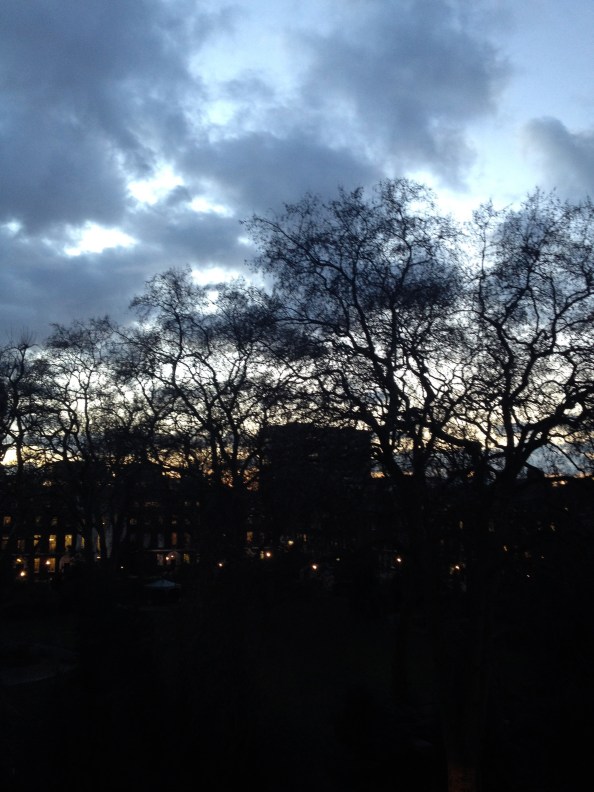
Photo by Mary Kendall London Night Sky
Some Thoughts on Turning to Myth: Looking back at “The First Lamentation of Demeter ~ (Poetry and Myth)”
A Note to My Readers:
Here it is January 2026. My blog has been quiet this year for a number of reasons too long to list. But the most obvious reason is that of a block or mental ‘resistance’ to writing. Last year in 2024, I turned to sharing a few older poems of mine that I love. It was a good reminder to me of why I loved writing.
Today, WordPress showed me my latest stats. I rarely look at these anymore, but one thing I notice each time I see an update is that some of the poems I wrote relating to classical myths seem to be accessed the most. I wonder if, in this sad and tumultuous world and country (mine being the USA), we turn to mythology to find answers to timeless questions that appear and reappear over a lifetime. Who are we and why are we here? What is it we are looking for? What really matters? I am now 79. Those questions and many more have come up time and time again, and the answers have been quite varied over eight decades. What do you, dear reader, think? Why do we cling to myths and tales from long ago and from cultures we know only though history books, literature or art? I’d love to know what you think.
To honor some of these poems, I’m going to post my two Lamentations of Demeter, one at a time. To save some work, I’ll post the whole original poet from my blog. I hope you find some meaning in each of them or perhaps a way to think of something beyond our wild world of today.

British Museum GR 1885.3-16.1 (Terracotta C 529), AN34724001
Here is the original 2014 posting:
.
I’ve been looking over my writing notebooks written a while back but unread by anyone other than myself or my husband. The myths of Demeter and her daughter, Persephone, fascinate many including me. For a number of reasons these myths seem to appeal especially to women. Many of the great living women poets have written brilliant poems about Persephone (e.g., Louise Glück and Eavan Boland). The story is timeless.
.
In today’s poem I’ve written a Lamentation of Demeter. Demeter, the goddess of the harvest and grains, is often referred to as the mother-goddess since she represents fertility on earth. Her importance is indisputable. When she mourns for her missing daughter, Persephone (who has been abducted by Hades and taken down into the underworld by force) the seasons stop. Things stop growing and the earth begins to die before Persephone’s father, Zeus, intervenes. You know the story, but it is worth re-reading if you haven’t read any mythology for a while.
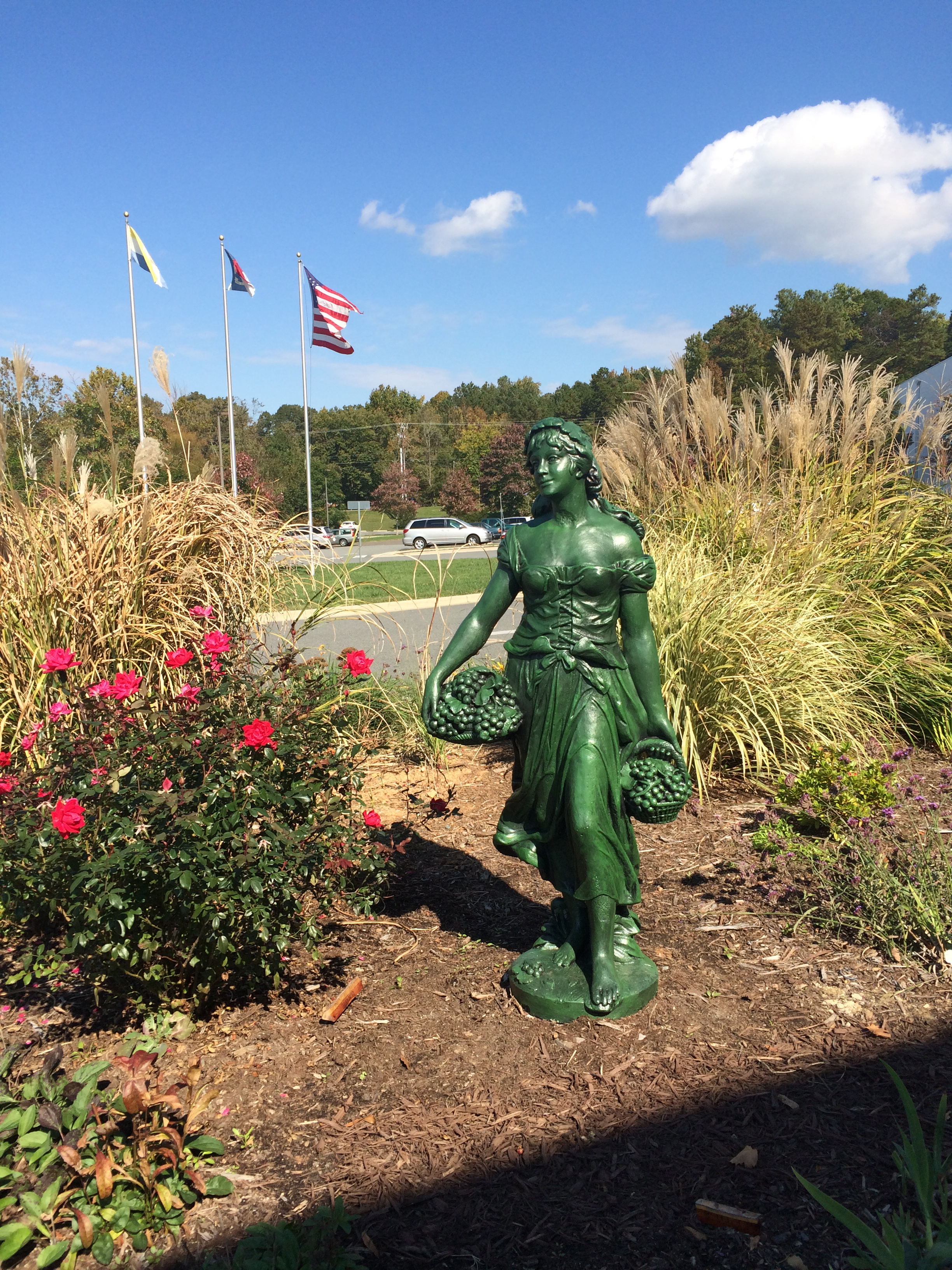
Demeter statue in front of my gym in Hillsborough, North Carolina
.
So what is a lamentation? The Oxford English Dictionary defines it simply: “The passionate expression of grief or sorrow; weeping.” Anyone who has grieved knows instinctively what it is to lament the loss of someone who is dearly loved. The feeling is painful and deep, and I think this resonates within us all. Demeter mourned her daughter’s abduction to a point where the earth nearly perished. This poem begins with her not yet knowing all that has happened. I picture her as a mother desperate to know what has happened to her child.
.
This is one of two lamentations of Demeter I’ve written. The second will follow at some point.

Demeter
.
To listen to an audio recording of me reading this poem, click on the link below and wait a few seconds for it to begin:
.
.
The First Lamentation of Demeter
.
How is it that I don’t know where she has gone?
I warned her.
I told her time and time again not to trust them,
that there were those who so longed for her
they would stop at nothing.
And who was right?
Like all girls her age, she could be headstrong,
believing her own mother too old
to understand those yearnings.
I warned her.
Last night I watched the dog star rise up.
Its magnificent beams were like beacons
that might lead me to my lost child.
Why is it the stars are silent?
O, Sirius, your brilliant rays reach down
to us and yet your silence is puzzling.
Surely you saw where she went, my only child.
Will no one tell me where my Persephone has gone?
.
.

Melting snow (haiku)

This haiku of mine placed in the Golden Triangle Haiku Contest in Washington, DC. Each poem selected appears on a placard in downtown DC. What delight to have this one accepted this past spring and what excellent company to have.
From their website:
The 2025 Golden Haiku competition set another record-breaking year, receiving over 4,750 haiku worldwide from all 50 states, D.C., and 66 countries. Youth participation reached an all-time high as well, with more than 600 haiku submitted by school-age poets. Winning and selected haiku were displayed on colorful signs throughout the Golden Triangle from March through May.
All entries were reviewed and judged by a distinguished panel of published haiku experts including Abigail Friedman, Lenard Moore, and Kit Pancoast Nagamura.
Golden Haiku follows the Haiku Society of America’s guidelines for modern haiku, which does not require the traditional 5-7-5 structure. Removing the strict structural requirements for syllables frees the author to use evocative language to capture a moment or expression of beauty in a short, descriptive verse.
Voices in the Wind
This is an old poem that was originally posted in the early days of this blog, back in 2015. My writing lately has come to a standstill, but rereading things written a while ago is often a way to trigger a creative response. (Let’s hope it works.)
The poem was written when we were living in London for a spring term with university students who were studying abroad. Wonderful memories of that group who are now fully grown and probably leading interesting lives.
We live in Chapel Hill, North Carolina in a beautiful rural development that is filled with gardens and trees. Our single acre plot is divided into flowers, vegetables, invading weeds and cultivated trees. The back half of our acre is woodland and beyond that runs a small railroad track that is used for a daily single train that carries coal to the university nearby. Sounds are important. In winter we can hear a distant passenger train at night. In summer it’s blocked by all the greenery. Chapel Hill is truly verdant as is the nearby town of Hillsborough. Our trees are a mixture of hardwoods (oak, hickory, beech and evergreens (mostly loblolly pines but a few small cedars and hollies). Our beautiful Camellias bring winter color and our small (hand-dug) pond delights us with frogs serenading one another. Southern summers are never quiet. Katydids and Cicadas sing during the hottest part of the year, and all sorts of songbirds visit as we work in the garden or sit on the screened porch.
One of my favorite parts of living here is listening to the trees blow. Whether a storm is coming or not, the very tall trees have a life of their own as they blow and move. It is quite often a very sacred sound.
The trees today brought to mind this ten year old poem for me to reread (and now, to repost).
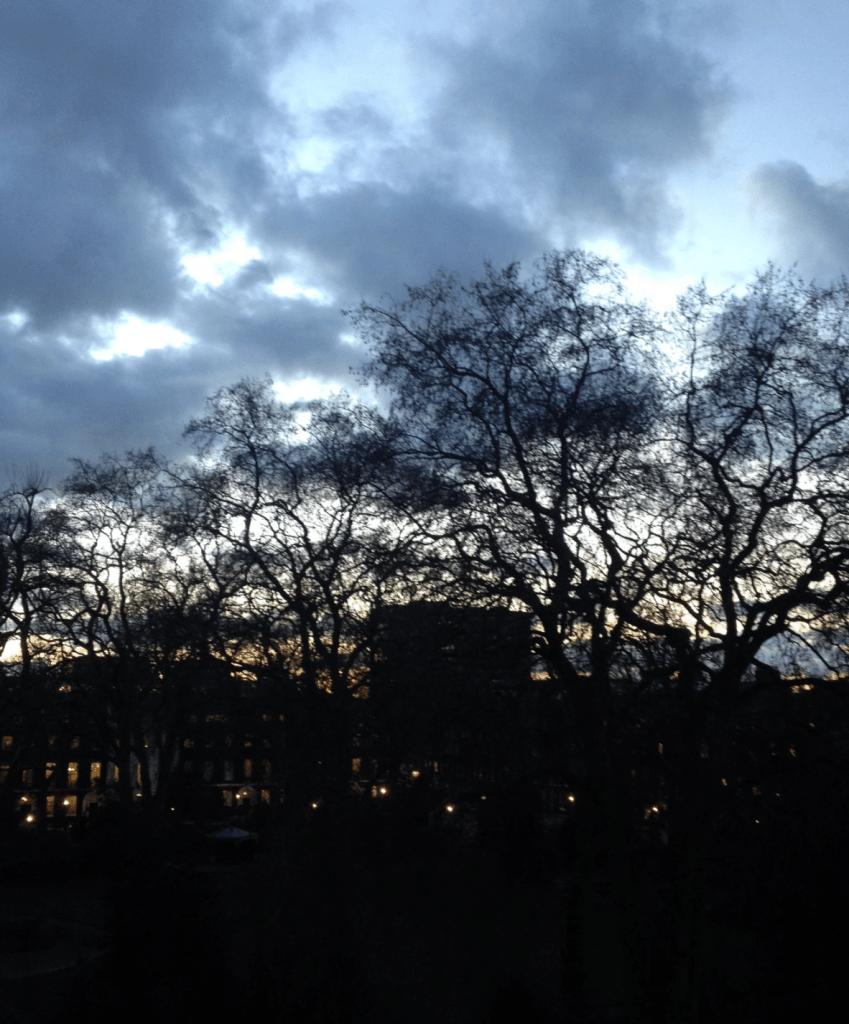
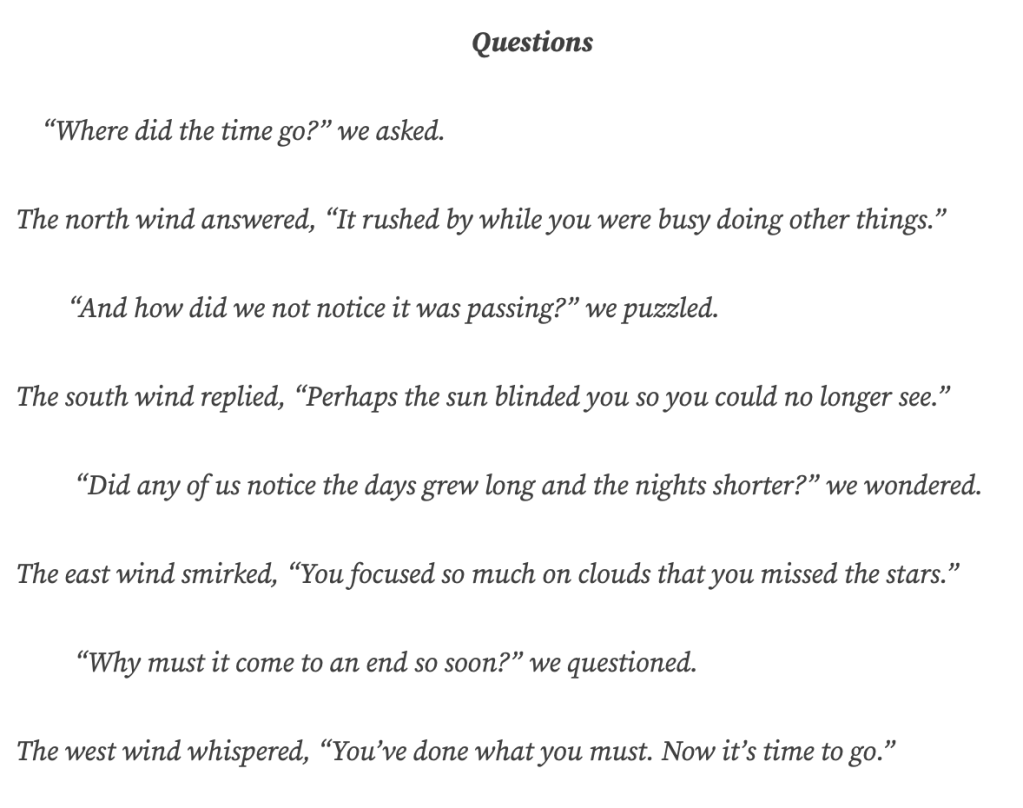

Questions was originally published on this blog on June 19, 2015.
Ten years ago and still the same questions arise.
I hope you enjoyed reading this “oldie” today.
freedom is never cheap
Poem for my Father, a Soldier
(for Jan Ciosmak, d. 1955)
Only 20 when you left home,
Fleeing the war in Europe.
Leaving behind all you knew,
Leaving behind your parents,
And your eight sisters.
You, the only son.
Coming to a country, but not
Knowing the language or customs.
Not having any waiting friends.
That took courage.
When you told your family
That you were leaving, knowing
They’d never see you again
Or you them,
What went through your mind?
Did your mother weep uncontrollably?
Did your father pat you on the back?
Did your family urge you to flee?
Did they fear invaders and death?
No stories came down to us,
And so no stories now remain.
Time passes.
All I remember is being told
How you fled the big war in Europe,
Only to be conscripted here
To fight in your new country,
The US Army calmly taking you,
You who were already uprooted
And leading you back
Over the ocean, back over the sea.
I’m sure the irony was not lost on you.
This time you wore Army khaki.
Did you wear it proudly?
A brand new uniform all crisply pressed,
Thick leather boots ready for
The fields and the trenches.
A soldier now, they said.
They prepared you well, it seems.
You survived the trenches, and
You survived Meuse-Argonne.
Did you understand the French?
Was English now your tongue? Did
Your ears yearn to hear the consonant
Rich language of your first home?
Time passes.
What was it like standing hidden
In earthen trenches, the acrid air,
The bullets spent, shell casings underfoot?
How many other boys suddenly
Grew into men in those French fields?
I picture you there, not knowing,
Wondering how your family was.
And you, all alone.
Could you understand enough
To hear someone’s dying words
Or maybe to learn the story about
A young family waiting back home?
Did you share your own promises
And hopes or were you silent?
Time passes.
And then it stopped.
On the eleventh hour of the eleventh day
Of the eleventh month,
all fighting stopped.
Sudden and eerie silence.
What was it like to realize
You were now safe, and
Had your life ahead of you?
A life. Your life.
You had it free and clear.
You were one of the lucky ones.
Why you but not them?
Did you grieve during the dark
Nights of all the loss you’d seen?
Or did you push it all deep inside
Letting it exist in its own private place?
The price of freedom is so dear.
The loss of soldiers, so much life
And stolen youth. The veterans
Who made it back in pieces,
Who were never the same,
Could never be the same.
No one left unmarked.
Yes, the price of freedom is so very dear.
A price paid over and over in so many wars.
Time passes.
Long after you died, and I was finally grown,
I found your Army papers that said only
That you were honorably discharged
And had fought in those famous battles
In such faraway, strange places.
The places you lost your youth
And became a seasoned veteran,
A man of courage, a solider who was
One of the lucky ones. I hope you wore
Your uniform proudly, knowing that you
Were one of so many brave men.
French, English, Polish, American,
The list goes on for the victors.
But I mourn all who were lost.
On all sides.
So many mothers wept, and it continues
Even today. The loss is great,
But freedom is never cheap.
We who sit and write these poems,
Read those books, watch those movies
About wars, any wars, all wars,
Must always remember those who
Fought, those who served.
Those who died.
Those who survived.
They all served.
They all sacrificed.
Let those scarlet poppies bear witness
To the blood shed by all who have gone to war.
Let the trenches remain closed,
Let the flowers grow so that farmer’s
Fields remain at peace,
Remain at peace forever.
Time passes.
War passes.
Courage remains.

Note: I’m now 78, but my much older father fought in WWI in France, shortly after emigrating to the United States of America. I barely knew him. I never knew his story. But he had his story just as we all do. Why he left Poland and his family while so young is not recorded. No one is left to answer those questions. The one certainty is that he did his civic duty when called. He fought in one of the bloodiest battles in France. It’s nearly impossible to imagine all he saw, did, witnessed.
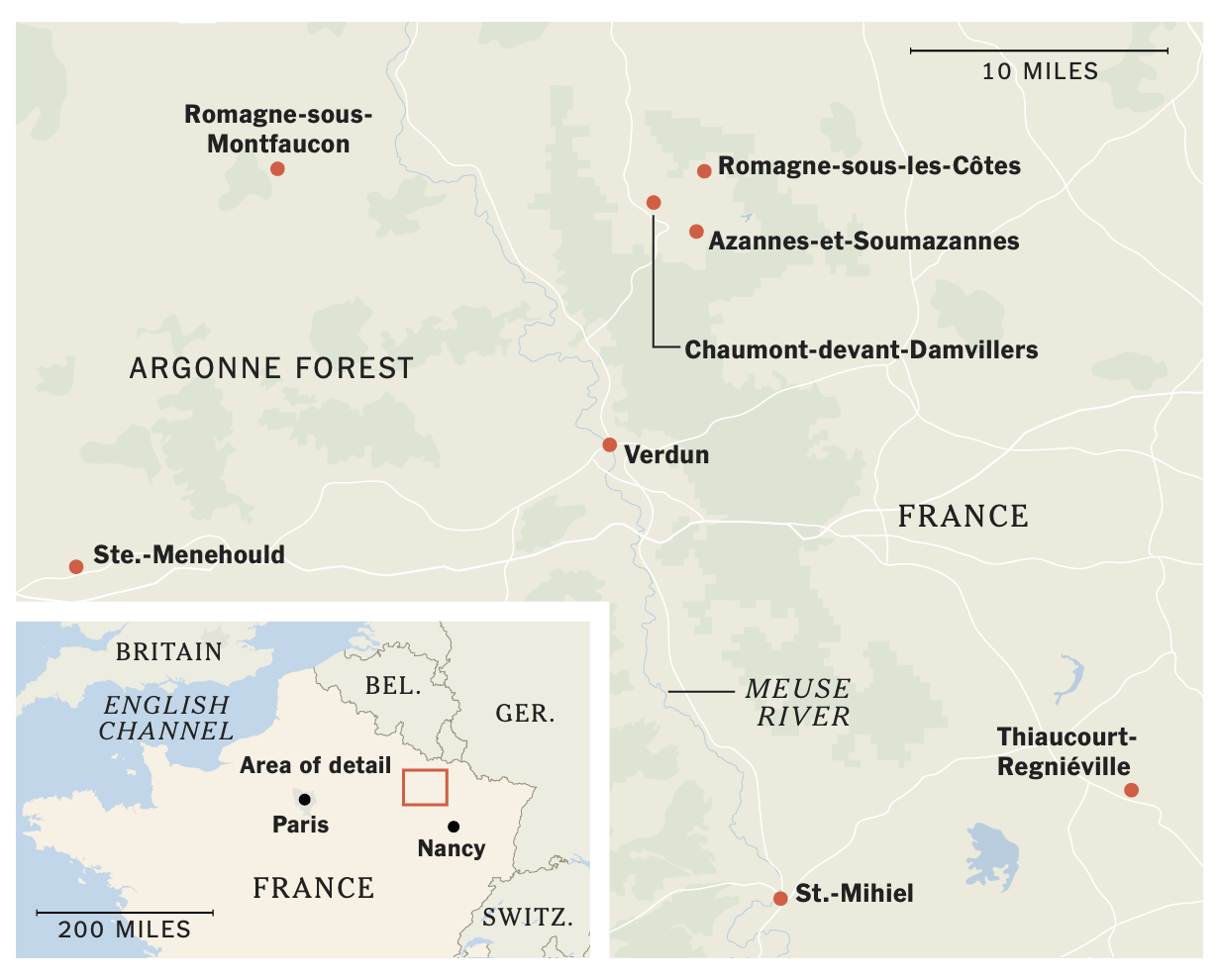
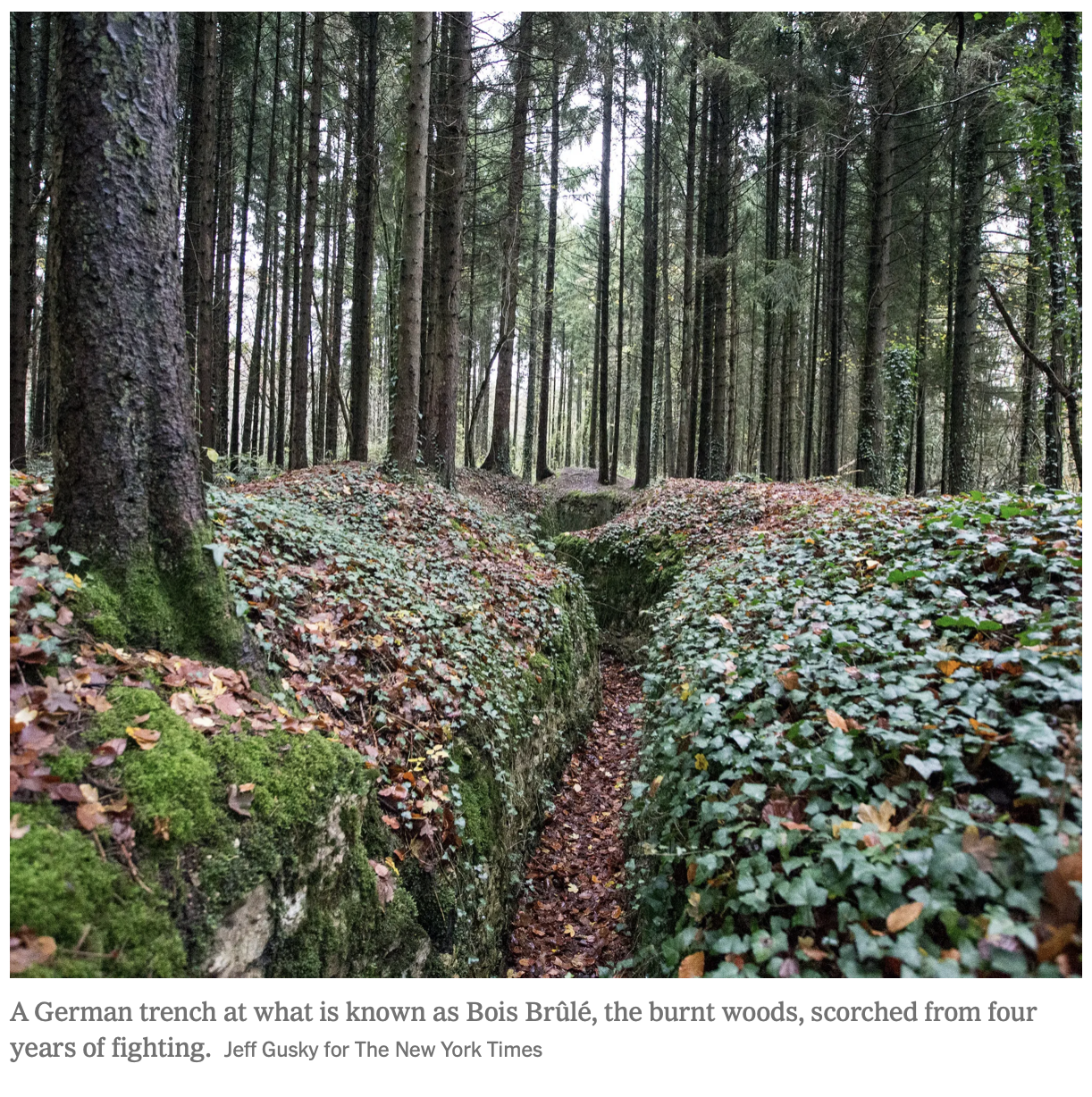
Below are a few photos I found alongside some excellent articles in the New York Times on the Battle of the Meuse-Argonne.




Shape-shifting in my dream
shape-shifting
in my dream, I leap
and run with graceful gazelles
able now to outpace
all that awaits
.
.
A tanka published in
Gusts No. 40, Contemporary Tanka, Canada,
Fall/winter 2024
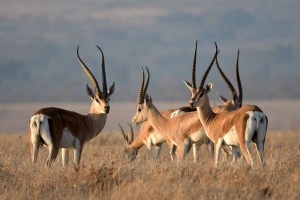
Image by xi Serge from Pixabay
Poor brown moth … (three tanka)
Three tanka published last February in the lovely journal, GUSTS:
Gusts No. 38 Contemporary Tanka, Canada,
Fall/Winter 2024
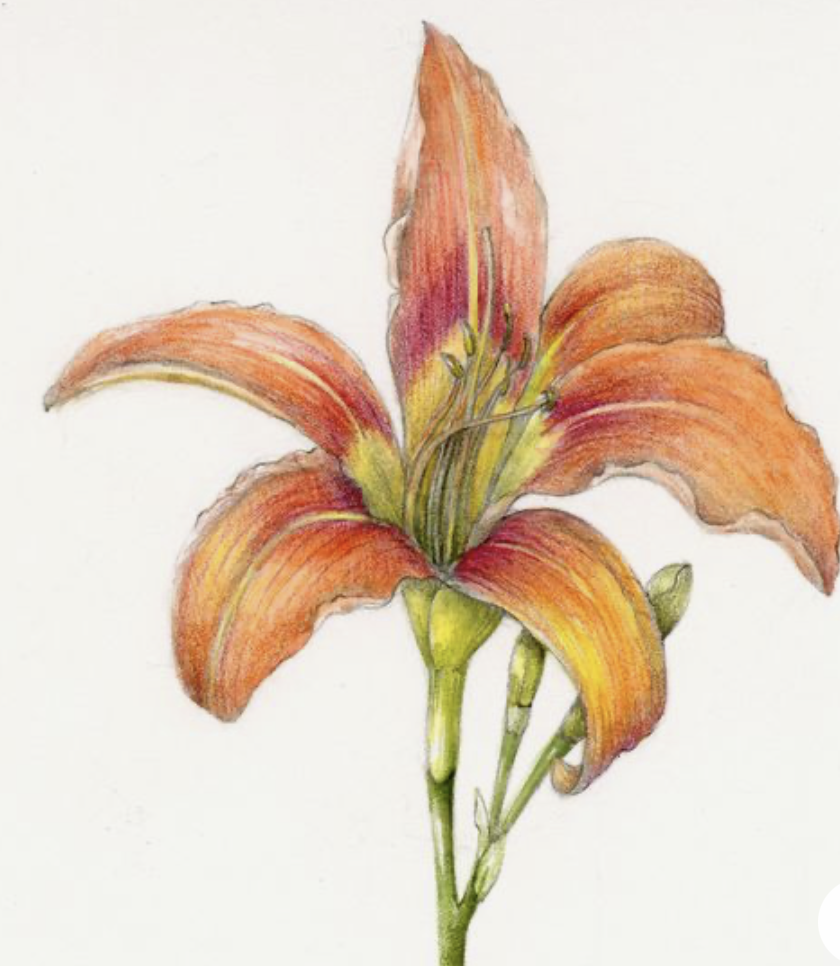
Compliments of “Draw Botanical”
a day lily blooms
for a single day
this brevity
a wonder to some,
unsettling to others

poor brown moth
trapped in a web
the more you flutter
the tighter those
fine strands pull
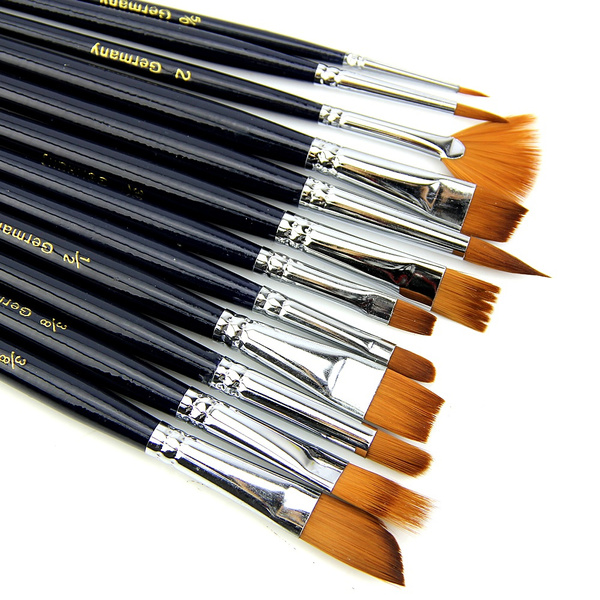
the art aisle holds
such soft sable brushes
wedge, round, pointed, flat
patiently waiting
to adorn my words
Soaring voices (three tanka)

~ ~ ~
Three tanka published in
Gusts No. 37 Contemporary Tanka, Canada,
Spring/Summer 2023
~
I grow old now
and dream of a journey
I will never take
. . . the aurora borealis
dances, but does it sing?
~
the emptiness
of losing a friend—
never understanding
what I did or
what you felt I did
~
such soaring voices
pure soprano & alto notes
in a boys’ choir
each singer’s gift destined
to change course
~ ~ ~
.
.
Notes:
(1) All tanka by Mary Kendall © 2023
(2) Photo by stein egil liland
https///www.pexels.com/photo/mountain-under-aurora-borealis-9636388/.jpg
Catching Up with Ribbons (tanka)
.
Ribbons, the journal of the Tanka Society of America is a favorite of all tanka poets. It’s always an honor to have poems accepted for publication. Here are some from the last two issues.
.
.
Ribbons Winter 2023: Volume 19, Number 1
crisp golden leaves
ready themselves for flight
. . . I was just five
when you walked out
and left us all behind
Also, in Ribbons’ Tanka Hangout:
winter winds
wildly whip limbs
boughs & branches –
come closer and hear
my heart hum along
.
Plus a collaboration with Christine L. Villa–her beautiful art and my tanka that was inspired by it:
.

.
Ribbons Fall 2022: Volume 18, Number 3
.
the unmistakable scent
of ripe Anjou pears –
remembering
his low voice as he read
Verlaine aloud

.
‘Tanka Studio’ in Ribbons Fall 2022
.
speaking in an even tone
that gives nothing away,
your inscrutable gaze
was always a challenge
for me to decipher
.
All poems (c)by Mary Kendall
Springtime in Verse with Mary Kendall
SPRINGTIME IN VERSE WITH MARY KENDALL
Springtime in Verse is a series of blog posts inviting you to learn and gather around poetry with the Ackland. Today’s featured poet is Mary Kendall.
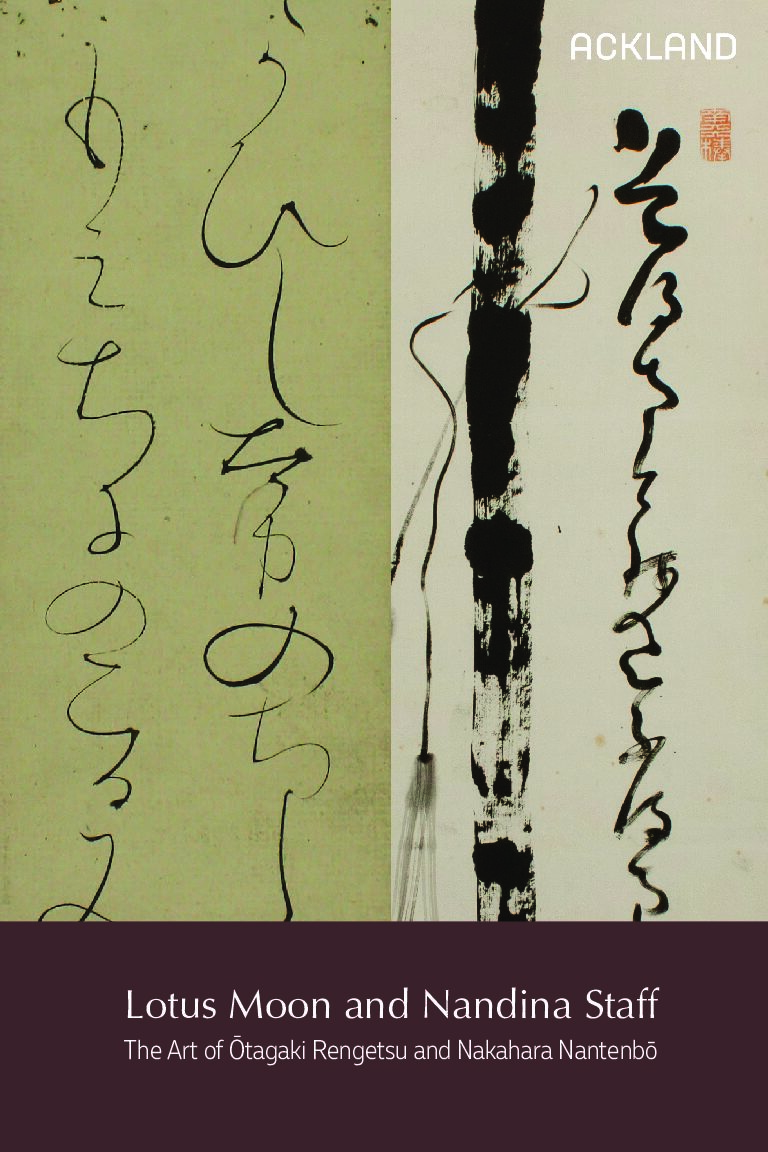
Mary has shared a selection of her tanka poems in celebration of the Museum’s current exhibition, Lotus Moon and Nandina Staff: The Art of Ōtagaki Rengetsu and Nakahara Nantenbō. Follow our blog throughout the month of April to enjoy more original works by celebrated North Carolina poets. We are so pleased to present to you this exhibition and the original works written by poets from the local community.
plum blossoms—
watching you
struggle for so long
I remember how brief
a season is
all those words
I wish I could forget . . .
the smoothness
of dark pebbles
clutched in my hand
from slabs
of common clay
delicate cups
that hold the scent
of jasmine tea
whistling wings
of Tundra swans
over the marshes
. . . what is this power
you hold over me
past the edge
of darkness, an owl swoops
and grabs a vole
. . . reckoning comes
at lightning speed
the pale twilight
of a hospital room
fading, fading
as you said
your last goodbyes
a soft rain falls
as you work in the garden …
what I’d give to read
the chapters of your life
you never share
stopping to study
fritillaries, tulips
and jonquils –
the sudden way
you take my hand

Mary Kendall lives in Chapel Hill, North Carolina. She is a retired reading teacher and the author of two books, A Giving Garden, a children’s poetry/photography book (co-authored with Debbie Suggs) and Erasing the Doubt, a chapbook of free verse (Finishing Line Press, 2015).
In 2023, her third book, The Last Camellia, will be published. It is a collection of both tanka and haiku as well as some haiga.
Mary has a poetry blog called A Poet in Time.
Having written poetry for many years, Mary fell in love with Japanese short form poetry about twelve years ago. Tanka is her great love, a form that feels most natural to her as a lyric and meditative poet, but she loves the challenge and discipline of writing haiku and senryu as well. She creates haiga and tankaand has published a good number of each. Her poetry has been published in many print and online journals such as The Heron’s Nest, Acorn, Modern Haiku, Presence, Blithe Spirit, Eucalypt, Kokako, Wild Plum Journal, A Hundred Gourds, Ribbons, Gusts, Skylark, Failed Haiku, hedgerow, Prune Juice, Under the Basho,and Rattle. Some of her poems have received various honors in poetry contests and one was nominated for the Pushcart Prize.
ABOUT THE EXHIBITION
Lotus Moon and Nandina Staff presents and contrasts the work of two major Japanese artists of the nineteenth and early twentieth centuries, taking its title from translations of their names. Ōtagaki Rengetsu (1791-1875) was a Buddhist nun who became very well known as an important poet focusing on the traditional wakaverse form, rendering her poems in elegant but strong calligraphy on paper and on ceramics that she often formed herself; Nakahara Nantenbō (1839-1925) was an influential and strict Zen Master famous for his energetically and expressively brushed calligraphy and paintings.
Scent of beeswax
I am still catching up with published poetry. Blithe Spirit is the publication of the British Haiku Society. They selected two haiku and two tanka of mine to publish in the winter issue.
Blithe Spirit Fall/Winter Issue 2022
1.
brevity
the ripeness
of a pear
2.
children
fragile as blossoms
learning to let go
3.
fragrant spices, each
with a story to tell,
a bit of this, dash of that
my pen moves as if
propelled by a stranger
4.
scent of beeswax
melting as we draw
invisible designs
on our pysanky eggs—
forgotten childhood
.
Stinging nettles
stinging nettles –
things that were said
I can’t forget
The Heron’s Nest
Volume XXIV, Number 4: December, 2022
The last plum blossom, etc. (a mix of tanka and haiku)
The lovely New Zealand journal, Kokaku, published two haiku and two tanka in their fall issue: Kokaku #37, 2022.
Kokaku #37, 2022
evening web –
the last plum blossom
caught fast
***
corner flower shop –
if only our lives were
arranged so well
***
quick twists and turns
of rutting deer ~
another season passes
adrift in colours
of passion and promise
***
This tanka appeared on my blog last month but was from this issue (37):
a tiny fawn dead
by the side of the road –
I close my eyes & imagine
all those children lost
in Ukraine strikes
***
The sweetness of honey
~
Gusts No. 36 Contemporary Tanka
fall/winter 2022
~
once I welcomed
the darkening of winter
now I crave
the sweetness of honey,
the buzzing of bees
~

Photo: Medical News Today, August 29, 2018
So many bodies in Bucha…
This is the first of two tanka published in:
Gusts No. 36 Contemporary Tanka
fall/winter 2022
so many bodies in Bucha,
even more mass graves
are dug and quickly filled
. . . no mourners, no prayers
at the gravesite today

Winter birds
Presence #72, Spring 2022
.
winter birds crack seeds
& feast on blocks of suet –
my long morning is spent
polishing old pieces
of silver we rarely use
.
.

Photo by Stauffers of Kissel Hill
Making Amends
Moonbathing 26, Summer 2022
one by one trying
hard to make amends,
I separate fine strands
of webs I’ve made
to hide my mistakes
‘silk’
Panama hat/Venice
Published in Ribbons, TSA, Summer 2022
your Panama hat
blows off
into the Grand Canal –
if only our decisions
could be so free

Forgiveness . . . (a tanka for meditation)
.
Published in red lights, volume 18, no. 2, June 2022
.
.
with healing hands
placed over my heart,
I hear its whispering
voice between beats—
forgive, forgive, forgive
~~~

Some Poems for Ukraine
.
Two tanka recently published in Red Lights,
Volume 18, no. 2, June 2022
.
.
with ruins, rubble
and death on the news,
we learn their names—
Mariupol & Lviv,
Bucha and Donbas
.
.
image after image of
bombed out buildings and corpses –
far away in my corner, prayers
& more prayers that you will
always rise from the ashes
.
.
Image by bookdragon from Pixabay
Lucid dreaming
Brass Bell June 2022
Theme: One line haiku
~ ~
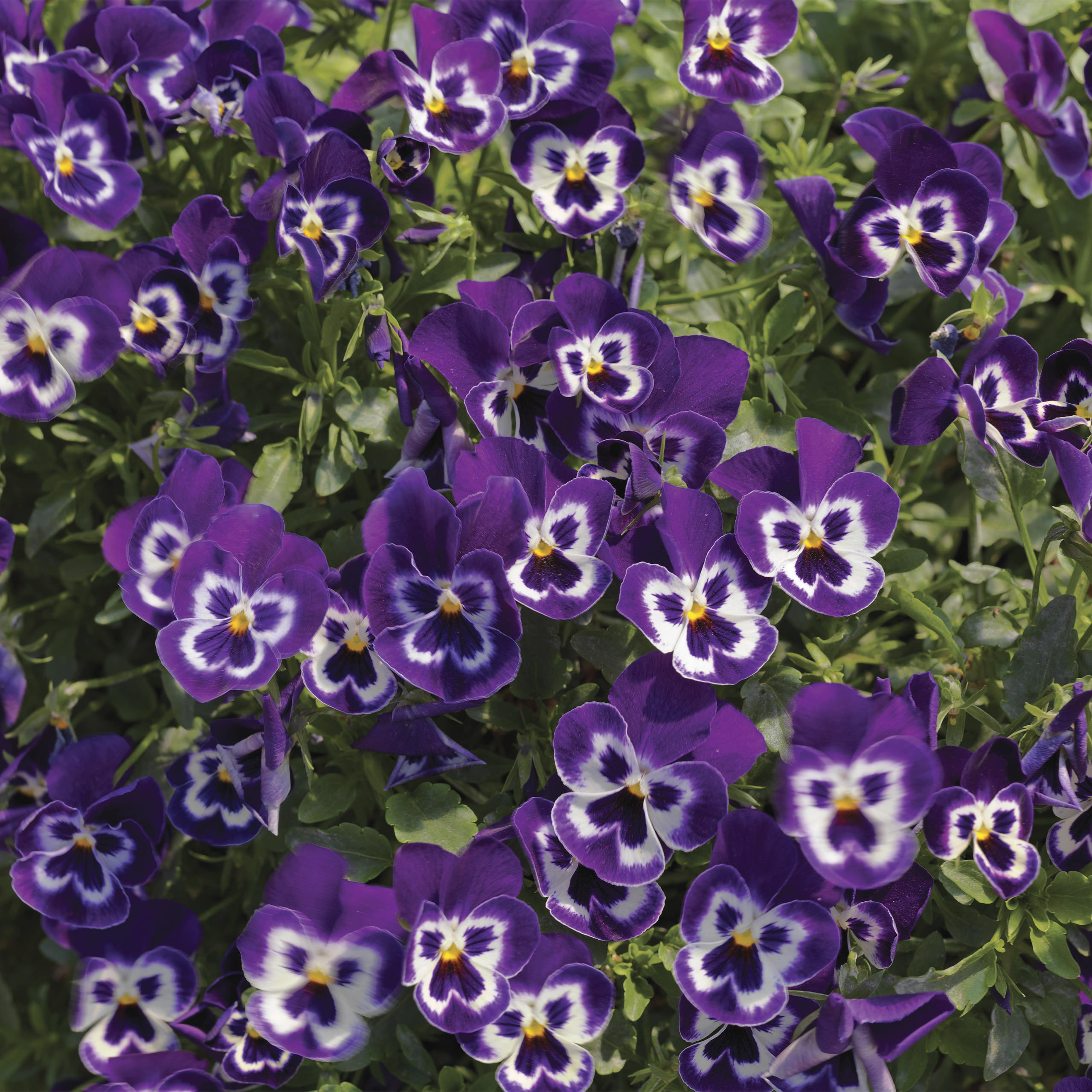
lucid dreaming wild-eyed pansies glancing back and forth
~ ~


~ ~
Note: All pansy pictures are taken from Pinterest. No specific photographers were listed.
Dark morning & wild winds
.
.
Kokako #36, Spring 2022
.
It’s always a joy to have the New Zealand poetry journal, Kokako, publish some of my poetry. For their spring issue, they chose a one-line haiku and two tanka. I hope you enjoy them.
.
.
seabirds drift on thermals—night becomes day
.
.
~~~
cassia, lady slippers,
dutchman’s breeches, rue –
my garden becomes
the one circle of friends
I find it hard to leave
.
~~~
.
dark morning
filled with wild winds
that blow the birds awake
& by the crows’ swift,
and sharp reply
Inner Life . . . (tanka)
The third (and last) tanka published in the latest issue of Gusts:
does inner life
start or end in the heart
I heard it for the first time
in a deep red canyon,
that distant river of me
GUSTS no. 35, Contemporary Tanka,
Spring/Summer 2022 Tanka Canada
Imagination . . . (tanka)

Universe by Gerd Altmann
A second tanka published in the spring/summer issue of Gusts:
imagination . . .
the only place it’s always
safe to go and wander,
just the songs of stars
and sweep of ice-drifts
~
GUSTS no. 35, Contemporary Tanka,
Spring/Summer 2022 (Tanka Canada)
Spring’s soft greening (tanka)
Like so many other people, the year and a half pandemic has thrown my sense of time way off. I’m so far behind in posting newly published poems on this blog that I find myself now playing catch up. I am both honored and happy to have had such fine journals select some of my work to publish in 2021.
both of us relieved
we made it to this side
of the pandemic –
falling back in love
with spring’s soft greening
Published in Ribbons, Tanka Café, Spring 2021
Shadow…(haiku/senryu)
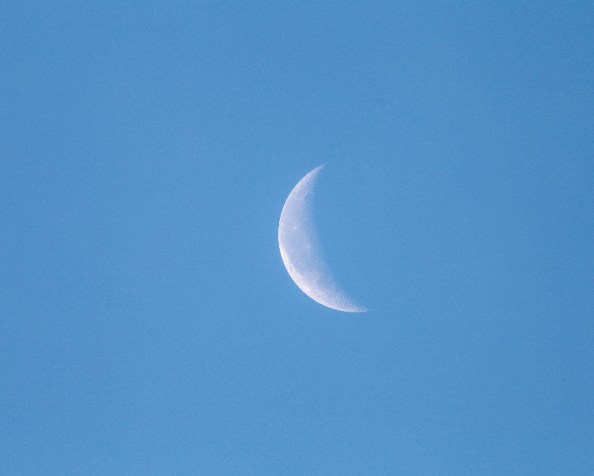
day moon ~
no shadow on
my mammogram
Published: Blithe Spirit 31.3 2021
A haiku or a senryu? I love this poem very much, and I’m so grateful to Caroline Skanne, the editor of Blithe Spirit, for choosing it for publication.
I have always been fascinated with seeing a “day moon.” I’ve always considered it a sign or good luck or something fortunate happening or about to happen. Do you have any thoughts about seeing the moon out during the daylight hours? Is it magical to you? It is for me.
The simplest thing

Three poems (two haiku and one tanka) were published in the winter issue of Kokako, 2021. I have a real fondness for this journal because I love all things Kiwi. New Zealand is a beautiful country with such great people. They have a very active poetry community, and Kokako is a beautiful journal to be part of.
1.
snow drifts ~
the wild wind’s
last brief fling
2.
woodland colours
now grow pale
winter light
3.
arranging zinnias
in an old milk jug,
this pandemic silence
urges me to notice
the simplest things
Note: Photo of Zinnias (c) 2021 by Park Seeds
A gathering basket . . . (tanka)
a gathering basket
filled with rosehips & hazels –
why is it so hard
to put back all the bits
and pieces you left behind?
Published in GUSTS: Contemporary Tanka 33 (Tanka Canada)

Starry-eyed
starry-eyed
the vast galaxy
of a child’s imagination
Published (c) Frogpond, Volume 44.1 Winter 2021

Bleakness . . . (haiku)
bleakness –
the lingering taste
of a bad dream
Blithe Spirit, 31.1 2021
Rough edges … (tanka)
.
rough edges worn down
on well-trodden paths,
each cobblestone
a reminder of how far
we’ve travelled
.
.
Published in Eucalypt 29, Winter 2020
Whirlwinds (tanka)
Redlights, Volume 17, No. 1, January 2021

Photography by Autumn Mott Rodeheaver
whirlwinds of scarlet
and ochre leaves
flit across the square –
days of self-isolation spent
learning to slow down
a red-bellied woodpecker (tanka)
Redlights, Volume 17, No. 1, January 2021
a red-bellied woodpecker
flaunts his drumming skills—
below his tree I pause
to feel his thunder,
to hear his words
burning anger
Moonbathing, Issue 23, Fall/Winter 2020
hot roasted nuts
heaped into a paper cone –
all that burning anger
you hold onto
so tightly
Photograph by Monika Topolko

As an aside, I am realizing my age is showing. Do young people today even know about folks roasting chestnuts (or other nuts) and buying a brown paper cone full of piping hot nuts to eat on the street? I first came across this in Istanbul when I was young. The scent, heat, taste on a chilly autumn afternoon was one of those moments that has stayed with me all my life. Europeans had this custom, but does anyone still do this? The fragrance was so tempting.
dream time . . . (haiku)
And yet another dream poem ~
Blithe Spirit, 30.4
dream time –
chasing blossom
after blossom

Photo by laura adai on Unsplash
My thanks to Laura Adai for this beautiful photograph of drifting blossoms.
Chekov’s birch trees (haiku)

Winter nights (haiku)
Presence Issue 68, November 2020
winter nights—
dreaming of blackbirds
on snow
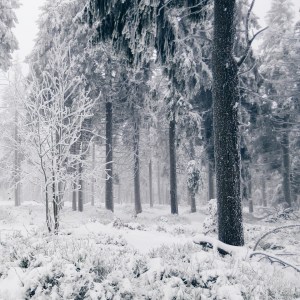
My thanks to the editors at Presence for publishing this haiku.
September roses (a haiku)
I am blessed with another haiku published in a favorite journal I love to read: hedgerow: a journal of small poems, issue # 132
September roses
the stone wall
hidden between us
(c) 2020 Mary Kendall
ghosting myself . . . (tanka)

Ribbons 16:3 (fall 2020)
ghosting myself
by looking away . . .
the mirror
no longer a friend
I care to see
(c) Mary Kendall, 2020
Note: This pretty hand mirror was crafted in Germany and sold on Etsy.com.
snow day
The Heron’s Nest, XXII.4, December 2020 published one of my haiku:
snow day–
a crackle of fire
in our stories

Prayer (a tanka)

So careful a gardener, he patiently weeds between the pebbles.
This tanka is dedicated to my dear husband, Ritchie Kendall.
each day you kneel
and work in the garden
I can think of nothing
more prayer-like
than this
Published in the Tanka Society of America Members’ 2020 Anthology.
Still the roses bloom…(a tanka)
.
the chiming clock
begins to wind down . . .
five months of quarantine
yet still the roses bloom
and red birds sing
.
This tanka was published in October, but obviously was written in early summer. We are now nine months into this pandemic. Writing is a wonderful relief as we isolate ourselves. Like so many poets, I find my writing has been changed by the pandemic.
cattails:
The Official Journal of the United Haiku and Tanka Society, October 2020 issue

Tanka No. 3: The sudden silence
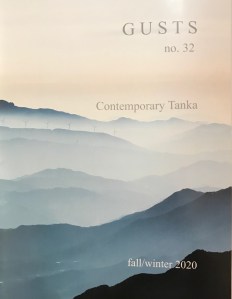
Here is the third of my three tanka published in the latest issue of Gusts no. 32, Fall/Winter 2020:
even the crows
are quiet now . . .
the sudden silence
that morning snow
brings
Tanka No. 2: pale pink petals
Here’s the second tanka published in
Gusts no. 32, Fall/Winter 2020
pale pink petals
scattered on the desk
one by one the days
of isolation pass,
each fading to nothing
Tanka No. 1: Lapis lazuli . . .
Three tanka published in the winter edition of Gusts, Contemporary Tanka, the journal of Tanka Canada. It’s always a huge thrill to be included in this special journal of tanka. I’ll offer them one at a time.
Gusts no. 32, Fall/Winter 2020
lapis lazuli, delft blue
and French ultramarine . . .
the blueness of blue
in these tired veins
just won’t let go
forgetfulness
forgetfulness—
soft feathers drift out
of a poultry truck
~ ~
Published in Frogpond vol. 43:3 fall 2020

Frogpond is the journal of the Haiku Society of America
Catching up!
Today I realized I’d forgotten to post a number of poems published this year (2020), so here they are. I hope you enjoy reading them.
Ribbons 16:2 (spring 2020)
.
icebergs drift and melt
and furious fires rage
will this earth dissolve
into rivulets
of decisions poorly made?
~
Frameless Sky, Issue 12, 2020
soft ripe plums
sitting on the sideboard ~
wouldn’t it lovely
to know you’re
so desiredPresence 66
.
tiny fledglings
with wings outstretched
take that first leap—
how old were we
when doubt began~
wind spilling
from copper rain bells
unbroken drought.
~
impossible
to count them
fireflies
Bitter wind
I am delighted to have one tanka and two haiku in the latest issue of Presence:
Presence, Issue 67, July 2020
bitter wind
the maple’s heart
still frozen
~
once so innocent
we had to make up sins
. . . first confession
~
I tried to bury
those memories
for so long…
the raw scent
of freshly plowed earth

Sea glass (a tanka)
The second of two tanka appearing Eucalypt: A Tanka Journal,
Issue 28, 2020
sea glass in cerulean,
aqua and seafoam green
wash up in the morning tide,
mysteries I gently place
in this pail of dreams

Little frog faces (tanka/kyoka)

One of two tanka appearing Eucalypt: A Tanka Journal, Issue 28, 2020
in the attic I find
your small Wellies
with little frog faces—
oh, those happy puddles
when you were only three
Note: We lived near Hampstead Heath in NW London for a full academic year, 1989-90, with our (then) three year old son, Adam. Oh, how he loved rain puddles and stomping in them in his little green Wellies. Getting exercise each day was never a problem with a child who loved the outdoors no matter what the weather. This poem is for him.
These pandemic nights (a tanka)
Moonbathing 22, Spring 2020
a faint train whistle
passing by at 3 a.m.
. . . the only normal thing
in these pandemic nights
that makes any sense
Half-light (a tanka sequence)

Milkweed by James DeMers (pixabay.com)
These tanka were written during the quarantine of Covid-19. My thanks to editor/poet, Marilyn Hazelton, for persuading me to combine some tanka into a tanka sequence. A really good editor is priceless. It’s always an honor to have poems included in Redlights. Click on the link below if you care to hear me read it.
Half-light
August morning
just before the katydids
begin to sing . . .
the lake finally calm
with no ripples
milkweed seeds
scatter straight from
the cottony pod ~
such freedom to go
anywhere, everywhere
a spoon slowly stirs
cream into coffee
those quiet moments
when we lose
all sense of now
arm in arm
we walk together –
forty years & more miles
than either of us
can count
half-light—
walking in fog
where nothing is seen
but somehow we trust
it’s still all there
Red Lights, Summer Issue 2020
A nice surprise!
.
What a very nice surprise! I am one of the top contributors to Prune Juice, a journal every haiku and senryu/kyoka poet knows and loves. What a thrill to be included with such excellent senryu poets.
.
Many thanks to the great editors: Brent Goodman (current editor); past editors are: Steve Hodge (2016 – 2018); Terri L. French (2013 – 2015); Liam Wilkinson (2010 – 2012); Alexis Rotella ( 2009)
.
Here’s a link to the whole anthology: pj-book-of-senryu
.
The PRUNE JUICE BOOK of SENRYU celebrates 10 years of the finest English Senryu from around the world by 85 of our TOP Contributors, featuring 337 poems plucked from the journal’s first 29 issues by past and current Prune Juice editors.
.
Here are mine that they published:
.
Mary Kendall – USA
12 issues
.
your tumor growing we worry about the snow
.
#18 2016
.
Reiki session . . .
feeling so
out of touch
.
#20 2016
.
beginner’s yoga class . . .
our first sun salutation
eclipsed by the teacher
.
#22 2017
.
promises not kept —
that umbrella you gave me
blows inside out
.
#23 2017
.
defined
by their parameters
love triangle
.
#29 2019
.
Prune Juice Book of Senryu: Celebrating 10 Years: 2009 – 2019 Copyright © 2020 Prune Juice
p. 94
.


Chokecherry
the slow hiss
and sudden pop
of a pinecone in fire—
admitting the mistake
is a first step
*
had you lived
we’d almost be twins,
two sisters
so close in time
we nearly touched
*
this urge
to turn and walk away
chokecherry
Mary Kendall (c) 2020
Kokako 32, 2020, a journal of the New Zealand Poetry Society
My thanks to the editors of Kokako for publishing all three poems.
Sleepless
sleepless—
I turn and watch
the moon watch me
Acorn: A Journal of Contemporary Haiku, #44, Spring 2020 issue
We turn away…(tanka)
This tanka was published in Hedgerow, a journal of small poems ~ #130, Winter 2020
we turn away
from all we just can’t face—
the glistening red
of a vulture’s head
emerges from a carcass
Poet’s note:
Out of decay comes art and beauty. Look what artist Georgia O’Keefe created from a skull found where she lived in New Mexico. All is part of nature and is nature.
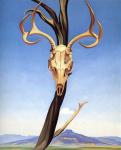
Deer’s Skull with Pedernal by Georgia O’Keefe (c) 1936
Where I live in central North Carolina, we have plenty of black vultures and turkey vultures. They circle and gather in the sky when there is carrion to be had. I chose this topic for the tanka because it’s a scene I’ve seen more than once. Yes, it’s not a pretty sight. Vultures, especially when eating a dead animal or gathering in a group in a tree or abandoned house do give you shivers. Something in us seems to respond with at least a momentary revulsion. However, I’m a bird lover and I try to see how a specific species fits into the scheme of things. Vultures and crows do eat carrion, the flesh of dead animals, often of roadkill along our roads and streets. They perform a good service by eating their meal and cleaning the mess up. Imagine all those dead animals left to rot. So these birds help us as they go about their business (albeit unpleasant business to us). They are birds we should appreciate for their useful role in nature. They also offer us a wonderful metaphor.
My thanks to editor, Caroline Skanne for being the one editor who chose to publish this poem.
Green . . . (Synesthesia in haiku)
Synesthesia in haiku ~
This haiku was recently published in Hedgerow, a journal of small poems ~ #130, Winter 2020
spring…
hearing green
and only green

Haru = Spring
Imagine my surprise … (tanka/kyoka)
Prune Juice, Journal of Senryu, Kyoka, Haibun & Haiga
Issue #30, March 2020
both parents
dead at sixty one –
imagine my surprise
the day I turned
sixty-two
The bite of winter wind . . . (haiku)
Published in Modern Haiku, Winter-Spring, Issue 50:4, 2019
the bite of winter wind
all this murmuring
but no words

Peripheral vision … (two tanka)
Redlights, Volume 16, No. 1, January 2020
a gradual loss
of peripheral vision
leaves it all unclear
why is it that the brain
still searches for the edge
~
underlined passages
in a library book –
I idle away an hour
puzzling why a reader
chose those words
Snow melt (haiku)
The Heron’s Nest
Volume XXII, Number 1: March 2020
snow melt
a trickle of caribou
comes to an end
You turn a deaf ear . . . (3 Tanka)
Published in Gusts 31 (Spring/Summer 2020), Tanka Canada
Three tanka written and read by Mary Kendall (click on link):
how do I tell you
about the darkness
that embraces me,
uninvited
unwanted
~
a loose shutter
flaps in the storm ~
times when it’s so easy
to lose names, numbers
and where to go
~
the morning spent
ripping out
wild honeysuckle vines . . .
no matter how hard I try
you turn a deaf ear
Becoming my mother . . .
A Thousand Voices,
2019 Tanka Society of America Member’s Anthology
sweet peas,
crab apple blossoms
and old roses—
for part of each day
I become my mother
Bereft of birdsong . . . (a tanka)
What a nice surprise to find one of my tanka included in this beautiful exhibition at the Bristol Museum & Art Gallery in the UK.
“In autumn 2019, poets from around the world responded to a call for haiku, a form of short Japanese poetry, based on Japanese prints in the collection at Bristol Museum & Art Gallery. People sent in more than 800 beautiful, thought-provoking poems from thirty countries worldwide. See the selection below.
Many poems were inspired by woodblock prints in our popular 2018-2019 exhibition series, Masters of Japanese Prints.
The project was arranged by haiku poets Alan Summers and Karen Hoy of creative writing consultancy Call of the Page.” (Quoted from the Bristol Museum & Art Gallery website)
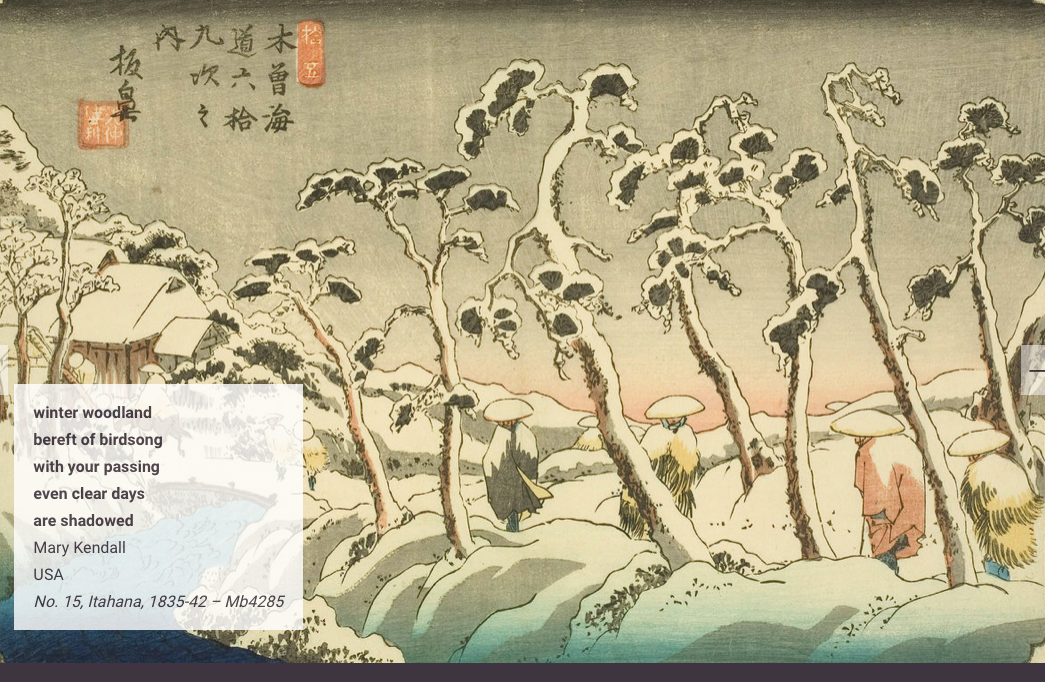
Bristol Museum & Art Gallery, Bristol, UK
winter woodland
bereft of birdsong
with your passing
even clear days
are shadowed
My thanks to Alan Summers and Karen Hoy who oversaw this project. Over 800 poems were submitted. Congratulations to all who were chosen to be part of this exhibition.
Link to the exhibition: https://exhibitions.bristolmuseums.org.uk/japanese-prints/haikus/
Note: You have to click on all the small pictures in order to open many of the prints and poems. Read them all and enjoy!
Widowhood
Published in FROGPOND, Volume 43:1, Winter 2020:
widowhood
day blurs into evening
into night . . .
This poem is dedicated to my dear sister-in-law, Paulett Brylinski, who lost her beloved husband, Jimmy, in December 2017. Watching her learn to cope and live with grief has taught me so much about courage and love.
Woods Hole, MA – 3/30/14

Two (winning) haiga
I don’t enter many poetry contests, but I do love to see what entries win or place in contests/competitions I enjoy and admire. There is always so much to learn from other writers, of course, and it is always an inspiration to see what others produce.
One competition I really wanted to enter was the Fourth Annual Jane Reichhold Memorial Haiga Competition, which is co-hosted by Failed Haiku and Prune Juice, two of the very finest Senryu journals around. It is divided into two groups: the Traditional (i.e., with original drawn art) Category (judged by Ron C. Moss) and the Photographic/Mixed Media Category (judged by Steve Hodge). My two entries were in the second category using photographs I had taken. One was left untouched and the other was embellished by some art programs I enjoy using on my iPad.
Imagine my surprise when I found out one of my entries won First Place in the Photographic/Mixed Media Category and the other one got an Honorable Mention! Yes, I was over the moon. It’s a double honor indeed. All the other entries selected in both categories were wonderful. I really can’t imagine how an editor selects one over another, but they do. My thanks to editor, Steve Hodge for selecting both of my haiga in this competition. I am deeply honored. Thanks also to Mike Rehling and Brent Goodman who edit Failed Haiku and Prune Juice.
I’ve included the comments of the editor because it’s always great to hear someone else’s interpretation and response to a poem.


The voice I’d lost . . . (tanka)
it took sixty years
to find the voice I’d lost–
that day
blue dragonflies
alighted at water’s edge
Moonbathing, a Journal of Women’s Tanka, Fall/Winter 2019.
Edited by Pamela A. Babusci

Life
Two tanka were published in
Eucalypt Issue 27, 2019
miscarriage—
the very word
betrays
the promise
of hope

persimmon sun
dips low and sets –
moonlight on the bed
where I was born
& where my father died

Dove photo by Merlune
Cat’s tongue . . .
One haiku and one tanka were published in Presence, Issue #65, 2019
cat’s tongue
the shallow rasp
of a scar
* * *
tree bark
kissed by wind—
out of the blue
a memory of you
appears
Lemon oil rubbed on old wood . . .
Blithe Spirit 29:4, 2019 (two tanka)
the familiar scent
of lemon oil rubbed
on old wood –
a new cat finds a place
in your empty chair
* * *
on the ground
a nest of hatchlings
fallen from a tree –
how well you always
hid your pain
Unable to forget . . .
Modern Haiku, Issue 50:3, 2019
pruning roses
unable to forget her
scarred wrists
Dementia . . .
The Heron’s Nest, Volume XXI, Number 3: September 2019
dementia
the soft clay begins
to harden
Three Tanka in Gusts
Three tanka were published in the last issue of
Gusts, Contemporary Tanka No. 30, Fall/Winter 2019
as Geminids flit by
in the inky darkness
I pull your jacket tight
around myself
. . . all I have left
∼ ∼ ∼
ripeness
bears its own burden . . .
fragrant peaches
dangle low
bruises a breath away
∼ ∼ ∼
in old growth grass
a newborn fawn
wobbles on spindly legs –
a sure reminder
how brief a season is
Three in Kokako 31
KOKAKO 31 , 2019, a journal of the New Zealand Poetry Society

first apricots
the baby’s soft breath
in my ear
~
moonflower
night after night
that same dream
~
barely a whisper
between daylight
and nightfall
when shadows
hide in darkness
Chasing the night
2019 Haiku Society of America Members’ Anthology (A Moment’s Longing):
chasing the night—
a falling blossom
graces my tea
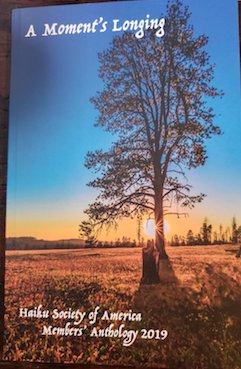
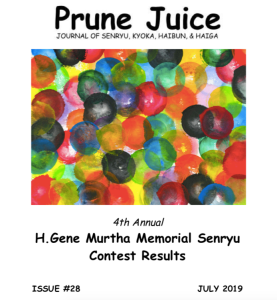
Powerless (two senryu)
Prune Juice, Journal of Senryu, Kyoka, Haibun & Haiga
Issue #28, July 2019
powerless
neighbors mingle
after the storm
~
our gods
stand between us
total eclipse
Catching up!
Over the past few months, a lot of my work has been published, but I’ve been negligent in getting them posted. Breaking from my usual tradition of a separate post for each journal, I’m going to post all of them here in a single posting. Separate poems and journals are both divided by ***.
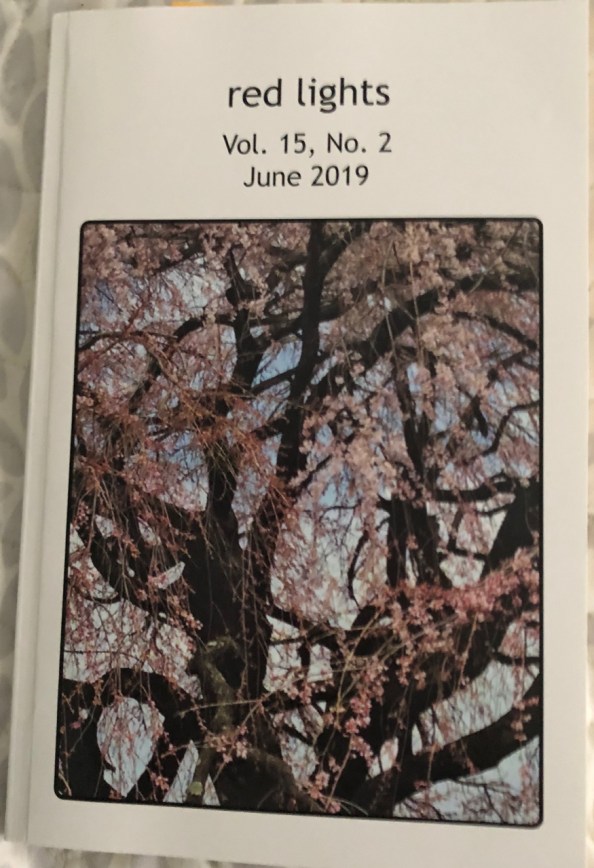
Redlights, Volume 15, No. 2, June 2019
.
a day will come
when we are the faces
in old picture albums
and no one left
to give us names
***
babcia’s borscht recipe
in faded black ink—
can you smell the beets
bubble and hear her
hum along
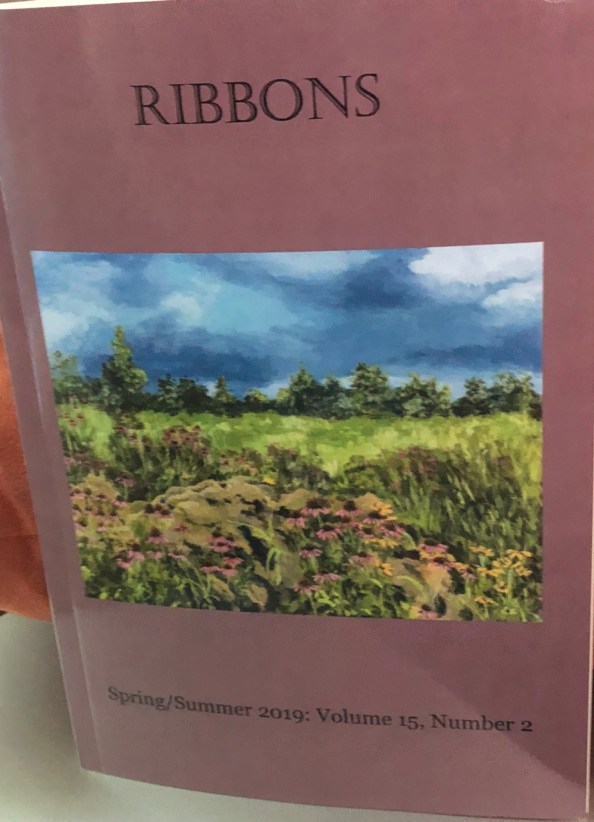
Ribbons Spring/Summer 2019: Volume 15, No. 2
.
PET scan . . .
all the dogs & cats
I ever knew & loved
romp in the tunnel
where I lie in stillness
***
Ribbons Spring/Summer 2019: Volume 15, No. 2
Tanka Café: Theme: What Matters [to You]
they say time
moves faster as we age
yet here I am
stealing an hour
to listen to the birds
***
cattails: The Official Journal of the United Haiku and Tanka Society, April 2019 Issue
.
late winter
the garden’s breath
shifts once more
***
one crow
and a clutch of chickadees
at the birdfeeder —
that simple need
to fit in someplace
***
Frogpond 42.2 * 2019
.
graveside—
white blossoms
lighten the darkness
***
Blithe Spirit 29.2, 2019
.
evening meditation
fireflies flit here
& there
& there
***
.
sacred sites
finding myself praying
in another language
.
***
.
the soft rustle
of quivering aspen leaves
over and over
I replay the words
I might have said
.
***
.
a feeling of you
standing behind me …
when I turn around,
only shadow
only silence
.
***
.
Moonbathing 20 Spring/Summer 2019
.
sea glass
a distant story
told in waves
I long
to read
.
***
.
The Heron’s Nest, Volume XXI, Number 2: June 2019
.
a single brass button—
I try to remember
his voice
***
.
Eucalypt Issue 26, 2019
.
without warning
a leaf rises in the wind
then tumbles—
our need for forgiveness
so unexpected, too
.
(Eucalypt, The Distinctive Scribblings Awards)
***
.
Gusts, Contemporary Tanka No. 29, Spring/Summer 2019
.
faint notes
of a harpsichord
playing Bach –
why is it you always wait
for one wrong note
***
you pour a second cup
of pale moon tea
in a teashop in Prague
. . . I wonder what story
the leaves might tell
***
walking alone
past the tide’s own
push and pull –
I turn to see my footprints
wash away
***
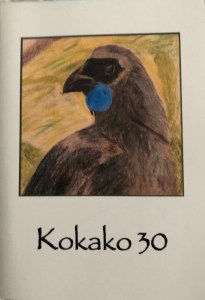
Kokako 30, 2019
.
abbey ruins
voices of evensong
nowhere everywhere
***
old burying ground
so many grave markers
buried too
***
in the coffee shop
a glimpse of someone
who looks just like you—
I quickly check my face
in a mirror
***
dark storm clouds
dissolve in sunlight
and shift again—
your changing moods
just as quick
***
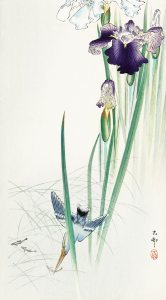
Haiku Holiday turns 40
The North Carolina Haiku Society hosts an all-day meeting on the last Saturday of each April. This year marked the 40th year of these days called “Haiku Holiday.” Each of the past 40 years has been hosted by one wonderful poet and woman, Jean Earnhardt

on Bolin Brook Farm, an old farmstead that has been in her family for 12 generations. Can you imagine opening up your home and garden annually to a large group of poets? Jean does so graciously and with a welcoming, inclusive attitude. Thank you, Jean!
“In honor of the 40th anniversary of Haiku Holiday, we read 40 haiku by current and past members of the North Carolina Haiku Society. Crystal Simone-Smith selected the poems and published them as a broadside.” (Dave Russo, the NCHS website Editor)
The Broadside is so beautiful, and it’s an honor to be part of this. My two haiku are listed below. My thanks to Crystal for selecting this to be included.
Haiku Holiday, NCHS, 2019
40 Years, 40 Haiku: A Broadside
dandelion—
more and more invisible
as I grow old
our country’s story
ever evolving
. . . fallen blossoms
Both haiku by Mary Kendall (c) 2019
War memorial (a haiku)
As Memorial Day approaches, thoughts of all who have sacrificed for our country come to mind. There have been so many wars, so many skirmishes, so many of our service people posted to regions far away from their homeland. The work they do in times of war or in conflict is something that requires a level of courage I don’t have. Yet we can all pay them our deepest respects and honor those who have died as well as those who came home. They have made this country what it is.
This haiku was published in Frogpond 42.1, Winter 2019 (Haiku Society of North America)
war memorial
blue dragonflies
loop in tandem

Starlight on winter branches
Two haiku and one tanka in Blithe Spirit 29.1, 2019
*
ground fog
even birdsong
is invisible
*
wood’s edge –
that inescapable pull
of darkness
*
starlight on
winter branches—
those nagging thoughts
that seem to come
from nowhere
All poems by Mary Kendall
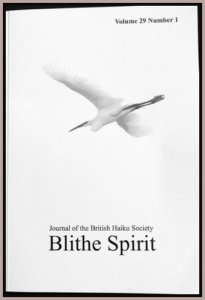
Faulty footing . . . (two tanka)
Red Lights, Volume 15, No. 1, January 2019:

Both tanka by Mary Kendall
that look . . . (haiku/senryu)
Modern Haiku, Volume 50.1, Winter-Spring 2019
that look . . .
a skim coat of ice
in the bird bath
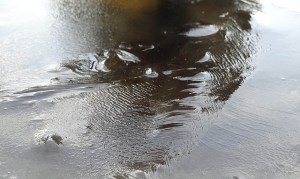
Frozen Birdbath with Frozen Ripples (c) Terry Gray
unearthing beauty (rengay)
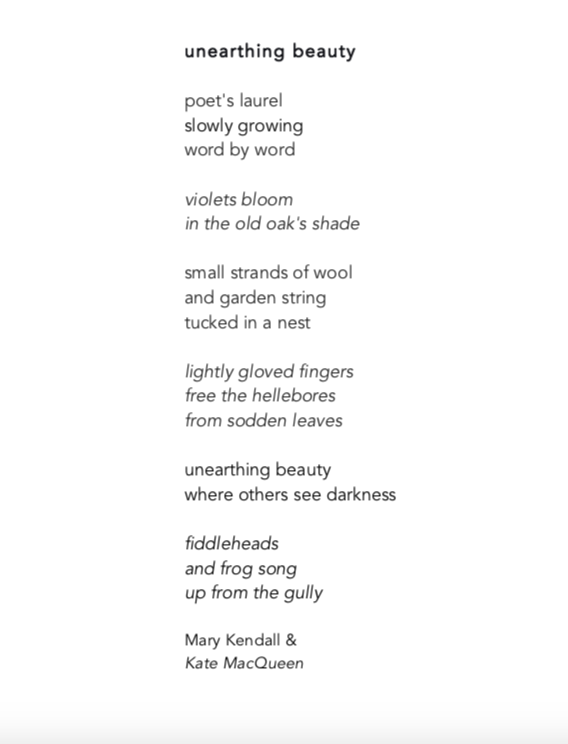
My deepest thanks to Kate MacQueen for writing this rengay with me. It was a wonderful and illuminating experience to write with Kate. Kate’s verses are #2, 4, 6 (italicized) and mine are #1, 3, 5.
This rengay was published in Vines #3, part of the publication hedgerow edited by Caroline Skanne.

Note: for readers not acquainted with rengay, here is a definition from “Graceguts” by Michael Dylan Welch:
“Garry Gay invented a renga alternative in the summer of 1992: the “rengay.”
“The rengay is a collaborative six-verse linked thematic poem written by two or three poets using alternating three-line and two-line haiku or haiku-like stanzas in a regular pattern. The pattern for two people is A-3, B-2, A-3, B-3, A-2, B-3, with the letters representing the poets, and the numbers indicating the number of lines in each given verse.”
dreams lost in dreams . . . (three haiku)
Three haiku were also published in Presence, Issue #62, 2018:
1.
dreams lost in dreams wild poppies

Field of Poppies, Photographer Unknown
2.

“Snow” by gookingsword (Pixabay)
deep in winter
abandoned nests
and forgotten songs
3.
waking from a dream
the night winds
unsettle the moon
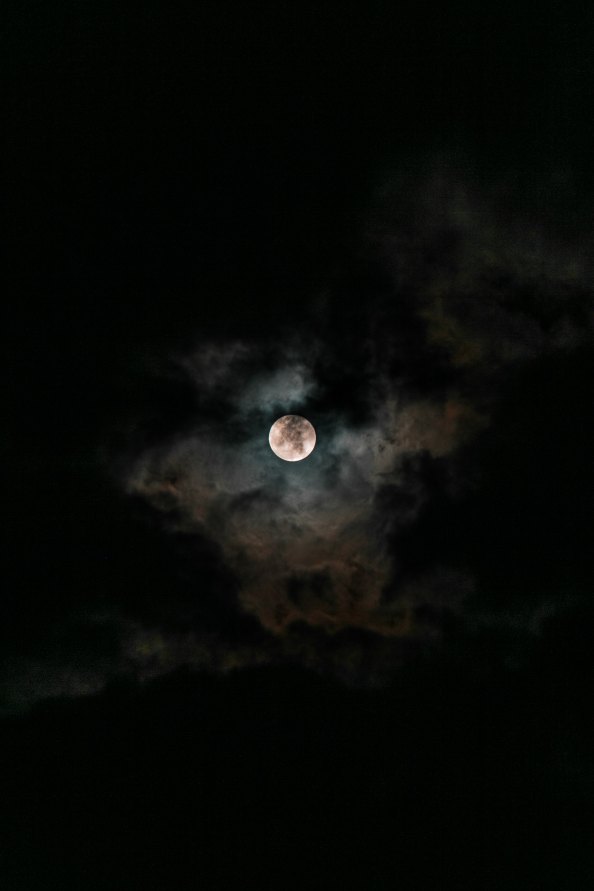
Photo by Kenrick Mills on Unsplash
Ice ferns . . . (tanka)
Presence Issue #62, 2018
scraping ice ferns
off the windows
of our old jalopy –
such fragile beauty
soon pushed aside

Photo by eddy on ‘Unsplash’
Black feathers . . . (two tanka)
Skylark, Tanka Journal 12,
Winter 2018 (6:2)
black feathers
scattered
under a bush—
the unspoken truth
gone forever
~
in an old book
a letter, ‘address unknown’
a million miles away
a new star is born,
another dies

Indigo ink . . . (tanka)
Moonbathing, A Journal of Women’s Tanka,
Issue 19, Fall/Winter 2018
indigo ink
on vellum paper—
all those dreams
of making a different life
for myself
Picking stars apart (two haiku)
Blithe Spirit, Journal of the British Haiku Society,
Volume 28 Number 4, November 2018
~
picking stars apart one by one long winter nights

Milky Way by Felix Mittermeier
2.
summer mirage—
what childhood
might have been
Photo by Pezibear (Pixabay)
Loneliness . . . (three tanka)
Blithe Spirit, Journal of the British Haiku Society,
Volume 28 Number 4, November 2018
Three tanka were published in Blithe Spirit this past November:
Snow Landscape by Hans Braxmeier
winter woodland
bereft of birdsong
with your passing
even clear days
are shadowed
Photo by Frantisek Krejci
together so long
we seem to finish
one another’s sentences,
fluent in the pauses
of each other’s mind
Universe by Gerd Altmann
loneliness
comes and goes,
dancing around
my mind
with two left feet


finding a way back . . . (four Senryu)
Part 2:
Prune Juice, A Journal of Senryu, Kyoka,
Haibun and Haiga,
Issue 26 – November 2018
Four Senryu:
reproach –
finding a way back
from heated words
~
overanalyzing–
the smell of wood smoke
on the wind
~
winter walk
learning to negotiate
what can’t be seen
~
the house
where I was born
weeds & more weeds

Photograph by Marina Shemesh
pale lichens on stone . . . (two haiga)
Prune Juice, A Journal of Senryu, Kyoka, Haibun and Haiga,
Issue 26 – November 2018
~

photography by Mary Kendall
Highgate Cemetery, London
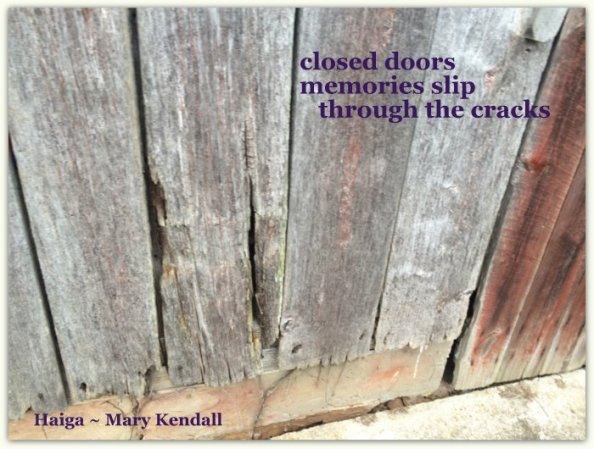
Photograph by Mary Kendall,
Blackwood Farm, Hillsborough, North Carolina
~
My deepest thanks to Steve Hodge, editor. This was his last issue as editor of Prune Juice. It has been a joy and a wonderful learning experience working with Steve as an editor.

Cover art by Chase Gagnon (c) 2018
Here is the link to the full issue of this amazing journal. It includes the amazing prize winners of the Jane Reichhold Memorial Haiga Competition for 2018 (edited by Steve Hodge and Michael Rehling), pdf: pj-26-rev
website: https://prunejuice.wordpress.com
innocence . ..
This tanka is dedicated it to all who have dealt with the trauma
of childhood sexual abuse.
he believed
himself omnipotent…
the innocence
of so many children
dissolved in a moment
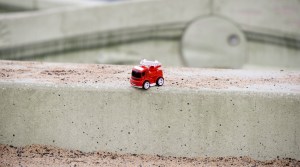
Photograph by Circe Denyer
Eucalypt: A Tanka Journal,
Issue 25, 2018
It’s a great honor to have had this tanka published in Eucalypt. My thanks to editor, Julie Anne Thorndyke for selecting this particular poem.
.
No second guessing
1.
how many times
can a stone skip
before sinking . . .
deep in my breast
a small lump appears

Unsplash by Linus Nylund
2.
no second guessing a kingfisher’s straight dive
Kingfisher and Irises by-Ohara Koson, The Rijksmuseum, Amsterdam, Holland.
3.
leaves turning –
an old friendship
ends
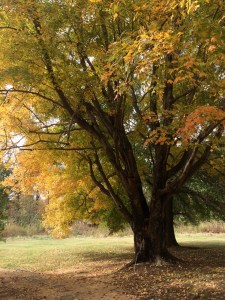
Golden Tree by Mary Kendall
ephemerae,
an international of haikai, tanka & beyond
Volume 1, C: November 2018
My thanks to Shrikaanth Krishnamurthy for publishing two of my haiku and one tanka in the November issue of ephemerae.
Almost . . . (tanka)
Ribbons, the Journal of the Tanka Society of America Fall 2018: Volume 14, Number 3
the long scar
down your chest
almost healed —
so hard to forget
you almost disappeared
Ribbons, the Journal of the Tanka Society of America
Fall 2018: Volume 14, Number 3

Hospice window (a haiku)
My first time in this journal.
Haiku Canada Review, October 2018
hospice window
cherry blossoms
fade and fall
Frayed feathers . . . (a haiku)
Acorn: A Journal of Contemporary Haiku (issue 41), October 2018:
frayed feathers
beneath the dogwood tree
silence
Each coloured heart (a tanka)
Well, somehow I missed this, a tanka published in Eucalypt, one of the finest tanka journals out there. Eucalypt is published in Australia, the home of a great number of brilliant tanka poets. It’s always a great feeling having a poem published in this journal.
My thanks to Julie Thorndike, the editor.
Eucalypt, Spring issue 2018:
how it begins
this love of beauty . . .
a little girl touches
each coloured heart
on grandma’s quilt

“Stacked Hearts” by Planted Seed Designs
Silence . . . (a tanka)
One tanka published in:
cattails, October 2018 Issue
The Official Journal of the United Haiku and Tanka Society
told not to tell
or be a bother
a child soon finds
a world of her own
silence

In that silence, poems are born.
I urge all of you to read the full issue of cattails, which you can download as a pdf here: http://cattailsjournal.com/currentissue.html

