spring surprise—
     flooding the porch
with endless sweet songs
a spunky wren peeks
out of a hanging fern
This tanka was published in Ribbons, Spring/Summer 2026: Volume 22, Number 1 in “Tanka Hangout”
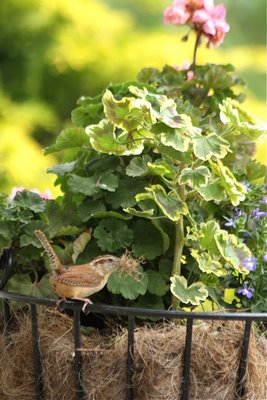
Photo by Julie Zickefoose on Blogspot

spring surprise—
flooding the porch
with endless sweet songs
a spunky wren peeks
out of a hanging fern
This tanka was published in Ribbons, Spring/Summer 2026: Volume 22, Number 1 in “Tanka Hangout”
Photo by Julie Zickefoose on Blogspot
hidden from full view
stars on a cloudy night
still hurtling, burning and
singing their tunes—
unseen, I sing along
This tanka was published in Ribbons, Spring/Summer 2026: Volume 22, Number 1
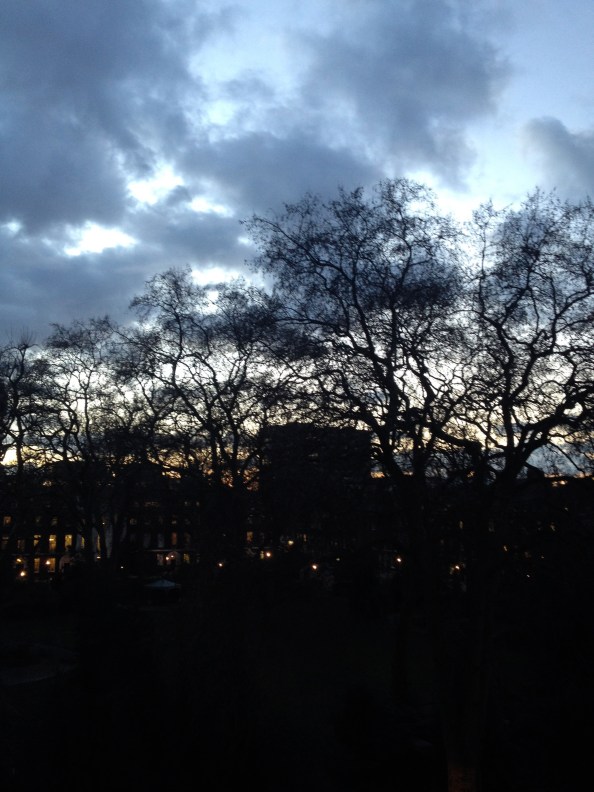
Photo by Mary Kendall London Night Sky
This is an old poem that was originally posted in the early days of this blog, back in 2015. My writing lately has come to a standstill, but rereading things written a while ago is often a way to trigger a creative response. (Let’s hope it works.)
The poem was written when we were living in London for a spring term with university students who were studying abroad. Wonderful memories of that group who are now fully grown and probably leading interesting lives.
We live in Chapel Hill, North Carolina in a beautiful rural development that is filled with gardens and trees. Our single acre plot is divided into flowers, vegetables, invading weeds and cultivated trees. The back half of our acre is woodland and beyond that runs a small railroad track that is used for a daily single train that carries coal to the university nearby. Sounds are important. In winter we can hear a distant passenger train at night. In summer it’s blocked by all the greenery. Chapel Hill is truly verdant as is the nearby town of Hillsborough. Our trees are a mixture of hardwoods (oak, hickory, beech and evergreens (mostly loblolly pines but a few small cedars and hollies). Our beautiful Camellias bring winter color and our small (hand-dug) pond delights us with frogs serenading one another. Southern summers are never quiet. Katydids and Cicadas sing during the hottest part of the year, and all sorts of songbirds visit as we work in the garden or sit on the screened porch.
One of my favorite parts of living here is listening to the trees blow. Whether a storm is coming or not, the very tall trees have a life of their own as they blow and move. It is quite often a very sacred sound.
The trees today brought to mind this ten year old poem for me to reread (and now, to repost).
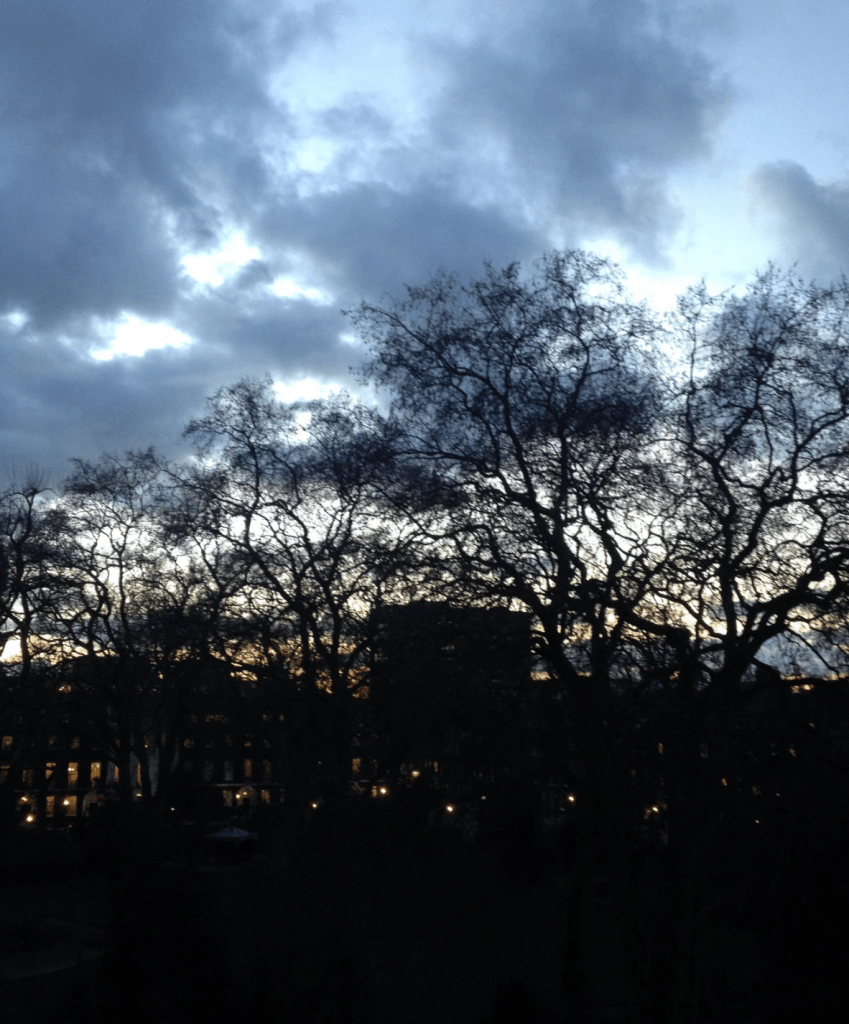
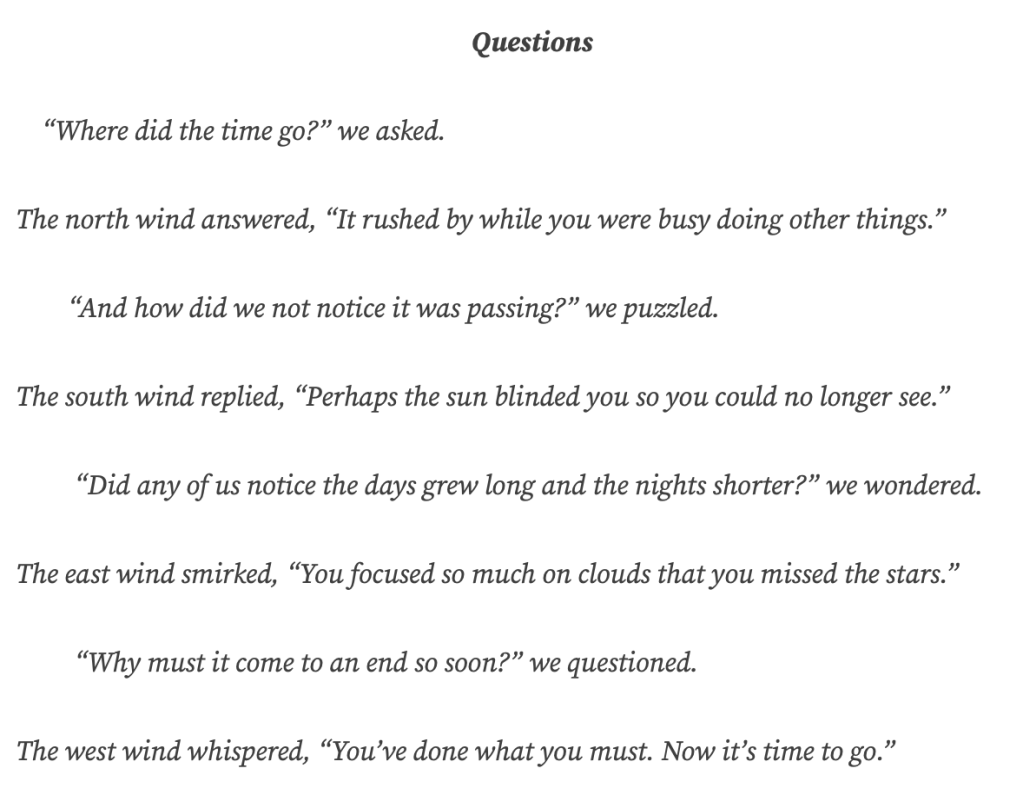

Questions was originally published on this blog on June 19, 2015.
Ten years ago and still the same questions arise.
I hope you enjoyed reading this “oldie” today.
shape-shifting
in my dream, I leap
and run with graceful gazelles
able now to outpace
all that awaits
.
.
A tanka published in
Gusts No. 40, Contemporary Tanka, Canada,
Fall/winter 2024
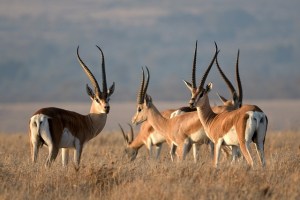
Image by xi Serge from Pixabay
Published in the Spring/Summer 2023 issue of Ribbons,
the Journal of the American Tanka Society
A Tanka Sequence by Mary Kendall
At Giverny
Sunday drive
from Paris
to Giverny . . .
anticipation
half the delight
we stroll through
Monet’s small village
the brilliance of greens
tints of lilac, silver
& old rose
his beloved home
full of color
& memories of children
playing, voices
long forgotten
all these years
together, your steps
in time with mine –
the unexpected scent
of old damask roses
stopping to study
fritillaries, tulips
& jonquils,
you reach out
& take my hand
soon we are adrift
in a huddle of lilac blue
stars of Agapanthus –
our lifetime together,
a flicker in time
~ ~
Author’s note: The French Impressionist painter, Claude Monet, lived with his family in a charming house in Giverny for over forty years. While the house is quite interesting to visit, it is Monet’s beautiful gardens where most visitors want to wander. My husband and I visited Giverny in 2013, and our memories are deeply treasured by both of us.

Here is the second of three tanka published in GUSTS, no. 34, Contemporary Tanka, Fall/Winter 2021.
The pandemic has made all of us look at life and death differently and perhaps more clearly.
one day when I am
long gone from the world,
you’ll find me here
& there among scarlet leaves
or blue damselflies
In the latest issue, GUSTS no. 34, Contemporary Tanka, Fall/Winter 2021, I am lucky enough to have three tanka published. I’ve read through the whole journal twice so far to enjoy the excellent submissions from such a wide variety of poets. Paper journals are especially nice in that you have them at hand when you need something good to read.
Here is one of the tanka I wrote:
growing old together
we make light of losing
thoughts or words –
even now I fall in love
with you again
Like so many other people, the year and a half pandemic has thrown my sense of time way off. I’m so far behind in posting newly published poems on this blog that I find myself now playing catch up. I am both honored and happy to have had such fine journals select some of my work to publish in 2021.
both of us relieved
we made it to this side
of the pandemic –
falling back in love
with spring’s soft greening
Published in Ribbons, Tanka Café, Spring 2021
My thanks to Michael McClintock, editor of the Tanka Café in Ribbons, the Journal of the Tanka Society of America. The prompt was poems of spring and summer. Here is mine:
I love Georgia O’Keefe’s quirky paintings and perspective. She did a lot of work using skulls, which seems quite natural. New Mexico must yield all sorts of bones in the mountains and deserts. Just as she studied and painted flowers, so she did the same with animal bones and skulls. She was very prolific in her work, painting a skull or pelvis in many views, often accompanied by a flower or other desert item. Many didn’t like her bone paintings, but that didn’t deter her in the slightest. Even her husband, photographer Alfred Stieglitz, was initially critical of them. He later relented, as did most critics. To find beauty in death and decomposition and to create art that is somehow mesmerizing and thoughtful is quite an accomplishment.
This poem is from my chapbook (Erasing the Doubt (c) 2015, Finishing Line Press). It is hidden amongst just a few of these wonderful paintings.
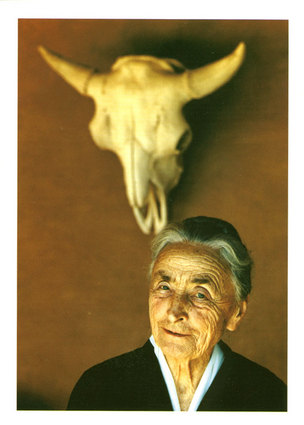
Georgia O’Keefe and cow skull
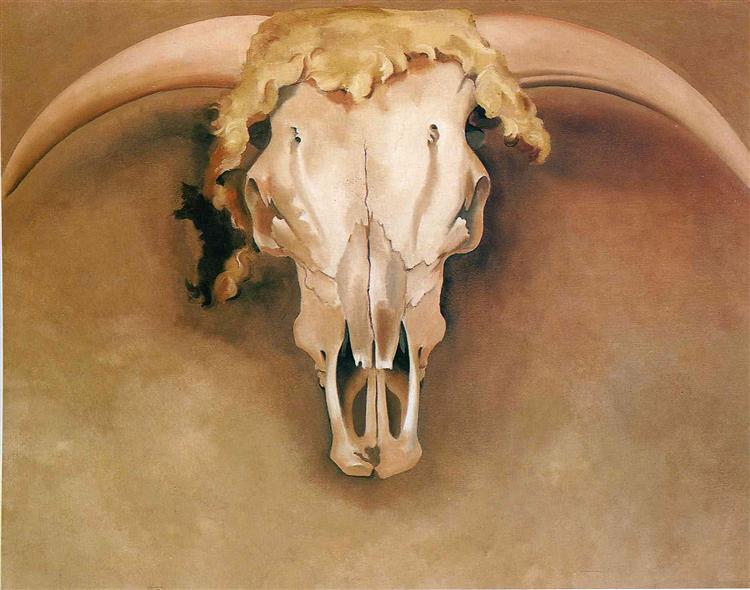
Bob’s Steer Head by Georgia O’Keefe (c) 1936
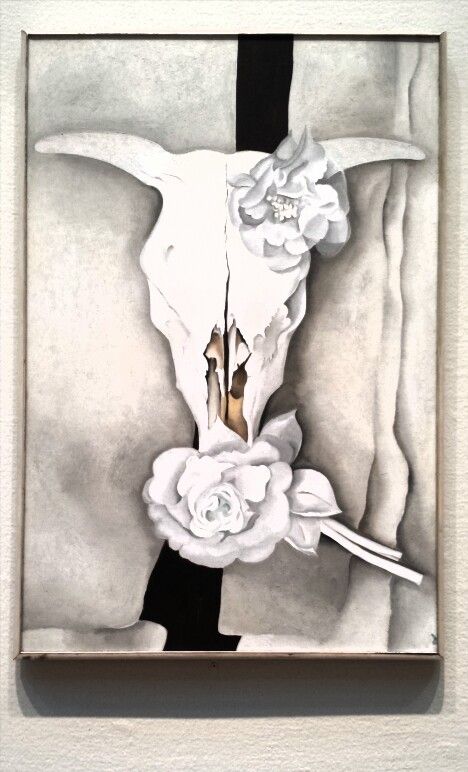
Cow’s Skull with Calico Roses by Georgia O’Keefe (c) 1931
On Viewing a Skull Painting by Georgia O’Keeffe
- The Artist’s View of the Skull as Form
The sinuous curve
hollowed circle
smooth chalky bone
worn smooth, it goes
beyond the form
behind the slow dip
of the arching eye
twisting and curving
back on itself
2. The Skull’s Perspective
At first it all felt wrong,
reversed, bent forward
in a geometric embrace
of mass and space,
the brush stroke
through the hollow eye
that will never see,
beyond to the delicate shell
of the brain
that will never again think,
moving slowly
into that shadow of light
the sky insinuates itself in color
and it is there
that you alone can wander,
deep inside the form that is me
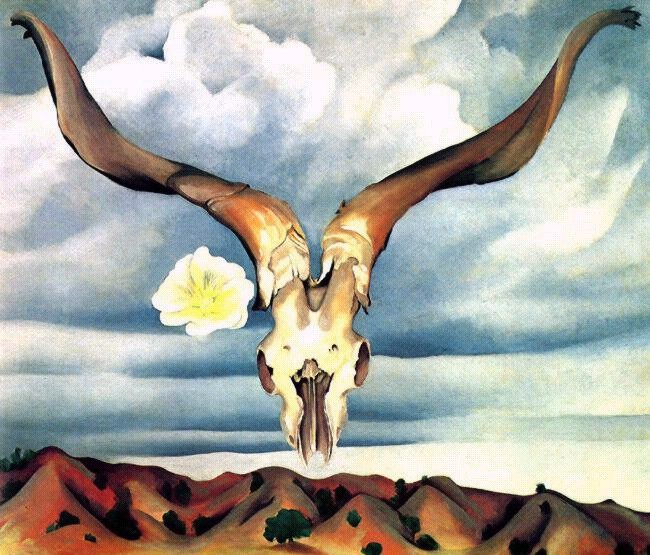
Georgia O’Keeffe, Ram’s Skull with Hollyhock, (c) 1935
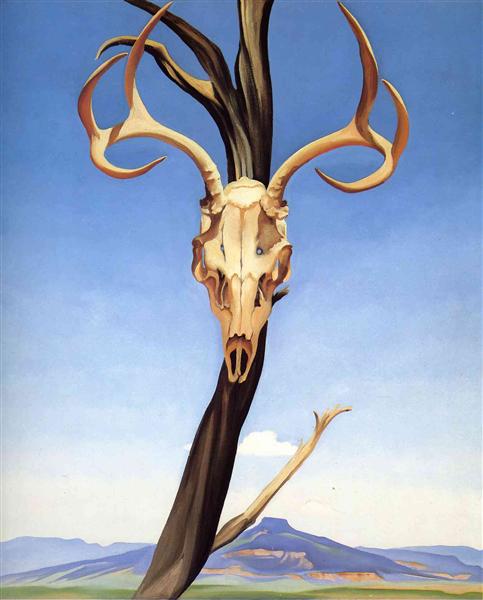
Deer’s Skull with Pedernal by Georgia O’Keefe (c) 1936

Campanula sp, Blue Bellflower. – Watercolour by Greta Mulligan (Australia)
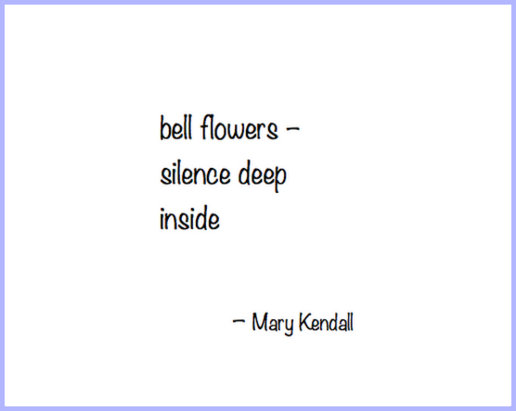
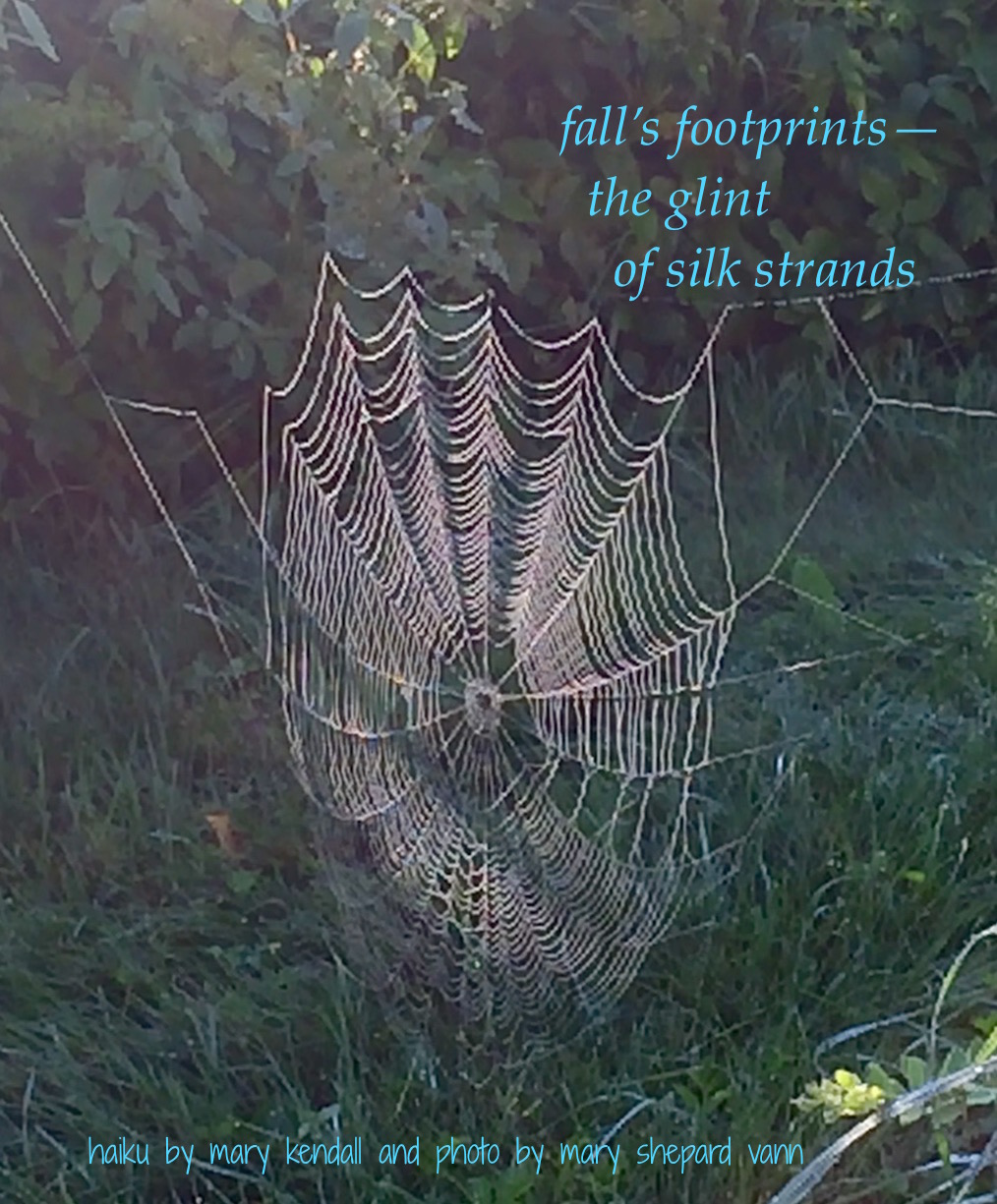
This haiga appeared on Daily Haiga on March 23, 2016. I would like to thank my dear friend, Sheppy Vann, for allowing me to use her beautiful photograph for this piece.
Here is the link to the original: http://www.dailyhaiga.org/haiga-archives/1805/-fall-s-footrpints-by-mary-kendall-usa

What a joy it is to open a journal–online or in print–and find your own work included among poems by poets you admire greatly. March 1st has been a special day since several wonderful publications all appeared on the same day. I’ll post separately for each journal, since I am hoping that you will go directly to the journal and read the work of the other poets that are included.
The first one is a very lovely journal, Wild Plum – a haiku journal, edited by Gabriel Sawicki who lives in Poland. This is volume 2, issue 1. https://wildplumhaiku.wordpress.com
A feature I love is that the new isssue downloads as a pdf file to enjoy now as well as later: https://wildplumhaiku.files.wordpress.com/2016/02/wild-plum-spring-summer-2016.pdf
I have two pieces included in this issue:
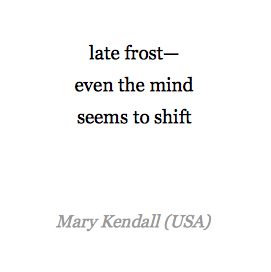
The first is a haiku on page 45:
and the second piece is a Haiga (page 11) using a photo I took from our flat in London looking out at the twilight sky of Bedford Square Gardens:
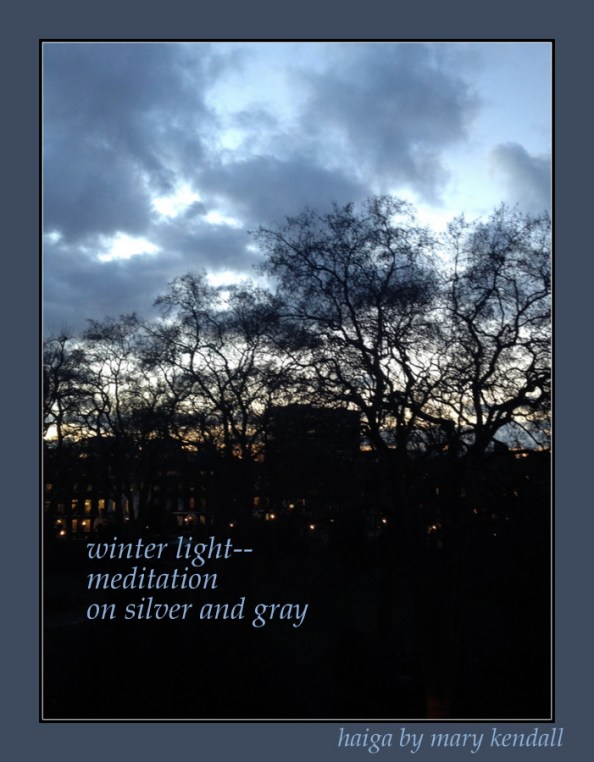
I hope readers will come to realize that meditation is very natural and we often do it without trying, especially at times such as studying a beautiful sky and clouds. Those moments are very centering, and you find yourself breathing more slowly and feeling more relaxed. I hope my Haiga conveys that to you.
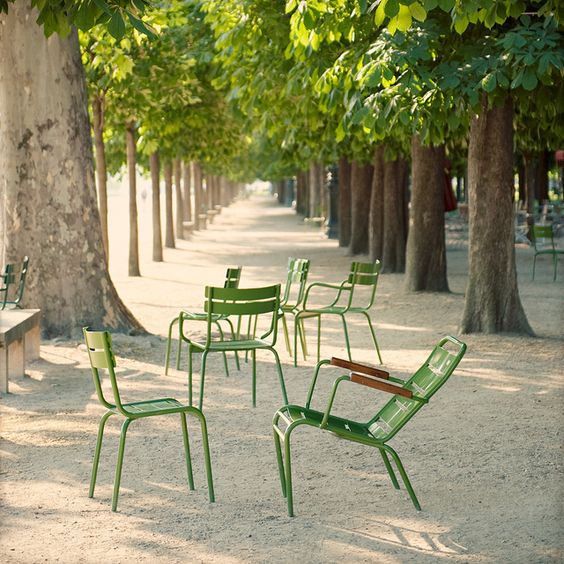
Photograph (c) 2010 by Patti Chronert
Another Love Poem…
If you’d like to hear me read this poem, please click on the link below. Wait a few seconds for it to load. I hope you enjoy both listening and reading this love poem.
Another Love Poem…
~ To my husband and partner of forty years ~
We walked along in the Tuileries
alone among the chestnut trees,
morning sky of crisp pale gold
so many paths we have strolled,
and still we wander, just us two,
my heart never very far from you.
We stop to sit and watch the birds
green park chairs, unspoken words,
plain sparrows chirp, so unadorned
no beauty lost, no beauty mourned.
Simple thoughts are often most true—
no man was ever loved more than you.

Heart Stone by Mary Kendall
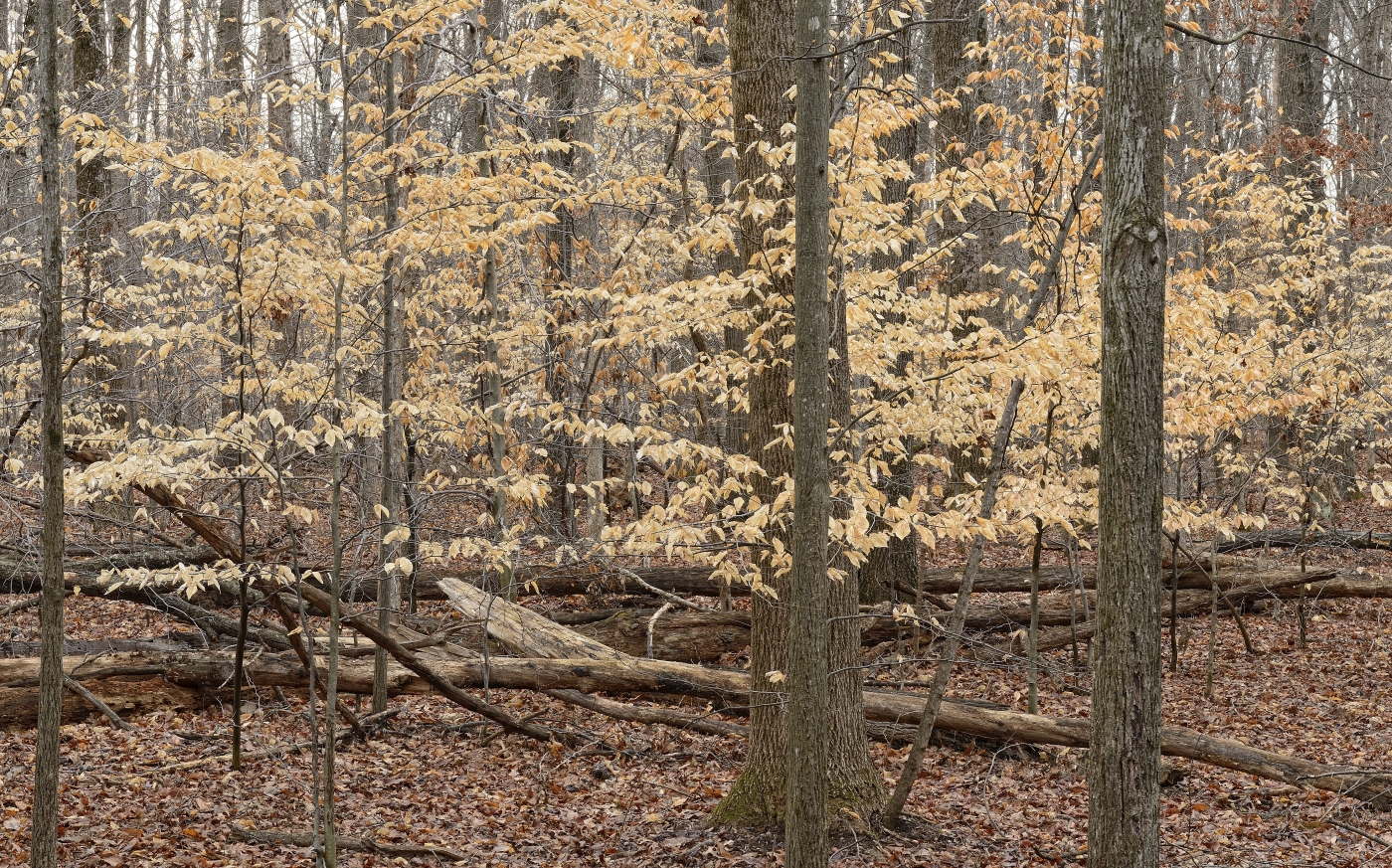
American Beech Trees, (c) Photograph by Jim Clark
It was a very exciting moment last week for me to open up the latest issue of Moonbathing, a journal of women’s tanka, and see one of my own tanka included. To be in the company of so many very talented tanka poets is a highlight of my year.
Published by poet and editor, Pamela A. Babusci, Moonbathing is a journal that showcases the many sides of tanka. The poems cover a wide variety of experiences, emotions and subjects…and all written by talented women poets.
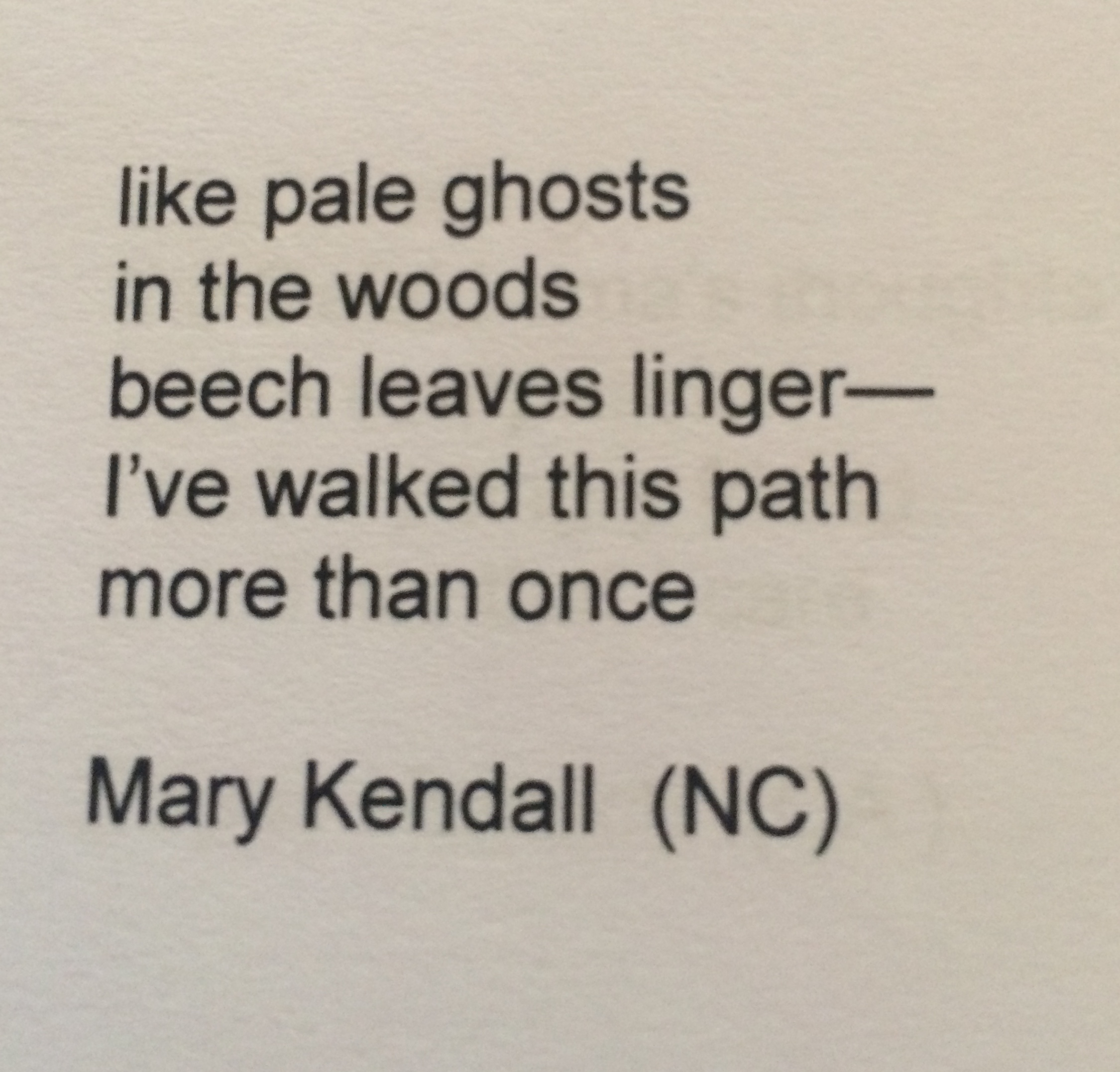
Here is my tanka:
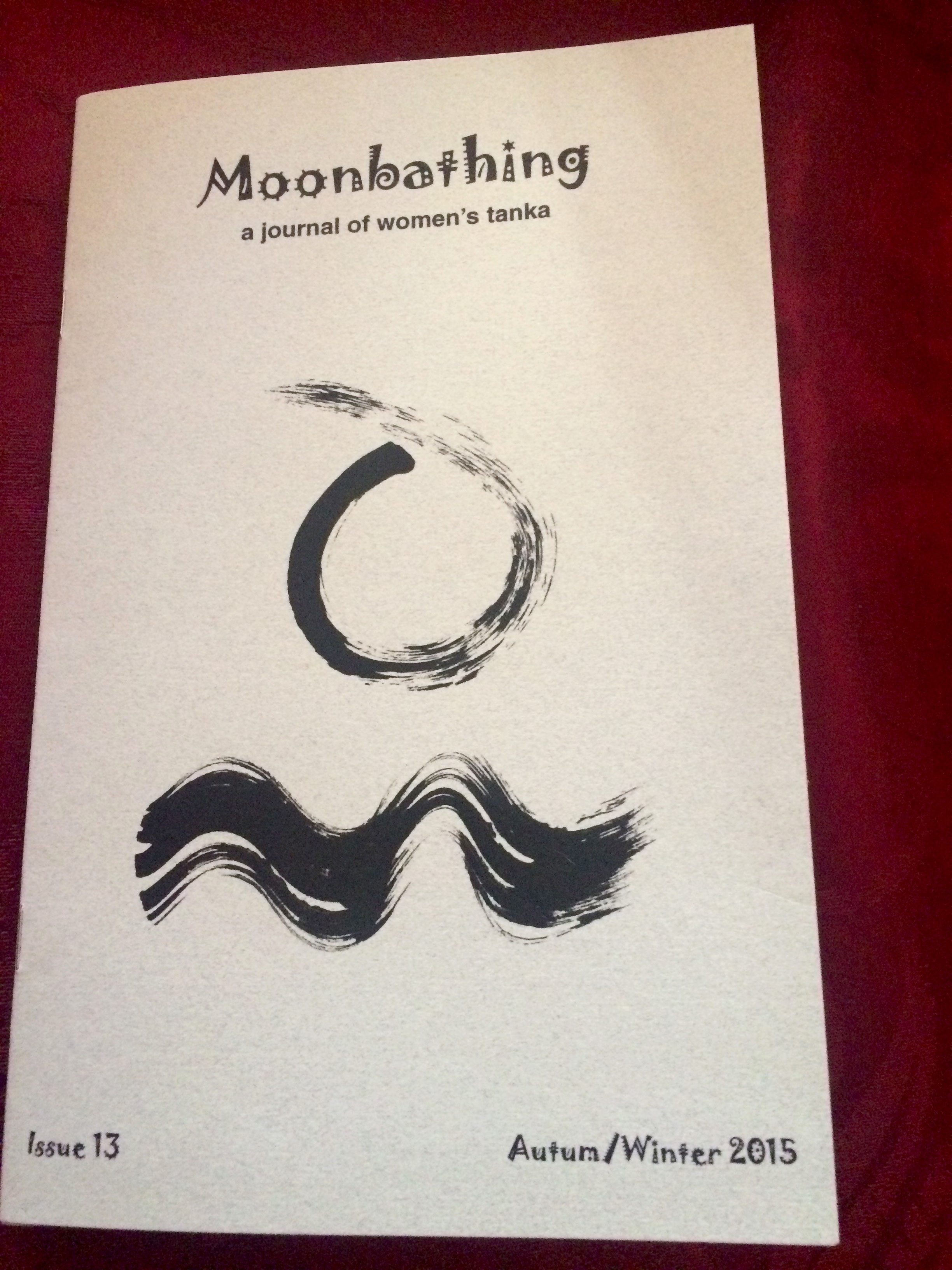
Moonbathing is edited and published by Pamela A. Babusci
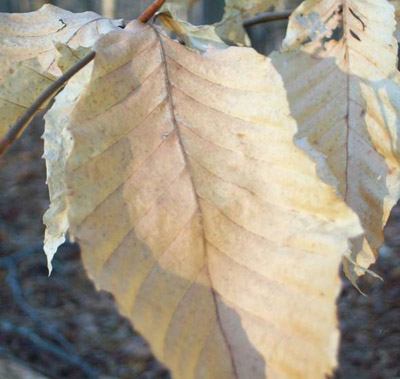
American Beech Leaves, (c) Photo by Walter Reeves
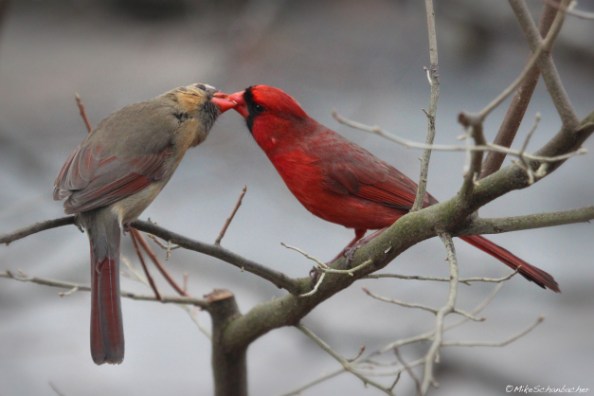
From the window
I watch the cardinal
shuck a sunflower seed,
and, beak to beak,
like a passionate kiss,
he passes it to her,
his paler partner.
I imagine then
that I see the gleam
in his lusty eye.
Note on Photograph: I can find no other attribution for this photograph other than it was taken in Woods Hole, Massachusetts in 2014. It has appeared in a number of online birding sites. My thanks to the anonymous (but talented) photographer for capturing this tender moment.

Today I feel a deep pride and happiness that a poem that has taken 15 years to complete has been published in one of my favorite poetry journals–The Whirlwind Review. This journal has a focus poetry following a spiritual path, and the current issue has a theme of journeying. That made it a perfect place to submit this poem, Drifting Along. My deepest thanks goes to editor, Jill Jepson, herself a writer I greatly admire.
New Zealand is a land far away from my own, but it is a spiritual homeland of sorts. After visiting there in July 2000, a twenty-five year silence in my writing of poetry ended after a spiritual experience I had on South Island. The beauty of the country and the kindness and friendliness of the people made this a trip I will never forget.
.
The link to the poem: http://www.writingthewhirlwind.net/Kendall.html
Audio: If you care to listen to me read this poem (and I hope you will–this is one of my most favorite poems), click on the link below. Give it a few seconds to load.
.
. Visiting Waitomo Caves, New Zealand
There are moments when I wonder if one day
I will drift too far, too deep into my mind,
a world where fragmented thoughts,
memories and feelings might be lost forever.
The last trip.
A one-way ticket.
Traveling halfway around the world, we are
in New Zealand, the land of Aotearoa,
‘the land of the long white cloud.’ Driving
south, we arrive in the Maori heartland.
From Rotorua with its dizzying sulfuric scent,
we hike past brilliant springs, steaming lakes
and hot, bubbling mud pools where it seems
as if the underworld might hover just below
the surface of this ancient thermal valley.
One morning we go to see Pōhutu Geyser.
After a while, I wander from the path only to be
unexpectedly splashed by a small spurt of water
that was invisible until I came too close.
The Maori guide tells me that I’ve been blessed
by the spirits. Brushing off the still warm spray
of water, I hope she is right. I want to believe.
Driving through this world of rolling green
volcanic hills, we finally reach the Waitomo Caves.
As we wait for our boat, I feel a pulse in the land—
I know we are standing on sacred ground.
With our inner clocks all timed out, we begin
the dark journey into the heart of the cavern
Skimming silently through the still waters,
the young boatman leads us far into the blackness
of a cave that tunnels in so far, we lose all light
and sense of where we are. Our eyes now adjust
to this obsidian underworld, and it seems that
we have begun to cross into unending nighttime.
Everyone in the boat is silent. To be this close
to the infinite expanse of darkness,
to transcend time and self—this is a place
for stillness…and so it is.
With only the lapping of water against the boards,
the boat slips along. Although we came here
knowing what was hidden in this hollow, no one
is prepared for the full beauty of what is there.
I look up and see endless strings of glowworms—
glowworms hanging so high up, they become
numberless strands of summer stars—pale green fires
in these underground heavens whose ghostly translucence
leaves me feeling as if I am asleep somewhere,
not wanting to wake up from this ethereal place
in which I float between two worlds.
The boat glides quietly in the gentle sway of water,
and it is then that I begin to fear we have drifted too far.
I can remember no way back.
No signposts.
No markers.
No trail of crumbs.
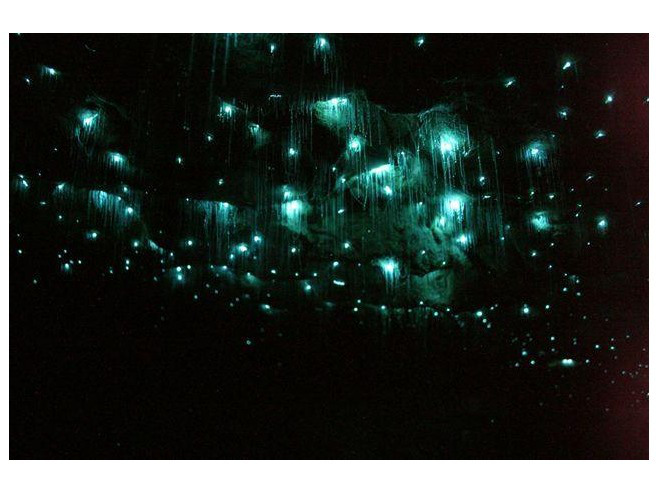


My thanks to the New Zealand Tourist Bureau for the magnificent pictures shown above.
a poem for an autumn morning ~

This morning I woke up knowing a change was in the air. With intermitent gusts of wind, my garden feels different. From my porch where I sit writing this, I hear cardinals talking to one another in soft chirpy sounds, not full song. A nuthatch scampers up and down the tree trunks hoping to find a tasty insect for its mid-morning snack. What is clearer though is the background sound–the small insects that hum and buzz in notes I can’t clearly discern. All I hear is a constant high pitched sound–but it is a soft sound, not the commanding songs the cicadas sing. A chickadee now scolds someone, probably my dog who is suddenly interested in wandering in our back woods.
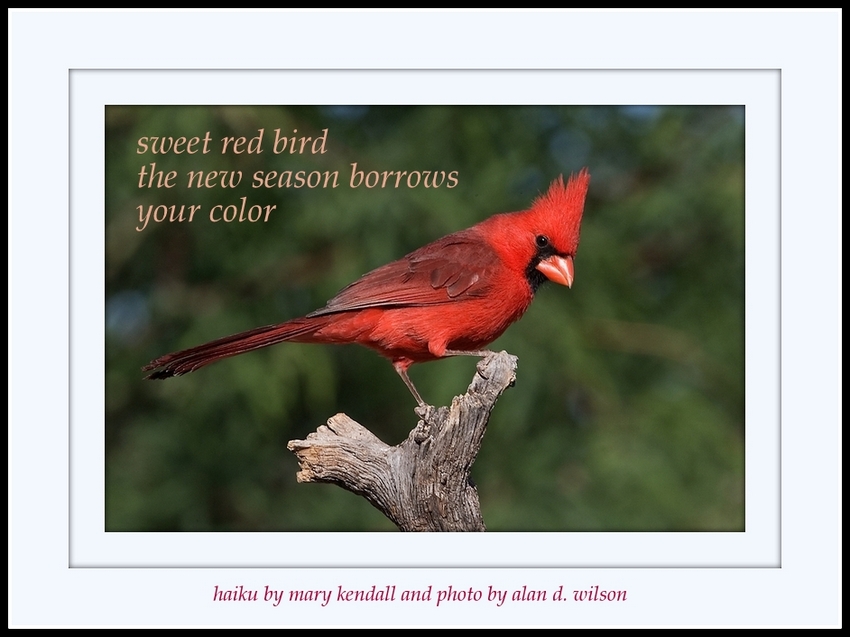
The breeze comes and goes. Wind chimes sing their beautiful songs. Leaves shudder and flow in the wind, then settle down to stillness. A large robin sits in the birdbath drinking in the water, probably for the last time before it makes its long migration down to southern Florida. Now a flock of crows jeers at something, most likely the red-tailed hawk that lives nearby. And since I’ve sat here long enough, a single butterfly sips from the last flowers of the purple buddleiah bush. It is a yellow swallowtail and probably the very last one I will see this year. There have been no others all week. A female cardinal visits the other bird bath. Luckily these beautiful red birds don’t migrate from here. They will stay all winter long, and I will put birdseed out for them each day.
Autumn has always been my favorite season since I was a little girl. I grew up in the northern climate of Buffalo, New York where the lake winds brought the strong Canadian coolness and fall was often upon us in early September. Not so here down south. Here, North Carolina weather can change in an hour. We can have this first taste of fall and tomorrow might bring back the heat of summer.
Life in the United States changes with this season since children return to school, vacations are pretty much over, and everyone settles in. I find myself cooking soups once again. Last night I made Italian Wedding Soup, a perfectly delicious way to welcome the change in seasons.
Fall or autumn? I grew up calling it ‘fall’ and with the obvious falling of leaves, that word makes good sense, but the poetic side of me loves the word ‘autumn.’ I love saying the word, hearing it, feeling it on the tongue. Autumn is delicious! And ‘autumnal’ is divine. Who can resist the beauty of this season? Not me.
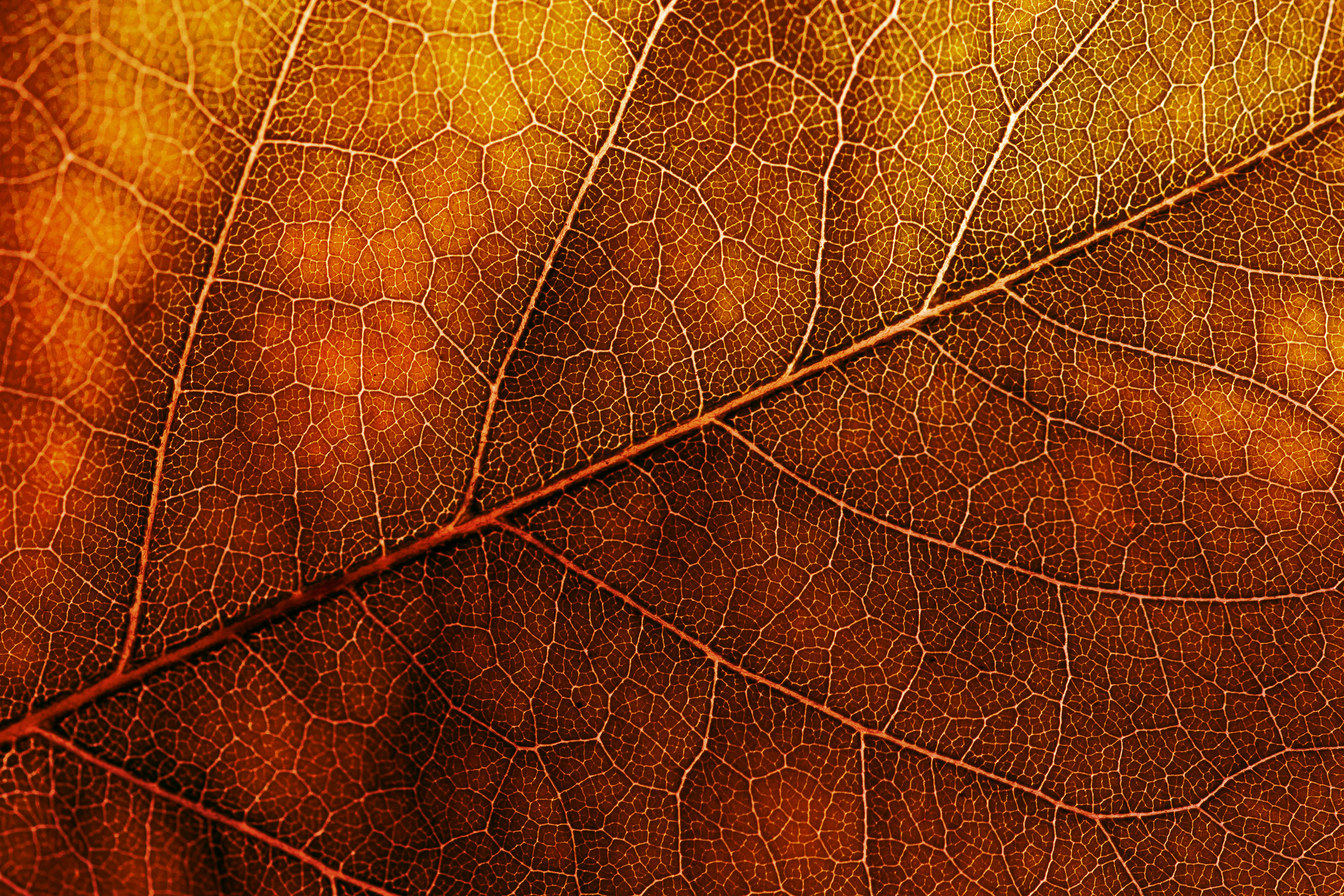
Here are three other poems–two tanka and one haiku– to welcome this special season and day of the autumnal equinox.

daylight
and nighttime
in a slow dance—
tomorrow one
will lead
~

~
autumnal equinox…
the moment when day
matches night
~
~
autumn’s equinox
when time is equal—
if only one day
people
could be like this
~


Photo by Gary Brichford, (c) 2015
Today’s poem is a slight detour down the road that leads to summer’s end. I’ve chosen to present an acrostic poem, a form I always enjoyed using when writing with children during my years of teaching. Acrostic poems are delightful and often funny, but as shown here, they can be serious and even tender.
You can hear me read the poem if you click on the link below and patiently wait a few seconds for the recording to begin.
.
Summer’s End
.
Sunflowers bloom tirelessly all summer long
Unwavering in their deep devotion to the sun
Multiplying day by day, the fields grow yellow
Making everyone stop to look
Elegant with their tall, swaying stalks
Regretting nothing, they give themselves to this season
Surrendering ripe seeds to the redbirds and finches that gather round
.

Photo by Betty Rizotti, (c) 2015
.
Even summer must come to a close
No one is ever spared the final moment
Depleted of seed, sunflowers begin to bow their heads in sleep

Photo by Jan Monson, (c) 2015

Photo by Gary Birchford, (c) 2015
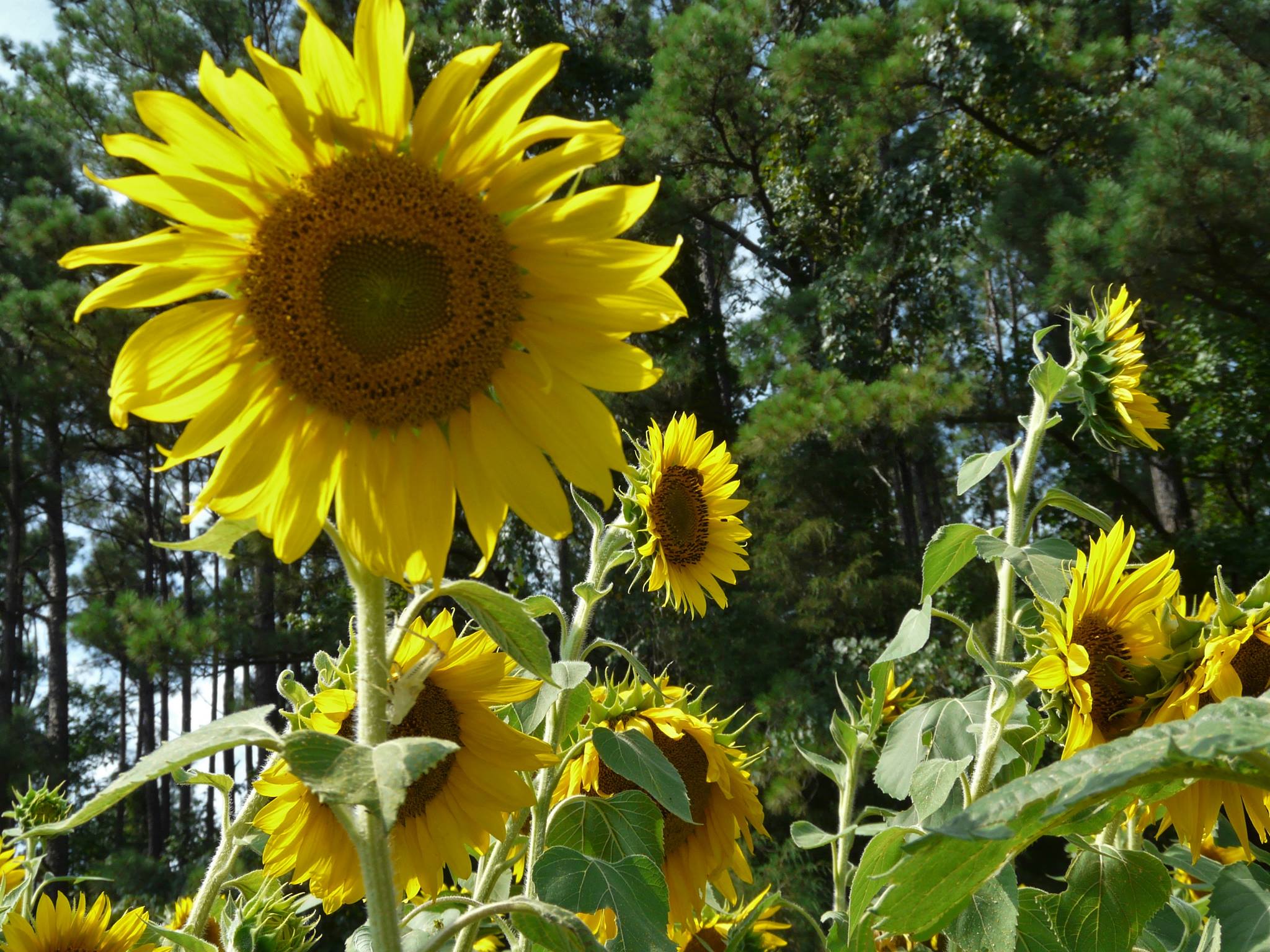
Photo by Gary Brichford, (c) 2015
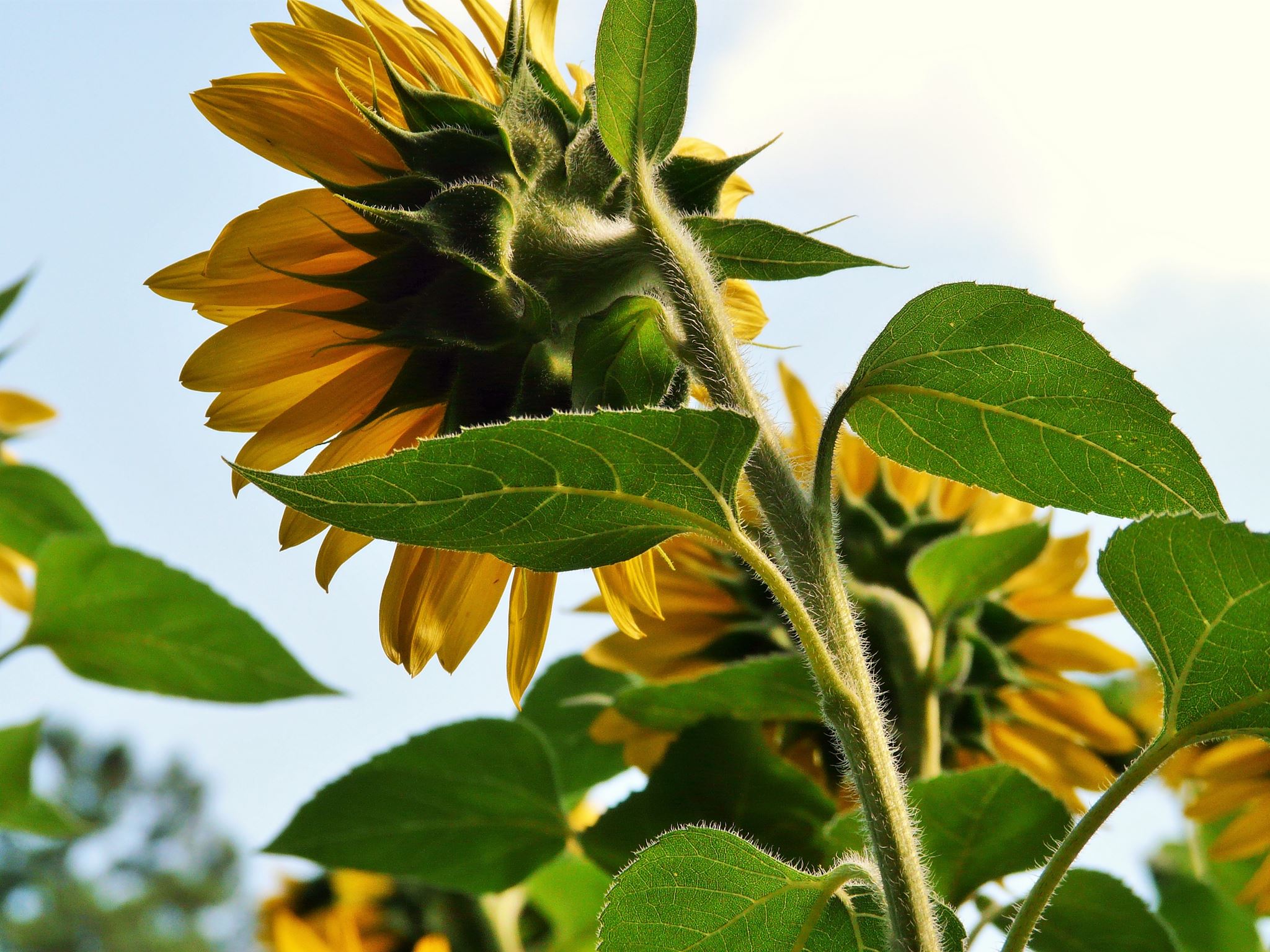
Photo by Gary Brichford, (c) 2015
Several photographers are responsible for the beautiful sunflower photographs in this blog. The two with the goldfinches are shared by Betty Rizzoti (middle right photo) and Jan Monson (middle left photo). Many thanks to each of them for these great captures. All the rest of the photographs are by Gary Birchford whose photographs, when posted on FaceBook last month, inspired this poem as a goodbye to summer. Thank you Gary for your ever generous heart in allowing me to use these pictures.
.

Photo by Gary Brichford, (c) 2015
One final note: Gary Brichford took this set of sunflower pictures from an interesting source. They were on the side of a major highway in central North Carolina as part of a government project. Please see the picture below for details. Isn’t it great to know that our Department of Transportation is involved in Pollinator Habitats. What better place could they find. Imagine how many people drive past and smile at the ever beautiful sunflowers.
.
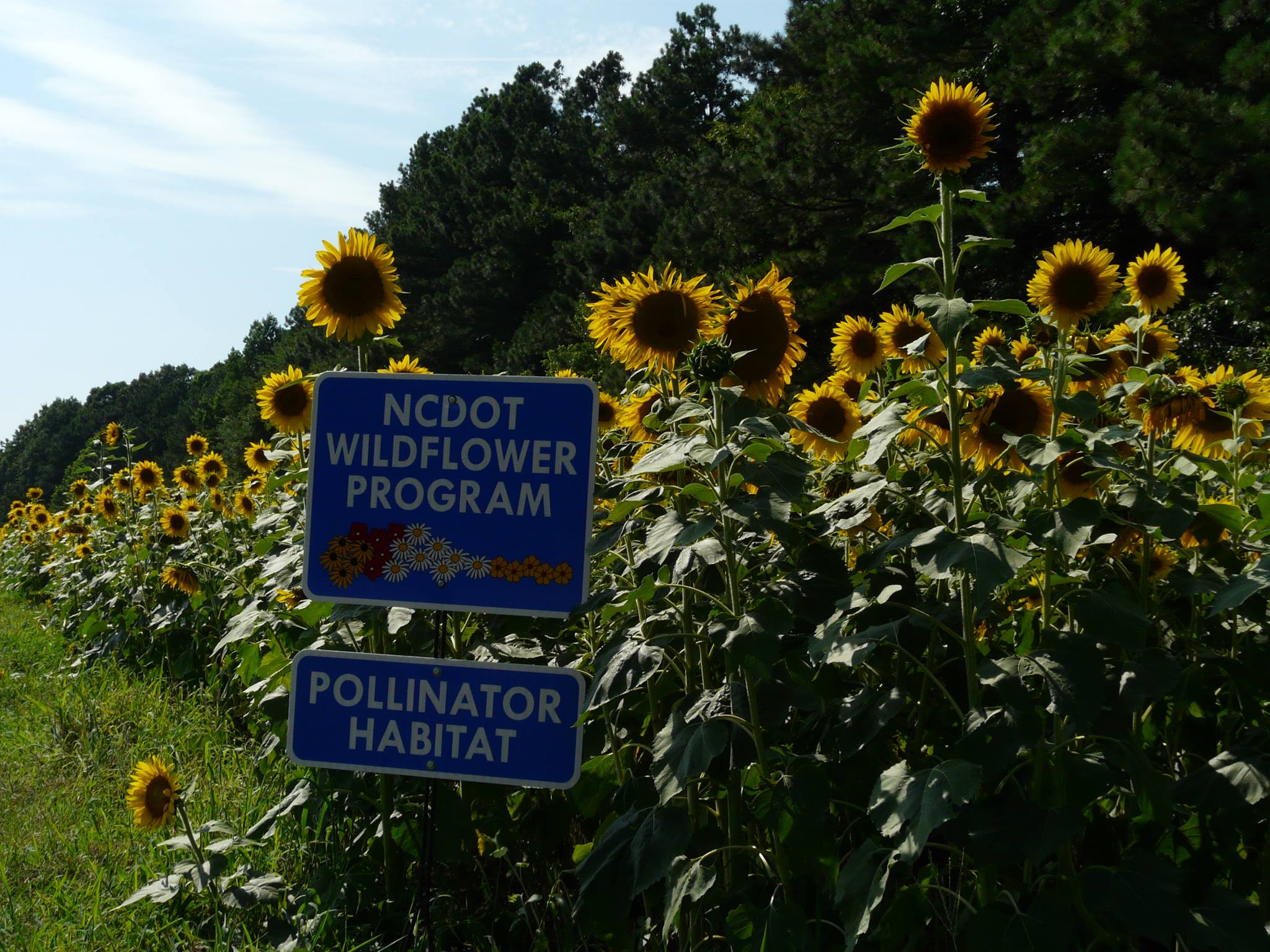
Photo by Gary Brichford, (c) 2015
.

Fence ~ Photograph by Randy Baker (c) 2015
Randy Baker is a friend who loves the southern countryside and captures it beautifully in his photographs. Like many, he considers his pictures to be “just photos” and not art. He is modest about his talents for capturing beauty in a split-second shot. To me, this is art at its best.
I’ve held on to this picture all summer. It’s such a simple picture, and yet it is a perfect picture. Its subject is straight-forward–it’s a photo of a fence in the countryside. Yes, there are lots of fences. But look closely at this picture. The most noticeable feature is the upright stake, but it’s not just a pre-milled wooden stake. It’s a section of a tree still covered in bark. It also has a section that once was part of a limb and now appears to be almost a mouth sharing its thoughts with us on this cloudy summer day. The texture, the color of the bark, and then the color and texture around it in the grass and the wild flowers to the right and the cut and fallen grasses in front–all of these make it a photo you want to study for a long. I have certainly done just that.
This picture also made me want to re-read Robert Frost’s wonderful poem, The Mending Wall. I spent a whole morning reading and rereading that magificent poem and then reading some critical interpretations of it. I left refreshed and in still very much in awe of Frost’s brilliance. No wonder everyone remembers that poem or at least the famous lines it has given us. So this picture also gave me this–a little detour into rereading one of the great American poems that I hadn’t picked up in decades.
But Randy’s picture is not of a wall in need of repair or mending. It is a wall made of air, wire and wood. An entirely different type of barrier from a stone wall. The purpose is the same–it demarcates land ownership, and it keeps something out–or in. That is what got this poetic mind going.
What does a fence really do?
Here are my responses to the question of what a fence is or might be. I’ve looked at this picture so many times, and this single picture has inspired quite a few poems. These are very brief poems–sketches in verse, plus there is one poem about fences as a metaphor for our own need to be guarded at times.
.
the only real fence is in my head
.
.
on the fence—
am I in
or am I out?
.
.
Clichés abound
when it comes
to fences.
.
And here is a poem for all of us who guard our hearts so closely:
.
My Fence
What do they —or you—
know about my fence,
and how carefully
I chose to build it?
Can you guess
how long
it took to build it?
A lifetime of habit,
carefully constructed
and often hidden habits,
a life spent half in fear
of being judged
unkindly, unfairly,
with malice
in another heart.

Note: I would like to thank Randy Baker for allowing me to use this beautiful photograph that he took in the beautiful mountains of Virginia. It is a picture I would like to have framed and hanging near my writing desk. Randy, your pictures are always inspiring and bring a clarity to both the mind and heart. Thank you so much.
.

“Multi-photo composite showing Perseid meteors shooting from their radiant point in the constellation Perseus. This year’s Perseid shower will peak on August 12-13 (Wednesday night-Thursday morning) with a meteor a minute visible from a dark sky.” Credit: NASA
Excellent information source : http://www.universetoday.com/121599/kick-back-look-up-were-in-for-a-great-perseid-meteor-shower/
“Every August, the night sky is peppered with little bits of comet debris in what we call the annual Perseid meteor shower. In 2015, the Perseids will peak on Aug. 12 and 13, with up to 100 meteors per hour possible for observers with clear, dark skies, according to NASA. The Perseids are bits of the comet Swift-Tuttle and often create the most amazing meteor shower of the year.” (www.space.com)
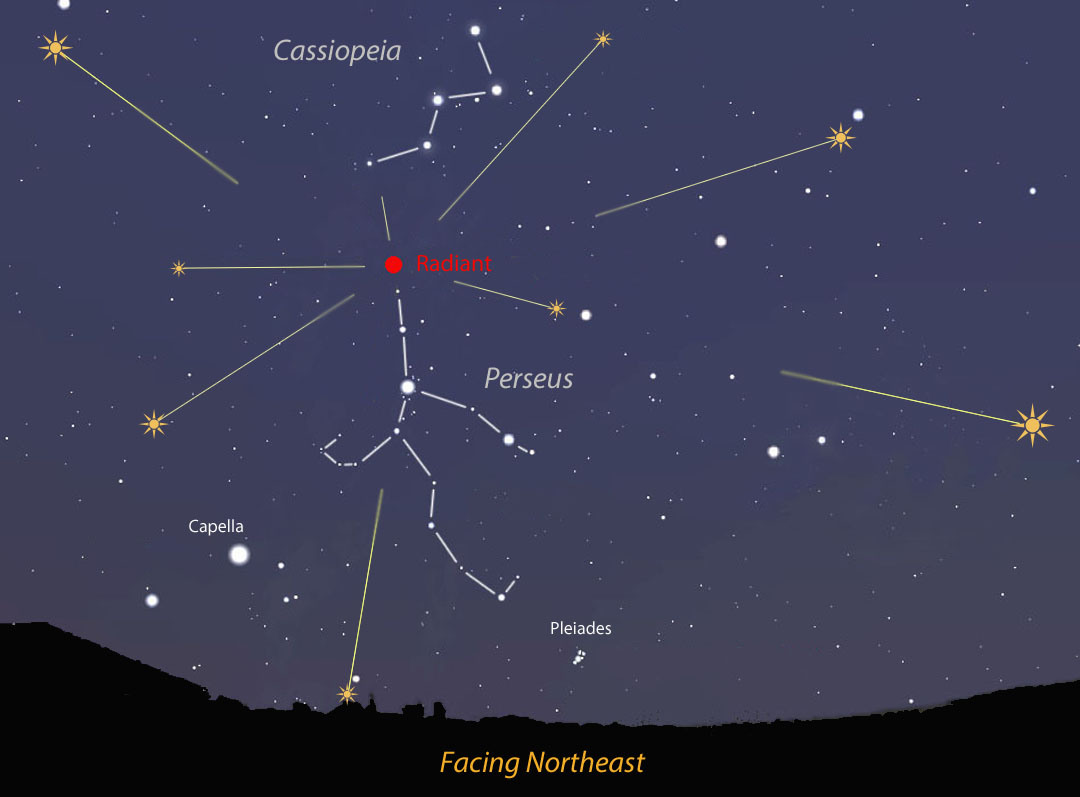
Now that you know all about the great Perseid Meteor Shower of 2015, get your blankets ready, and go out before dawn on August 13.
My poem in honor of this spectacular celestial show is a sonnet called, “The Meteor Shower.” Written a few years back, it has never been published. I thought it would be nice to post it this week and share it with a few readers other than myself.
The sonnet form I chose was the Spenserian sonnet form, invented by poet Edmund Spenser:
a b a b bc b c c d c d e e
I’ve provided an audio clip below to listen to with the poem or while you look at the beautiful pictures above or the lovely one following the poem. (Note: audio takes a few seconds to begin after you press the play button.)
The Meteor Shower
But who can hold the stars? Let us look then,
Let us hear what songs the skies are singing
As we lie here on the dewy grass when
The Perseids start their wild summer dancing,
And we are so enraptured, not thinking
Of anything but this heavenly sight,
Unable to look away from shooting
Stars that sprint and leap, now left, then right.
Beneath this show, on such a timeless night
As life stands still, we glance at every star
In wonder that pieces of debris might
Create syncopated movement from afar.
Such beauty holds us quiet, but these thoughts
Betray the silence hidden in our hearts.

.

My thanks to my dear friend and photographer, Yolanda Litton for allowing me to use her beautiful picture of the Provençal countryside.
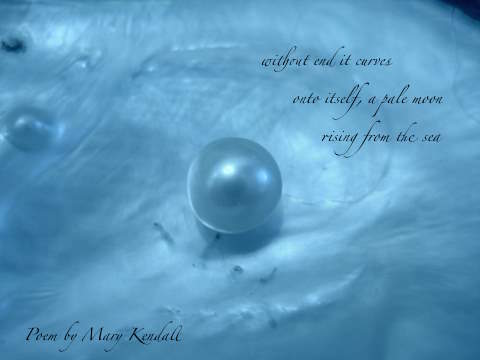
One of my earliest postings on this blog was of a haiku on a pearl. Having begun creating haiga, a combination of a haiku and a piece of art or a photograph. I reworked this poem, and this is the result. It is now finally finished. I only wish I could give full attribution to the original photographer, but I could find none after searching for quite a long time. I did alter the color to suit this poem. My thanks to all fine arts photographers who always inspire.
.
.
 A Poet in Time