And then again, the past comes back

This is a reblog from eleven years ago. It wandered all that way into my thoughts on a quiet Saturday afternoon in mid-August of 2026.

So much has happened in eleven years. We are a changed country, a transformed world. The seas have risen, glaciers melted and weather controls life in a new way. The world seems to be at war with everyone, and our beautiful American democracy is at a dangerous level of risk that increases each and every day. There is quite often a feeling of heaviness and despair when listening to or reading the news. So many of these changes are not for the good of mankind, but that is a topic for many discussions and more poems. And so we wait for that rush of wild wind of change to surprise us and clear the air and world of darkness, unkindness and injustice.
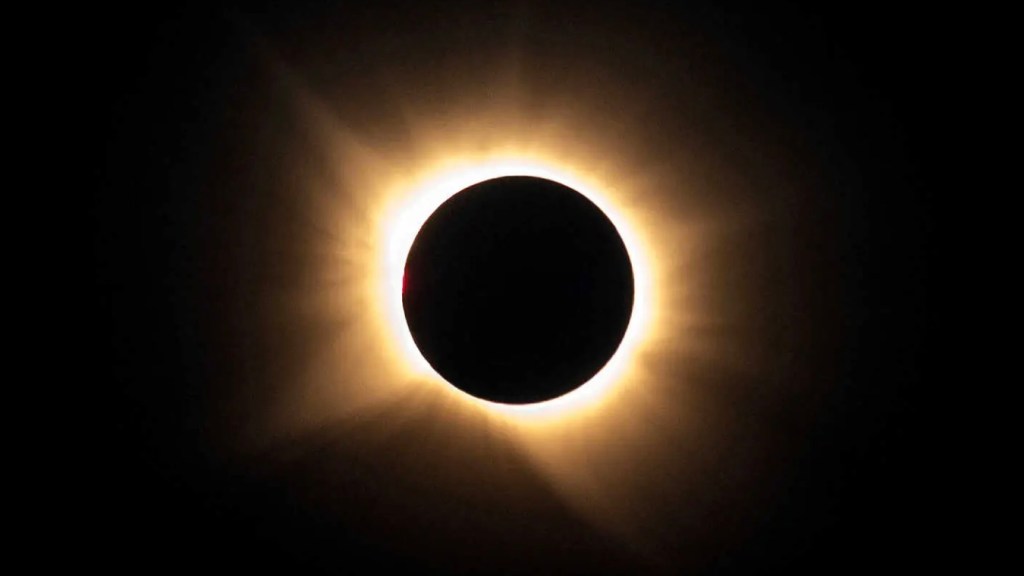
Photo: the solar eclipse, August 2026 (from the internet, no specific photographer given). Thank you, whoever you are.

I’ve chosen this particular blog post from 2015 because it deals with memory and its peculiar traits. I hope some of you will enjoy reading the whole posting and how it came to be.

(Feel free to leave a comment about your own thoughts about memory and time.)

Here you go:

The Mutability of Memory

Posted on  by Mary Kendall

All of us have memories. Good memories. Bad memories. Memories we love to revisit over and over. Memories we push far back, hoping they will disappear. Some memories are vivid, while others are dreamy and vague. A few are very, very real as if they just happened, but others feel as if they stories that happened to someone else rather than us.

Memories can be haunting. Memories can be triggered by all sorts of things—from a taste that evokes brilliant memories from early childhood to a scent of burning leaves that reminds us of an autumn long gone.

It began with a prompt in March 2014 in Poets Online {my thanks to Ken Ronkowitz for this idea) to use a first line from an Emily Dickinson poem as our own poem title and then to write a new poem. This was one of my favorite prompts because it asked me to do something I had never considered. I do read Emily Dickinson’s poetry from time to time. I puzzle over her words and meanings. I spend a fair amount of time thinking about what she meant and how she did it. She never ceases to amaze me or probably any of her readers. To borrow a first line from her seemed a bit like stealing something sacred. And then the fun began–going through all of her first lines (which, of course, have also become the titles of her otherwise untitled poems)–and selecting one to work with. The prompt suggested we not read (or reread if we had read the poem a while back) Emily Dickinson’s version until our own version was complete. Fair enough.

After going through the list of first lines of Dickinson, I had to eliminate all those I knew. That meant excluding some wonderful poems I knew and loved. It also meant I had to find a poem that was unknown to me. Oddly enough the one I ended up with is a well-known poem of hers, but I couldn’t remember reading it (failure of memory on my part perhaps?), so I chose it. I love this line. “The Past is Such a Curious Creature.” Don’t you love the very idea of it, calling the past a curious creature, personification with such crisp alliteration?

Following the instructions, I did some thinking of what the line meant to me, what it brought forward. That’s how poets work. It can be rather vague to those who don’t write, but all poets know that a simple line can bring to life so many things. A poem comes from someplace deep inside, a place we’d love to explore but we only get glimpses of it. It took me a while to write the poem and to rewrite it. I wasn’t sure I wanted to submit it for quite some time. I even tested out a few other lines as prompts, but I returned to this irresistible line that Dickinson wrote. Here is the poem I finished and submitted. When the final poems were published, it was fun to read all of them. The other writers did a wonderful job. Some wrote in a style resembling hers. A few wrote in rhyme. I did none of that. Mine was in free verse, dictated only by the ideas and images that spilled out.

My poem:

THE PAST IS SUCH A CURIOUS CREATURE  (Line taken from Dickinson’s Poem CXXVII)

The past is such a curious creature
capable of creating such marvelous lies
that we begin to believe as we hear them
said again and again, forgetting that
there are those who love to distort
the truth and let it spill out and break
into brittle bits & pieces that are left
on the street to be kicked and crushed
until the shards are too small to see.

The past writes a story of its own choosing.
Its pen might be inked in faulty memory;
its paper might be marked in things that
did happen as well as those that did not.

This story is examined with the lens
of exaggeration and embellishment
until the tale that remains
is now so embedded in our minds
that we can no longer know
what was real and what was not.

And now for the inspiration piece, the poem written by Miss Dickinson:

THE PAST IS SUCH A CURIOUS CREATURE  (Poem CXXVII)
by Emily Dickinson (Complete Poems, 1924).

Part One: Life CXXVIII

The Past is such a curious creature
To look her in the face,
A transport may receipt us
Or a Disgrace.

.
Unarmed if any meet her,
I charge him fly!
Her faded ammunition
Might yet reply!

Although the prompt suggested reading the original poem after our own was nearly complete and then comparing where we were going, I opted to read Emily Dickinson’s only after my poem was more or less complete.

In Emily Dickinson’s poem, her personification of the past as a feminine being is a surprise. Then she tells us that as we remember the past, it might reveal a hidden delight or a remembrance of something disgraceful or shameful. That said, she moves to the second stanza and urges the reader to be aware that if the past memories are ignored, there might be consequences that would take us with surprising force. How true. Memories that are suppressed can and just might tumble out to reveal an unfathomable nightmare. Or more.

My own poem chose a different path. It opted for examining the past by questioning the mutability of memory. Is the past always the past? Is it constant? Or is its story one that changes in the retelling and perspective of the storyteller? My point of view came arose from the self-examination of a few haunting memories from my own early childhood. These particular memories were negative, but they were mine as I perceived them.

In asking one of my sisters about her perception of these same events, her memory was quite different from my own. So, which was true? Either one? Both? True for her, and true for me, even with different observations and conclusions? I spent a long time trying to figure it out but was unable to do so. My past. Her past. Our past. Memory can change and distort with time, age, experiences, contemplation, It does present some good leads for poems, but it does not answer the question as to what that unhappy childhood memory really was all about.

Poetry allows us to raise questions and to examine possibilities. It is not psychotherapy, nor is it scientific. What it does do is give the poet a way to explore personal stories and experiences and to turn them into something that goes far beyond the individual self. It offers each reader a chance to follow along and even to join in, adding their own experiences and memories into the mix.

What do YOU think about the mutability of memory? Can we ever answer all of the questions we have about the past?
.
A Repeat for Myth Lovers: The Second Lamentation of Demeter by Mary Kendall ~ (Poetry and Myth)

As a follow up to my last blog, I’m reblogging this second lamentation that dates back to November 4, 2014.

Which classic myth would YOU choose to write a poem about? What grabs your mind and heart both?


The Second Lamentation of Demeter


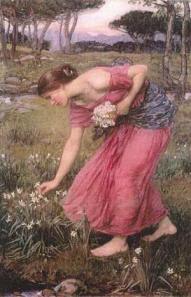
Narcissus, 1912 by John William Waterhouse

Narcissus, 1912 by John William Waterhouse


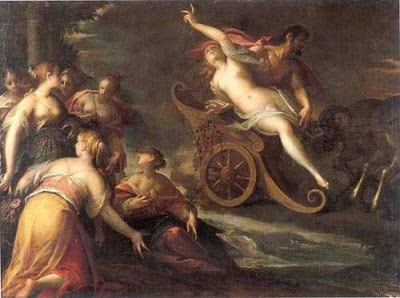
Persephone’s abduction by Hades is swift, violent and over so quickly that no one hears her scream except for Hecate, a goddess who helps Demeter find out where she has gone. Could there be anything worse for a mother than to lose a child? Demeter’s grief is profound. This is the Second Lamentation of Demeter.


The Rape of Proserpine, Hans Von Aachen, 1587

The Abduction of Persephone, Hans Von Aachen, 1587


To hear me read this poem, please click on the link below and wait a few seconds for it to begin.


The Second Lamentation of Demeter


The earth groaned, then opened briefly.
That’s all it took.

He appeared out of nowhere
Like a wild flume of fire,

The flickering golden chariot with
Four black stallions at full gallop.

He sprang upon her so quickly
That when the earth closed back

Upon itself like a wound healed over,
All that was left was a circlet of flowers

That she and the daughters of Oceanus
Had been stringing together. Irises, roses,

Violets, hyacinths, and the faded blossoms
Of sweet narcissus plucked by her hand.

The scar in the earth and grasses torn apart
Were all that told the story.

I always knew he watched her…
I sensed when he was around.

Clouds gathered overhead,
Shadows clothing him in darkness,

Hades,
To whom sunlight is a stranger.

My sweet Persephone is gone now,
Gone with him.

O, horror…
My sweet child is his.


circlet of flowers 2


Persephone’s abduction is well represented in art. It is my personal opinion that one need look no further than the magnificent sculpture done by Bernini in 1622. The details of the hands and arms as well as the force and resistance between their two bodies is powerful. Persephone’s tear stained cheek tells us more than any words can.


Gian Lorenzo Bernini, The Rape of Proserpina, 1622, Galleria Borghese in Rome

Gian Lorenzo Bernini, The Abduction of Persephone, 1622, Galleria Borghese in Rome


(detail)

(detail)


(detail)

(detail)

Some Thoughts on Turning to Myth: Looking back at “The First Lamentation of Demeter ~ (Poetry and Myth)”

A Note to My Readers:

Here it is January 2026. My blog has been quiet this year for a number of reasons too long to list.  But the most obvious reason is that of a block or mental ‘resistance’ to writing. Last year in 2024,  I turned to sharing a few older poems of mine that I love. It was a good reminder to me of why I loved writing.

Today, WordPress showed me my latest stats. I rarely look at these anymore, but one thing I notice each time I see an update is that some of the poems I wrote relating to classical myths seem to be accessed the most. I wonder if, in this sad and tumultuous world and country (mine being the USA), we turn to mythology to find answers to timeless questions that appear and reappear over a lifetime. Who are we and why are we here? What is it we are looking for? What really matters? I am now 79.  Those questions and many more have come up time and time again, and the answers have been quite varied over eight decades. What do you, dear reader, think? Why do we cling to myths and tales from long ago and from cultures we know only though history books, literature or art? I’d love to know what you think.

To honor some of these poems, I’m going to post my two Lamentations of Demeter, one at a time. To save some work, I’ll post the whole original poet from my blog. I hope you find some meaning in each of them or perhaps a way to think of something beyond our wild world of today.


 British Museum GR 1885.3-16.1 (Terracotta C 529), AN34724001

British Museum GR 1885.3-16.1 (Terracotta C 529), AN34724001


Here is the original 2014 posting:

.

I’ve been looking over my writing notebooks written a while back but unread by anyone other than myself or my husband. The myths of Demeter and her daughter, Persephone, fascinate many including me. For a number of reasons these myths seem to appeal especially to women. Many of the great living women poets have written brilliant poems about Persephone (e.g., Louise Glück and Eavan Boland). The story is timeless.

.

In today’s poem I’ve written a Lamentation of Demeter. Demeter, the goddess of the harvest and grains, is often referred to as the mother-goddess since she represents fertility on earth. Her importance is indisputable. When she mourns for her missing daughter, Persephone (who has been abducted by Hades and taken down into the underworld by force) the seasons stop. Things stop growing and the earth begins to die before Persephone’s father, Zeus, intervenes.  You know the story, but it is worth re-reading if you haven’t read any mythology for a while.

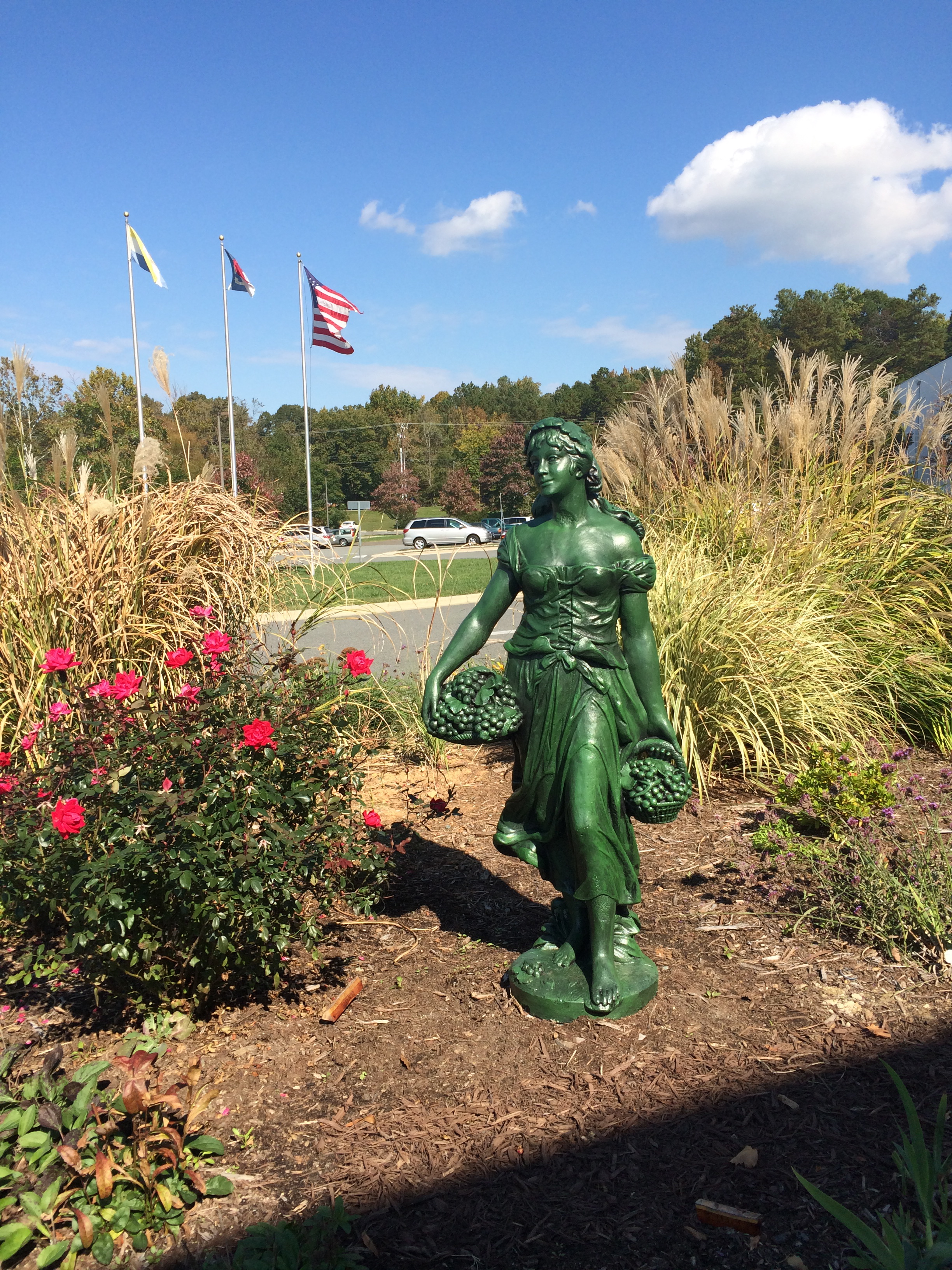
Demeter statue in front of my gym in Hillsborough, North Carolina

Demeter statue in front of my gym in Hillsborough, North Carolina

.

So what is a lamentation? The Oxford English Dictionary defines it simply: “The passionate expression of grief or sorrow; weeping.” Anyone who has grieved knows instinctively what it is to lament the loss of someone who is dearly loved. The feeling is painful and deep, and I think this resonates within us all. Demeter mourned her daughter’s abduction to a point where the earth nearly perished. This poem begins with her not yet knowing all that has happened. I picture her as a mother desperate to know what has happened to her child.

.

This is one of two lamentations of Demeter I’ve written. The second will follow at some point.

Demeter

Demeter

.

To listen to an audio recording of me reading this poem, click on the link below and wait a few seconds for it to begin:

.

.

The First Lamentation of Demeter

.

How is it that I don’t know where she has gone?

        I warned her.

I told her time and time again not to trust them,
that there were those who so longed for her
they would stop at nothing.

        And who was right?

Like all girls her age, she could be headstrong,
believing her own mother too old
to understand those yearnings.

         I warned her.

Last night I watched the dog star rise up.
Its magnificent beams were like beacons
that might lead me to my lost child.

        Why is it the stars are silent?

O, Sirius, your brilliant rays reach down
to us and yet your silence is puzzling.
Surely you saw where she went, my only child.

        Will no one tell me where my Persephone has gone?

.
.

Grief-Statue

A few poems in Anthologies in 2022

Three of my poems appeared in various poetry anthologies in 2022:

~


a brief sigh
as your scan is finished –
far above us
sunlight edges its way
through swift moving clouds

Tanka Society of America 2022 Anthology

~


in a pile on the floor
sand, swimsuits, towels
and a single sea star . . .
how did such beauty slip
unseen into my life

Linda Jeanette Ward Anthology 2022
(An anthology in memory of the late tanka poet,
Linda Jeanette Ward.)

~


broken ice on the river –
fragmented memories
now rise up

British Haiku Society
Members’ Anthology 2022
Theme: “Water”

~

Sky151

Stinging nettles


stinging nettles –
things that were said
I can’t forget


The Heron’s Nest
Volume XXIV, Number 4: December, 2022


The last plum blossom, etc. (a mix of tanka and haiku)

The lovely New Zealand journal, Kokaku, published two haiku and two tanka in their fall issue: Kokaku #37, 2022.

Kokaku #37,  2022

evening web –
the last plum blossom
caught fast

       ***

corner flower shop –
if only our lives were
arranged so well

       ***

quick twists and turns
of rutting deer ~
another season passes
adrift in colours
of passion and promise

       ***

This tanka appeared on my blog last month but was from this issue (37):

a tiny fawn dead
by the side of the road –
I close my eyes & imagine
all those children lost
in Ukraine strikes


       ***


Which way? (tanka)

~

having made it
halfway across, halfway back
I stop and pause
wondering which way
I really want to go

~

Published in Eucalypt 32 Tanka,  May 2022 Issue

~

Screen Shot 2022-10-18 at 5.27.13 PM

Tight-Rope Walker by Jean Louis Forain, c. 1885, Art Institute of Chicago

This tanka was inspired by a painting of a tightrope walker:
Tight Rope Walker by Jean Louis Forain, The Art Institute of Chicago

~

Brass Bell Contributions

Here are several of my contributions in Brass Bell:

Brass Bell October 2022 / Theme: kitchen haiku

teatime
just water and leaves
you and me 

Brass Bell September 2022 / Theme: homeplace

buffalo, new york
we all laugh & tumble off
the long toboggan again


Brass Bell August 2022 / Theme: water

icy rain—
somehow this ache
just won’t leave

washed up
without a song
moon shell


Brass Bell July 2022 / Theme: sound

lyrics long forgotten
the melody always
in my mind


Brass Bell is published on the first day of every month. This delightful haiku journal is beautifully curated by editor/writer, Zee Zehava and can be found here: http://brassbellhaiku.blogspot.com. Writers are from around the world and some of the finest haiku/senryu writers appear on these pages.


Winter birds


Presence #72, Spring 2022

.

winter birds crack seeds
& feast on blocks of suet –
my long morning is spent
polishing old pieces
of silver we rarely use

.

.

Screen Shot 2022-10-04 at 3.07.18 PM

Photo by Stauffers of Kissel Hill

Life as we knew it . . . (Tanka)


GUSTS: Contemporary Tanka 33 (Tanka Canada)


life as we knew it
vanished in quarantine,
yet tiny helicopters
of maple seeds will twirl
& spin again one day


Maple tree ‘helicopter’ seeds photo by Casey Tree.org

The sudden way . . .

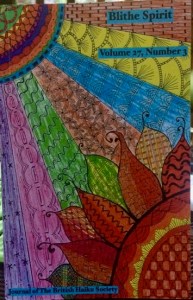
Blithe Spirit is the Journal of the British Haiku Society. Two of my tanka and one haiku were published in Volume 27, Number 23 (2017). I am most grateful to be part of this issue.


old shoes –
the challenge
of moving on

Screen Shot 2017-09-17 at 4.04.58 PM

plum blossoms—
watching you
struggle for so long
I remember how brief
a season is

stopping to study
fritillaries, tulips
and jonquils –
the sudden way
you take my hand


IMG_4621 (1)


(c) 2017, Mary Kendall
Blithe Spirit, Volume 27, Number 23 (2017)

Mask Maker

Who are we really? We can present ourself to the world in many ways, and we do. It’s been quite a while since I posted a longer poem on my blog, so today I offer you a poem called “Mask Maker.” It was written to an ekphrastic prompt on Rattle a few months back, but it was not selected. The two winning poems were brilliant and should have been chosen.

.
What’s great about writing to a good prompt is how an image can pull all sorts of ideas from us. The prompt was a picture of several sets of hands modeling in clay. I toyed with the idea for quite some time and discarded two other poems until I settled on the one that grew into this poem.


Mask Maker


Do you like this mask, the one I made

so carefully, molding it to the contours

of my face so it looks just like me?


I wear it day after day, occasionally

slipping it off and refashioning it a bit.

It changes as I change.


I was four when I made the first mask—

out of mud from the bare earth in the yard.

It blocked my fear, and hid my thoughts.


I was invisible to the world, hidden behind

this new cover. No one noticed when I wore it,

so I kept it on, and it protected me.


Once it nearly shattered during that long fall

down the stairs that he never spoke about.

Dazed, I woke up and checked the mask.


It was the one thing that hadn’t been hurt.

After that I knew I needed it to keep me safe,

to keep me quiet, to keep me out of the way.


When I closed my eyes, I could imagine it was

no longer a mask but just me, unseen by him.

It made me look like a normal girl, a good girl.


After many years and many masks, I became

quite good at molding a mask so flawlessly thin,

so delicate, transparent as a butterfly wing.


It was easy to slip on, and no one could tell

what was real and what was not, even up close.

It worked, and that’s all I ever wanted.


There is a small secret I learned from making

masks and wearing them day and night:

You must believe it’s you and not a mask.


It is you, but a different you, a you that won’t

cry out or tell secrets or even cringe too much

when unexpected blows come (and they do).


Close your eyes now. Imagine yourself this

way—in control and protected from the world,

safe from everything you fear, hidden far away


behind this lovely mask where you can watch

what’s going on, where you can be vigilant,

and where you are the real you only you can see.


Words grow muted . . . (a tanka)


words grow muted
and hearing diminished –
I begin to tiptoe
along the lonely curve
of inner silence


arp-sculpture

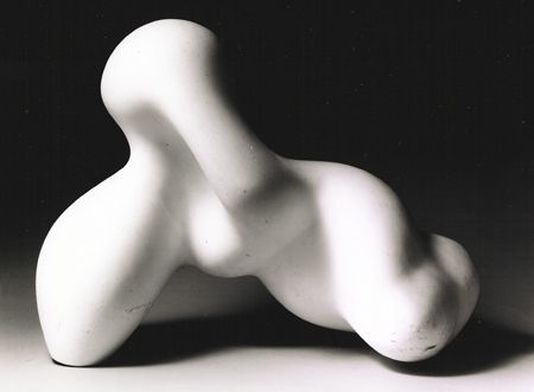
Title Unspecified, by Jean “Hans” Arp (French, b. German), 1950s


This tanka was published in The Ekphrastic Review: writing and art on art and writing on September 13, 2016. The journal is edited by Lorette C. Luzajic as part of the Ekphrastic 20 Challenge.


To visit the site, please click on this link:  http://www.ekphrastic.net/ekphrastic/a-tanka-by-mary-kendall


Sunday Morning

The Ekphrastic Review: writing and art on art and writing, has published my poem, “Sunday Morning.”

Let me give you a brief “back story” on this poem. Many years ago, I stopped writing completely for around twenty-five years. Total silence in my life. I don’t know why it happened, but it did. After what can only be be termed a spiritual experience on a trip to the Fijordland in New Zealand, poetry somehow magically entered my life again. I can’t explain this. It just happened, and I know it happened for a reason. This poem was the first complete poem I wrote when my poetic “voice” returned, and it’s only been read by one other person until today. It’s taken me about fifteen years to gather courage to submit it anywhere. My deepest thanks to editor, Lorette C. Luzajic, for publishing this piece.

Here is the link to the journal: http://www.ekphrastic.net/ekphrastic/april-21st-2016


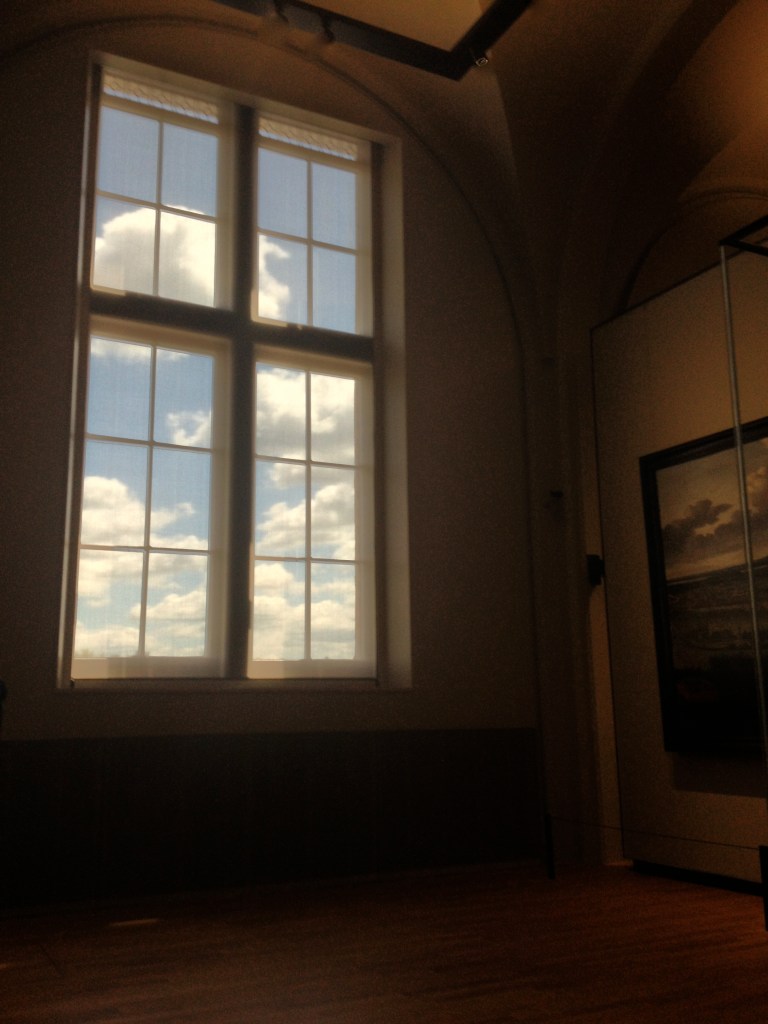
Rijksmuseum out the window

Rijksmuseum, Out the Window (c) 2013 Mary Kendall


Sunday Morning


Hymns unsung, prayers unsaid,
I sat by the window and prayed
for forgiveness one more time;
one more time I begged.


Holding the cup of coffee in my hand,
I hoped the warmth would fill me
where your words had left me cold,
but I knew nothing could do that—
fire can burn for hours and be unfelt.


Hymns unsung, prayers unsaid,
I lay down on the empty bed, pulling
the blanket across my cheek, turning
from the window, from the sky
and the sun, praying for some rest.


Note: The window in the photo is not, of course, the window of the poem. I love taking pictures of windows when I travel, especially indside looking out. This photo was taken in June 2013 when my husband and I were in Amsterdam, visiting the beautiful Rijksmuseum.


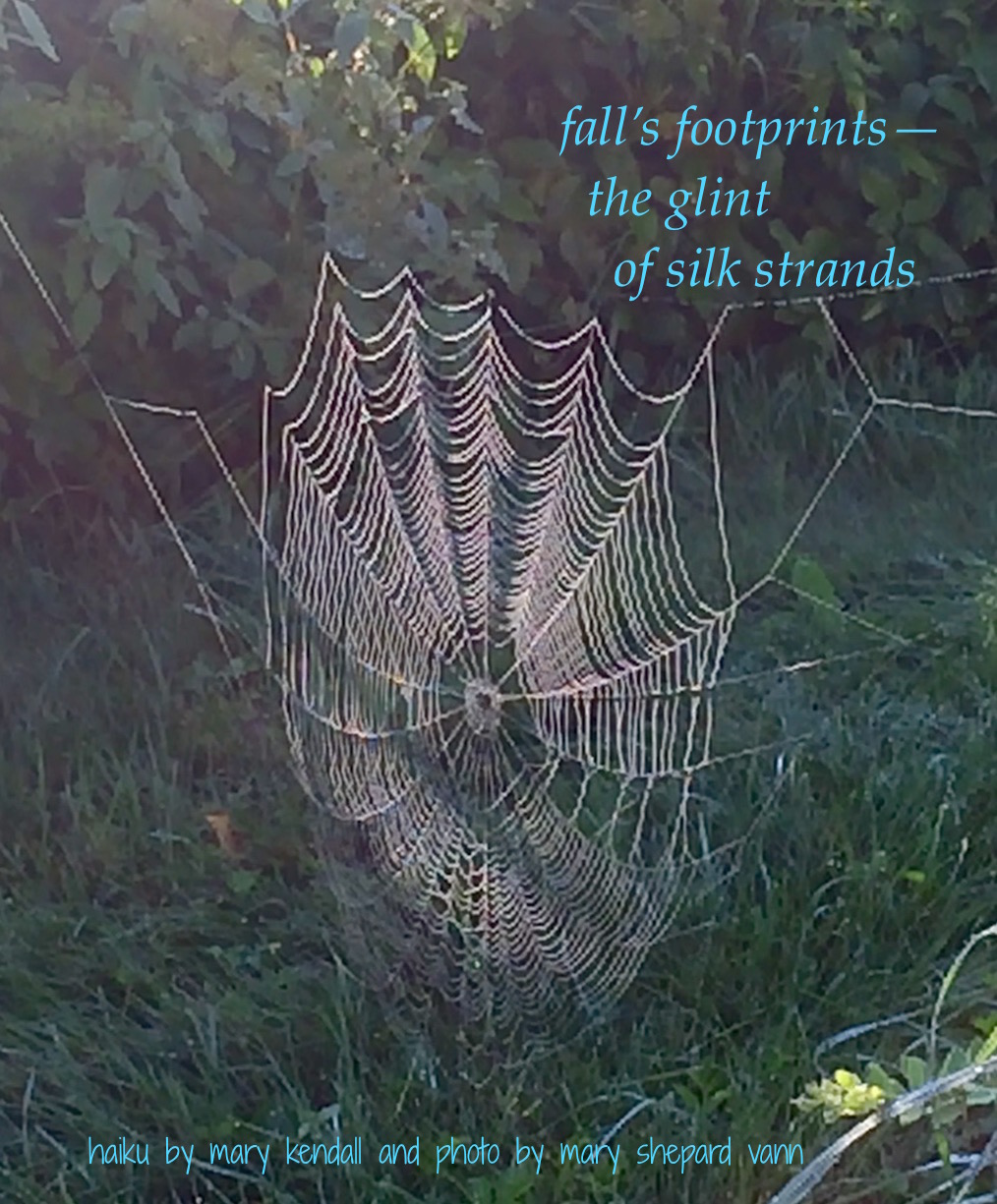
Silk Strands, a New Haiga

Fall's Footprints

This haiga appeared on Daily Haiga on March 23, 2016.  I would like to thank my dear friend, Sheppy Vann, for allowing me to use her beautiful photograph for this piece.

Here is the link to the original:  http://www.dailyhaiga.org/haiga-archives/1805/-fall-s-footrpints-by-mary-kendall-usa


silk thread**

Haiku…in Brass Bell

Another joy and honor this week–my first time having haiku appear in Brass Bell, a publication that is edited by the incomparable Zee Zehava. This issue was done with International Women’s Day (on March 8) in mind. In the editor’s own words:


Screen Shot 2016-03-03 at 9.21.14 AM

I urge you to visit Brass Bell (also here on WordPress) and subscribe to it. Be sure to read the back issues for some excellent poetry.

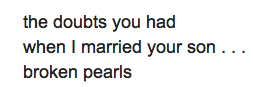
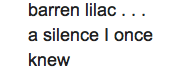
My three haiku in this issue are below:


Screen Shot 2016-03-03 at 9.33.29 AM


Screen Shot 2016-03-03 at 9.33.41 AM

Screen Shot 2016-03-03 at 9.33.51 AM


If you have a favorite, please do let me know. I’m always curious what readers think or respond to.


CallaGold


Another Love Poem…


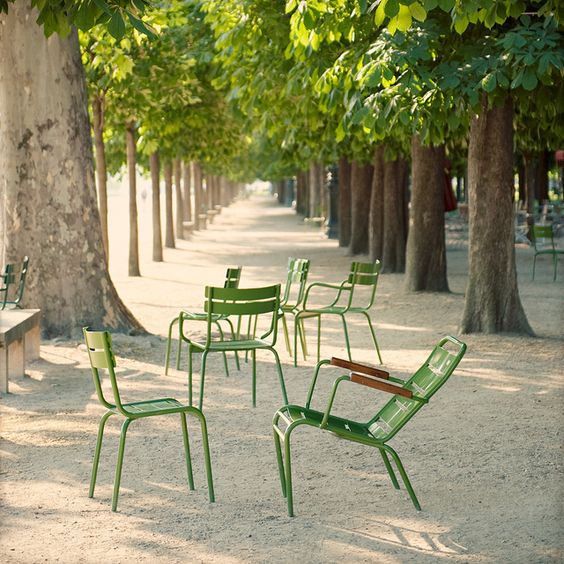
tuileries chairs

Photograph (c) 2010 by Patti Chronert


Another Love Poem…

If you’d like to hear me read this poem, please click on the link below. Wait a few seconds for it to load. I hope you enjoy both listening and reading this love poem.


 Another Love Poem…

~ To my husband and partner of forty years ~


We walked along in the Tuileries
alone among the chestnut trees,

morning sky of crisp pale gold
so many paths we have strolled,

and still we wander, just us two,
my heart never very far from you.

We stop to sit and watch the birds
green park chairs, unspoken words,

plain sparrows chirp, so unadorned
no beauty lost, no beauty mourned.

Simple thoughts are often most true—
no man was ever loved more than you.


1-IMG_1155

Heart Stone by Mary Kendall


A New Page! All My Recent Publications on One Page


fountain pen 1


I’ve added a new page to this blog: POEMS RECENTLY PUBLISHED

It is part of the main menu of my blog. I will update it as I publish poems. Here is a link as well:

http://wp.me/P4PYsb-A7

but the simplest thing is to go right to the top of the blog and click on the new page!

I hope this will let readers find what they are looking for. A number of people have privately asked me what and where I’ve been publishing work. This new page answers the question. One note: if a main entry to a piece isn’t in the main part of my blog, I will always add the poem on this separate page.

Questions? Just ask!


The Eagles Have Landed…

800px-bald_eagle_fish

THE DECORAH EAGLES…JOIN THE FAN CLUB!

The eagles landed some time ago and have carefully rebuilt and replenished their nest. I am referring to the now famous Deborah Eagles out in Iowa. For several years now, I’ve been one of their fans watching the live camera feed. The first egg has been laid, and the camera is showing mom sitting on it as the wild winds blow past here high up in a cottonwood tree.

eggshell2

The first egg was laid a day ago. It will hatch in 35-39 days if all goes well.

eagles together close up of egg

Watch it, if you dare. You just might get hooked on this fascinating bit of eavesdropping.


Raptor Resource Project Decorah Eagle Cam, Decorah, IA

***LIVE CAMERA LINK:  http://www.raptorresource.org/falcon_cams/decorah_eagle_xcel.html

[All citations from: http://www.thedecoraheagles.com]


I first watched them in 2011 and was fascinated by the eagles but also by the avid eagle watchers. I learned more about eagles and raptors than I thought I would. For instance, this first egg that was just laid will hatch in 35-39 days. These particular nesting eagles have been very successful, very attentive parents. If you have children or grandchildren, nieces or nephews or if you teach, I can’t recommend this more highly. Technology gives us a beautiful glimpse into the world of these powerful, beautiful birds.
 
And, since this is my poetry blog, here’s my poem that I wrote for the first eagles I watched learning to fly. Hard to imagine that they need to “learn” but they do indeed. My poem is dedicated to the eagles.
 
out of the nest

And Then It Flew

Older by only days, the first-born eagle
Was the first to branch, the first to fly~

Young eyes studying the world beyond the tree,
It now stood on a limb, lifting its wings over

And over, learning how to battle erratic gusts,
Learning how to channel the waiting wind,

Understanding now what it would be like to fly.
Again and again, those powerful wings fluttered,

Starting and stopping, gaining strength and nerve,
Gathering courage for that first awkward jump

Until one morning it lifted off the branch and flew,
Joining its parents in capturing the wind, trusting

That once it had made that leap, it too would fly.

His first flight.

His first flight.

On Growing Old Together, a Love Poem

water-beautiful-clouds-sky-macquarie-lake-sunset_121-71208

This love poem was written for my husband. We met in 1974, forty years ago. It really does seem like  last year. Growing older together has been a gift to both of us. We have shared so much and grown so much. Love is the one constant in the equation we call life.

This poem is dedicated to my beloved husband and to all who have loved and been loved.


The link below will give you the option of hearing me read the poem. Click on it if you wish to listen. (It takes a few seconds to begin.)


On Growing Old Together                                                 

Will you scatter me over water
or throw me to the winds,
letting me float away?

Will your ashes mingle
with mine one day
when you too are gone?
Ashes to ashes…

Will you take my hand again
and hold me close against the wind?
Will your eyes always smile with mine?
Dust to dust…

Will our hearts travel as one
no matter where that might be?
Will our love be forever?
Ashes to ashes, Soul to Soul.

Two Hearts Beat as One by Alexandru 1988 (Deviant Art)

Two Hearts Beat as One by Alexandru 1988

This Sacred Place

bare woods

THIS SACRED PLACE

There is a place near here I like to sit,
a place where the slanted rays of winter sun

warm the bare trees; where water drips
into the pond trickling notes of a wordless song.

Sitting with silence, the mind begins to quiet and
breathing settles. Thoughts come, then disappear,

and equanimity envelops me with a healing spirit,
the soul of this bare winter woodland.


The Broken Promise: Orpheus and Eurydice, poem by Mary Kendall (Mythic Poetry Series)

A second poem of mine in the Silver Birch Press Mythic Poetry Series! I’m delighted they selected this one.

I’ve done an audio clip of me reading this poem. Click below if you care to listen.


silverbirchpress's avatarSilver Birch Press

orpheus-returns-from-the-pursuit-of-eurydice
The Broken Promise: Orpheus and Eurydice
by Mary Kendall

If only he had kept his promise, she’d be there.
All it took was one glance, a quick turn,
a meeting of the eyes and then she vanished.

How long did he stand there staring at where she had been?
When did he realize that she was lost to him forever?

How sad the stars were that night,
tumbling through the black sky
in mournful arcs;
even the moon turned its face away.

As he lead her out toward the ledge,
did she gasp at her unsure footing?
She with her snake-born limp,
trying hard to keep pace through dark tunnels
winding up to the craggy precipice?
Was this what tempted him to look?

His glance came so naturally,
that of the husband who worried
his wife might stumble and fall.
His trust in her never wavered and yet
he looked…

View original post 158 more words

Due North: A Winter Poem

Due North © 2014 by Isotell

Due North © 2014 by Iosatel

There are nights in the winter
once the leaves have fallen away,
when sometimes I wake in the dark,
hearing the distant, plaintive sound

of a single train a few miles away
as it crosses over a country road
or maybe it’s to warn off deer
that pause too long on the track.

The train travels due north,
and in the blackness of the night
the train’s dark sounding
brings back fragmented images
of my childhood life up north.

North, where winter’s silver skies
are layered in clouds most
of the year, and where snow
begins to fall early and deep.

North, where my family lived
in the rust belt of Lake Erie,
where strong winds raced across
the lake with bone-chilling cold.

The lake effect meant snowstorms
that went on for hours, even days
on end. Times when all of us gathered
together happily, knowing school
would be cancelled the next day.
Night was peaceful back then.

In the morning, we’d make our
way through the thigh high snow
and help shovel the walk, leaving
tall tunnels of snow on either side.

Our boots would crunch on frozen
snow, fingers painfully cold, but
that never stopped us from a snowball
fight or playing king of the mountain,
or sledding, tumbling, rolling in snow,

or making lovely snow angels
all over the yard. Those were the
carefree days of childhood, when
we didn’t worry about time or the
future or much of anything.

And for a while the thick snow
continued to fall, covering the tracks
of cars, birds and anything else
that dared to wander outside
on those interminable winter days.

Now, no longer in the north,
I lie in bed remembering such
simple times, times of being together
as we coasted down the snow hills,
all six of us tucked in tightly together

until halfway down when the toboggan
shifted and just after the pull to the left,
we capsized, all of us scattered down the hill,
laughter ringing out so loud as we fell,
each of us ready to give it a go again.

Tobagganing in the Snow

Tobagganing in the Snow

My thanks to the photographer, Iosatel, for use of the photograph, Due North, which appeared on his blog, The Obvious and the Hidden, 03/11/2014

Dining with the Woodpeckers

pileated suet

While visiting my brother and his wife this summer in East Aurora, New York, we experienced a truly wonderful and unexpected visit from three pileated woodpeckers at the suet feeder Jim had filled. His wife, Paulett, said the woodpeckers were frequent visitors to their lovely back garden. This was a first for me. Although I’ve been an on again, off again birdwatcher for most of my adult life, I’ve only seen one pileated woodpecker in person before. Seeing three at the same time was simply brilliant. Watching their acrobatics as they fed on the suet, flew back and forth to peck at a tree, and generally manoeuvered their rather large bodies in amazinglying agile ways was pure delight. After a feeding frenzy, they flew away and it felt amazingly still and empty where they had been. Much like a visit with beloved family and friends, the ‘after’ part comes all too soon and leaves a void in our hearts. This poem is dedicated to Jim and Paulett, two of the kindest and most caring people I know. Thank you for sharing your home, your family and your amazing woodpeckers with us.

pileated 5

Dining with the Woodpeckers

In the late August garden
The quiet afternoon now

Comes to a languorous close.
Out of nowhere, a flash of red,

Bright scarlet crests crowning
Zebra-patterned feathers.

Three Pileated woodpeckers
Begin to feast at the suet feeder,

Fluttering, flying tree to tree,
Tree to feeder, alternately

Pecking at thick maple bark,
Then shifting to soft silky suet.

The youngest, now the size of its parents,
Joins in to grab his share, and father

And mother dutifully give way.
For a few Cirque des Oiseaux moments

All three woodpeckers hang right side up
And upside down, their brilliant red heads

Flash like stop lights in the early evening sun.
We sit around the table eating an early supper

And sipping local wine. Conversation drifts
As we watch in these avian acrobatics.

Just as quickly as they arrived, so soon are
They are gone. More wine is poured,

Seconds of hot buttered corn and fresh
Heirloom garden tomatoes are passed

From one to the other. Like the birds,
We share this meal together, enjoying

The richness of what the day has given.
A light wind blows the leaves outside,

A beautiful evening for us to be together
Knowing that summer will end all too soon.

Picture by Beth Brandkamp

Picture by Beth Brandkamp

Water Song

water_texture2379

Water Song

Water, the color of night,
so very still
not even a wave
breaks the glass surface.

Fear is sometimes
like this, submerged
so far it is hidden
from the conscious self,
safely buried
and unable to rise
to the top again.

Dark thoughts swim
against the current
of common sense, but
they meet no resistance
that far down.

The Second Lamentation of Demeter ~ (Poetry and Myth)

Narcissus, 1912 by John William Waterhouse

Narcissus, 1912 by John William Waterhouse

Persephone’s abduction by Hades is swift, violent and over so quickly that no one hears her scream except for Hecate, a goddess who helps Demeter find out where she has gone. Could there be anything worse for a mother than to lose a child? Demeter’s grief is profound. This is the Second Lamentation of Demeter.

The Rape of Proserpine, Hans Von Aachen, 1587

The Abduction of Persephone, Hans Von Aachen, 1587

To hear me read this poem, please click on the link below and wait a few seconds for it to begin.


The Second Lamentation of Demeter

The earth groaned, then opened briefly.
That’s all it took.

He appeared out of nowhere
Like a wild flume of fire,

The flickering golden chariot with
Four black stallions at full gallop.

He sprang upon her so quickly
That when the earth closed back

Upon itself like a wound healed over,
All that was left was a circlet of flowers

That she and the daughters of Oceanus
Had been stringing together. Irises, roses,

Violets, hyacinths, and the faded blossoms
Of sweet narcissus plucked by her hand.

The scar in the earth and grasses torn apart
Were all that told the story.

I always knew he watched her…
I sensed when he was around.

Clouds gathered overhead,
Shadows clothing him in darkness,

Hades,
To whom sunlight is a stranger.

My sweet Persephone is gone now,
Gone with him.

O, horror…
My sweet child is his.

circlet of flowers 2

Persephone’s abduction is well represented in art. It is my personal opinion that one need look no further than the magnificent sculpture done by Bernini in 1622. The details of the hands and arms as well as the force and resistance between their two bodies is powerful. Persephone’s tear stained cheek tells us more than any words can.

Gian Lorenzo Bernini, The Rape of Proserpina, 1622, Galleria Borghese in Rome

Gian Lorenzo Bernini, The Abduction of Persephone, 1622, Galleria Borghese in Rome

(detail)

(detail)

(detail)

(detail)

The First Lamentation of Demeter ~ (Poetry and Myth)

 British Museum GR 1885.3-16.1 (Terracotta C 529), AN34724001

British Museum GR 1885.3-16.1 (Terracotta C 529), AN34724001

I’ve been looking over my writing notebooks written a while back but unread by anyone other than myself or my husband. The myths of Demeter and her daughter, Persephone, fascinate many including me. For a number of reasons these myths seem to appeal especially to women. Many of the great living women poets have written brilliant poems about Persephone (e.g., Louise Glück and Eavan Boland). The story is timeless.

In today’s poem I’ve written a Lamentation of Demeter. Demeter, the goddess of the harvest and grains, is often referred to as the mother-goddess since she represents fertility on earth. Her importance is indisputable. When she mourns for her missing daughter, Persephone (who has been abducted by Hades and taken down into the underworld by force) the seasons stop. Things stop growing and the earth begins to die before Persephone’s father, Zeus, intervenes.  You know the story, but it is worth re-reading if you haven’t read any mythology for a while.

Demeter statue in front of my gym in Hillsborough, North Carolina

Demeter statue in front of my gym in Hillsborough, North Carolina

So what is a lamentation? The Oxford English Dictionary defines it simply: “The passionate expression of grief or sorrow; weeping.” Anyone who has grieved knows instinctively what it is to lament the loss of someone who is dearly loved. The feeling is painful and deep, and I think this resonates within us all. Demeter mourned her daughter’s abduction to a point where the earth nearly perished. This poem begins with her not yet knowing all that has happened. I picture her as a mother desperate to know what has happened to her child.

This is one of two lamentations of Demeter I’ve written. The second will follow at some point.

Demeter

Demeter

To listen to an audio recording of me reading this poem, click on the link below and wait a few seconds for it to begin:


The First Lamentation of Demeter

How is it that I don’t know where she has gone?

        I warned her.

I told her time and time again not to trust them,
that there were those who so longed for her
they would stop at nothing.

        And who was right?

Like all girls her age, she could be headstrong,
believing her own mother too old
to understand those yearnings.

         I warned her.

Last night I watched the dog star rise up.
Its magnificent beams were like beacons
that might lead me to my lost child.

        Why is it the stars are silent?

O, Sirius, your brilliant rays reach down
to us and yet your silence is puzzling.
Surely you saw where she went, my only child.

        Will no one tell me where my Persephone has gone?

Grief-Statue

Four Late October Small Poems

Weaving Light 6 (c) 2012 by Karen McRae

Weaving Light 6 (c) 2012 by Karen McRae

1:

dusk winds weave
seed pods in silken strings
spirits dancing

2:

morning’s breath
slips by so silently
a shiver of frost

3:

perhaps a portent
of what winter will bring
this woven white light

4:

just as a cloud forms
and suddenly dissipates
so a thought begins

Weaving Light 13 (c) 2012 by Karen McRae

Weaving Light 13 (c) 2012 by Karen McRae

These beautiful photographs of Goat’s-beard seed heads are by the very talented Karen McRae. They appear on her blog: The Frayed Edges of Waking August 12, 2012 by Karen McRae) http://drawandshoot.me/2012/08/12/the-frayed-edges-of-waking/

Many thanks, Karen, for allowing me to use your breathtaking photos that inspired these four small poems.      

                                               ~ Mary ~

Weaving Light 11 (c) 2012 by Karen McRae

Weaving Light 11 (c) 2012 by Karen McRae

When a Heart Breaks

I’m not sure where this poem came from. It just happened. I was thinking about the sad loss of butterflies this summer and what that might mean to our environment, our gardens, our enjoyment of nature. Somehow, from that line of thought to the poem…well, how does one explain where things are born? I hope you enjoy this poem.

An audio of me reading this poem is available at the link below. Give it a few seconds to begin.


unraveled heart

When a Heart Breaks


Did you ever consider a heart is like a chrysalis?
Perfectly wrapped round and round, silken strands
layered one upon the other, locked together
in a solid embrace of fragile fibers.

This is what the heart is.

When a heart breaks, no one picks through
the fibers trying to separate the strands.
Yet it can be undone so easily.

Words can unravel it so quickly that it spins
like a frenzied top, leaving behind a trail
of weakened strings, no longer useful to anyone.

Icarus II (Poetry and Myth)

feather-lake-russia_71645_990x742

Swan Feather, Moscow by Veronika K. Ko (c) 2013

If you care to listen to me read the poem, just click on the link below and wait a few seconds for it to begin:


Icarus II

The hardest part was letting you go,
knowing  that once you sailed so high
it would be impossible not to try again.

With each pass you made, you soared
higher, more effortlessly; sweet-scented
beeswax noticeable as the air grew warmer.

Arms outstretched as if embracing the sun,
you changed course and flew even closer
before you shifted abruptly, a quick turning

of wings, now fighting the unexpected wind
with young muscles tensed and determined
to hold the course.

The descent was swift.
A feather fell
and then another.

Icarus I, poem by Mary Kendall (Mythic Poetry Series)


Click on the link below if you’d like to hear me reading this poem. Give it a few seconds to begin.

silverbirchpress's avatarSilver Birch Press

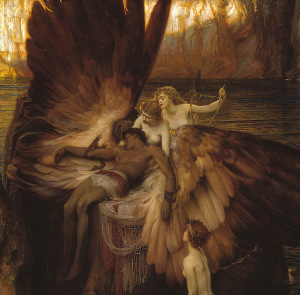
640px-Herbert_Draper_-_The_Lament_for_Icarus_-_Google_Art_Project
ICARUS I
by Mary Kendall

September was ready to slip into October
and autumn skies were filled with color

Clusters of clouds
suddenly dissolved
and let the sun peer through

I imagined you as Icarus taking a risk
and trying to fly high above your depression,

gliding for a while like a broad-winged hawk,
the cool air making you unaware

of just how close
to the sun
you flew

NOTE FROM THE AUTHOR: The story of Icarus has always fascinated me. I think as long as people have lived, some have always wished they could fly like the birds. There are so many beautiful paintings and drawings of this classic myth, but in my mind’s eye I see only the simple picture of water with a feather floating on it—a reminder of how easily a dream and a life can come to an end. My Icarus poems were written when…

View original post 187 more words

Daybreak (2)


Yes, this is the second time you’ve seen this picture in my blog. It was posted with a poem, Daybreak, in late August and now it reappears to accompany a second poem it also inspired, Daybreak II. A single picture on paper, on the screen or in the memory has a powerful, persuasive control of our imagination. This beautiful photo by my friend and photographer, Yolanda Litton, has done just that.


Early Morning at Bagnegrole (Photograph by Yolanda Litton)

Early Morning at Bagnegrole (Photograph by Yolanda Litton)

I’ve included an audio clip of me reading the poem. Click on the link below and wait a few seconds.


Daybreak  (2)


Waking up in at daybreak in the south of France
Is as if I were stepping into someone else’s life.

So far from my own home, this wistful morning fog
Rises slowly to reveal a house of soft honeyed stone.

The slope of a sharply pitched roof holds a tall chimney
Where the swifts are now resting after a long evening hunt.

Somewhere a rooster crows with the energy that only
The young can bring to a new day. Out of nowhere,

A soft gray cat tip-toes by, looks up at me and blinks
Its eyes in that inscrutable feline way and disappears.

I stand here leaning on the windowsill, wondering
What my life would be like had I been born here.

The smell of freshly brewed coffee wafts up from
The kitchen below. One lone church bell rings

Calling its faithful to prayer. But nature’s beauty
Is my religion, my serenity, my salvation, my Eden.


An Autumn Long Gone ~ a Reverie

An Autumn Long Gone ~ a Reverie  (prose poem)


An audio of me reading this prose poem can be heard by clicking the link below. It will take a few seconds for the sound to begin.


It was the year we lived in London, some 25 years ago, when autumn began like any other autumn. The fall, the changing, the color shifting, the soft breezes, the sporadic thick fog and the leaves dancing, even floating upward at times. What I hadn’t anticipated, being so far north for the first time, was how short the days grew. How dark it became earlier and earlier all during that autumn. The days were ‘closing in.’ That’s what they called it, and I loved that phrase. It brought a certain comfort of pulling heavy curtains closed and shutting out the darkness. It was a time for wearing coats and warm sweaters, and I dressed my son in practical English clothing and soft grey mittens while he ran ahead enjoying what was left of the day. He was only three, but he knew the delight in using what was left of the day’s sunlight. I learned to enjoy the simple pleasures around me that came with this quiet season. Victoria plums were my new delight. They appeared at the Greengrocer’s shop just as autumn set in, later replaced by apples—Bramley and Cox’s Orange Pippins, names that twirled on the tongue and tasted as good. Burning leaves were an unexpected, half-loved sensory pleasure. The smoke was pungent, but it brought back memories of childhood. I loved even the rasp of raking, bamboo or metal combs gathering leaves in sacred piles waiting their turn to be sacrificed in an autumnal pyre. In the English light, I found the colors were softer, quieter than the brilliance of New England woodlands. Each morning I left my son at school and then walked through Hampstead Heath. I found my own favorite route through woods and meadows up to the large ponds. Purchasing a single cup of tea that warmed my hands, I made my way to that empty bench that faced the pond. I thought about all the people it had held before. And every day without fail a lone Scottish piper played his bagpipes as if on cue. Each day I sat and listened. A world so far from my own. From where he stood near the peak of Parliament Hill, the mournful songs became a wordless chanting, charging the air with a lamentation to this closing season, every day briefer, softer than the day before.

Lost in Reverie (c) 2014 by Isotel, The Obvious and Hidden blog on WordPress (with her permission)

Lost in Reverie (c) 2014 by Iosatel, The Obvious and Hidden blog on WordPress (with his permission)

Four Autumn Haiku


Today is the first day of autumn, and for my writing practice in the next few weeks I’ll begin a series of autumn or fall poems. This is my favorite season, my soul season. I’ve done a few different types of haiku ranging from traditional 17 syllables to a poem in a single line. Do you have a favorite?

1.

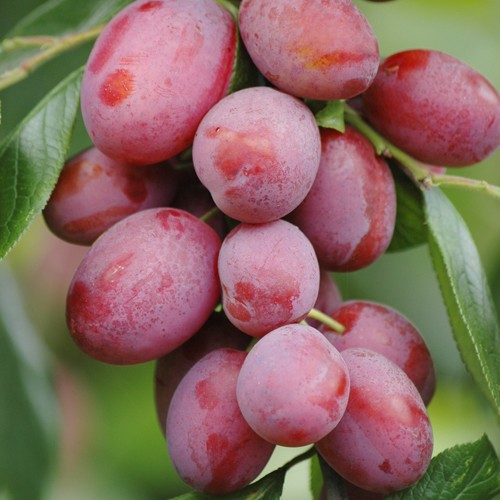
biting into a Victoria plum, such guilty pleasure

253871

2.

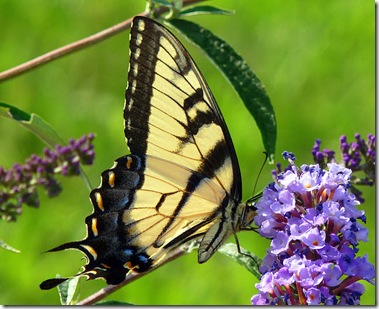
spent blossoms–
the last swallowtail
sips alone

best swallowtail pic

3.

soup 1

the season’s first soup
almost ritually cooked
stirs our senses

4.

sweet windfall apples…
bruised memories
autumn of long ago

fallen apples

Modern English language haiku are not always seventeen syllables. A haiku can be many things, but always it is a brief poem with a strong image that evokes a season and a moment of time captured simply in lyrical language. Scroll to the bottom of today’s blog to find a list of essential qualities of haiku.

The following list from the wonderful journal, Heron’s Nest, lists important qualities that make a haiku.

 Here are some qualities we find essential to haiku:

  • Present moment magnified (immediacy of emotion)
  • Interpenetrating the source of inspiration (no space between observer and observed)
  • Simple, uncomplicated images
  • Common language
  • Finding the extraordinary in “ordinary” things
  • Implication through objective presentation, not explanation: appeal to intuition, not intellect
  • Human presence is fine if presented as an archetypical, harmonious part of nature (human nature should blend in with the rest of nature rather than dominate the forefront)
  • Humor is fine, if in keeping with “karumi” (lightness) – nothing overly clever, cynical, comic, or raucous
  • Musical sensitivity to language (effective use of rhythm and lyricism)
  • Feeling of a particular place within the cycle of seasons

The First Coyote

The First Coyote

Shadowed by trees, it was alert,
Watching those on the porch.
Tall, thin, a knife sharp gaze,
This coyote knew its way around.

The startled man cradled the cat
And called the nervous dogs back
Inside the house, far away from
This lurker in the evening woods.

Was it waiting for a squirrel or
Rabbit? You couldn’t tell this far
Away, yet clearly it was patient
And after tonight’s dinner.

How else could it survive
If not for foraging here and
There, waiting for a quick
Capture, meat for a day or two.

This was the first coyote seen
In the neighborhood, and now
I open the window late at night
To listen to it sing to the moon.