bleakness –
the lingering taste
of a bad dream
Blithe Spirit, 31.1 2021

bleakness –
the lingering taste
of a bad dream
Blithe Spirit, 31.1 2021
Three tanka published in the winter edition of Gusts, Contemporary Tanka, the journal of Tanka Canada. It’s always a huge thrill to be included in this special journal of tanka. I’ll offer them one at a time.
Gusts no. 32, Fall/Winter 2020
lapis lazuli, delft blue
and French ultramarine . . .
the blueness of blue
in these tired veins
just won’t let go

Moonbathing 22, Spring 2020
a faint train whistle
passing by at 3 a.m.
. . . the only normal thing
in these pandemic nights
that makes any sense
Modern Haiku, Issue 50:3, 2019
pruning roses
unable to forget her
scarred wrists
Blithe Spirit, Journal of the British Haiku Society,
Volume 28 Number 4, November 2018
Three tanka were published in Blithe Spirit this past November:
Snow Landscape by Hans Braxmeier
winter woodland
bereft of birdsong
with your passing
even clear days
are shadowed
Photo by Frantisek Krejci
together so long
we seem to finish
one another’s sentences,
fluent in the pauses
of each other’s mind
Universe by Gerd Altmann
loneliness
comes and goes,
dancing around
my mind
with two left feet
Prune Juice, A Journal of Senryu, Kyoka, Haibun and Haiga,
Issue 26 – November 2018
~

photography by Mary Kendall
Highgate Cemetery, London
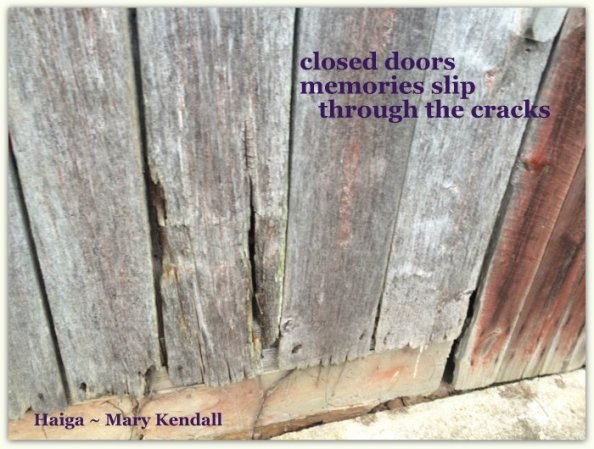
Photograph by Mary Kendall,
Blackwood Farm, Hillsborough, North Carolina
~
My deepest thanks to Steve Hodge, editor. This was his last issue as editor of Prune Juice. It has been a joy and a wonderful learning experience working with Steve as an editor.

Cover art by Chase Gagnon (c) 2018
Here is the link to the full issue of this amazing journal. It includes the amazing prize winners of the Jane Reichhold Memorial Haiga Competition for 2018 (edited by Steve Hodge and Michael Rehling), pdf: pj-26-rev
website: https://prunejuice.wordpress.com
One tanka published in:
cattails, October 2018 Issue
The Official Journal of the United Haiku and Tanka Society
told not to tell
or be a bother
a child soon finds
a world of her own
silence

In that silence, poems are born.
I urge all of you to read the full issue of cattails, which you can download as a pdf here: http://cattailsjournal.com/currentissue.html
Presence Issue 61 (2018) / three haiku and one tanka:
1.
a shadow blocks the light unwanted touch
2.
washed up –
this broken shell
once sang the sea
3.
far above
old cotton fields –
migrating swans
4.
thin curls of wood
fly away
from the lathe –
his memory slips
away bit by bit
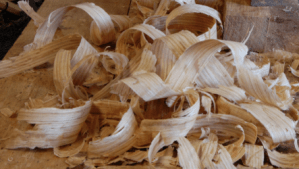
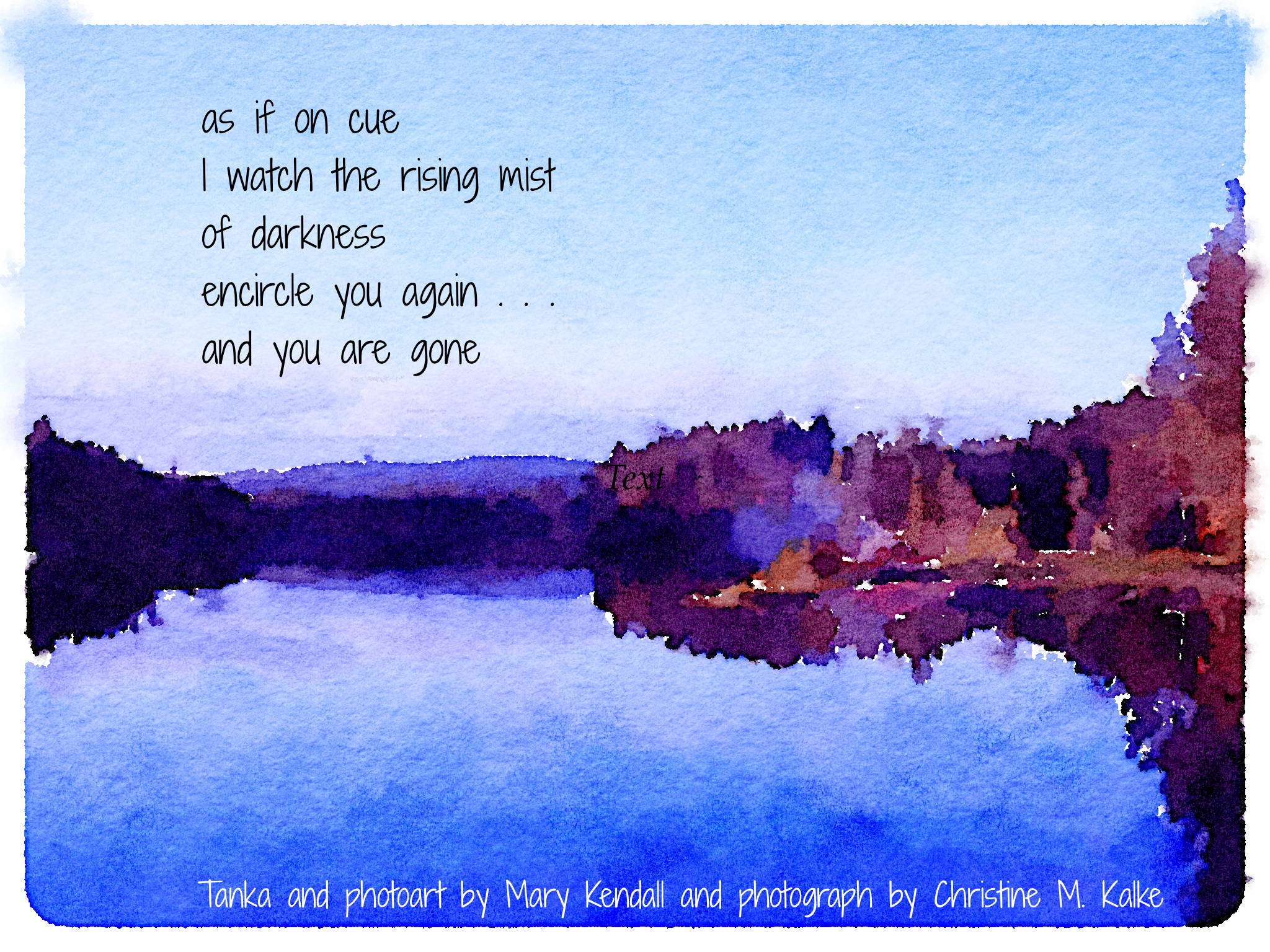
Published: Failed Haiku, a Journal of English Senryu, Volume 3, Issue 31,
July 2018
Guest editors: Lori A. Minor and Chase Gagnon
Primary editor: Michael Rehling
Note: I’d like to thank my dear friend, Christine M. Kalke for her permission to use her beautiful photograph that was taken in Scandinavia during one of her visits. The digital art work was done by me.
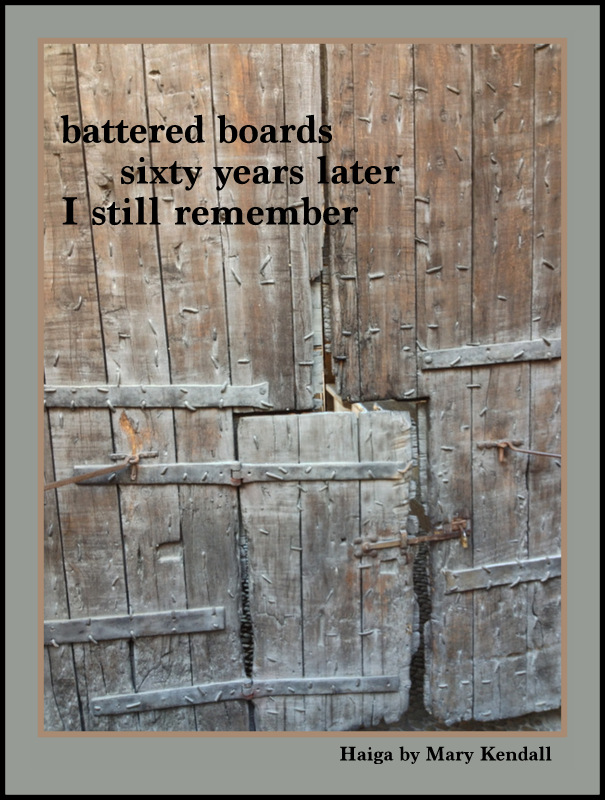
This Haiga was published in Prune Juice, A Journal of Senryu, Kyoka,
Haibun and Haiga, Issue 23, November 2017
Note on the photo: In 2013 I visited Avignon, France, which is where this picture was taken of the outside of the Palais des Papes. It dates back to the 14th century.
This poem was selected as an Editor’s Choice (EC) – Haiku in cattails by Geethanjali Rajan, haiku editor of this journal, whose comments are given here:

Published: cattails: The Official Journal of the United Haiku and Tanka Society October 2017 Issue
Where do poems come from? Anyone who writes poetry asks that question and has that question asked of them by others who wonder how a poem comes to be. There are many articles and books on the subject, but still there is no single answer. Every poet writes differently and often in a lifetime writing patterns and habits might change, too.
To show you how oddly this can happen, I’ve decided to post a poem that appeared in my chapbook, Erasing the Doubt (published 2015 by Finishing Line Press). “Walking Away” is a poem that has its own style, its own cadence and its own meaning. If I were to read this somewhere, I think I’d say it feels very much like an old fashioned poem, as if it echoes a voice from long ago. How did that happen? There is an unusual story behind this poem and how it came to be. It came to me as a whole poem when I was up late writing and suddenly became very, very tired. It appeared almost dreamlike to me. I typed it up quickly, read it once and went to bed. When I read it the next day, it didn’t feel or sound like me, but obviously I had written it. Strange indeed. This experience happened only once in my life.Was another poet speaking through me? Or was this merely a side freed from regular consciousness because of fatigue?
I’d love to hear your comments on this poem and what it means to you when you read it. Feel free to leave a message
I’ve recorded this poem if you care to listen as well as read. Just click on this link:
When you go, where do you wander?
When you leave me, do you look back?
I sit here, book in hand, not reading.
The wind blows fiercely through now.
They asked how long you had been silent,
And I answered with a lie, which
Was not the truth but might have been.
The wind blows silently through now.
Did you hear me whispering to you?
Did you hear what I had to say? Or did
I turn away and only mouth the words?
The wind blows piercingly through now.
Where do you go when you wander?
Tell me what you see. When you look
At me, I feel you walking away.
Lamenting the darkness, the wind blows softly now.

“Walking Away” was published in Erasing the Doubt by Mary Kendall (c) 2015, Finishing Line Press.
Depression is not very pretty. Nor is it very kind. It has many faces, and it comes and goes as it pleases. It can affect almost anyone. If you are someone who has struggled with depression, you know it never goes away completely but hides, waiting for the right moment to reappear. It isn’t something to be lightly dismissed in yourself or in others who suffer from it. Who hasn’t seen the devastating effect it can have on a vulnerable person? I’ve struggled with it, and I’ve certainly known many others who were also affected by it.
.
Watching someone you love battle depression is never easy. It isn’t easily “fixed,” even in this age of modern medicine. Therapy and medicines are there, and for some people they help so much, but for others, less so. Compassion, patience, unconditional love and presence are the lifelines we can offer…to someone else and to ourselves.
.
To listen to me read this poem, please click on the link below. It will take a minute to begin.
.
.
Compassion
Taking on your pain was something
I tried to do, like slipping on your
jacket, pushing an arm in and then
another, pulling it tight around myself,
hoping that by feeling what you do,
it would diminish your pain.
No matter how hard I tried, it wasn’t a fit.
Your depression fell around me in loose
folds, the sadness sagging around my heart.
Besides, it would leave you cold, open
to the fickle winds that blew your way.
Compassion was first published in Erasing the Doubt by Mary Kendall
(Finishing Line Press © 2015)

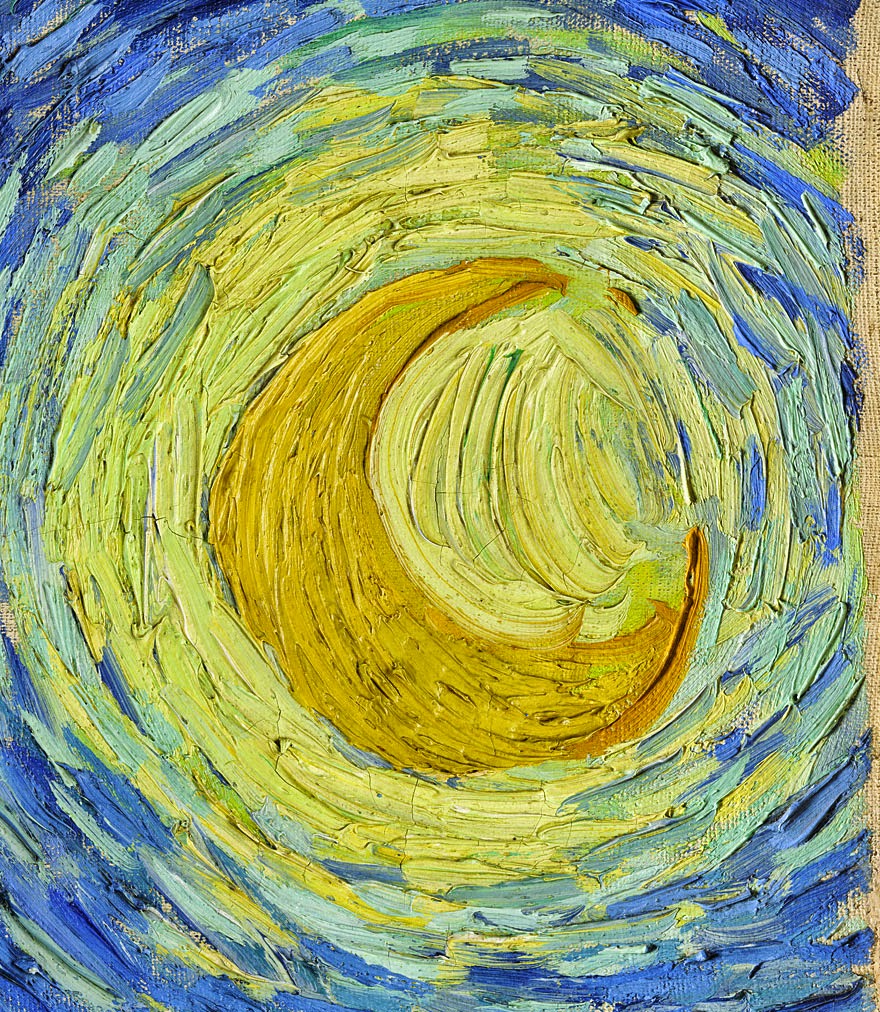
The Starry Night by Vincent Van Gogh, 1889, Museum of Modern Art, NYC
The Starry Night
It is silent tonight.
In the ever flowing
river of the night,
a boat of darkness
sails by
as wave upon wave
of stars flow,
then crest,
then
fall,
and silently subside,
consumed by another wave
until nothing is left,
just flickering light
of celestial glowworms
that hang
in the cave of night—
languid star strands
from the heavens.
The moon
could tell stories
if it chose.
It is silent tonight.