Published in Kokaku, Summer/Fall 2022
~
a tiny fawn dead
by the side of the road –
I close my eyes & imagine
all those children lost
in Ukraine strikes
~

Image by meineresterampe from Pixabay

Published in Kokaku, Summer/Fall 2022
~
a tiny fawn dead
by the side of the road –
I close my eyes & imagine
all those children lost
in Ukraine strikes
~
Image by meineresterampe from Pixabay
And now, here is the third tanka published in GUSTS, no. 34, Contemporary Tanka, Fall/Winter 2021.
so much silence
during the pandemic year
now punctuated by news
of your cancer—
the silence deepens
.
words grow muted
and hearing diminished –
I begin to tiptoe
along the lonely curve
of inner silence
Title Unspecified, by Jean “Hans” Arp (French, b. German), 1950s
This tanka was published in The Ekphrastic Review: writing and art on art and writing on September 13, 2016. The journal is edited by Lorette C. Luzajic as part of the Ekphrastic 20 Challenge.
To visit the site, please click on this link: http://www.ekphrastic.net/ekphrastic/a-tanka-by-mary-kendall
Another haiku published in Wild Plum, a haiku journal, 2:2 Fall & Winter 2016:


Depression is not very pretty. Nor is it very kind. It has many faces, and it comes and goes as it pleases. It can affect almost anyone. If you are someone who has struggled with depression, you know it never goes away completely but hides, waiting for the right moment to reappear. It isn’t something to be lightly dismissed in yourself or in others who suffer from it. Who hasn’t seen the devastating effect it can have on a vulnerable person? I’ve struggled with it, and I’ve certainly known many others who were also affected by it.
.
Watching someone you love battle depression is never easy. It isn’t easily “fixed,” even in this age of modern medicine. Therapy and medicines are there, and for some people they help so much, but for others, less so. Compassion, patience, unconditional love and presence are the lifelines we can offer…to someone else and to ourselves.
.
To listen to me read this poem, please click on the link below. It will take a minute to begin.
.
.
Compassion
Taking on your pain was something
I tried to do, like slipping on your
jacket, pushing an arm in and then
another, pulling it tight around myself,
hoping that by feeling what you do,
it would diminish your pain.
No matter how hard I tried, it wasn’t a fit.
Your depression fell around me in loose
folds, the sadness sagging around my heart.
Besides, it would leave you cold, open
to the fickle winds that blew your way.
Compassion was first published in Erasing the Doubt by Mary Kendall
(Finishing Line Press © 2015)


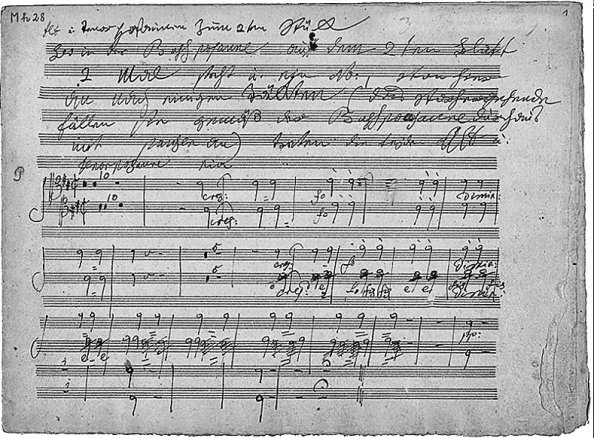
My very first tanka sequence was published in RIBBONS: Journal of the American Tanka Society, Winter 2016: Volume 12, Number 1. My thanks to editor, David Rice, for suggesting to me that these three tanka would work best in a sequence.


Two tanka and one haiku were published
in A Hundred Gourds 5:2 March 2016

~~~
A Hundred Gourds 5:2 March 2016
http://www.ahundredgourds.com
Today, my favorite haiga was published in a favorite journal, Gnarled Oak. It is a lovely home for this haiga. Here it is along with the link to Gnarled Oak (check out all the great poetry in this journal). The editor, James Brush, releases one poem a day, a custom I love. It’s always a joy to see what each day holds. My thanks goes to James for accepting this piece.

.

This haiga was originally posted on this blog on June 14, 2015.

I’ve had the good fortune of having two tanka published in RIBBONS, the journal of the Tanka Society of America: Ribbons–Spring/Summer–2015, Volume 11, Number 2.
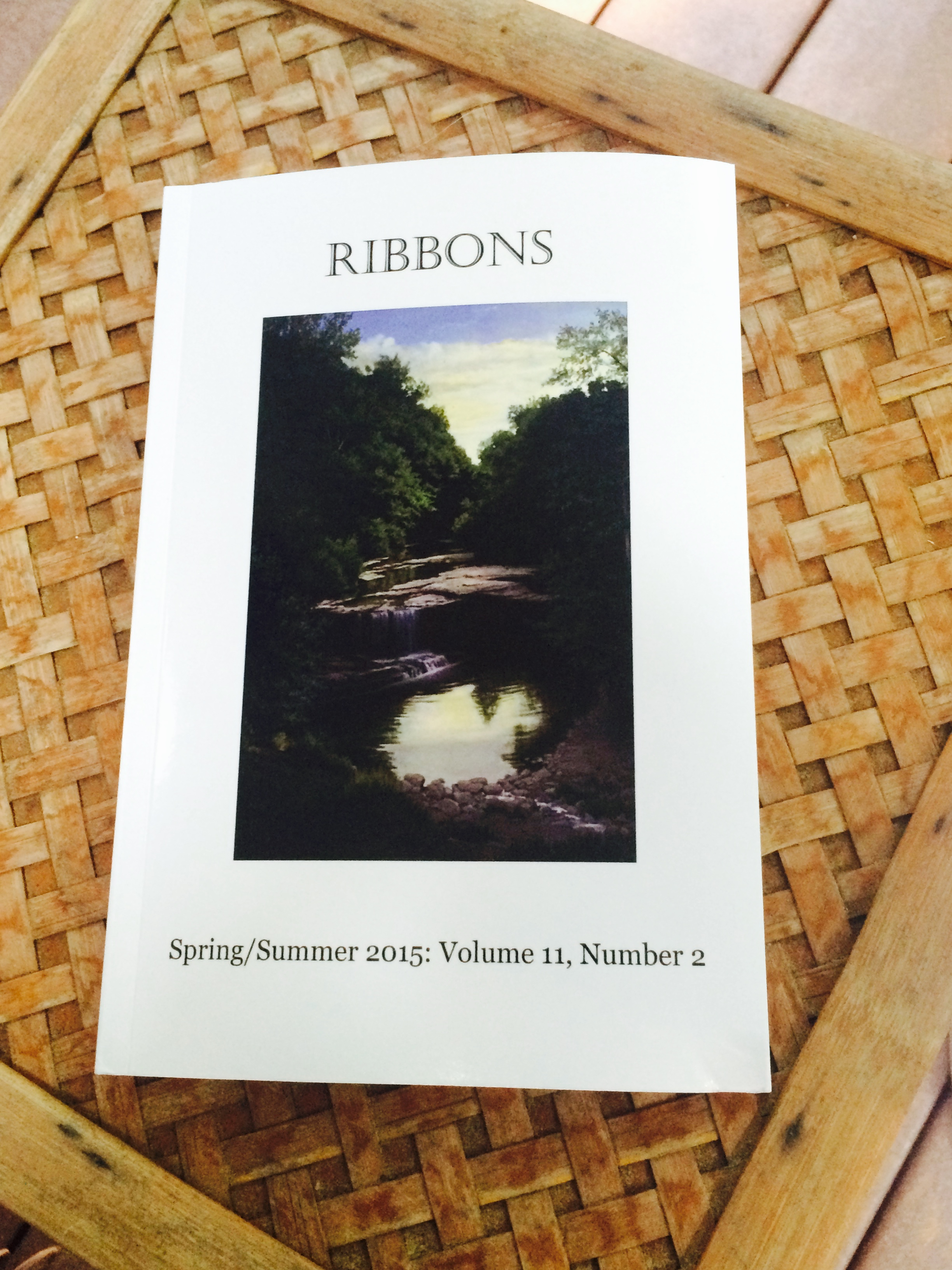
lost in the pages
of a book my mother loved–
a sly narrator
speaks volumes of truth
while skirting the end
Tanka Cafe, Ribbons–Spring/Summer, Volume 11, Number 2, 2015
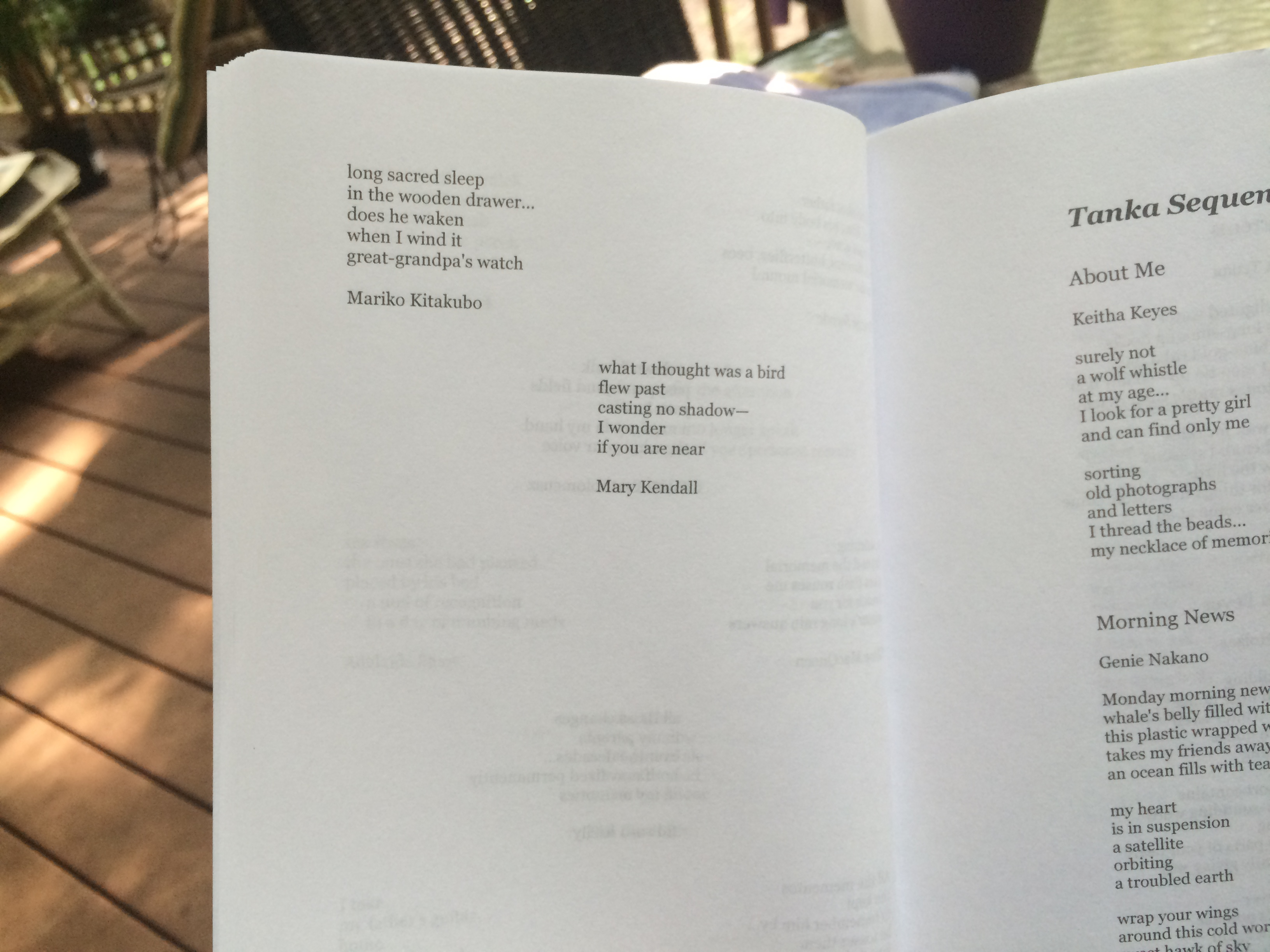
what I thought was a bird
flew past
casting no shadow–
I wonder
if you are near
Ribbons–Spring/Summer, Volume 11, Number 2, 2015
It is always a thrill for any poet to open up a journal and find her/his own poem nestled in among those of gifted writers. The truly excellent online journals of poetry in both tanka and haiku are really schools of learning for me. I go there to read, to fall in love with poems, and to learn from the very best writers. There is no better way to learn. Read, read, write. So, on the rare occasion, one of my poems makes it into those pages (paper or virtual), my heart is filled with joy.

Questions
“Where did the time go?” we asked.
The north wind answered, “It rushed by while you were busy doing other things.”
“And how did we not notice it was passing?” we puzzled.
The south wind replied, “Perhaps the sun blinded you so you could no longer see.”
“Did any of us notice the days grew long and the nights shorter?” we wondered.
The east wind smirked, “You focused so much on clouds that you missed the stars.”
“Why must it come to an end so soon?” we questioned.
The west wind whispered, “You’ve done what you must. Now it’s time to go.”
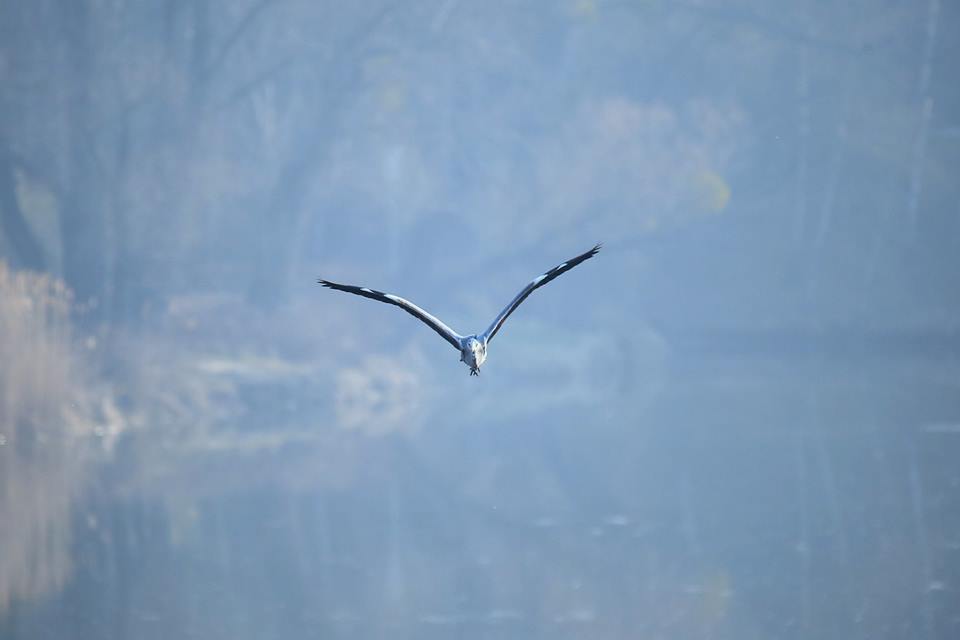
Photograph (c) 2015 by Harald Illsinger
With kind thanks to photographer Harald Illsinger for allowing me to use this beautiful photograph of the gull in the morning sky. The top photograph was taken by me in London, 2015.

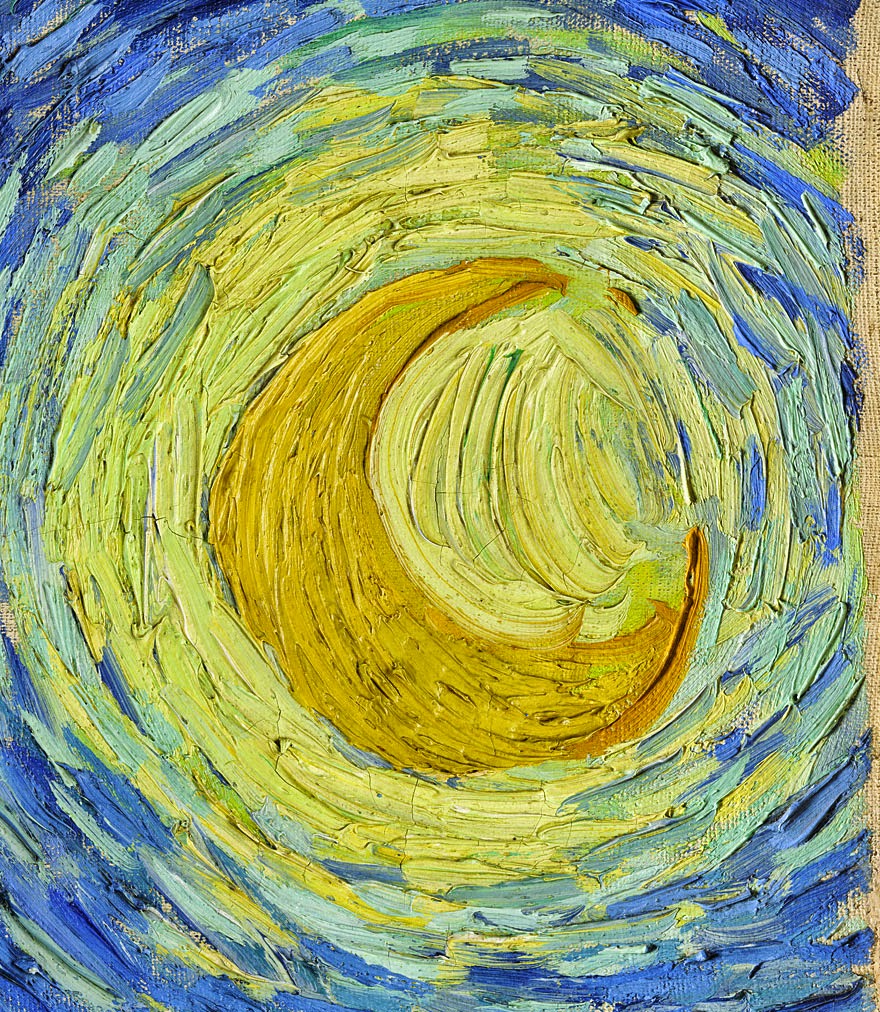
The Starry Night by Vincent Van Gogh, 1889, Museum of Modern Art, NYC
The Starry Night
It is silent tonight.
In the ever flowing
river of the night,
a boat of darkness
sails by
as wave upon wave
of stars flow,
then crest,
then
fall,
and silently subside,
consumed by another wave
until nothing is left,
just flickering light
of celestial glowworms
that hang
in the cave of night—
languid star strands
from the heavens.
The moon
could tell stories
if it chose.
It is silent tonight.


A plea for ending hatred:
This week the news was filled with the grand and rare beauty of the appearance of a Blood Moon eclipse and the absolute horror and non-sensical murder of Christian students in Kenya by Islamic fanatics. When, oh, when will the world stop hating?
“Early Thursday five shooters from the Somali-based al-Shabaab terrorist organization swept through a university in the Kenyan town of Garissa, shooting Christian students. They knew who to kill because they ordered students to recite an Islamic prayer. Those who could were spared. Those who could not were shot dead, about 147 so far. Police killed four of the terrorists and captured the fifth.” (from the Wall Street Journal)
Note: This beautiful photograph of the Blood Moon is not mine. I found it through a google search, but it’s exact origin is unknown. I thank the photographer whoever he or she is for creating such a beautiful capture of this event.

Frozen Moments (c) 2015 Harald Illsinger
FROZEN MOMENTS
It doesn’t matter that your words were shouted
In a peal of sparking anger, anger spewed
In moon-white flames tinged with flicks—
Sapphire blue and poppy red and yellow.
Burning so hot and fast, those thoughts
Consumed themselves and all
Nearby, including what remained
Of hope
For change…
Your change,
Your transformation.
And when the fire burned down,
All that was left were the ashes of your anger.
Small chars of memories…
Frozen moments of who you were…
Once—
Long Ago.
Unable to forgive—even yourself,
You are locked in the ice of stagnation,
The ice of inner struggle.
Frozen fire—
No thaw,
No shift,
No change.
No redemption.
Frozen
Moments
Forever.

Note: Many thanks as always to Harald Illsinger for the use of his exquisite photograph, Frozen Moments (c) 2015. His work always serves as such wonderful and unexpected inspiration.
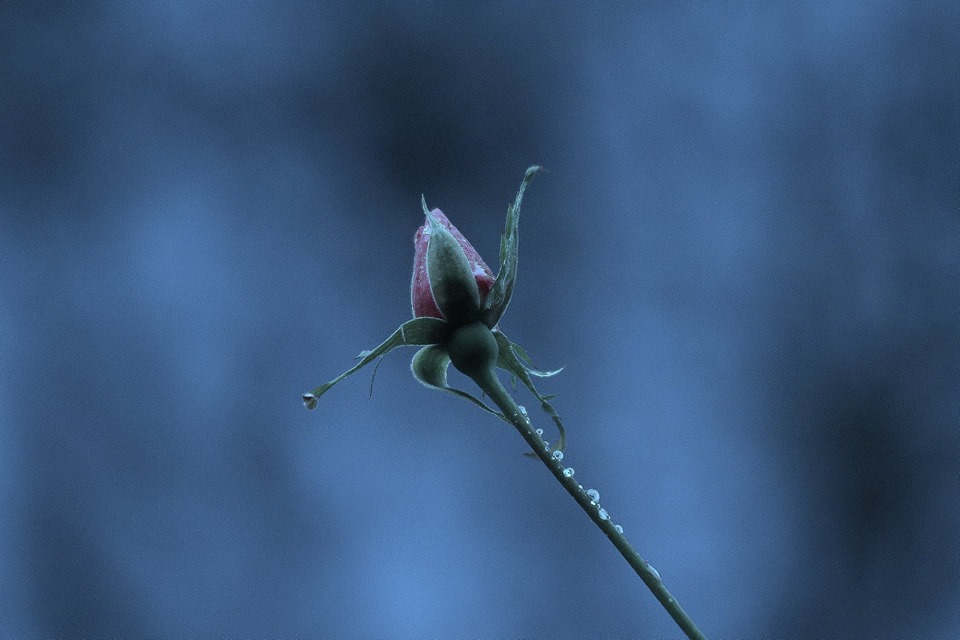
(Photograph © 2014 by Harald Illsinger)
Frosted rosebud
caught in the night,
Awakening to the fog
of a December dawn.
This sweet pale rosebud
delicately iced over,
Thin slick of frost
lightly brushed on
As if an angel chose
to paint, capturing
The morning’s canvas
where season changes
To season, autumn
turning into winter,
Short days giving in
to long nights of silence
As your fragile calyx
gives you up to the day.
 Many thanks to photographer Harald Illsinger for allowing me to use his beautiful photograph, ‘Frosty Morning,’ (c) 2014)

Grief, by Iosatel, The Obvious and Hidden blog, (c) 2014
1.
only the bereaved know
they needn’t speak in whispers,
grief is never
completely silenced
2.
rush of water
a broken branch drifts by
what will be left?
3.
Unending days of darkness
that never let you forget.
4.
Saturated, as if the clouds
had wrung themselves out
all at once, watching what
would then ensue
5.
sitting at the window
watching the rain
despondent days
of unexhausted sadness
trying to let go
6.
forgetting you
was never an option
7.
grief exhausts
but holds on,
rain continues
to fall
8.
thirty-five years and still I mourn you,
sometimes waking and imagining you there
9.
darkness deepens
into the black of night
lightning signals
thunder cracks,
but it is the loss of you
who took your life
that makes me ask
why it had to be
~~~
My Note of Thanks to the photographer, Iosatel, for his beautiful picture, Grief, which was first posted on his blog, The Obvious and the Hidden on 4/11/14. This photograph is copyrighted (c) 2014 by the artist himself.

“Broken Mirror” by Edward Van Helgen @ deviantart.com
For quite a few years now, one of my favorite poetry sites online has been POETSONLINE (see http://poetsonline.org). This site introduced me to presenting poetry online for others to read and it also taught me what fun it can be to write to a specific prompt. The site’s administrator, Ken Ronkowitz, has several blogs, several of which focus on poetry. His prompts are always very well thought out, amply illustrated with poetic examples, they never fail to offer a good challenge to both an experienced writer or someone new to writing poetry. This past summer, Ken presented an interesting prompt that began with Carl Sandburg’s poem, “Mag”:
“The prompt this time out was to write a poem about a negative wish (or wishes) – a wish to undo, wishes that change the past. Those are the wishes that pull you right back to the present and have you thinking about the future.”
The poems written in response to the prompt were published this fall. I wanted to share mine here on my own poetry blog to reach a broader audience. I think the problem is poor self-esteem and distorted sense of self-worth isn’t uncommon in women in America. I struggled with it all my life and just when I think I’m in control, something might happen and make me backslide. I’d say that 97% of the time, my rational self is in control and keeps that negative thinking in check. I do regret having wasted so much of my life feeling inadequate or not worthy of being valued in so many ways. I know I’m not alone. I hope any person reading this poem will think about it and someone they know who struggles with this issue and perhaps, do something to help her (or him) learn to embrace their own self-worth.

Self-portrait in colored pencil
If you’d like to listen to the poem, click on the link below and wait a few seconds for the audio to begin.
I Wish I Could Undo…
All the time
I wasted waiting for life to happen,
As if there would be a perfect moment
When the stars aligned just so,
Or my sails swiftly caught the wind,
And the ivory moon was full.
I thought it would just happen.
All the time
I wasted loathing who I am:
Never good enough, smart enough,
Thin enough, clever enough,
And if that weren’t already enough,
I somehow felt that if I said it enough,
I really might be transformed,
Emerging a butterfly and not a moth.
I would be smarter, beautiful, wittier,
And I’d dance with agile grace.
At last it became quite apparent:
I would never be ‘enough’ for me.
All that time
I wasted wishing myself away.
If only I could undo all of that,
And take back time…and use it well.
I’d whisper a simple incantation
To my younger self:
You were enough, more than enough
In your very own way.

Apple in Mirror
First published on PoetsOnline.org under “Negative Wishes,” August 2014
“I Wish I Could Undo…” (c) 2014, Mary Kendall

“In my End is my Beginning”
The End of Autumn
How could we pass through autumn
without thinking about life.
Life and death.
Life and birth.
Birth and death.
The book ends of our existence
with pauses of space in between
waiting for us to write the chapters
that will fill the empty volume
that eventually defines a life.

These photos were taken by me at the Duke Hospice at The Meadowlands in Hillsborough, North Carolina. This hospice is set on an old farmstead in rural Orange county. The hospice and grounds are a wonderful gift to all who pass through.

Quotation embroidered and worn by Mary, Queen of Scots

Water Song
Water, the color of night,
so very still
not even a wave
breaks the glass surface.
Fear is sometimes
like this, submerged
so far it is hidden
from the conscious self,
safely buried
and unable to rise
to the top again.
Dark thoughts swim
against the current
of common sense, but
they meet no resistance
that far down.
I’m not sure where this poem came from. It just happened. I was thinking about the sad loss of butterflies this summer and what that might mean to our environment, our gardens, our enjoyment of nature. Somehow, from that line of thought to the poem…well, how does one explain where things are born? I hope you enjoy this poem.
An audio of me reading this poem is available at the link below. Give it a few seconds to begin.

When a Heart Breaks
Did you ever consider a heart is like a chrysalis?
Perfectly wrapped round and round, silken strands
layered one upon the other, locked together
in a solid embrace of fragile fibers.
This is what the heart is.
When a heart breaks, no one picks through
the fibers trying to separate the strands.
Yet it can be undone so easily.
Words can unravel it so quickly that it spins
like a frenzied top, leaving behind a trail
of weakened strings, no longer useful to anyone.

Swan Feather, Moscow by Veronika K. Ko (c) 2013
If you care to listen to me read the poem, just click on the link below and wait a few seconds for it to begin:
Icarus II
The hardest part was letting you go,
knowing that once you sailed so high
it would be impossible not to try again.
With each pass you made, you soared
higher, more effortlessly; sweet-scented
beeswax noticeable as the air grew warmer.
Arms outstretched as if embracing the sun,
you changed course and flew even closer
before you shifted abruptly, a quick turning
of wings, now fighting the unexpected wind
with young muscles tensed and determined
to hold the course.
The descent was swift.
A feather fell
and then another.

Boston Public Garden
The weeping willow is perhaps one of the loveliest trees of all. It certainly plays an important part of many myths and legends in different cultures, and it has stories linking it with full moons, protection and inspiration. I have always loved willows. One of my fondest memories is of living in Cambridge and walking through the Boston Public Gardens when the willows were out in full. On a hot day, you could sit under one and feel ten degrees cooler. The were also among the earliest trees to leaf in spring.

Old Tombstone with Weeping Willow
In the old, old cemetaries of Boston and Cambridge, willows adorned gravestones and iron work going back to Colonial times.

Lovely Iron Gate with Willow
In the beautiful North Carolina community in which I live there was once a beautiful lotus pond with a magnificent willow overlooking it. One night the tree came crashing down. Later the pond dried up and the lotuses were no more. This poem began quite some time ago, but it, too, lay dormant until I pulled out a forgotten draft of the first three stanzas. Strange how that can be–sometimes returning to a poem that was left unfinished so long ago is suddenly the very thing you need.
~ ~
Click on the link below if you’d like to listen to me reading this poem. It will take a few seconds before the clip begins so please be patient.
Weeping Willow Tree
Willow Branches
They said it was the drought that did it.
Too many summers the pond dried up,
Even the lotus pods soon went dormant.
Rainstorms came that June: day after
Day the rain flooded the nearby creek
And filled the small pond you graced.
It was just too much and all too fast.
In the night you fell, your shallow roots
Rudely ripped out of the raw wet earth.
The old gardener pulls up in his truck,
Walks over with chain saw in hand,
Ready to dismember branches and trunk.
I ask if I might take a few willow wands.
He waits patiently and watches as I
Cut three long sticks of fallen green.
I thank him and walk away. He nods,
and smiles wryly after me, at the whimsy
Of a stranger who was passing by.
The chain saw shrieks as it starts
On its ruthless task as I continue
By on my walk, recalling a story I love.
Carrying sticks of willow for protection,
Orpheus, singer of sweet songs and poems,
Wandered in dark and silent Hades.
We know the ending, how Eurydice
Was soon lost forever. But the willow gifted
Orpheus with music, songs so beautiful
Even the wild and rowdy winds stopped
Blowing to listen to his broken heart. With
Orpheus’ death, the lyre lay silenced.
Over the chain saw’s tuneless humming,
I picture the willow’s nocturnal passing,
And I weep for all who are lost too soon.

 A Poet in Time