My thanks to Michael McClintock, editor of the Tanka Café in Ribbons, the Journal of the Tanka Society of America. The prompt was poems of spring and summer. Here is mine:


My thanks to Michael McClintock, editor of the Tanka Café in Ribbons, the Journal of the Tanka Society of America. The prompt was poems of spring and summer. Here is mine:

Photograph (c) 2010 by Patti Chronert
Another Love Poem…
If you’d like to hear me read this poem, please click on the link below. Wait a few seconds for it to load. I hope you enjoy both listening and reading this love poem.
Another Love Poem…
~ To my husband and partner of forty years ~
We walked along in the Tuileries
alone among the chestnut trees,
morning sky of crisp pale gold
so many paths we have strolled,
and still we wander, just us two,
my heart never very far from you.
We stop to sit and watch the birds
green park chairs, unspoken words,
plain sparrows chirp, so unadorned
no beauty lost, no beauty mourned.
Simple thoughts are often most true—
no man was ever loved more than you.
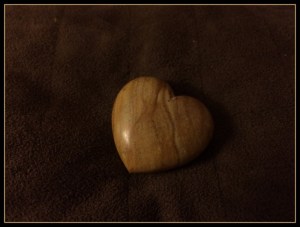
Heart Stone by Mary Kendall

Who Am I?
I am just a wisp,
a vision caught
at the edge of your eye.
I am just a thought,
a touch on the arm
you almost don’t feel.
I am just a memory
pulled back down to earth.
I am just an image
of what could be
but is not.
.
To hear me reading this poem, simply click on the link below. Wait a few seconds for it to begin.

This poem originally appeared in The Aroostook Review, May 2006
.
Note: the rainbow picture is my own, but the beautiful purple flower is by Yolanda Litton, one of my favorite photographers.


Forget-Me-Not by SarahharaS1 (c) 2013
~
Don’t Forget Me When I’m Gone
~~
Don’t forget me when I’m gone.
I’ll be there thinking about you.
Don’t forget me in my silence.
I’ll bring you back a poem.
Don’t forget me when you’re sad.
I’ll be ready to understand your tears.
Don’t forget me when life is good.
I’ll be happy to laugh along with you.
Don’t forget me if the glass breaks.
I’ll be there to sweep up the shards.
Don’t forget me when you doubt.
I’ll listen to your words spill out.
Don’t forget me in the dark.
I’ll bring you a small violet star.
Don’t forget me when I leave.
I’ll return. I always will
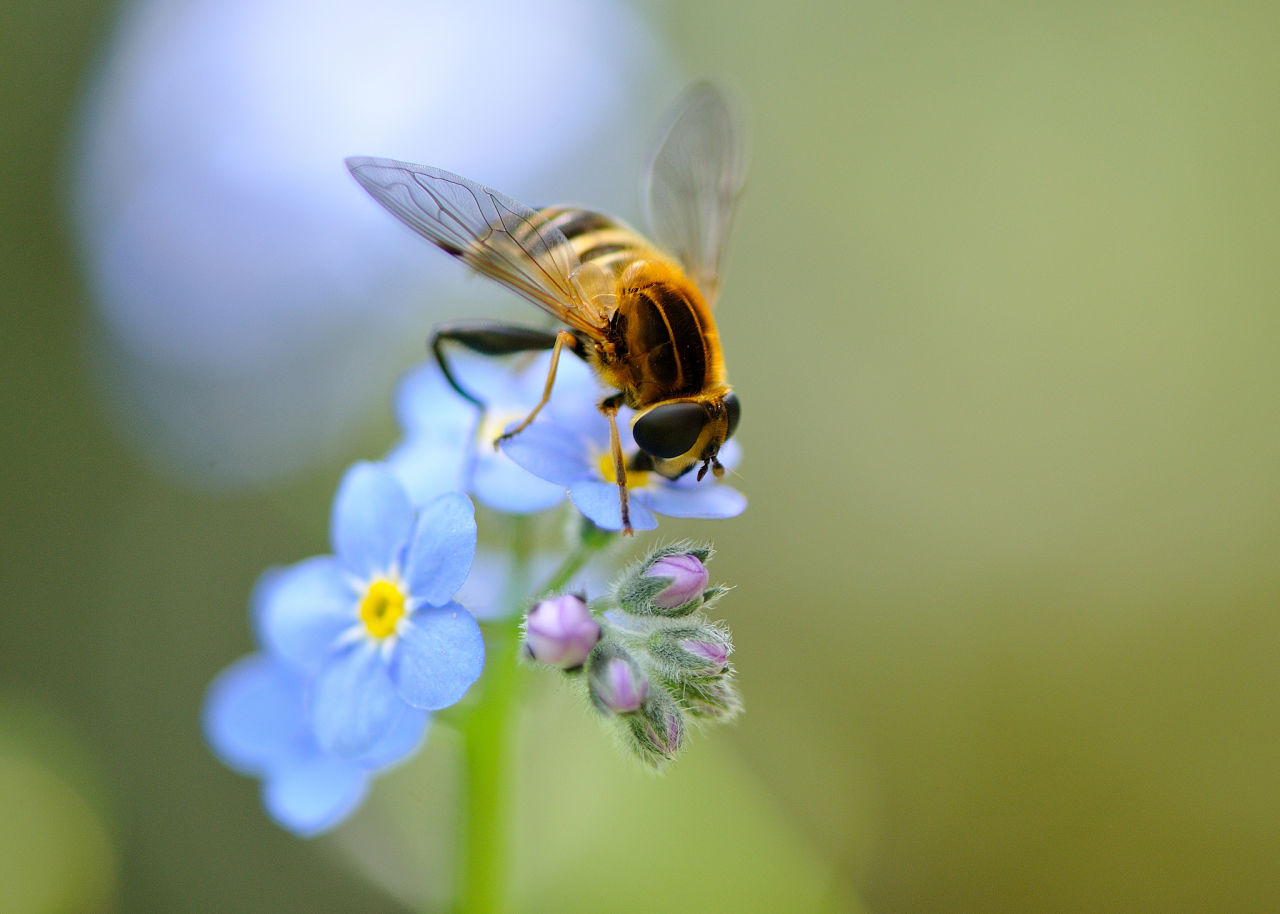
Forget-Me-Not, photograph by Flowers HD.com
I’d like to share a tanka that is currently appearing in Ribbons, Tanka Cafe, Winter 2015

Junco, photo by Kathy Adams Clark
winter light
shadows linger low
behind us—
dark-eyed juncos
scurry past our feet

Juncos, photo by Brian Cunningham
This poem appeared in Ribbons, Tanka Cafe, Winter 2015
This is the publication of the American Tanka Society,

While visiting my brother and his wife this summer in East Aurora, New York, we experienced a truly wonderful and unexpected visit from three pileated woodpeckers at the suet feeder Jim had filled. His wife, Paulett, said the woodpeckers were frequent visitors to their lovely back garden. This was a first for me. Although I’ve been an on again, off again birdwatcher for most of my adult life, I’ve only seen one pileated woodpecker in person before. Seeing three at the same time was simply brilliant. Watching their acrobatics as they fed on the suet, flew back and forth to peck at a tree, and generally manoeuvered their rather large bodies in amazinglying agile ways was pure delight. After a feeding frenzy, they flew away and it felt amazingly still and empty where they had been. Much like a visit with beloved family and friends, the ‘after’ part comes all too soon and leaves a void in our hearts. This poem is dedicated to Jim and Paulett, two of the kindest and most caring people I know. Thank you for sharing your home, your family and your amazing woodpeckers with us.

Dining with the Woodpeckers
In the late August garden
The quiet afternoon now
Comes to a languorous close.
Out of nowhere, a flash of red,
Bright scarlet crests crowning
Zebra-patterned feathers.
Three Pileated woodpeckers
Begin to feast at the suet feeder,
Fluttering, flying tree to tree,
Tree to feeder, alternately
Pecking at thick maple bark,
Then shifting to soft silky suet.
The youngest, now the size of its parents,
Joins in to grab his share, and father
And mother dutifully give way.
For a few Cirque des Oiseaux moments
All three woodpeckers hang right side up
And upside down, their brilliant red heads
Flash like stop lights in the early evening sun.
We sit around the table eating an early supper
And sipping local wine. Conversation drifts
As we watch in these avian acrobatics.
Just as quickly as they arrived, so soon are
They are gone. More wine is poured,
Seconds of hot buttered corn and fresh
Heirloom garden tomatoes are passed
From one to the other. Like the birds,
We share this meal together, enjoying
The richness of what the day has given.
A light wind blows the leaves outside,
A beautiful evening for us to be together
Knowing that summer will end all too soon.

Picture by Beth Brandkamp
An Autumn Long Gone ~ a Reverie (prose poem)
An audio of me reading this prose poem can be heard by clicking the link below. It will take a few seconds for the sound to begin.
It was the year we lived in London, some 25 years ago, when autumn began like any other autumn. The fall, the changing, the color shifting, the soft breezes, the sporadic thick fog and the leaves dancing, even floating upward at times. What I hadn’t anticipated, being so far north for the first time, was how short the days grew. How dark it became earlier and earlier all during that autumn. The days were ‘closing in.’ That’s what they called it, and I loved that phrase. It brought a certain comfort of pulling heavy curtains closed and shutting out the darkness. It was a time for wearing coats and warm sweaters, and I dressed my son in practical English clothing and soft grey mittens while he ran ahead enjoying what was left of the day. He was only three, but he knew the delight in using what was left of the day’s sunlight. I learned to enjoy the simple pleasures around me that came with this quiet season. Victoria plums were my new delight. They appeared at the Greengrocer’s shop just as autumn set in, later replaced by apples—Bramley and Cox’s Orange Pippins, names that twirled on the tongue and tasted as good. Burning leaves were an unexpected, half-loved sensory pleasure. The smoke was pungent, but it brought back memories of childhood. I loved even the rasp of raking, bamboo or metal combs gathering leaves in sacred piles waiting their turn to be sacrificed in an autumnal pyre. In the English light, I found the colors were softer, quieter than the brilliance of New England woodlands. Each morning I left my son at school and then walked through Hampstead Heath. I found my own favorite route through woods and meadows up to the large ponds. Purchasing a single cup of tea that warmed my hands, I made my way to that empty bench that faced the pond. I thought about all the people it had held before. And every day without fail a lone Scottish piper played his bagpipes as if on cue. Each day I sat and listened. A world so far from my own. From where he stood near the peak of Parliament Hill, the mournful songs became a wordless chanting, charging the air with a lamentation to this closing season, every day briefer, softer than the day before.

Lost in Reverie (c) 2014 by Iosatel, The Obvious and Hidden blog on WordPress (with his permission)

