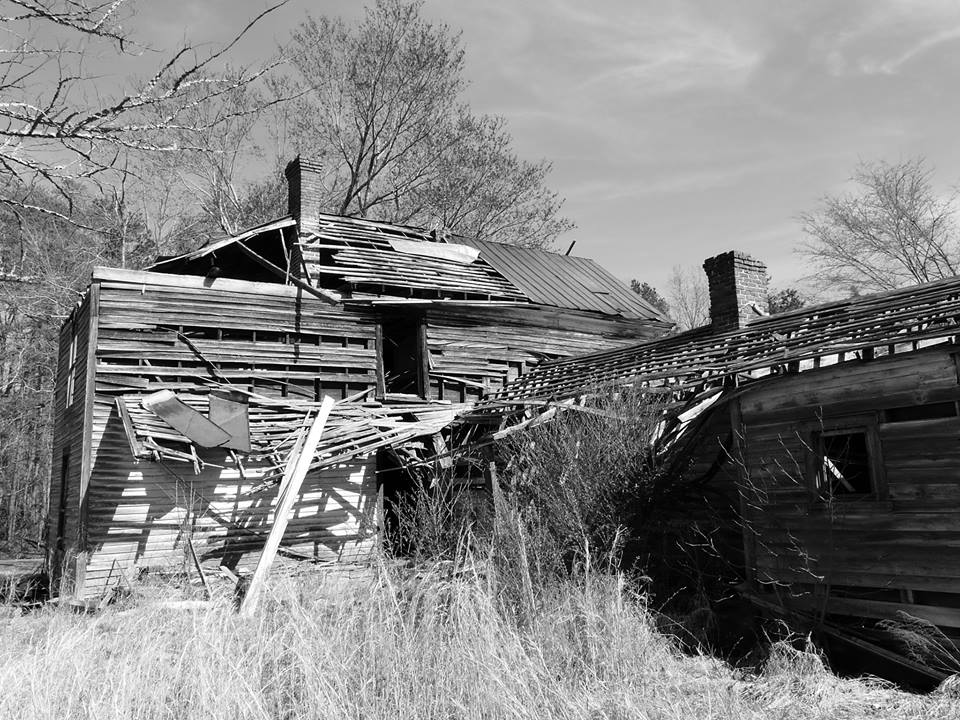
And then again, the past comes back

This is a reblog from eleven years ago. It wandered all that way into my thoughts on a quiet Saturday afternoon in mid-August of 2026.

So much has happened in eleven years. We are a changed country, a transformed world. The seas have risen, glaciers melted and weather controls life in a new way. The world seems to be at war with everyone, and our beautiful American democracy is at a dangerous level of risk that increases each and every day. There is quite often a feeling of heaviness and despair when listening to or reading the news. So many of these changes are not for the good of mankind, but that is a topic for many discussions and more poems. And so we wait for that rush of wild wind of change to surprise us and clear the air and world of darkness, unkindness and injustice.
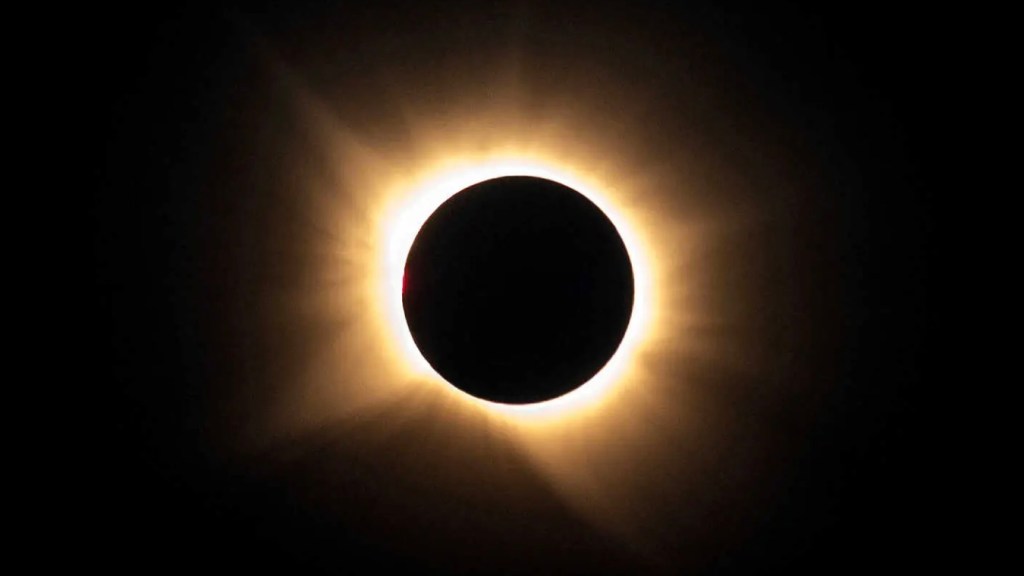
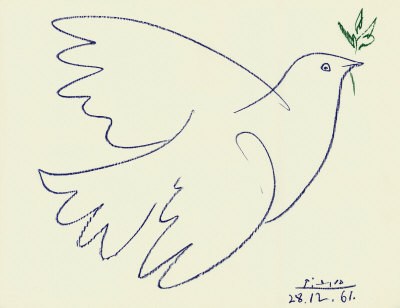
Photo: the solar eclipse, August 2026 (from the internet, no specific photographer given). Thank you, whoever you are.

I’ve chosen this particular blog post from 2015 because it deals with memory and its peculiar traits. I hope some of you will enjoy reading the whole posting and how it came to be.

(Feel free to leave a comment about your own thoughts about memory and time.)

Here you go:

The Mutability of Memory

Posted on  by Mary Kendall

All of us have memories. Good memories. Bad memories. Memories we love to revisit over and over. Memories we push far back, hoping they will disappear. Some memories are vivid, while others are dreamy and vague. A few are very, very real as if they just happened, but others feel as if they stories that happened to someone else rather than us.

Memories can be haunting. Memories can be triggered by all sorts of things—from a taste that evokes brilliant memories from early childhood to a scent of burning leaves that reminds us of an autumn long gone.

It began with a prompt in March 2014 in Poets Online {my thanks to Ken Ronkowitz for this idea) to use a first line from an Emily Dickinson poem as our own poem title and then to write a new poem. This was one of my favorite prompts because it asked me to do something I had never considered. I do read Emily Dickinson’s poetry from time to time. I puzzle over her words and meanings. I spend a fair amount of time thinking about what she meant and how she did it. She never ceases to amaze me or probably any of her readers. To borrow a first line from her seemed a bit like stealing something sacred. And then the fun began–going through all of her first lines (which, of course, have also become the titles of her otherwise untitled poems)–and selecting one to work with. The prompt suggested we not read (or reread if we had read the poem a while back) Emily Dickinson’s version until our own version was complete. Fair enough.

After going through the list of first lines of Dickinson, I had to eliminate all those I knew. That meant excluding some wonderful poems I knew and loved. It also meant I had to find a poem that was unknown to me. Oddly enough the one I ended up with is a well-known poem of hers, but I couldn’t remember reading it (failure of memory on my part perhaps?), so I chose it. I love this line. “The Past is Such a Curious Creature.” Don’t you love the very idea of it, calling the past a curious creature, personification with such crisp alliteration?

Following the instructions, I did some thinking of what the line meant to me, what it brought forward. That’s how poets work. It can be rather vague to those who don’t write, but all poets know that a simple line can bring to life so many things. A poem comes from someplace deep inside, a place we’d love to explore but we only get glimpses of it. It took me a while to write the poem and to rewrite it. I wasn’t sure I wanted to submit it for quite some time. I even tested out a few other lines as prompts, but I returned to this irresistible line that Dickinson wrote. Here is the poem I finished and submitted. When the final poems were published, it was fun to read all of them. The other writers did a wonderful job. Some wrote in a style resembling hers. A few wrote in rhyme. I did none of that. Mine was in free verse, dictated only by the ideas and images that spilled out.

My poem:

THE PAST IS SUCH A CURIOUS CREATURE  (Line taken from Dickinson’s Poem CXXVII)

The past is such a curious creature
capable of creating such marvelous lies
that we begin to believe as we hear them
said again and again, forgetting that
there are those who love to distort
the truth and let it spill out and break
into brittle bits & pieces that are left
on the street to be kicked and crushed
until the shards are too small to see.

The past writes a story of its own choosing.
Its pen might be inked in faulty memory;
its paper might be marked in things that
did happen as well as those that did not.

This story is examined with the lens
of exaggeration and embellishment
until the tale that remains
is now so embedded in our minds
that we can no longer know
what was real and what was not.

And now for the inspiration piece, the poem written by Miss Dickinson:

THE PAST IS SUCH A CURIOUS CREATURE  (Poem CXXVII)
by Emily Dickinson (Complete Poems, 1924).

Part One: Life CXXVIII

The Past is such a curious creature
To look her in the face,
A transport may receipt us
Or a Disgrace.

.
Unarmed if any meet her,
I charge him fly!
Her faded ammunition
Might yet reply!

Although the prompt suggested reading the original poem after our own was nearly complete and then comparing where we were going, I opted to read Emily Dickinson’s only after my poem was more or less complete.

In Emily Dickinson’s poem, her personification of the past as a feminine being is a surprise. Then she tells us that as we remember the past, it might reveal a hidden delight or a remembrance of something disgraceful or shameful. That said, she moves to the second stanza and urges the reader to be aware that if the past memories are ignored, there might be consequences that would take us with surprising force. How true. Memories that are suppressed can and just might tumble out to reveal an unfathomable nightmare. Or more.

My own poem chose a different path. It opted for examining the past by questioning the mutability of memory. Is the past always the past? Is it constant? Or is its story one that changes in the retelling and perspective of the storyteller? My point of view came arose from the self-examination of a few haunting memories from my own early childhood. These particular memories were negative, but they were mine as I perceived them.

In asking one of my sisters about her perception of these same events, her memory was quite different from my own. So, which was true? Either one? Both? True for her, and true for me, even with different observations and conclusions? I spent a long time trying to figure it out but was unable to do so. My past. Her past. Our past. Memory can change and distort with time, age, experiences, contemplation, It does present some good leads for poems, but it does not answer the question as to what that unhappy childhood memory really was all about.

Poetry allows us to raise questions and to examine possibilities. It is not psychotherapy, nor is it scientific. What it does do is give the poet a way to explore personal stories and experiences and to turn them into something that goes far beyond the individual self. It offers each reader a chance to follow along and even to join in, adding their own experiences and memories into the mix.

What do YOU think about the mutability of memory? Can we ever answer all of the questions we have about the past?
.
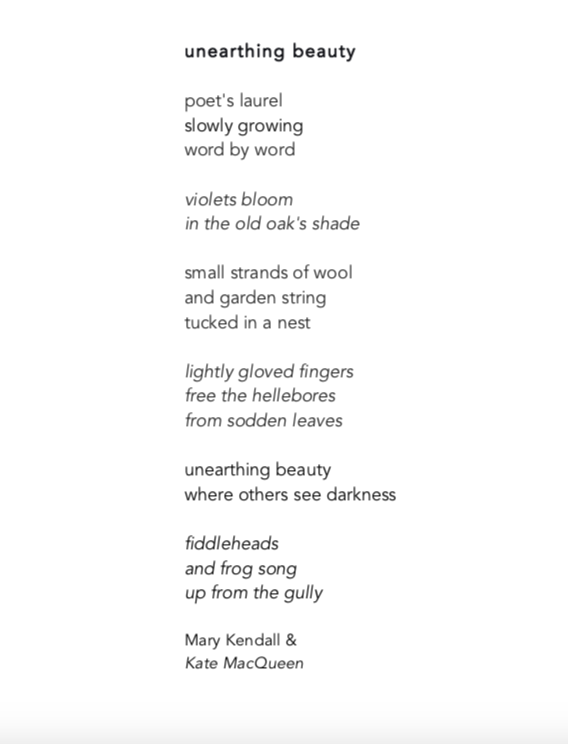
unearthing beauty (rengay)


My deepest thanks to Kate MacQueen for writing this rengay with me. It was a wonderful and illuminating experience to write with Kate. Kate’s verses are #2, 4, 6 (italicized) and mine are #1, 3, 5.


This rengay was published in Vines #3, part of the publication hedgerow edited by Caroline Skanne. 


Note: for readers not acquainted with rengay, here is a definition from “Graceguts” by Michael Dylan Welch:

“Garry Gay invented a renga alternative in the summer of 1992: the “rengay.”

“The rengay is a collaborative six-verse linked thematic poem written by two or three poets using alternating three-line and two-line haiku or haiku-like stanzas in a regular pattern. The pattern for two people is A-3, B-2, A-3, B-3, A-2, B-3, with the letters representing the poets, and the numbers indicating the number of lines in each given verse.” 

Spent blossoms . . . (honorable mention)

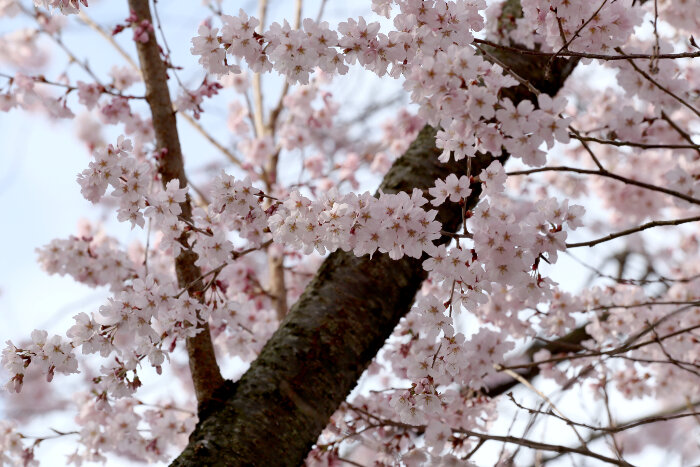
Sakura flower or cherry blossoms in Japan.


Vancouver Cherry Blossom Festival
2017 Haiku Invitational Winners

 USA
Honourable Mentions


spent blossoms—

the remission, too,

was unexpected

.
                          Mary Kendall
                         Chapel Hill, North Carolina


To view all the winners and honorable mentions, please click on this link to go to the official website:

http://www.vcbf.ca/haiku-invitational/winning-haiku/2017-winning-haiku

Note: The beautiful picture of cherry blossoms (above) is taken from the website, Flower Meaning (http://www.flowermeaning.com). Also, from this website:

What is the Sakura Flower?

While the Japanese called this flower the sakura, you likely know it as the cherry blossom instead. The blossom of the Japanese Cherry, also known as the Prunus serrulata, is technically the sakura flower. However, other varieties of blooming cherries are also grown in Japan and referred to with the same name. The cherry blossom became so popular in the Heian era of Japan’s history that the word for flower became synonymous with sakura. People have been picnicking under the blooming trees since 700 A.D., a tradition that continues today.


The beautiful and very short lived cherry blossoms symbolize the brevity of life. The kanji (above) is for Sakura or cherry blossom. I think the kanji is just as beautiful by itself as is a single cherry blossom.

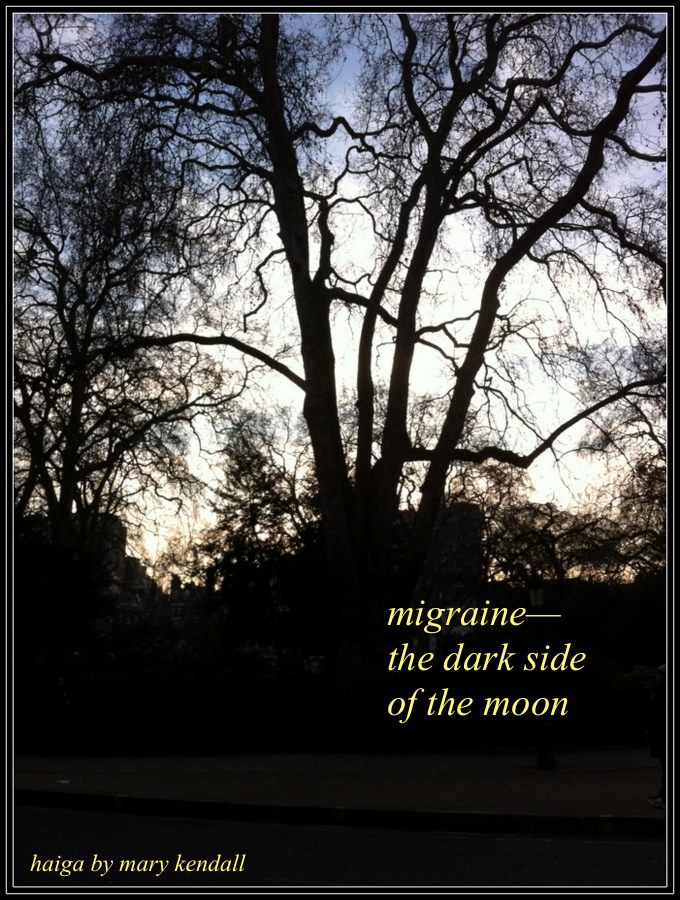
Migraine (haiga)

Published in cattails, January 2016:

Kendall migraine haiga 1

haiku and photography by Mary Kendall (c) 2016

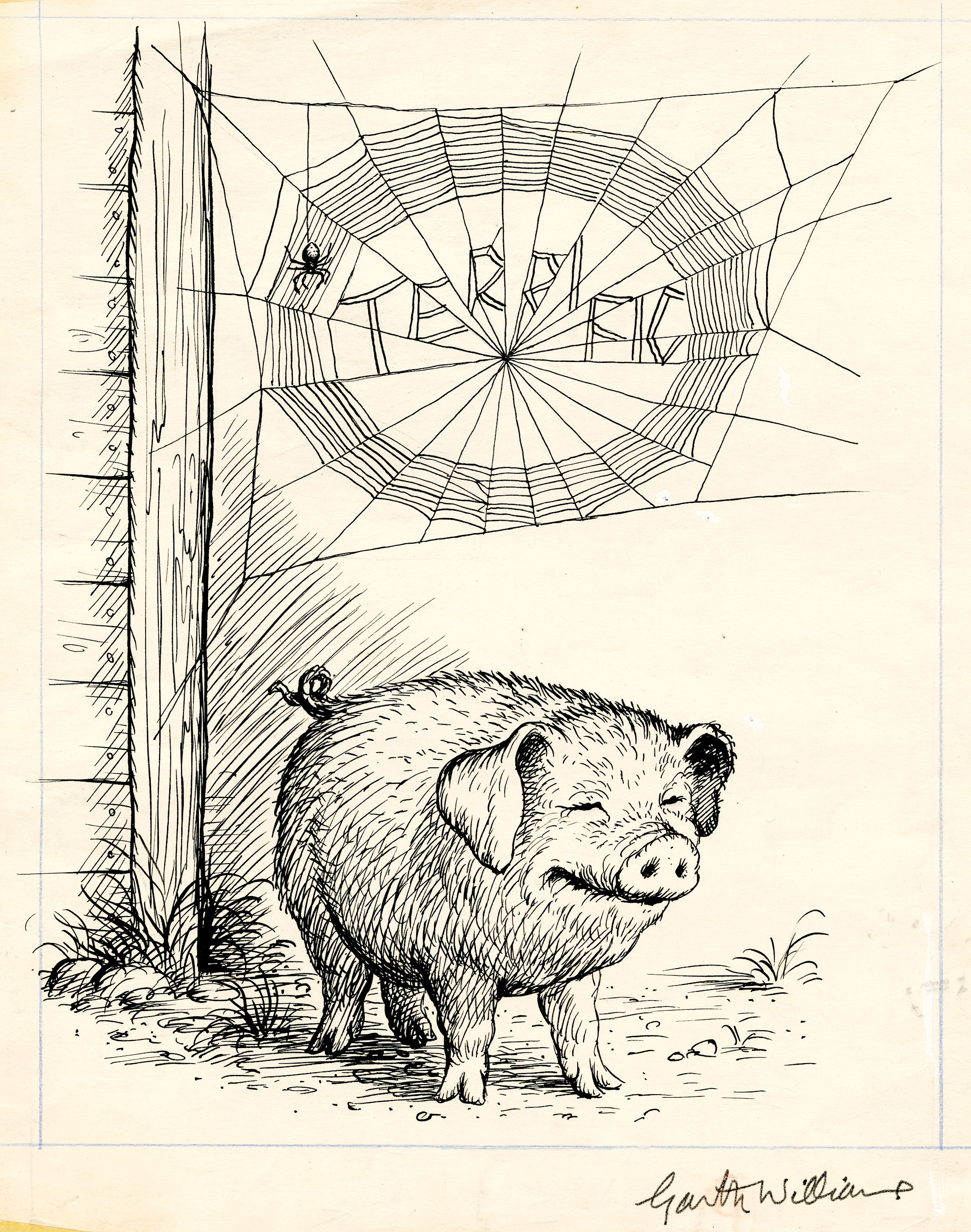
Charlotte’s Story: Haiku for Wilbur by Mary Kendall (ME, IN FICTION Poetry and Prose Series)

silverbirchpress's avatarSilver Birch Press

Charlottes-Web-Terrific-Garth-Williams1Charlotte’s Story: Haiku for Wilbur
by Mary Kendall

“My Words”

my words—
who knew what a story
we’d become?

“First Friend”

a friend—
something my kind
never knew

“The Unexpected”

new friend—
silken parachutes in spring wind
bestow surprises

“Silken Words”

silken words…
hearts woven together
in their own story

“Some Pig”

little did they know
how special you were—
some pig!

“Terrific”

a real friend
who accepted me as I am…
terrific!

“Radiant”

just knowing
you have a good friend…
this radiant heart

“I Told You”

out of nowhere
grows the best thing…
kindness of spirit

“Humble”

humble—
your kindness of heart
my friend

“The Fair”

harvest moon—
who knew how high
we’d fly?

“Templeton”

even a rat
can help a friend..
who knew?

“My Time”

time for rest
my voice a whisper
…alone now

“Good-bye”

no need to worry—
our memories will live on
in your heart

“Death”

View original post 261 more words

One Year of Blogging…Some Thoughts

Clock Room in the Musée d'Orsay, Paris, France

Clock Room in the Musée d’Orsay, Paris, France

This week marks the one year anniversary of this blog, A Poet in Time. I began it at the end of July 2014 after much thought. My goal at the time was very simple. I wanted a way to discipline my writer’s mind into producing a passable poem each week. They could be brand new, reworked lines shaped into a new incarnation, or experiments in new forms for me. Yes, I hoped someone would read them, otherwise, why use a blog? I’ve never had expectations that many people would read my writing. I’ve been too reluctant to submit many of my poems for submission. I’m too thin-skinned to deal with the rejections that come with the publishing game, so I’ve just gone about with writing on my own terms and in my own way. A blog seemed like fun. I like writing in general. A blog could showcase a poem, but it could also help me move in the direction of a community of poets who, like me, liked reading poetry.

Now that I’ve made it through a year of blogging, I guess I need to decide if it was worth it. Did it meet my goals? Did I discipline myself enough to post a poem a week? Did I meet other writers? Find other interesting blogs?

coffee-and-journal-scribblr-suite

I discovered right away that the world of blogging is immense. On Word Press alone, there are hundreds of thousands of blogs. Poets all over the place! I’ve spent a lot of time reading many of the blogs. Some held little interest for me. A few really intrigued me and I readily subscribed to those. I learned the proper blog etiquette:  it’s always polite to acknowledge when someone comments on a posting. If someone follows you, you should at least go and visit their blog, read through a good number of their postings and perhaps leave a comment or two. Following another blogger is harmless enough. It doesn’t obligate you to anything. I quickly learned that some people “follow” you simple to get you to follow them back. I guess I was too old not to realize that the world of young bloggers is a competitive one where numbers count. I read a few postings on why this was important, and then I went back to my quiet ways of reading blogs I felt had excellent writing and ideas.

Early Morning at Bagnegrole (Photo by Yolanda Litton)

Early Morning at Bagnegrole, France  (Photo by Yolanda Litton)

I also discovered the world of art here in WordPress. The number of artists and photographers is also very large. Excellence is there, and I fell in love with a number of photography sites. I found early on that a beautiful photograph was not just great art in itself, but some seemed to inspire poems. It happened quite spontaneously and it began with a professional photographer on WP who always kindly gives me permission to use his breathtaking black and white photographs to a wildlife photographer on FaceBook who is equally generous at letting me use his work. Then, it moved to people I know. I’d see friends’ photographs on FaceBook and very quickly I could see who posted pictures I found irresistible. That was an unexpected bonus. Some were people I knew well. Others were people I worked with but never got to know. It made me realize how complex people are. Everyone has gifts that are there, but often they aren’t visible. I began to really enjoy FaceBook simply because it now gave me much more insight into people I’m acquainted with.

Old home in Eland, North Carolina, photograph by Gary Brichford (c) 2015

Old home in Efland, North Carolina,  Photograph by Gary Brichford (c) 2015

I also discovered that FaceBook has its own private poetry world. There are hundreds of poetry related sites, most of which never interested me. I’d subscribe for a while and then get overwhelmed by the sheer volume of work that just didn’t do much for me. Everyone is different of course. My work isn’t flavor of the month for many people. (Even that metaphor would turn off many poets who only live on the ‘edge.’) But gradually I found there were private FaceBook writing sites that were full of excellent poets all of whom have the same purpose of learning to write better. Prompts are frequently presented and people respond in posts. You can ask for advice or guidance and you get it. I fell in love with three such sites all focused on small poems and English versions of Japanese forms of poetry such as haiku and tanka. I then found a number of the poets had their own blogs, which I follow whenever I can. I did learn that most poets who have made their names in the published poetry world use blogging more as a vehicle for presenting what has already been published. No one seems to use it as I do, but that’s ok.

Now, as the one year anniversary is here, I’ve been trying to rethink my goals and how I’d like to continue on from here–or whether or not I even wanted to blog. I looked at all my postings. I certainly did meet my quota of a poem a week. Sometimes more than a week would pass and then I’d post several poems. That was fine in my book.

I took a lot of the narrative around a poem out as I went on. I felt I didn’t need to tell my readers what a specific form was unless it really was something my closer friends (who aren’t writers) might like to know. The poems generally speak for themselves, as they should do.

I’ve toyed with putting some separate pages on the blog, separating poems by genre where it applies. Right now I lack the technical know how about the best way to do this.  Obviously, I have some homework to do.

I’ve also toyed with the idea of a separate page on which to post poems by other people that I’m reading and whose work I absolutely love. I’m not sure about this–it might wander too far away from my simple blog.

As for followers, I have gotten exactly 7,600 views as of today. I know those aren’t all ME, so I guess people are reading. I don’t have a huge following, but I never expected to have that. I quickly learned that the majority of visitors never leave comments or even hit a ‘like’ button. Perhaps they visited and didn’t find anything they liked. Perhaps they just never bother with ‘likes.’ No matter. I’m just glad people do wander around and read things here and there. Perhaps my only regret is that new visitors tend to only read the latest postings. They rarely wander back a year. I loved my first poem I posted about a trip to Edinburgh and the Scottlish Highlands I’d just returned from. But those early poems only have three or four likes at most.

Occasionally someone will repost a poem and then I’ll get a slew of visitors on a period of a few days. That’s always a surprise that makes me smile. A few become followers.

Of the people who leave comments, it tends for the most part to be the same people, but those are all people i love. I love their blogs. I love their thinking. I appreciate the time they take to make a comment. Who doesn’t love knowing your words speak to someone on some level? I do love it…a lot!

I will, for now, continue as I began. The need for a poem a week is no longer needed. I write a lot now. I choose only to post what I feel is my best.

Chapbook 2

In the past year, I published a chapbook with Finishing Line Press. It is called ERASING THE DOUBT, and the whole experience has been very satisfying and exciting for me. Working with professional editors, seeing the typed poems be turned into a very pretty book–and then there is the cover, the beautiful picture by Christine Ellger, a photographer from Dresden who let me use her picture just like that! Amazing how kind people can be. It was such joy to send her a copy of the completed and published book.

Time-Can-Wait

So, where do I go from here? i’ve come up with a few goals to carry me through the next year.

  1.  Post poems I feel are my best work that I want to share with others.
  2. Perhaps separate poems by genre (if I can figure out the way to do this).

  3. Get a few more followers who genuinely like poetry.

  4. Be a good fellow blogger and visit other blogs consistently and leave them some feedback.

  5. Hope that my friends and family will venture over to my blog now and then.

  6. Sharing posts–add some postings that aren’t poems. These will be my ideas about writing or something I’m reading, etc.

  7. Continue to use photography and art in my blog. I would be thrilled to have someone submit a picture to me to use as an inspiration. Will that day ever come?

  8. Continue to be inspired by just about everything in life.

If you’ve read this far, you are probably either a close friend, my husband or me. Thanks for taking time to read this posting today. I hope you’ll come back again soon to browse around.

Mary

Dove photo by Merlune

Dove photo by Merlune

Summer Poem 1~

Here in the southern part of the USA, thunder and lightning are not uncommon in summer. Days can be very hot and humid, and late afternoon lightning storms often break up the quiet of the day. Rain, when it comes, often fails to bring relief but instead adds to the high humidity. Still, there are times when just listening to the thunder and seeing the clouds grow thick and dark overhead becomes a magical experience. My friend, Jeanna Clever List, took this photograph while her family was on vacation on the coast of North Carolina. Its drama and beauty is truly exceptional.

My thanks, Jeanna, for allowing me to use your beautiful photograph to complete my haiga.


1-Sky Drums Haiga 2015 Jul 2, 2015, 2-56 PM 1244x960