A Repeat for Myth Lovers: The Second Lamentation of Demeter by Mary Kendall ~ (Poetry and Myth)

As a follow up to my last blog, I’m reblogging this second lamentation that dates back to November 4, 2014.

Which classic myth would YOU choose to write a poem about? What grabs your mind and heart both?


The Second Lamentation of Demeter
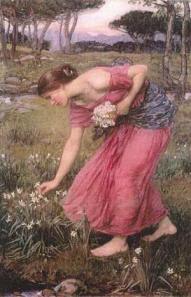


Narcissus, 1912 by John William Waterhouse

Narcissus, 1912 by John William Waterhouse


Persephone’s abduction by Hades is swift, violent and over so quickly that no one hears her scream except for Hecate, a goddess who helps Demeter find out where she has gone. Could there be anything worse for a mother than to lose a child? Demeter’s grief is profound. This is the Second Lamentation of Demeter.
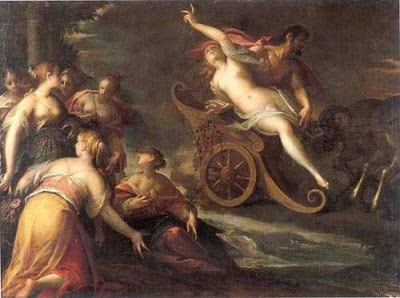
 

The Rape of Proserpine, Hans Von Aachen, 1587

The Abduction of Persephone, Hans Von Aachen, 1587


To hear me read this poem, please click on the link below and wait a few seconds for it to begin.


The Second Lamentation of Demeter


The earth groaned, then opened briefly.
That’s all it took.

He appeared out of nowhere
Like a wild flume of fire,

The flickering golden chariot with
Four black stallions at full gallop.

He sprang upon her so quickly
That when the earth closed back

Upon itself like a wound healed over,
All that was left was a circlet of flowers

That she and the daughters of Oceanus
Had been stringing together. Irises, roses,

Violets, hyacinths, and the faded blossoms
Of sweet narcissus plucked by her hand.

The scar in the earth and grasses torn apart
Were all that told the story.

I always knew he watched her…
I sensed when he was around.

Clouds gathered overhead,
Shadows clothing him in darkness,

Hades,
To whom sunlight is a stranger.

My sweet Persephone is gone now,
Gone with him.

O, horror…
My sweet child is his.


circlet of flowers 2


Persephone’s abduction is well represented in art. It is my personal opinion that one need look no further than the magnificent sculpture done by Bernini in 1622. The details of the hands and arms as well as the force and resistance between their two bodies is powerful. Persephone’s tear stained cheek tells us more than any words can.


Gian Lorenzo Bernini, The Rape of Proserpina, 1622, Galleria Borghese in Rome

Gian Lorenzo Bernini, The Abduction of Persephone, 1622, Galleria Borghese in Rome


(detail)

(detail)
 

(detail)

(detail)

Poor brown moth … (three tanka)


Three tanka published last February in the lovely journal, GUSTS:

Gusts No. 38  Contemporary Tanka, Canada,
Fall/Winter 2024  


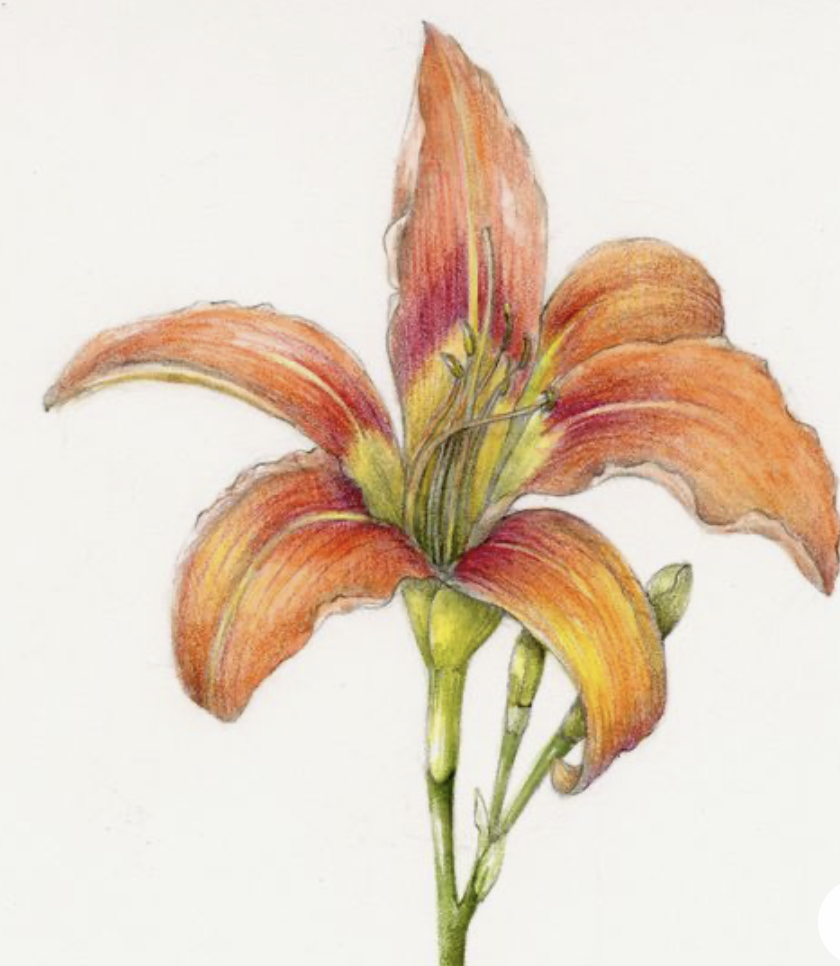
Compliments of “Draw Botanical”


a day lily blooms
for a single day
this brevity
a wonder to some,
unsettling to others


poor brown moth
trapped in a web
      the more you flutter
the tighter those
fine strands pull


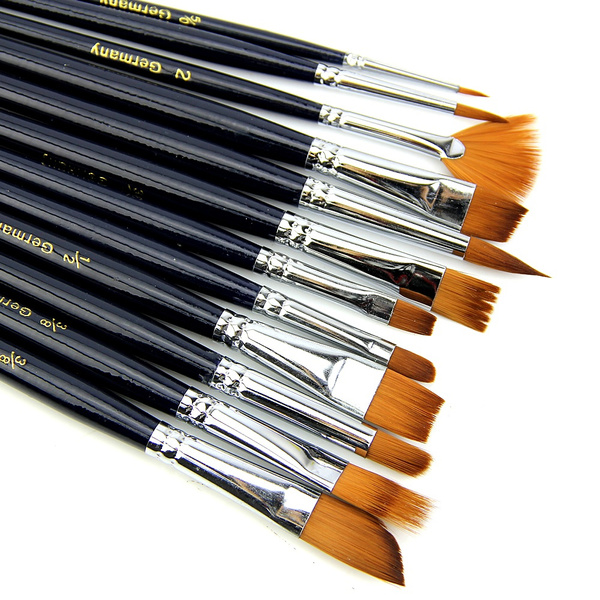
the art aisle holds
such soft sable brushes
wedge, round, pointed, flat
patiently waiting
to adorn my words


Chokecherry


the slow hiss
and sudden pop
of a pinecone in fire—
admitting the mistake
is a first step


*


had you lived
we’d almost be twins,
two sisters
so close in time
we nearly touched


*


this urge
to turn and walk away
     chokecherry


Mary Kendall (c) 2020

Kokako 32, 2020, a journal of the New Zealand Poetry Society
My thanks to the editors of Kokako for publishing all three poems.


We turn away…(tanka)


This tanka was published in Hedgerow, a journal of small poems ~ #130, Winter 2020


we turn away

from all we just can’t face—

the glistening red

of a vulture’s head

emerges from a carcass


Poet’s note:

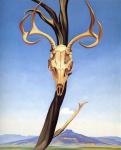
Out of decay comes art and beauty. Look what artist Georgia O’Keefe created from a skull found where she lived in New Mexico. All is part of nature and is nature.


Deer’s Skull with Pedernal by Georgia O’Keefe (c) 1936


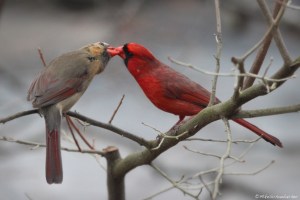
Where I live in central North Carolina, we have plenty of black vultures and turkey vultures. They circle and gather in the sky when there is carrion to be had. I chose this topic for the tanka because it’s a scene I’ve seen more than once. Yes, it’s not a pretty sight. Vultures, especially when eating a dead animal or gathering in a group in a tree or abandoned house do give you shivers. Something in us seems to respond with at least a momentary revulsion. However, I’m a bird lover and I try to see how a specific species fits into the scheme of things. Vultures and crows do eat carrion, the flesh of dead animals, often of roadkill along our roads and streets. They perform a good service by eating their meal and cleaning the mess up. Imagine all those dead animals left to rot. So these birds help us as they go about their business (albeit unpleasant business to us). They are birds we should appreciate for their useful role in nature. They also offer us a wonderful metaphor.

My thanks to editor, Caroline Skanne for being the one editor who chose to publish this poem. 

Imagine my surprise … (tanka/kyoka)


Prune Juice, Journal of Senryu, Kyoka, Haibun & Haiga
Issue #30, March 2020


both parents

dead at sixty one –

imagine my surprise

the day I turned

sixty-two


Widowhood


Published in FROGPOND, Volume 43:1, Winter 2020:


widowhood

day blurs into evening

into night . . .


This poem is dedicated to my dear sister-in-law, Paulett Brylinski, who lost her beloved husband, Jimmy, in December 2017. Watching her learn to cope and live with grief has taught me so much about courage and love.


Woods Hole, MA – 3/30/14