Synesthesia in Poetry


In honor of this beautiful season, here is an oldie of mine:


spring . . .

hearing green

and only green


                           [published Hedgerow #130, Winter 2020]


This haiku has only six words and eight syllables. It’s subject is simple: spring. What does spring mean to you as a reader, a person, perhaps a writer (as many of you are)? I’m sure we could spend hours coming up with wonderful definitions and explanations of what spring is (scientifically) and what it means to us. Spring evokes all sorts of images and memories, does it not?


Synesthesia–a beautiful word to say aloud–is both a neurological condition and a literary term/rhetorical device. A neurologist might encounter patients who might visualize a color when smelling a scent or hearing a certain note or sound when looking at a color. In the haiku (above), I have used synesthesia as a rhetorical device. You may be very familiar with this term and use since it goes back quite a way (Homer used it). Here is a definition from the Poetry Foundation:


Synesthesia in poetry is a literary device that blends different sensory modalities—such as sight, sound, smell, touch, and taste—to create vivid, unconventional imagery. It describes one sensation in terms of another (e.g., “loud colors” or “sweet sound”) to evoke intense emotional or atmospheric responses, often blurring the lines between perception and description.


For some wonderful examples go to their site and read this:

https://www.poetryfoundation.org/education/glossary/synesthesia


I hope that this brief excursion into literary devices makes you suddenly aware of just how often synesthesia is used in the books you read or  in songs and even in the commercials you see on television.


Remember when you were a child and you were taught about similes. You probably delighted in making up similes left and right. Literary devices expand our thinking and our perception by pushing us a little bit into making new (sometimes strange) connections.
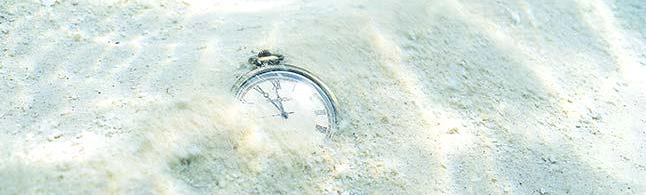


Two Small Poems

Two poems of mine were just published in the May 2015 issue of ‘cattails,’ the lovely online publication of the United Haiku and Tanka Society. I am truly honored once again by being included in the company of such excellent poets. My thanks to all of the editors, and especially to the main editor, an’ya.

Cattails

The first is a haiga.  My thanks to my good friend, Debbie Nemer Suggs who gave me permission to use her lovely photo (c) 2015 with my haiku.

haiga fiddlehead

~

and the other poem is a haiku:

Rosehips by Midori

Rosehips by Midori

petals fall—
we gather rosehips thinking
only of tea

​~

Photo by Tanya of Lovely Greens Blog

Photo by Tanya of Lovely Greens Blog

Irisation: A Lesson

Photography © 2015 by Farnaz Mojab Soheili

Photography © 2015 by Farnaz Mojab Soheili

A Lesson

For just one moment
the sky stopped time,
and we gazed upward
to where an angel
lit the clouds
like a row of pure white candles,
and the flames flickered
in many hues
and spoke to us in sweet silence,
reminding us that life is brief,
a momentary blur.

A lesson we forgot.

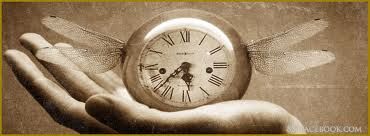
hands of time

Note: My thanks go to my friend, Farnaz Mojab Soheili, for allowing me to use her wonderful photograph of this magnificent cloud rainbow that appeared for just a moment. As a teacher who was with a group of fourth grade students on the playground, the cloud phenomenon was pointed out to her by a student. She looked up in time to see it shift into this beautiful formation. A rainbow in the clouds is called iridescence or irisation:  “When parts of clouds are thin and have similar size droplets, diffraction can make them shine with colours like a corona. In fact, the colours are essentially corona fragments. The effect is called cloud iridescence or irisation, terms derived from Iris the Greek personification of the rainbow…. Iridescence is seen mostly when part of a cloud is forming because then all the droplets have a similar history and consequently have a similar size.”

[http://www.atoptics.co.uk/droplets/irid1.htm]

Irises

The Starry Night

The Starry Night by Vincent Van Gogh, 1889, Museum of Modern Art, NYC

                       The Starry Night by Vincent Van Gogh, 1889, Museum of Modern Art, NYC

The Starry Night

It is silent tonight.

In the ever flowing
river of the night,
a boat of darkness

sails by
as wave upon wave
of stars flow,

then crest,
then
fall,

and silently subside,
consumed by another wave
until nothing is left,

just flickering light
of celestial glowworms
that hang

in the cave of night—
languid star strands
from the heavens.

The moon
could tell stories
if it chose.

It is silent tonight.

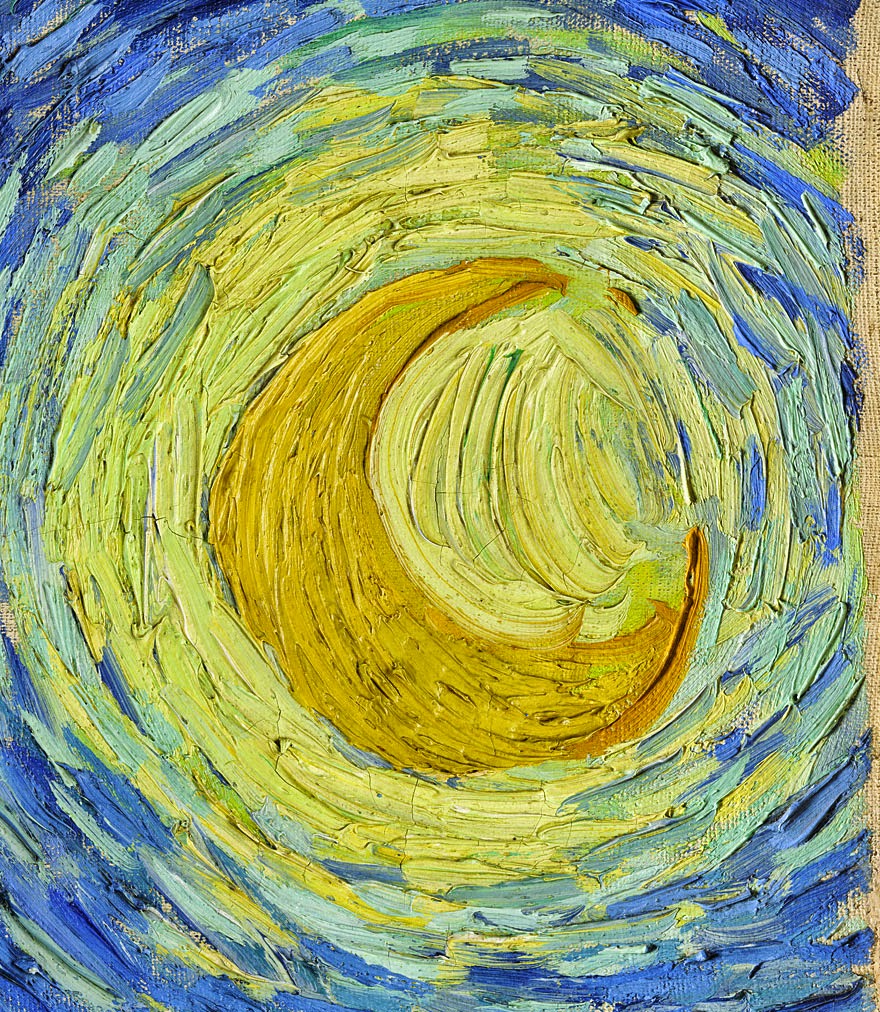
Van Gogh Moon

Spring Equinox (haiga)

spring equinox kendall haiga

Haiga by Mary Kendall

This was written for a prompt on the spring equinox for a favorite small poem poetry group I belong to called “seize the poem.” I’m enjoying creating this mix of haiku and photography, and I think I finally got the words correctly balanced on the picture, so I’m sharing it here as well. The photo is my own taken in the sculpture garden of the Rodin Museum in Paris this month.